Treating and Managing Bunion Pain

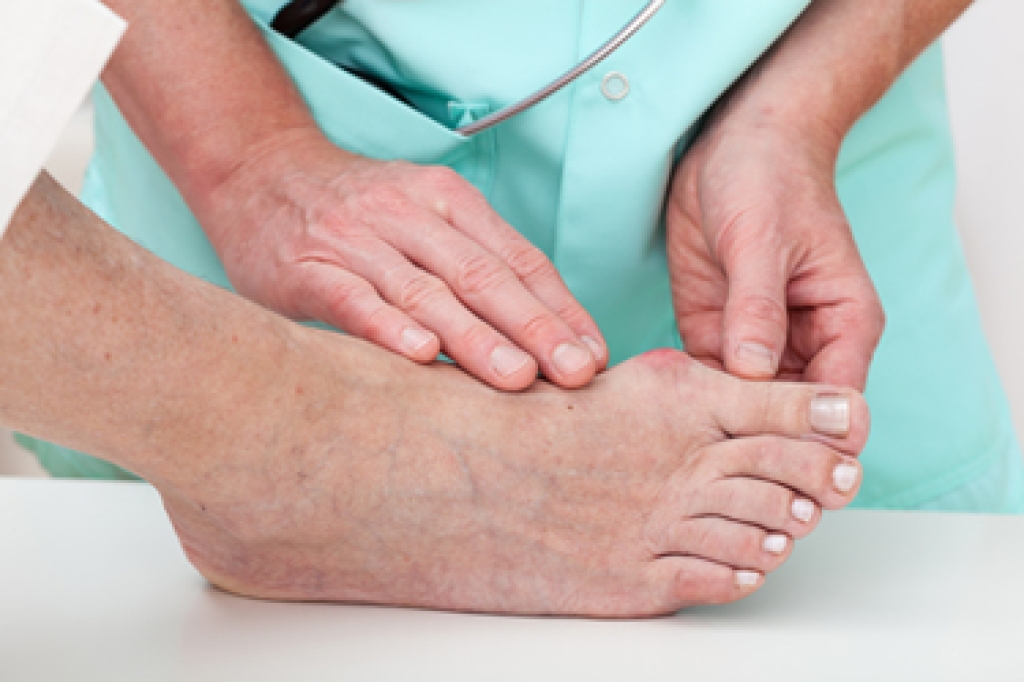
A bunion is a foot deformity that develops when the big toe shifts toward the lesser toes, creating a bony bump along the side of the foot. This alignment change increases stress on joints and soft tissue. A bunion often causes pain, swelling, stiffness, and trouble wearing shoes. It may worsen due to abnormal foot mechanics, inherited foot structure, or prolonged pressure on the forefoot. A podiatrist helps manage bunions by assessing foot alignment, gait, and deformity severity. Treatment options include shoe modifications, padding, orthotic devices, activity adjustments, and targeted therapies to reduce pressure and slow progression. In advanced cases, surgery may be needed to realign the joint and improve function. For help with managing pain caused by bunions, it is suggested that you make an appointment with a podiatrist for an exam, diagnosis, and treatment.

If you are suffering from bunions, contact Renee Rodriquez, DPM of Foot Clinic of South Texas. Our doctor can provide the care you need to keep you pain-free and on your feet.

What Is a Bunion?

A bunion is formed of swollen tissue or an enlargement of boney growth, usually located at the base joint of the toe that connects to the foot. The swelling occurs due to the bones in the big toe shifting inward, which impacts the other toes of the foot. This causes the area around the base of the big toe to become inflamed and painful.

Why Do Bunions Form?

Genetics – Susceptibility to bunions are often hereditary

Stress on the feet – Poorly fitted and uncomfortable footwear that places stress on feet, such as heels, can worsen existing bunions

How Are Bunions Diagnosed?

Podiatrists often perform two tests – blood tests and x-rays – when trying to diagnose bunions, especially in the early stages of development. Blood tests help determine if the foot pain is being caused by something else, such as arthritis, while x-rays provide a clear picture of your bone structure to your provider.

How Are Bunions Treated?

  • Refrain from wearing heels or similar shoes that cause discomfort
  • Select wider shoes that can provide more comfort and reduce pain
  • Anti-inflammatory and pain management drugs
  • Orthotics or foot inserts
  • Surgery

If you have any questions, please feel free to contact our office located in Brownsville, TX . We offer the newest diagnostic and treatment technologies for all your foot care needs.


Read more about What Are Bunions?

Protecting Feet Through Specialized Diabetic Care

Foot complications related to diabetes can escalate quickly without expert attention. Reduced sensation may prevent patients from noticing cuts or pressure points, while impaired circulation slows healing. A podiatrist helps interrupt this cycle by providing focused care aimed at preserving function and preventing limb loss. Treatment often includes detailed examinations, wound care, infection management, and strategies to relieve pressure on vulnerable areas. Structural problems may be corrected to reduce repeat injury, and ongoing monitoring helps catch changes early. Coordination with other medical providers is sometimes needed to address circulation or systemic concerns. Education also plays an important role, empowering patients to protect their feet daily. When care is timely and consistent, outcomes often improve significantly. If diabetes has caused persistent foot wounds, skin breakdown, or infection, it is suggested that you see a podiatrist for a proper diagnosis and appropriate treatment.

Diabetic foot care is important in preventing foot ailments such as ulcers. If you are suffering from diabetes or have any other concerns about your feet, contact Renee Rodriquez, DPM from Foot Clinic of South Texas. Our doctor can provide the care you need to keep you pain-free and on your feet.

Diabetic Foot Care

Diabetes affects millions of people every year. The condition can damage blood vessels in many parts of the body, especially the feet. Because of this, taking care of your feet is essential if you have diabetes, and having a podiatrist help monitor your foot health is highly recommended.

The Importance of Caring for Your Feet

  • Routinely inspect your feet for bruises or sores.
  • Wear socks that fit your feet comfortably.
  • Wear comfortable shoes that provide adequate support.

Patients with diabetes should have their doctor monitor their blood levels, as blood sugar levels play such a huge role in diabetic care. Monitoring these levels on a regular basis is highly advised.

It is always best to inform your healthcare professional of any concerns you may have regarding your feet, especially for diabetic patients. Early treatment and routine foot examinations are keys to maintaining proper health, especially because severe complications can arise if proper treatment is not applied.

If you have any questions, please feel free to contact our office located in Brownsville, TX . We offer the newest diagnostic and treatment technologies for all your foot care needs.
Read more about Diabetic Foot Care

Neuropathy and Toe Numbness and Tingling

Toe numbness and tingling are abnormal sensations often described as obdormition, which refers to a feeling of pins and needles or loss of sensation. These symptoms may be caused by peripheral neuropathy, where damaged nerves disrupt normal sensation in the feet. Diabetic neuropathy is a common form or neuropathy that develops from prolonged high blood sugar and can lead to burning, tingling, numbness, or pain in the toes. Symptoms may worsen at night or with prolonged standing. A podiatrist can evaluate nerve health, identify the underlying cause, and recommend treatment to protect sensation and prevent complications such as wounds or infections. If you notice ongoing numbness or tingling in your toes, it is suggested that you schedule an appointment with a podiatrist who can determine what the cause is, and offer effective relief tips.

Neuropathy

Neuropathy can be a potentially serious condition, especially if it is left undiagnosed. If you have any concerns that you may be experiencing nerve loss in your feet, consult with Renee Rodriquez, DPM from Foot Clinic of South Texas. Our doctor will assess your condition and provide you with quality foot and ankle treatment for neuropathy.

What Is Neuropathy?

Neuropathy is a condition that leads to damage to the nerves in the body. Peripheral neuropathy, or neuropathy that affects your peripheral nervous system, usually occurs in the feet. Neuropathy can be triggered by a number of different causes. Such causes include diabetes, infections, cancers, disorders, and toxic substances.

Symptoms of Neuropathy Include:

  • Numbness
  • Sensation loss
  • Prickling and tingling sensations
  • Throbbing, freezing, burning pains
  • Muscle weakness

Those with diabetes are at serious risk due to being unable to feel an ulcer on their feet. Diabetics usually also suffer from poor blood circulation. This can lead to the wound not healing, infections occurring, and the limb may have to be amputated.

Treatment

To treat neuropathy in the foot, podiatrists will first diagnose the cause of the neuropathy. Figuring out the underlying cause of the neuropathy will allow the podiatrist to prescribe the best treatment, whether it be caused by diabetes, toxic substance exposure, infection, etc. If the nerve has not died, then it’s possible that sensation may be able to return to the foot.

Pain medication may be issued for pain. Electrical nerve stimulation can be used to stimulate nerves. If the neuropathy is caused from pressure on the nerves, then surgery may be necessary.

If you have any questions, please feel free to contact our office located in Brownsville, TX . We offer the newest diagnostic and treatment technologies for all your foot care needs.

Read more about Neuropathy

Common Causes and Care for a Broken Pinky Toe

A broken pinky toe is a frequent injury because this small outer toe is especially vulnerable to being stubbed against furniture or crushed during daily activities. Its position on the edge of the foot leaves it less protected from direct impact. Common symptoms include sharp pain, swelling, bruising, tenderness, and difficulty bearing weight. In some mild cases, taping the injured toe to the adjacent toe may provide support, but proper evaluation is important to confirm alignment and rule out complications. Risk factors include participation in sports, walking barefoot, environmental problems, like poor lighting, and reduced bone strength. A podiatrist can diagnose the fracture, recommend appropriate treatment, and guide healing. If you have injured or broken your pinky toe, it is suggested that you consult a podiatrist who can effectively treat this condition.

A broken toe can be very painful and lead to complications if not properly fixed. If you have any concerns about your feet, contact Renee Rodriquez, DPM from Foot Clinic of South Texas. Our doctor will treat your foot and ankle needs.

What to Know About a Broken Toe

Although most people try to avoid foot trauma such as banging, stubbing, or dropping heavy objects on their feet, the unfortunate fact is that it is a common occurrence. Given the fact that toes are positioned in front of the feet, they typically sustain the brunt of such trauma. When trauma occurs to a toe, the result can be a painful break (fracture).

Symptoms of a Broken Toe

  • Throbbing pain
  • Swelling
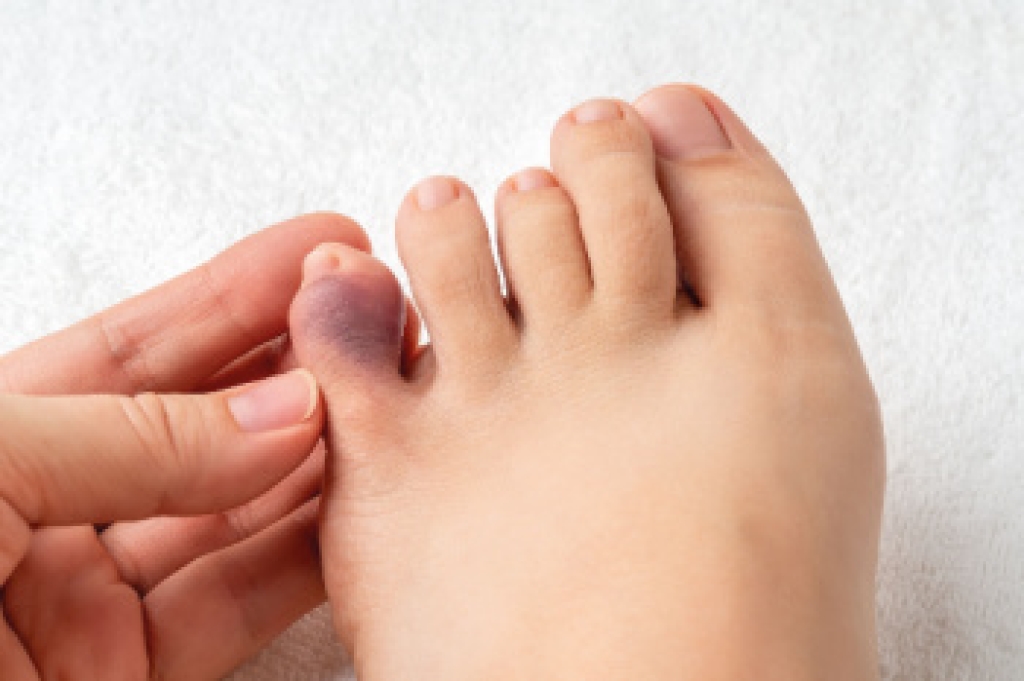
  • Bruising on the skin and toenail
  • The inability to move the toe
  • Toe appears crooked or disfigured
  • Tingling or numbness in the toe

Generally, it is best to stay off of the injured toe with the affected foot elevated.

Severe toe fractures may be treated with a splint, cast, and in some cases, minor surgery. Due to its position and the pressure it endures with daily activity, future complications can occur if the big toe is not properly treated.

If you have any questions, please feel free to contact our office located in Brownsville, TX . We offer the newest diagnostic and treatment technologies for all your foot care needs.

Read more about What to Know About a Broken Toe

Gout Pain Can Be Managed

Gout is a painful, inflammatory form of arthritis. Those affected will typically feel an intense stiffness in the joints of their feet, particularly in the big toe. Schedule a visit to learn about how gout can be managed and treated.

Connect With Us

Request Appointment Patient Portal