Dealing With Corns and Callouses

Corns and callouses on the feet develop when repeated pressure or friction causes the skin to thicken as a form of protection. They are commonly caused by tight shoes, foot structure issues, abnormal walking patterns, or activities that place stress on certain areas. Symptoms may include rough, hardened skin, tenderness, and localized pain that worsens with pressure. Corns often look small and raised with a hard central core, while callouses appear broader and flatter. They can feel sore or sensitive, especially when walking or wearing shoes. A podiatrist can help by starting with a detailed evaluation of foot structure, gait, and footwear to identify the source of pressure. Treatment may begin with safe removal of thickened skin and protective padding, followed by custom orthotics, shoe recommendations, and targeted exercises to reduce pressure and prevent recurrence. Ongoing care helps improve comfort and skin health. If you have painful corns or callouses on your feet, it is suggested that you make an appointment with a podiatrist.

Corns can make walking very painful and should be treated immediately. If you have questions regarding your feet and ankles, contact Renee Rodriquez, DPM of Foot Clinic of South Texas. Our doctor will treat your foot and ankle needs.

Corns: What Are They? And How Do You Get Rid of Them?
Corns are thickened areas on the skin that can become painful. They are caused by excessive pressure and friction on the skin. Corns press into the deeper layers of the skin and are usually round in shape.

Ways to Prevent Corns
There are many ways to get rid of painful corns such as:

  • Wearing properly fitting shoes that have been measured by a professional
  • Wearing shoes that are not sharply pointed or have high heels
  • Wearing only shoes that offer support

Treating Corns

Although most corns slowly disappear when the friction or pressure stops, this isn’t always the case. Consult with your podiatrist to determine the best treatment option for your case of corns.

If you have any questions, please feel free to contact our office located in Brownsville, TX . We offer the newest diagnostic and treatment technologies for all your foot care needs.
Read more about Understanding Corns and Calluses

Pain in the Front of the Ankle

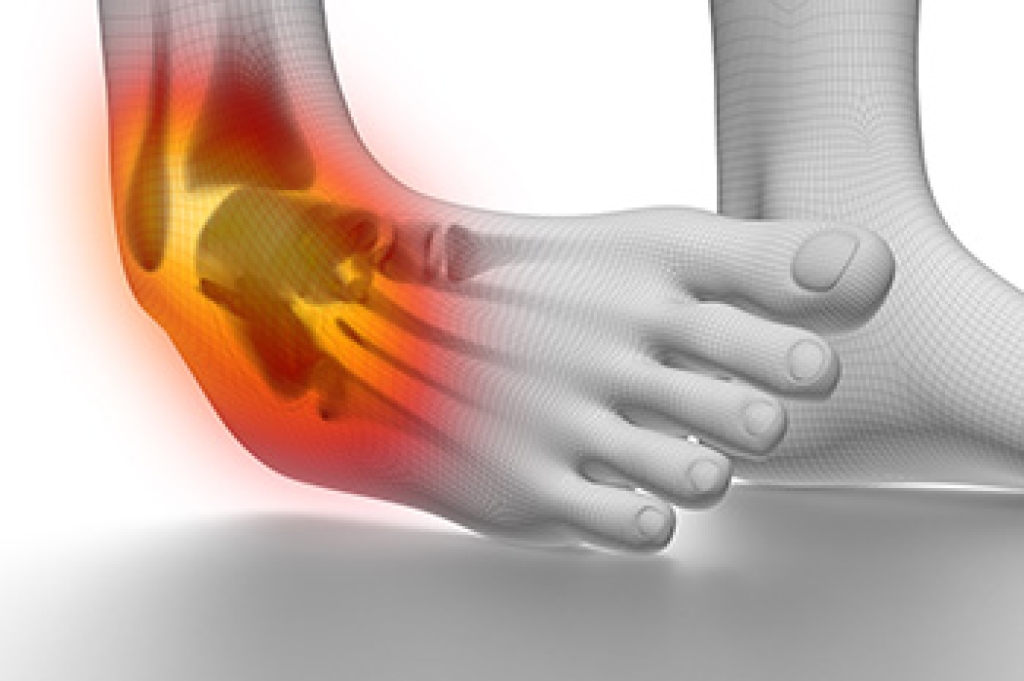
Pain in the front of the ankle can develop when bone spurs or inflamed soft tissue create pressure where the tibia and talus bones meet. This leads to a pinching feeling as the ankle bends upward while walking or climbing. Such pressure often increases after repeated sprains, frequent forward-leaning movements, or long-term strain from activities like soccer or dancing. People may notice discomfort when walking uphill, rising from a squat, or moving the ankle toward the shin. An X-ray can show bony growths that limit motion, while an MRI scan can reveal swelling or scarring in the front of the joint. A podiatrist can evaluate ankle alignment, review imaging, provide shoe inserts for added support, and discuss surgery when needed to remove spurs and improve mobility. If you have pain in the front of your ankle, it is suggested that you schedule an appointment with a podiatrist for a full exam and options for treatment.

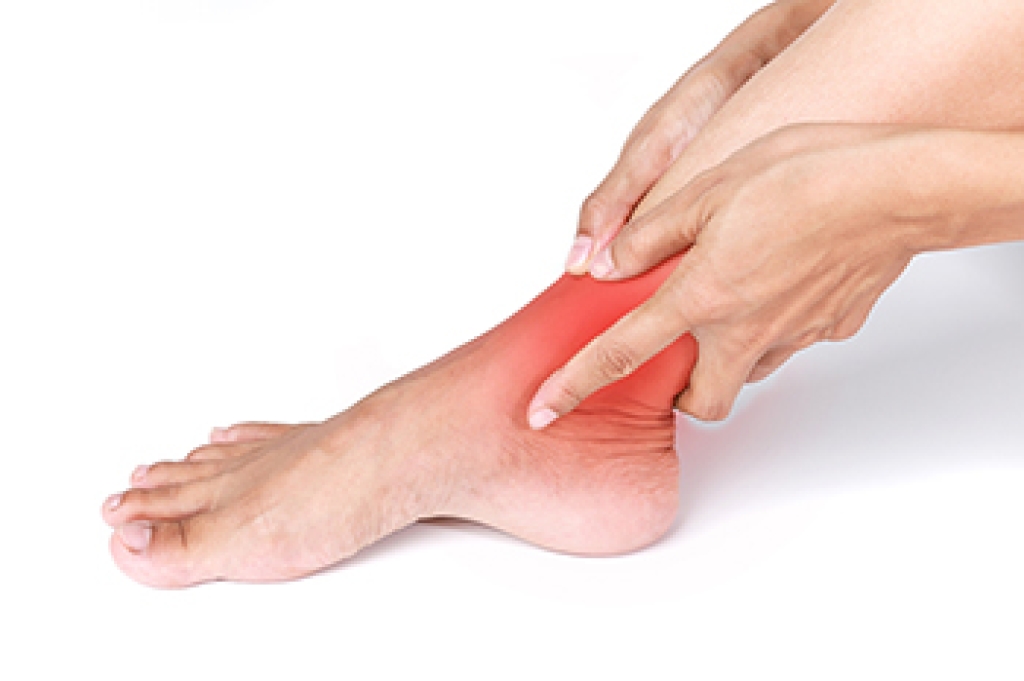
Ankle pain can have many different causes and the pain may potentially be serious. If you have ankle pain, consult with Renee Rodriquez, DPM from Foot Clinic of South Texas. Our doctor will assess your condition and provide you with quality foot and ankle treatment.

Ankle pain is any condition that causes pain in the ankle. Due to the fact that the ankle consists of tendons, muscles, bones, and ligaments, ankle pain can come from a number of different conditions.

Causes

The most common causes of ankle pain include:

  • Types of arthritis (rheumatoid, osteoarthritis, and gout)
  • Ankle sprains
  • Broken ankles
  • Achilles tendinitis
  • Achilles tendon rupture
  • Stress fractures
  • Tarsal tunnel syndrome
  • Plantar fasciitis

Symptoms

Symptoms of ankle injury vary based upon the condition. Pain may include general pain and discomfort, swelling, aching, redness, bruising, burning or stabbing sensations, and/or loss of sensation.

Diagnosis

Due to the wide variety of potential causes of ankle pain, podiatrists will utilize a number of different methods to properly diagnose ankle pain. This can include asking for personal and family medical histories and of any recent injuries. Further diagnosis may include sensation tests, a physical examination, and potentially x-rays or other imaging tests.

Treatment

Just as the range of causes varies widely, so do treatments. Some more common treatments are rest, ice packs, keeping pressure off the foot, orthotics and braces, medication for inflammation and pain, and surgery.

If you have any questions please feel free to contact our office located in Brownsville, TX . We offer the newest diagnostic tools and technology to treat your foot and ankle needs.

Read more about Ankle Pain

Measuring Your Foot at Home to Get the Right Shoe Size

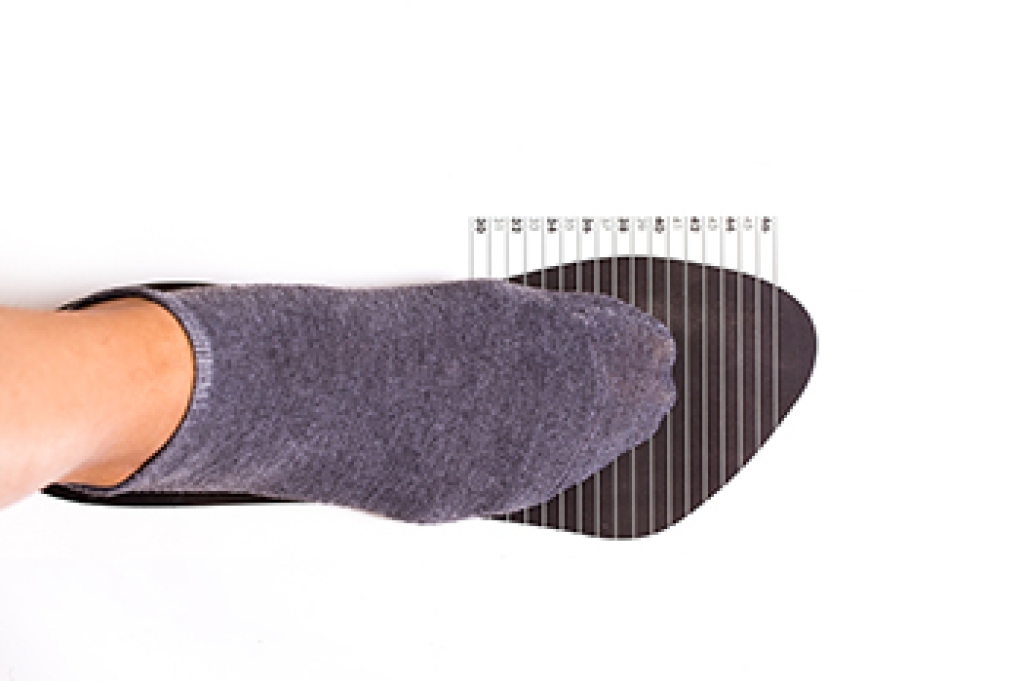
Measuring your foot is a simple way to ensure proper shoe fit and avoid discomfort. To measure length, place your heel against a wall and mark the tip of your longest toe, then measure the distance. To measure width, wrap a soft tape measure around the widest part of your foot, and then use a conversion chart to determine the correct shoe size. Wearing shoes that do not fit properly can lead to blisters, bunions, corns, hammertoes, and even long-term joint pain. A podiatrist can assess your foot shape, gait, and any underlying conditions while recommending supportive shoes or custom orthotics for comfort and protection. If you have foot pain from wearing the wrong shoes, it is suggested that you consult a podiatrist who can treat various foot conditions, and guide you on additional tips for finding your right shoe size.

Getting the right shoe size is an important part of proper foot health. Seek the assistance of Renee Rodriquez, DPM from Foot Clinic of South Texas. Our doctor will provide the care you need to keep you pain-free and on your feet.

Getting the Right Shoe Size

There are many people who wear shoes that are the incorrect size, negatively affecting their feet and posture. Selecting the right shoes is not a difficult process, so long as you keep several things in mind when it comes to choosing the right pair.

  • When visiting the shoe store, use the tools available to measure your foot.
  • Be sure there is ‘wiggle room’. There should be about an inch between your toes and the tip of your shoes.
  • Do not always assume you are the same size, as manufacturers run differently.
  • Purchase shoes later in the day, as your feet swell as the day progresses.
  • If a shoe is not comfortable, it is not suitable. Most shoes can’t be ‘broken in’, and comfort should be the ultimate goal when it comes to choosing the right pair of shoes

As our feet hold our body weight and keep us moving, it is important to treat them right. Picking the right pair of shoes can provide your feet comfort and mobility without pain.

If you have any questions, please feel free to contact our office located in Brownsville, TX . We offer the newest diagnostic and treatment technologies for all your foot care needs.

Read more about Getting the Right Shoe Size: To Keep Your Feet Happy

Risk Factors and Symptoms of Athlete’s Foot

Athlete’s foot is a fungal infection that forms when fungus grows on the skin of the feet, especially in warm and damp spaces between the toes. It can affect people of all ages. The risk of athlete’s foot increases when people walk barefoot in shared locker rooms, wear heavy boots for long hours, sweat excessively, or have circulation problems. Tight shoes that lack adequate support or worn-out flip-flops can trap moisture around the toes. Symptoms of athlete's foot include itching, peeling skin, redness, and soft, whitish areas between the toes. In some cases, small blisters can form on the inner foot or dry scaling may develop along the sole. A podiatrist can examine the infected area, confirm the cause, and guide a treatment that helps clear the infection and prevent complications. If you have an athlete's foot infection, it is suggested that you make an appointment with a podiatrist for a diagnosis and treatment.

Athlete’s foot is an inconvenient condition that can be easily reduced with the proper treatment. If you have any concerns about your feet and ankles, contact Renee Rodriquez, DPM from Foot Clinic of South Texas.  Our doctor will treat your foot and ankle needs.

Athlete’s Foot: The Sole Story

Athlete's foot, also known as tinea pedis, can be an extremely contagious foot infection. It is commonly contracted in public changing areas and bathrooms, dormitory style living quarters, around locker rooms and public swimming pools, or anywhere your feet often come into contact with other people.

Solutions to Combat Athlete’s Foot

  • Hydrate your feet by using lotion
  • Exfoliate
  • Buff off nails
  • Use of anti-fungal products
  • Examine your feet and visit your doctor if any suspicious blisters or cuts develop

Athlete’s foot can cause many irritating symptoms such as dry and flaking skin, itching, and redness. Some more severe symptoms can include bleeding and cracked skin, intense itching and burning, and even pain when walking. In the worst cases, Athlete’s foot can cause blistering as well. Speak to your podiatrist for a better understanding of the different causes of Athlete’s foot, as well as help in determining which treatment options are best for you.

If you have any questions please feel free to contact our office located in Brownsville, TX . We offer the newest diagnostic and treatment technologies for all your foot and ankle needs.

Read more about How to Deal with Athlete's Foot

Risk Factors for Falling in Winter

Winter conditions increase the risk of slipping when feet lose traction on icy or wet surfaces, making footwear choices and foot function especially important. Shoes with firm soles, deep tread, and a stable heel help the feet grip the ground and limit ankle rolling, while worn shoes raise the chance of imbalance. Foot shape, reduced sensation in the toes, and stiffness in the ankles can affect balance, especially with age. A podiatrist can evaluate gait, check ankle motion, and identify problems like nerve changes or arthritis that interfere with stability. Treatment can focus on improving foot alignment, managing pain, and addressing deformities that limit safe walking, with surgery considered when structural problems prevent support. If you are at risk for falls, it is suggested that you make an appointment with a podiatrist for a diagnosis and options for prevention.

Preventing falls among the elderly is very important. If you are older and have fallen or fear that you are prone to falling, consult with Renee Rodriquez, DPM from Foot Clinic of South Texas. Our doctor will assess your condition and provide you with quality advice and care.

Every 11 seconds, an elderly American is being treated in an emergency room for a fall related injury. Falls are the leading cause of head and hip injuries for those 65 and older. Due to decreases in strength, balance, senses, and lack of awareness, elderly persons are very susceptible to falling. Thankfully, there are a number of things older persons can do to prevent falls.

How to Prevent Falls

Some effective methods that older persons can do to prevent falls include:

  • Enrolling in strength and balance exercise program to increase balance and strength
  • Periodically having your sight and hearing checked
  • Discuss any medications you have with a doctor to see if it increases the risk of falling
  • Clearing the house of falling hazards and installing devices like grab bars and railings
  • Utilizing a walker or cane
  • Wearing shoes that provide good support and cushioning
  • Talking to family members about falling and increasing awareness

Falling can be a traumatic and embarrassing experience for elderly persons; this can make them less willing to leave the house, and less willing to talk to someone about their fears of falling. Doing such things, however, will increase the likelihood of tripping or losing one’s balance. Knowing the causes of falling and how to prevent them is the best way to mitigate the risk of serious injury.  

If you have any questions, please feel free to contact our office located in Brownsville, TX . We offer the newest diagnostic and treatment technologies for all your foot care needs.

Read more about Falls Prevention

How to Treat Foot Pain

Foot pain can make every step uncomfortable, but effective treatment starts with understanding the source of the discomfort. Many people find relief through wearing supportive footwear that cushions the arch and reduces pressure on sensitive areas. Custom orthotics can also correct underlying structural issues and improve alignment. When pain is caused by inflammation or overuse, rest and gentle stretching may ease symptoms and prevent further irritation. Conditions such as plantar fasciitis, arthritis, tendon problems, or nerve issues often require more targeted care, including specific exercises or medication prescribed by a podiatrist. Persistent or worsening pain should never be ignored, as early intervention offers the best chance for healing. If you have persistent foot pain, it is suggested that you see a podiatrist for an accurate diagnosis and a personalized treatment plan tailored to your needs.

Foot Pain

Foot pain can be extremely painful and debilitating. If you have a foot pain, consult with Renee Rodriquez, DPM from Foot Clinic of South Texas. Our doctor will assess your condition and provide you with quality foot and ankle treatment.

Causes

Foot pain is a very broad condition that could be caused by one or more ailments. The most common include:

  • Bunions
  • Hammertoes
  • Plantar Fasciitis
  • Bone Spurs
  • Corns
  • Tarsal Tunnel Syndrome
  • Ingrown Toenails
  • Arthritis (such as Gout, Rheumatoid, and Osteoarthritis)
  • Flat Feet
  • Injury (from stress fractures, broken toe, foot, ankle, Achilles tendon ruptures, and sprains)
  • And more

Diagnosis

To figure out the cause of foot pain, podiatrists utilize several different methods. This can range from simple visual inspections and sensation tests to X-rays and MRI scans. Prior medical history, family medical history, and any recent physical traumatic events will all be taken into consideration for a proper diagnosis.

Treatment

Treatment depends upon the cause of the foot pain. Whether it is resting, staying off the foot, or having surgery; podiatrists have a number of treatment options available for foot pain.

If you have any questions, please feel free to contact our office located in Brownsville, TX . We offer the newest diagnostic and treatment technologies for all your foot care needs.

Read more about Foot Pain

Ankle Sprain Types and Podiatric Care

An ankle sprain occurs when the ligaments that support the ankle are stretched or torn due to sudden twisting or impact. The most common type is an inversion sprain, where the foot rolls inward and damages the outer ankle ligaments. An eversion sprain happens when the foot rolls outward, affecting the inner ligaments and often causing more severe injury. Ankle sprains are also classified by grades. A mild grade involves ligament stretching with slight pain and swelling. A moderate grade includes partial tearing, increased swelling, bruising, and difficulty walking. A severe grade involves complete ligament rupture with significant pain, instability, and loss of function. A podiatrist can help by accurately diagnosing the type and severity of the sprain, providing immobilization, if needed, guiding rehabilitation, and recommending supportive footwear or orthotics. If you have ankle pain, swelling, or difficulty bearing weight, it is suggested that you consult a podiatrist who can provide effective relief and treatment techniques.

Ankle sprains are common but need immediate attention. If you need your feet checked, contact Renee Rodriquez, DPM from Foot Clinic of South Texas. Our doctor can provide the care you need to keep you pain-free and on your feet.

How Does an Ankle Sprain Occur?

Ankle sprains take place when the ligaments in your ankle are torn or stretched beyond their limits. There are multiple ways that the ankle can become injured, including twisting or rolling over onto your ankle, putting undue stress on it, or causing trauma to the ankle itself.

What Are the Symptoms?

  • Mild to moderate bruising
  • Limited mobility
  • Swelling
  • Discoloration of the skin (depending on severity)

Preventing a Sprain

  • Wearing appropriate shoes for the occasion
  • Stretching before exercises and sports
  • Knowing your limits

Treatment of a Sprain

Treatment of a sprain depends on the severity.  Many times, people are told to rest and remain off their feet completely, while others are given an air cast. If the sprain is very severe, surgery may be required.

If you have suffered an ankle sprain previously, you may want to consider additional support such as a brace and regular exercises to strengthen the ankle.

If you have any questions please feel free to contact our office located in Brownsville, TX . We offer the newest diagnostic tools and technology to treat your foot and ankle needs.

Read more about Ankle Sprains

Plantar Warts Can Be Treated!

Plantar warts are small growths that develop on parts of the feet that bear weight. They're typically found on the bottom of the foot. Don't live with plantar warts, and call us today!

Various Reasons for Pain in the Big Toe

The big toe is also known as the great toe, and is considered to be one of the most important joints in the body. It has various functions, including walking heel to toe, and balancing while running, jumping, or dancing. There is a joint on the bottom of the big toe that is known as the tarsometatarsal (TMT) joint, and the proximal Interphalangeal joint is found across from it. These joints can become damaged from participating in high-impact sporting activities, and will often become painful and swollen. Another form of discomfort occurring in the big toe is known as gout. This develops as a result of excess uric acid in the blood that can form crystals in the joints of the big toe, often causing debilitating pain. Extensor tendonitis is a foot condition that may happen from having tight calf muscles, and the pain is felt when the big toe is extended. Many people have osteoarthritis of the joints in the big toe, and a bunion may gradually develop, if not promptly treated. If you have pain in your big toe, it is strongly urged that you speak with a podiatrist who can properly diagnose and treat toe pain.

Toe pain can disrupt your daily activities. If you have any concerns, contact Renee Rodriquez, DPM of Foot Clinic of South Texas. Our doctor can provide the care you need to keep you pain-free and on your feet.

What Causes Toe Pain?

Most severe toe pain is caused due to a sports injury, trauma from dropping something heavy on the toe, or bumping into something rigid. Other problems can develop over time for various reasons.

Toe pain can be caused by one or more ailments. The most common include:

  • Trauma
  • Sports injury
  • Wearing shoes that are too tight
  • Arthritis
  • Gout
  • Corns and calluses
  • Hammertoe
  • Bunions
  • Blisters
  • Ingrown toenails
  • Sprains
  • Fractures (broken bones)
  • Dislocations

When to See a Podiatrist

  • Severe pain
  • Persistent pain that lasts more than a week
  • Signs of infection
  • Continued swelling
  • Pain that prevents walking

Diagnosis

In many cases the cause of toe pain is obvious, but in others, a podiatrist may want to use more advanced methods to determine the problem. These can range from simple visual inspections and sensation tests to X-rays and MRI scans. Prior medical history, family medical history, and any recent physical traumatic events will all be taken into consideration for a proper diagnosis.

Treatment

Treatments for toe pain and injuries vary and may include shoe inserts, padding, taping, medicines, injections, and in some cases, surgery. If you believe that you have broken a toe, please see a podiatrist as soon as possible.

If you have any questions please contact our office located in Brownsville, TX . We offer the newest diagnostic and treatment technologies for all your foot and ankle needs.

Read more about Toe Pain

Connect With Us

Request Appointment Patient Portal