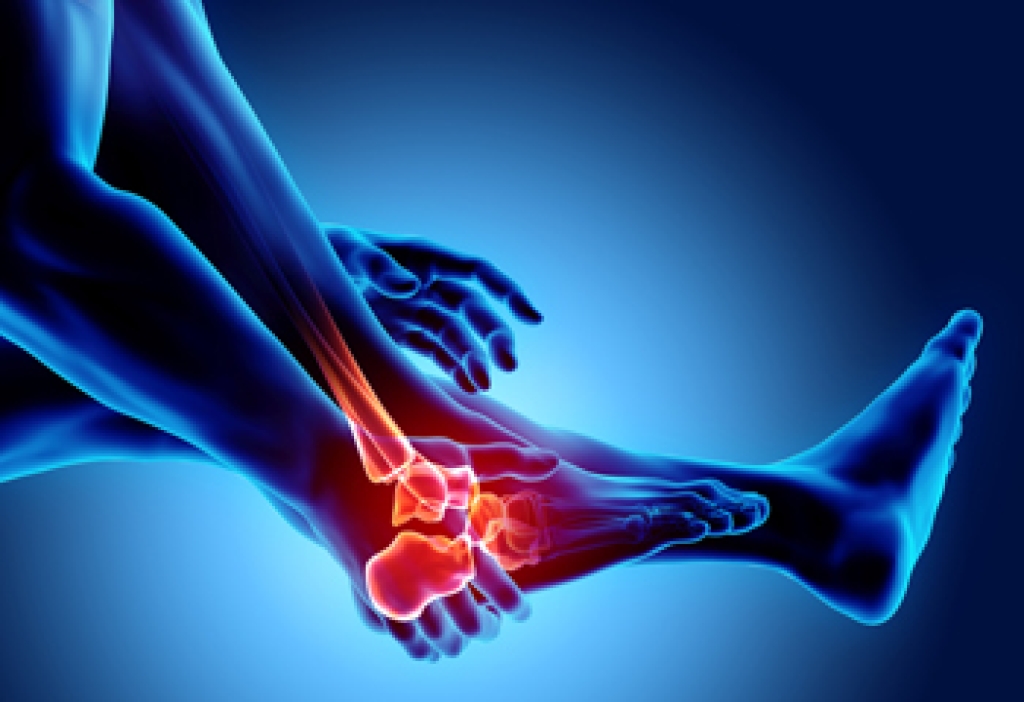
Rheumatoid Arthritis Can Affect Both Feet

There is a disorder that attacks an individual's immune system that may result in rheumatoid arthritis, which is abbreviated as RA. It targets the cells in the lining of the joints, and will often affect both feet. This is a condition that causes severe inflammation and pain, and it can be difficult to walk and complete daily activities. Some of the beginning symptoms of RA can consist of having a slight fever, fatigue, or unexplained weight loss. There may be factors that can contribute to getting RA, including smoking, obesity, and it may be more prevalent among women. Practicing a gentle exercise routine may provide moderate relief for patients who are afflicted with RA, in addition to taking certain medications. If your feet are stiff and it is painful to walk, it is suggested that you contact a podiatrist who can effectively diagnose RA, and offer correct treatment solutions. 

Because RA affects more than just your joints, including the joints in your feet and ankles, it is important to seek early diagnosis from your podiatrist if you feel like the pain in your feet might be caused by RA. For more information, contact Renee Rodriquez, DPM of Foot Clinic of South Texas. Our doctor will assist you with all of your podiatric concerns.

What Is Rheumatoid Arthritis?

Rheumatoid Arthritis (RA) is an autoimmune disorder in which the body’s own immune system attacks the membranes surrounding the joints. Inflammation of the lining and eventually the destruction of the joint’s cartilage and bone occur, causing severe pain and immobility.

Rheumatoid Arthritis of the Feet

Although RA usually attacks multiple bones and joints throughout the entire body, almost 90 percent of cases result in pain in the foot or ankle area.

Symptoms

  • Swelling and pain in the feet
  • Stiffness in the feet
  • Pain on the ball or sole of feet
  • Joint shift and deformation

Diagnosis

Quick diagnosis of RA in the feet is important so that the podiatrist can treat the area effectively. Your doctor will ask you about your medical history, occupation, and lifestyle to determine the origin of the condition. Rheumatoid Factor tests help to determine if someone is affected by the disease.

If you have any questions, please feel free to contact our office located in Brownsville, TX . We offer the newest diagnostic and treatment technologies for all your foot care needs.

Read more about Rheumatoid Arthritis in the Feet

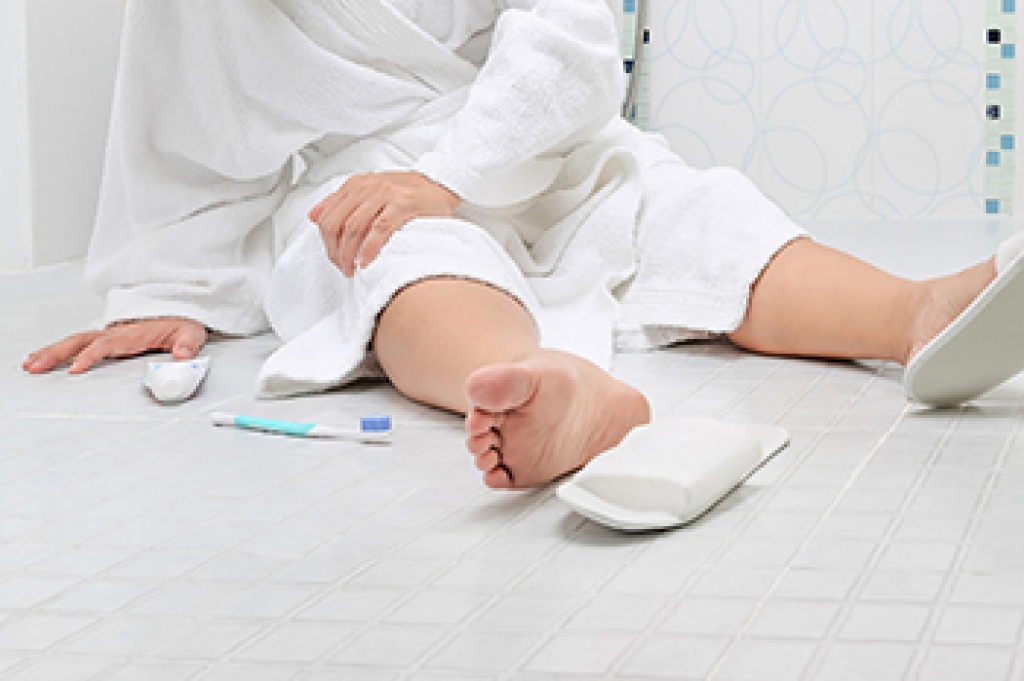
Seniors Have a Greater Propensity of Falling

The risk of falling increases with age due to declining physical health, greater mobility issues, a more sedentary lifestyle, vision problems, hazards in the home, and side effects of medications. Falling can be serious for older people and is one of the leading causes of injury, disability, or even death in this age group. Stability and balance can be issues for seniors, which makes falling a risk. Because vision declines with age and older people have more eye-related diseases, seeing and judging distances becomes harder and it is easier to fall over obstacles in their environments. Issues with poor lighting, clutter, and improper maintenance in homes are more likely in this population, which also contribute to falling. Sadly, an elderly person is also more likely to fall for no obvious reason, but this can happen from a medical condition, such as a heart issue, circulation problems, or dehydration. To minimize falling and the consequences it might have, if you are a senior, it would be wise to assess and tend to home risks, get regular physical and eye exams, wear supportive and well-fitting shoes, use walking devices as needed, and try to stay as active as possible. Including a podiatrist among the health care professionals you see for routine foot exams and treatment of any current or brewing issues can increase your confidence that your mobility and independence will continue unharmed.

Preventing falls among the elderly is very important. If you are older and have fallen or fear that you are prone to falling, consult with Renee Rodriquez, DPM from Foot Clinic of South Texas. Our doctor will assess your condition and provide you with quality advice and care.

Every 11 seconds, an elderly American is being treated in an emergency room for a fall related injury. Falls are the leading cause of head and hip injuries for those 65 and older. Due to decreases in strength, balance, senses, and lack of awareness, elderly persons are very susceptible to falling. Thankfully, there are a number of things older persons can do to prevent falls.

How to Prevent Falls

Some effective methods that older persons can do to prevent falls include:

  • Enrolling in strength and balance exercise program to increase balance and strength
  • Periodically having your sight and hearing checked
  • Discuss any medications you have with a doctor to see if it increases the risk of falling
  • Clearing the house of falling hazards and installing devices like grab bars and railings
  • Utilizing a walker or cane
  • Wearing shoes that provide good support and cushioning
  • Talking to family members about falling and increasing awareness

Falling can be a traumatic and embarrassing experience for elderly persons; this can make them less willing to leave the house, and less willing to talk to someone about their fears of falling. Doing such things, however, will increase the likelihood of tripping or losing one’s balance. Knowing the causes of falling and how to prevent them is the best way to mitigate the risk of serious injury.  

If you have any questions, please feel free to contact our office located in Brownsville, TX . We offer the newest diagnostic and treatment technologies for all your foot care needs.
Read more about Falls Prevention

Wounds That Don't Heal Need to Be Checked

Your feet are covered most of the day. If you're diabetic, periodic screening is important for good health. Numbness is often a sign of diabetic foot and can mask a sore or wound.

Simple Methods That Can Prevent Running Injuries

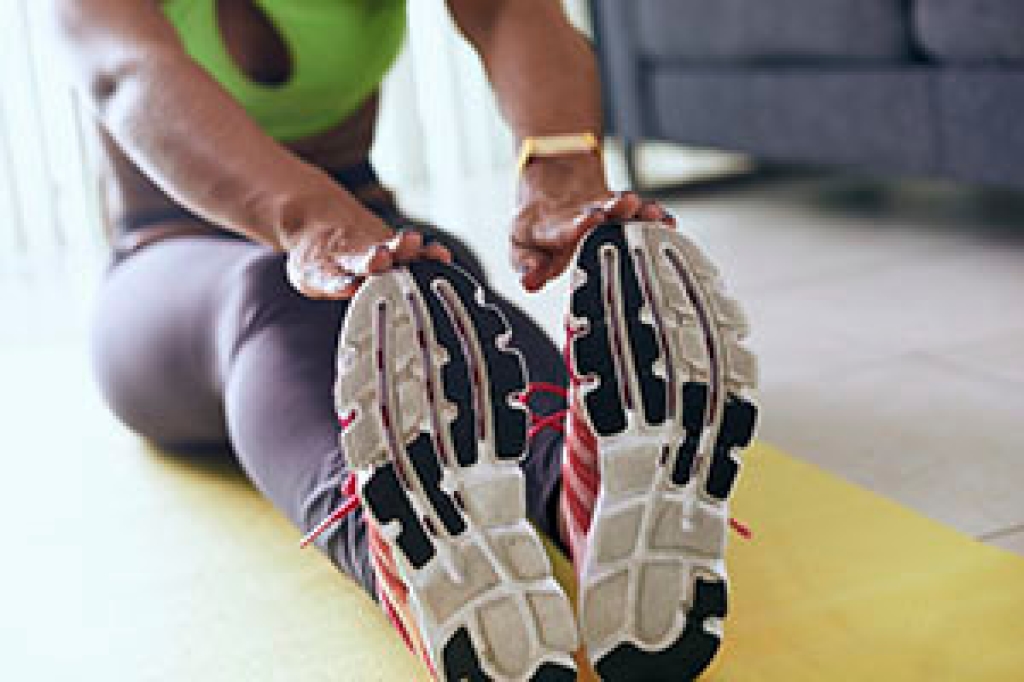
People who enjoy running and jogging are aware of how a running injury can interrupt this hobby. The importance of preventing running injuries ranks high among runners, and there are effective methods that can accomplish this. It is beneficial to stay hydrated by drinking plenty of water, which may help to prevent foot cramps. Stretching before and after running is effective in keeping the muscles limber, in addition to wearing running shoes that fit correctly. Many runners find it is better for their body to gradually change running surfaces, if desired, and to recover for an adequate amount of time. There are several types of running injuries, which may be prevented by taking care of the body. If you would like more information about how to do this, it is suggested that you consult with a podiatrist who can present you with effective tips on how to prevent running injuries.

Exercising your feet regularly with the proper foot wear is a great way to prevent injuries. If you have any concerns about your feet, contact Renee Rodriquez, DPM of Foot Clinic of South Texas. Our doctor will treat your foot and ankle needs.

How to Prevent Running Injuries

Many common running injuries are caused by overuse and overtraining. When the back of the kneecap starts wearing out and starts causing pain in your knee, this is commonly referred to as runner’s knee. Runner’s knee is a decrease in strength in your quadriceps and can occur if you’re not wearing properly fitted or supporting shoes. To prevent runner’s knee, focusing on hip strengthening is a good idea, as well as strengthening your quads to keep the kneecaps aligned.

What Are Some Causes of Running Injuries? 
- One cause of a common running injury is called iliotibial band syndrome.
- Plantar fasciitis is also another common injury.
- Stress fractures can occur from overtraining, lack of calcium, or even your running style.

Best Ways to Prevent Running Injuries
- Wear footwear that fits properly and suits your running needs.
- Running shoes are the only protective gear that runners have to safeguard them from injury.
- Make a training schedule. Adding strengthening exercises as well as regular stretching can help keep you strong and limber and can lessen the possibility of injuries.
- Stretching keeps muscles limber; this will help you gain better flexibility.

If you have any questions, please feel free to contact our office located in Brownsville, TX . We offer the newest diagnostic and treatment technologies for all your foot care needs.
Read more about How to Prevent Running Injuries

How Did I Get Gout?

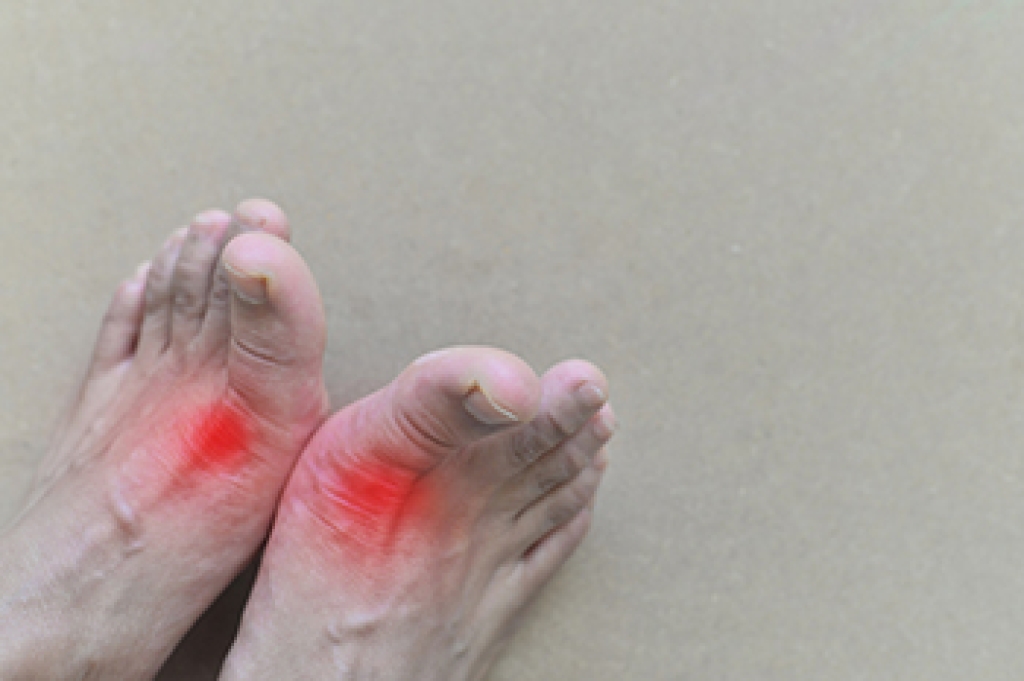
Gout is a type of arthritis and can be uncomfortable. Gout generally affects the joints in the big toe and can cause debilitating pain. Additional symptoms can consist of swelling, redness, and the affected joints can feel hot. A condition that is known as hyperuricemia is defined as having excess uric acid in the body. This may happen from genetic reasons, or from eating foods that have high levels of purines. These types of foods can include shellfish, red meat, and drinks that are made with large amounts of sugar. Gout is more prevalent among males, and it may affect women who are postmenopausal. It can also develop in people who are diabetic, have congestive heart failure, or have high blood pressure. It is helpful to implement prevention strategies that can consist of eating healthy foods, engaging in a gentle exercise routine, and drinking plenty of water daily. If you have had one or more gout attacks, it is strongly suggested that you are under the care of a podiatrist who can help you to manage it and offer additional prevention techniques.

Gout is a painful condition that can be treated. If you are seeking treatment, contact Renee Rodriquez, DPM from Foot Clinic of South Texas. Our doctor will treat your foot and ankle needs.

What Is Gout?

Gout is a form of arthritis that is characterized by sudden, severe attacks of pain, redness, and tenderness in the joints. The condition usually affects the joint at the base of the big toe. A gout attack can occur at any random time, such as the middle of the night while you are asleep.

Symptoms

  • Intense Joint Pain - Usually around the large joint of your big toe, and it most severe within the first four to twelve hours
  • Lingering Discomfort - Joint discomfort may last from a few days to a few weeks
  • Inflammation and Redness -Affected joints may become swollen, tender, warm and red
  • Limited Range of Motion - May experience a decrease in joint mobility

Risk Factors

  • Genetics - If family members have gout, you’re more likely to have it
  • Medications - Diuretic medications can raise uric acid levels
  • Gender/Age - Gout is more common in men until the age of 60. It is believed that estrogen protects women until that point
  • Diet - Eating red meat and shellfish increases your risk
  • Alcohol - Having more than two alcoholic drinks per day increases your risk
  • Obesity - Obese people are at a higher risk for gout

Prior to visiting your podiatrist to receive treatment for gout, there are a few things you should do beforehand. If you have gout you should write down your symptoms--including when they started and how often you experience them, important medical information you may have, and any questions you may have. Writing down these three things will help your podiatrist in assessing your specific situation so that he or she may provide the best route of treatment for you.

If you have any questions, please feel free to contact our office located in Brownsville, TX . We offer the newest diagnostic and treatment technologies for all your foot care needs.

Read more about Everything You Need to Know About Gout

Connect With Us

Request Appointment Patient Portal