When Children Step on Sharp Objects

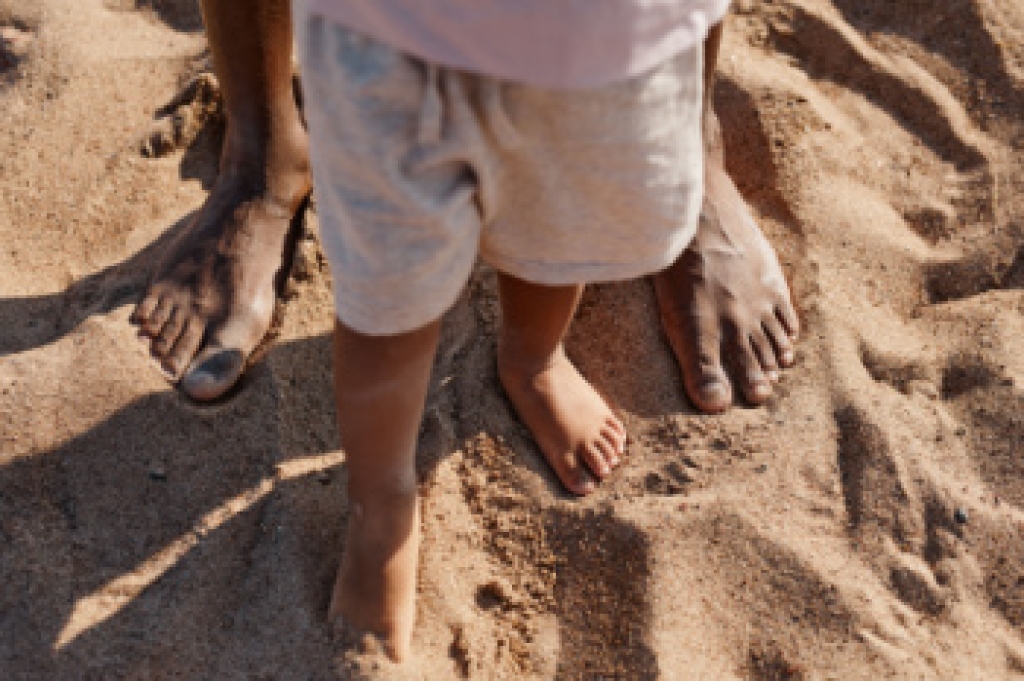
Young children often run barefoot or in thin shoes, which makes stepping on sharp objects more common than many parents expect. Whether it is a splinter, nail, or shard of glass, puncture wounds to the bottom of the foot can be more serious than they first appear. These injuries may seem small on the surface but can drive debris deep into soft tissue, increasing the risk of infection or damage to deeper structures. Early signs such as swelling, redness, or limping should not be ignored. Proper cleaning is important, but some wounds may require medical attention, especially if the object was dirty or the child is overdue for a tetanus shot. If your child has pain or difficulty walking after a puncture wound, it is suggested that you see a podiatrist as quickly as possible for a complete evaluation and care plan.

Wound care is an important part in dealing with diabetes. If you have diabetes and a foot wound or would like more information about wound care for diabetics, consult with Renee Rodriquez, DPM from Foot Clinic of South Texas. Our doctor will assess your condition and provide you with quality foot and ankle treatment.

What Is Wound Care?

Wound care is the practice of taking proper care of a wound. This can range from the smallest to the largest of wounds. While everyone can benefit from proper wound care, it is much more important for diabetics. Diabetics often suffer from poor blood circulation which causes wounds to heal much slower than they would in a non-diabetic. 

What Is the Importance of Wound Care?

While it may not seem apparent with small ulcers on the foot, for diabetics, any size ulcer can become infected. Diabetics often also suffer from neuropathy, or nerve loss. This means they might not even feel when they have an ulcer on their foot. If the wound becomes severely infected, amputation may be necessary. Therefore, it is of the upmost importance to properly care for any and all foot wounds.

How to Care for Wounds

The best way to care for foot wounds is to prevent them. For diabetics, this means daily inspections of the feet for any signs of abnormalities or ulcers. It is also recommended to see a podiatrist several times a year for a foot inspection. If you do have an ulcer, run the wound under water to clear dirt from the wound; then apply antibiotic ointment to the wound and cover with a bandage. Bandages should be changed daily and keeping pressure off the wound is smart. It is advised to see a podiatrist, who can keep an eye on it.

If you have any questions please contact our office located in Brownsville, TX . We offer the newest diagnostic and treatment technologies for all your foot and ankle needs.

Read more about Wound Care

Reminder: When Was the Last Time...?

Custom orthotics, or shoe inserts, should be periodically replaced. Orthotics must fit properly to give you the best results. Protect your feet and ankles!

Foot and Ankle Pain Caused by Running

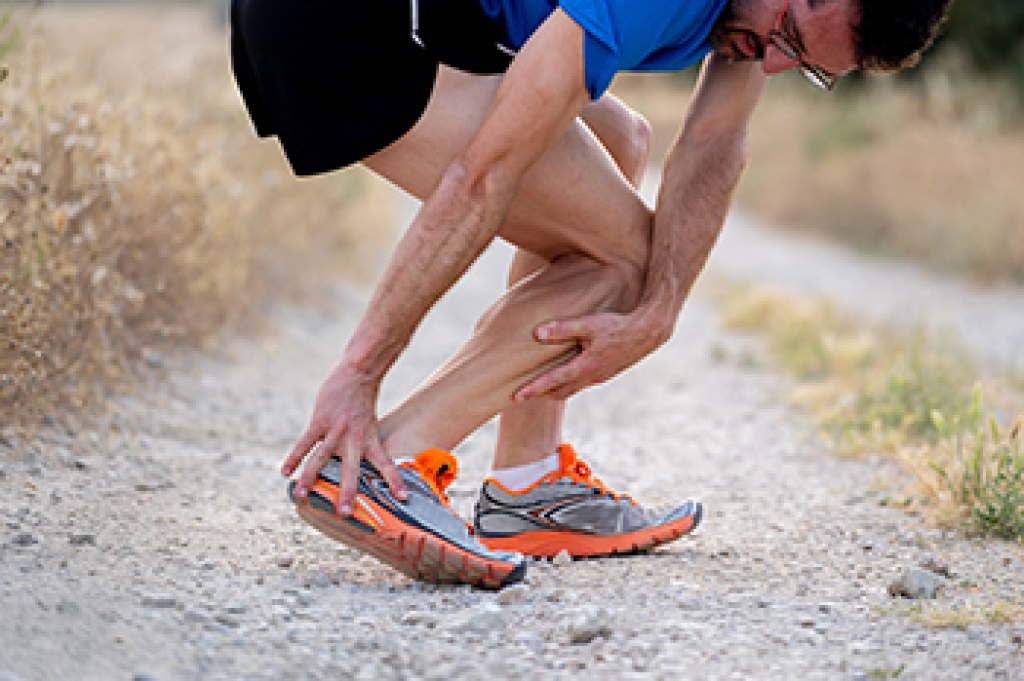
Foot and ankle pain from running is a frequent problem, often caused by repeated stress and small imbalances in how the feet move. Runners put a lot of pressure on their feet with every step, which can lead to soreness. This is especially true if they increase distance too quickly, wear worn-out shoes, or return to running too soon after an injury. Common running injuries include stretched or torn ligaments from twisting an ankle, pain on the inner or outer sides of the ankle from overworked tendons, or aching at the back of the heel where the foot connects to the leg. Some runners feel sharp pain in the arch or bottom of the foot, while others may feel burning or tingling from pressure on nerves. A podiatrist can check how your foot moves, look for signs of overuse, and recommend proper treatment. If you are experiencing pain after running, it is suggested that you schedule an appointment with a podiatrist for a diagnosis and appropriate treatment.

All runners should take extra precaution when trying to avoid injury. If you have any concerns about your feet, contact Renee Rodriquez, DPM of Foot Clinic of South Texas. Our doctor will treat your foot and ankle needs.

How to Prevent Running Injuries

There are a lot of mistakes a runner can make prior to a workout that can induce injury. A lot of athletes tend to overstretch before running, instead of saving those workouts for a post-run routine. Deep lunges and hand-to-toe hamstring pulls should be performed after a workout instead of during a warmup. Another common mistake is jumping into an intense routine before your body is physically prepared for it. You should try to ease your way into long-distance running instead of forcing yourself to rush into it.

More Tips for Preventing Injury

  • Incorporate Strength Training into Workouts - This will help improve the body’s overall athleticism
  • Improve and Maintain Your Flexibility – Stretching everyday will help improve overall performance
  • “Warm Up” Before Running and “Cool Down” Afterward – A warm up of 5-10 minutes helps get rid of lactic acid in the muscles and prevents delayed muscle soreness
  • Cross-Training is Crucial
  • Wear Proper Running Shoes
  • Have a Formal Gait Analysis – Poor biomechanics can easily cause injury

If you have any questions, please feel free to contact our office located in Brownsville, TX . We offer the newest diagnostic and treatment technologies for all your foot care needs.

Read more about Preventing Running Injuries

Swollen Feet and the Role of Edema

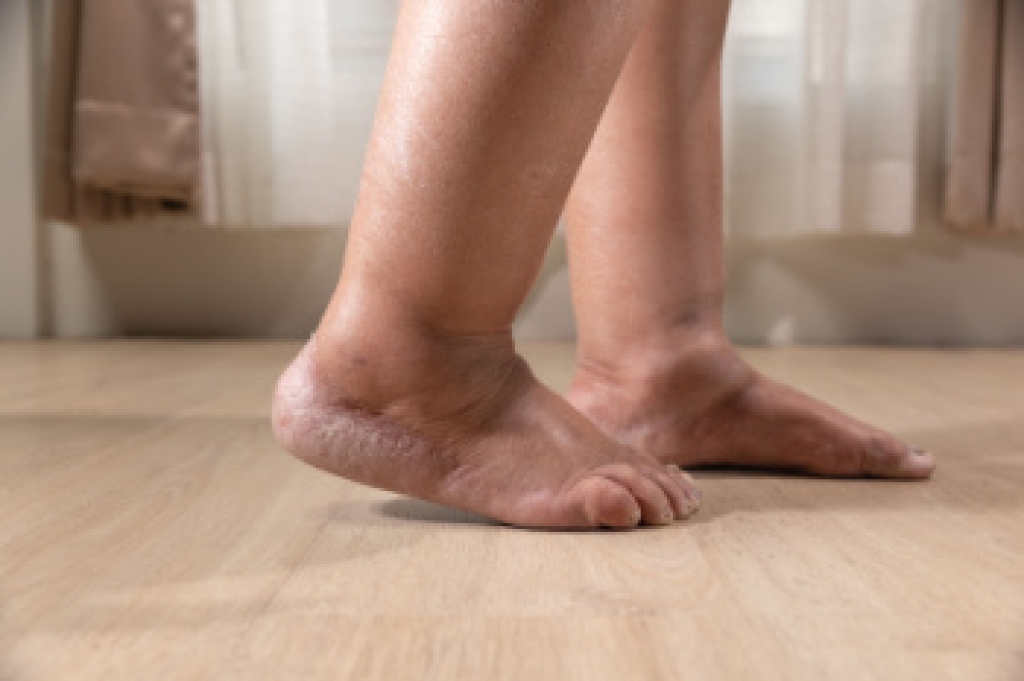
Swollen feet are a common concern and can result from a variety of underlying causes. One frequent cause is edema, which is the accumulation of fluid in the tissues. This may occur due to prolonged standing or sitting, particularly in warm weather or during travel. Medical conditions such as heart, kidney, or liver disease can also contribute to fluid retention. Injury, infection, or inflammation in the feet or ankles may lead to localized swelling. Certain medications, including those for blood pressure or diabetes, may have side effects that include swelling. Pregnancy can also cause fluid buildup due to hormonal changes and increased pressure on the veins. Identifying the cause of swelling is important for effective treatment. Swollen feet can be uncomfortable, and may signify health issues. If you have this condition, it is suggested that you contact a podiatrist who can determine if it is from an underlying health issue, and offer effective treatment solutions.

Swollen feet can be a sign of an underlying condition. If you have any concerns, contact Renee Rodriquez, DPM of Foot Clinic of South Texas. Our doctor can provide the care you need to keep you pain-free and on your feet.

Swollen feet are a common ailment among pregnant women and people who stand or sit for extended periods. Aging may increase the possibility of swollen feet and patients who are obese often notice when their feet are swelling too. There may be medical reasons why swollen feet occur:

  • Phlebitis - A condition that causes the veins to become inflamed and can also cause leg pain.
  • Liver disease - This may lead to low blood levels of albumin which is a protein. This can cause fluid in the blood to pass into the tissues and several areas of the body can become swollen.
  • Heart failure - When the heart doesn’t pump properly the blood that is normally pumped back to the heart can pool in the veins of the legs causing swollen feet.
  • Kidney disease - One of the main functions of the kidneys is releasing excess fluid in the body. This type of condition can make it difficult for the kidneys to function properly, and as a result the feet may become swollen.
  • Deep-vein thrombosis (DVT)- This is a serious condition where blood clots form in the veins of the legs. They can block the return of blood from the legs to the heart which may cause the feet to swell. It is important to be treated by a podiatrist if this condition is present.

Swollen feet can also be caused by bone and tendon conditions, including fractures, arthritis, and tendinitis. Additionally, there may be skin and toenail conditions and an infection may cause the feet to swell. Patients who take medicine to treat high blood pressure may be prone to getting swollen feet. 

Many patients elevate their feet to help relieve the swelling and this is generally a temporary remedy. When a podiatrist is consulted the reason behind the swelling can be uncovered and subsequently treated.

If you have any questions please contact our office located in Brownsville, TX . We offer the newest diagnostic and treatment technologies for all your foot and ankle needs.
Read more about Swelling of the Feet

Ways Running Can Lead to Foot Pain

Running places repeated stress on the foot, often causing pain in the hindfoot, midfoot, or forefoot. Each section plays a vital role in absorbing shock and propelling the body forward. Foot pain from running may arise from overuse, improper footwear, or biomechanical imbalances. Hindfoot discomfort often involves the heel or Achilles tendon, while midfoot pain can result from stress to the arch or ligaments. Forefoot pain is commonly linked to conditions like metatarsalgia or neuromas. Sprains and fractures may also occur from repetitive impact or uneven terrain. Sports injuries are common, especially when training is intense or form is poor. If you like to run and are experiencing foot pain, it is suggested that you contact a podiatrist who can offer appropriate treatment solutions that can get you back to enjoying this sport.

Ankle and foot injuries are common among athletes and in many sports. They can be caused by several problems and may be potentially serious. If you are feeling pain or think you were injured in a sporting event or when exercising, consult with Renee Rodriquez, DPM from Foot Clinic of South Texas. Our doctor will assess your condition and provide you with quality foot and ankle treatment.

Common Injuries

The most common injuries that occur in sporting activities include:

  • Achilles Tendonitis
  • Achilles Tendon Rupture
  • Ankle Sprains
  • Broken Foot
  • Plantar Fasciitis
  • Stress Fractures
  • Turf Toe

Symptoms

Symptoms vary depending upon the injury and in some cases, there may be no symptoms at all. However, in most cases, some form of symptom is experienced. Pain, aching, burning, bruising, tenderness, tightness or stiffness, sensation loss, difficulty moving, and swelling are the most common symptoms.

Treatment

Just as symptoms vary depending upon the injury, so do treatment options. A common treatment method is known as the RICE method. This method involves rest, applying ice, compression and elevating the afflicted foot or ankle. If the injury appears to be more serious, surgery might be required, such as arthroscopic or reconstructive surgery. Lastly, rehabilitation or therapy might be needed to gain full functionality in the afflicted area. Any discomfort experienced by an athlete must be evaluated by a licensed, reputable medical professional.  

If you have any questions please contact our office located in Brownsville, TX . We offer the newest diagnostic and treatment technologies for all your foot and ankle needs.

Read more about Sports Related Foot and Ankle Injuries

Connect With Us

Request Appointment Patient Portal