Symptoms and Treatment of Bunions

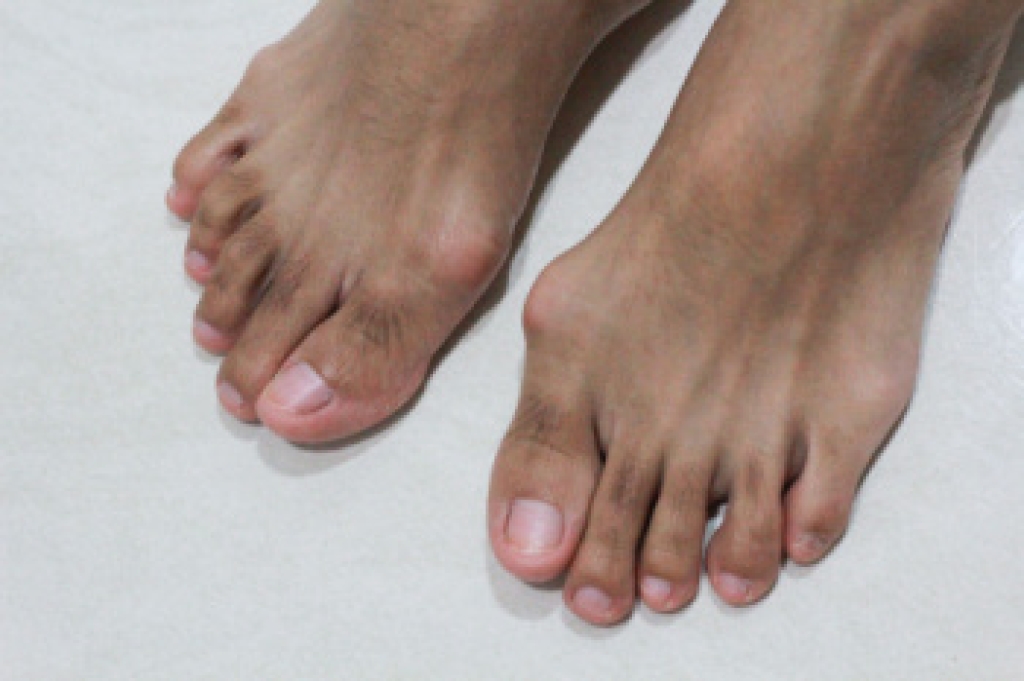
Bunions, medically referred to as hallux valgus, occur when the joint at the base of the big toe begins to protrude, often causing discomfort or difficulty in wearing shoes. A bunion develops as the tip of the big toe leans toward the other toes, leading to a wider foot structure. Symptoms of bunions include pain in the affected joint, swelling, redness, or numbness in the toes. In severe cases, bunions may limit mobility or contribute to other deformities like hammertoes. Risk factors include genetic predisposition, rheumatoid arthritis, or structural issues like flat feet. Wearing improper footwear, such as high heels or narrow shoes, can worsen the problem. A podiatrist can diagnose and manage bunions by evaluating the foot's alignment and identifying the severity of the condition. This foot doctor may recommend custom orthotics, adjustments to footwear, or, in persistent cases, surgery to correct the deformity and alleviate symptoms. If you have problems with bunions, it is suggested that you schedule an appointment with a podiatrist for a diagnosis and treatment options.

If you are suffering from bunions, contact Renee Rodriquez, DPM of Foot Clinic of South Texas. Our doctor can provide the care you need to keep you pain-free and on your feet.

What Is a Bunion?

A bunion is formed of swollen tissue or an enlargement of boney growth, usually located at the base joint of the toe that connects to the foot. The swelling occurs due to the bones in the big toe shifting inward, which impacts the other toes of the foot. This causes the area around the base of the big toe to become inflamed and painful.

Why Do Bunions Form?

Genetics – Susceptibility to bunions are often hereditary

Stress on the feet – Poorly fitted and uncomfortable footwear that places stress on feet, such as heels, can worsen existing bunions

How Are Bunions Diagnosed?

Podiatrists often perform two tests – blood tests and x-rays – when trying to diagnose bunions, especially in the early stages of development. Blood tests help determine if the foot pain is being caused by something else, such as arthritis, while x-rays provide a clear picture of your bone structure to your provider.

How Are Bunions Treated?

  • Refrain from wearing heels or similar shoes that cause discomfort
  • Select wider shoes that can provide more comfort and reduce pain
  • Anti-inflammatory and pain management drugs
  • Orthotics or foot inserts
  • Surgery

If you have any questions, please feel free to contact our office located in Brownsville, TX . We offer the newest diagnostic and treatment technologies for all your foot care needs.


Read more about Bunions

Wounds That Don't Heal Need to Be Checked

Your feet are covered most of the day. If you're diabetic, periodic screening is important for good health. Numbness is often a sign of diabetic foot and can mask a sore or wound.

Pickleball and Foot and Ankle Injuries

Pickleball, a paddle sport blending elements of tennis, badminton, and ping-pong is enjoyed by players of all ages. Its quirky name is said to have originated from a founder's dog or a rowing term referring to mixed teams. While the game offers excellent physical activity and sharpens mental focus, picklers must prioritize injury prevention. The fast-paced movements and quick turns in pickleball put stress on the ankles and lower legs, increasing the risk of sprains, strains, and overuse injuries. Without proper preparation, even experienced players can face setbacks. Warmup routines, such as calf stretches, ankle rolls, and light cardio, are important to loosen muscles and improve flexibility. If foot or ankle pain arises after play, it is suggested that you consult a podiatrist who can ensure you stay active and injury-free for future matches.

Sports related foot and ankle injuries require proper treatment before players can go back to their regular routines. For more information, contact Renee Rodriquez, DPM of Foot Clinic of South Texas. Our doctor can provide the care you need to keep you pain-free and on your feet.

Sports Related Foot and Ankle Injuries

Foot and ankle injuries are a common occurrence when it comes to athletes of any sport. While many athletes dismiss the initial aches and pains, the truth is that ignoring potential foot and ankle injuries can lead to serious problems. As athletes continue to place pressure and strain the area further, a mild injury can turn into something as serious as a rupture and may lead to a permanent disability. There are many factors that contribute to sports related foot and ankle injuries, which include failure to warm up properly, not providing support or wearing bad footwear. Common injuries and conditions athletes face, including:

  • Plantar Fasciitis
  • Achilles Tendinitis
  • Achilles Tendon Rupture
  • Ankle Sprains

Sports related injuries are commonly treated using the RICE method. This includes rest, applying ice to the injured area, compression and elevating the ankle. More serious sprains and injuries may require surgery, which could include arthroscopic and reconstructive surgery. Rehabilitation and therapy may also be required in order to get any recovering athlete to become fully functional again. Any unusual aches and pains an athlete sustains must be evaluated by a licensed, reputable medical professional.

If you have any questions please contact our office located in Brownsville, TX . We offer the newest diagnostic and treatment technologies for all your foot and ankle needs.

Read more about Sports Related Foot And Ankle Injuries

Managing a Toe Infection

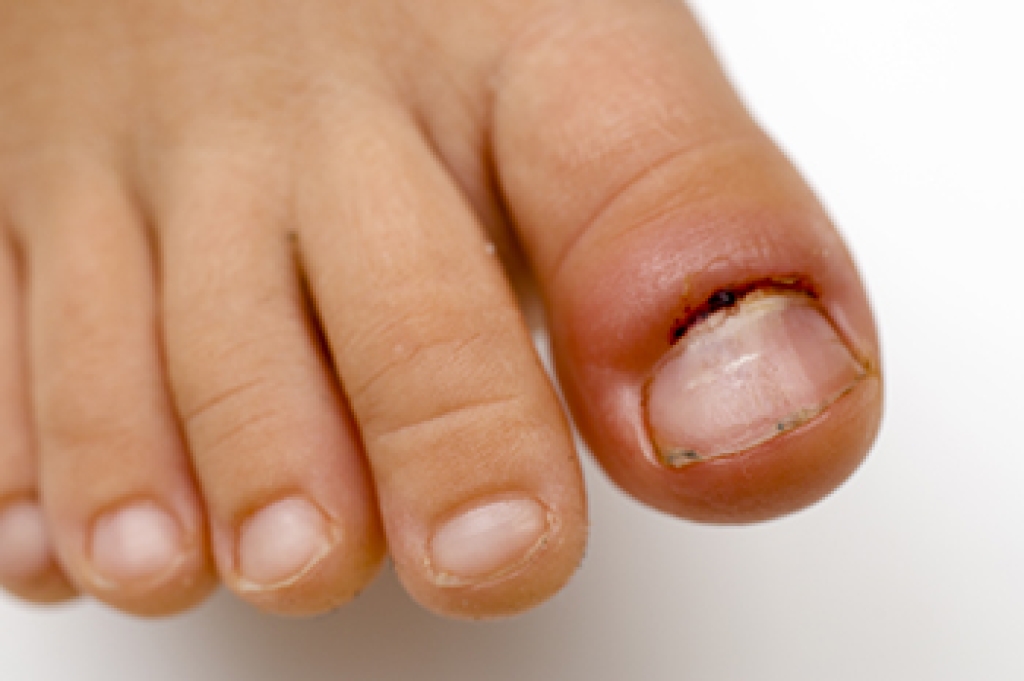
Toe infections can cause significant discomfort, especially for those who are on their feet regularly. Common symptoms of a toe infection include redness, swelling, pain, and oozing, sometimes accompanied by a foul odor or warmth surrounding the affected area. Toe infections may result from ingrown toenails, fungal conditions, injuries, or poor hygiene. For people with diabetes, even a minor toe infection can quickly become a serious issue, due to reduced blood flow and nerve damage, and can potentially lead to severe complications if left untreated. Wearing tight shoes, improperly trimmed toenails, or exposure to bacteria and fungus in damp environments are common triggers of toe infections. A podiatrist can diagnose the underlying cause of a toe infection and provide targeted treatment, such as prescribing antifungal or antibacterial medications, or performing procedures like partial nail removal for severe ingrown nails. If you have a toe infection, it is suggested that you promptly schedule an appointment with a podiatrist for an exam and treatment.

Toe pain can disrupt your daily activities. If you have any concerns, contact Renee Rodriquez, DPM of Foot Clinic of South Texas. Our doctor can provide the care you need to keep you pain-free and on your feet.

What Causes Toe Pain?

Most severe toe pain is caused due to a sports injury, trauma from dropping something heavy on the toe, or bumping into something rigid. Other problems can develop over time for various reasons.

Toe pain can be caused by one or more ailments. The most common include:

  • Trauma
  • Sports injury
  • Wearing shoes that are too tight
  • Arthritis
  • Gout
  • Corns and calluses
  • Hammertoe
  • Bunions
  • Blisters
  • Ingrown toenails
  • Sprains
  • Fractures (broken bones)
  • Dislocations

When to See a Podiatrist

  • Severe pain
  • Persistent pain that lasts more than a week
  • Signs of infection
  • Continued swelling
  • Pain that prevents walking

Diagnosis

In many cases the cause of toe pain is obvious, but in others, a podiatrist may want to use more advanced methods to determine the problem. These can range from simple visual inspections and sensation tests to X-rays and MRI scans. Prior medical history, family medical history, and any recent physical traumatic events will all be taken into consideration for a proper diagnosis.

Treatment

Treatments for toe pain and injuries vary and may include shoe inserts, padding, taping, medicines, injections, and in some cases, surgery. If you believe that you have broken a toe, please see a podiatrist as soon as possible.

If you have any questions please contact our office located in Brownsville, TX . We offer the newest diagnostic and treatment technologies for all your foot and ankle needs.

Read more about Toe Pain

Non-Injury Causes of Foot Pain

Foot pain can arise from a variety of non-injury causes unrelated to exercise or repetitive stress. Skin issues like calluses, corns, or warts can create discomfort, particularly when they develop on weight-bearing areas of the feet. Conditions like athlete’s foot or contact dermatitis may cause itching, redness, and peeling skin. Joint-related problems, such as bunions, hammertoes, or arthritis, can lead to pain, swelling, and limited mobility. Nerve-related conditions, including Morton's neuroma or tarsal tunnel syndrome, often cause burning, numbness, or tingling sensations in the toes or feet. Circulation problems, such as those associated with diabetes or peripheral arterial disease, can result in nerve damage and lead to numbness, burning, or a lack of sensation in the feet. Age-related changes, including thickened nails or foot spreading, can also contribute to discomfort. A podiatrist is well-equipped to evaluate and manage these non-injury foot pain conditions through diagnostic techniques and personalized treatment options. If you are experiencing foot pain, it is suggested that you schedule an appointment with a podiatrist for a diagnosis and treatment options.

Foot Pain

Foot pain can be extremely painful and debilitating. If you have a foot pain, consult with Renee Rodriquez, DPM from Foot Clinic of South Texas. Our doctor will assess your condition and provide you with quality foot and ankle treatment.

Causes

Foot pain is a very broad condition that could be caused by one or more ailments. The most common include:

  • Bunions
  • Hammertoes
  • Plantar Fasciitis
  • Bone Spurs
  • Corns
  • Tarsal Tunnel Syndrome
  • Ingrown Toenails
  • Arthritis (such as Gout, Rheumatoid, and Osteoarthritis)
  • Flat Feet
  • Injury (from stress fractures, broken toe, foot, ankle, Achilles tendon ruptures, and sprains)
  • And more

Diagnosis

To figure out the cause of foot pain, podiatrists utilize several different methods. This can range from simple visual inspections and sensation tests to X-rays and MRI scans. Prior medical history, family medical history, and any recent physical traumatic events will all be taken into consideration for a proper diagnosis.

Treatment

Treatment depends upon the cause of the foot pain. Whether it is resting, staying off the foot, or having surgery; podiatrists have a number of treatment options available for foot pain.

If you have any questions, please feel free to contact our office located in Brownsville, TX . We offer the newest diagnostic and treatment technologies for all your foot care needs.
Read more about Foot Pain

Connect With Us

Request Appointment Patient Portal