
Heel Pain May Be a Symptom of Plantar Fasciitis

Heel pain is a common foot condition that is felt by many patients. People experience plantar fasciitis at some point in their lives, which can cause severe pain and discomfort. It can happen when the plantar fascia becomes inflamed, which is the band of tissue that is found on the sole of the foot. It connects the heel to the toes and can become irritated or torn for various reasons. These can include standing on hard surfaces for most of the day, or wearing shoes that do not have adequate heel support. Additionally, people who frequently run may have heel pain that may be a symptom of plantar fasciitis. Mild relief may come from performing specific calf stretches that can ease heel pain. Elevating the feet may bring temporary relief, and it is suggested to refrain from running and walking long distances. Plantar fasciitis is a foot condition that is treated by a podiatrist. If you suffer from heel pain, it is suggested that you contact this type of physician who can determine what the cause is, and offer effective treatment remedies.

Many people suffer from bouts of heel pain. For more information, contact Renee Rodriquez, DPM of Foot Clinic of South Texas. Our doctor can provide the care you need to keep you pain-free and on your feet.

Causes of Heel Pain

Heel pain is often associated with plantar fasciitis. The plantar fascia is a band of tissues that extends along the bottom of the foot. A rip or tear in this ligament can cause inflammation of the tissue.

Achilles tendonitis is another cause of heel pain. Inflammation of the Achilles tendon will cause pain from fractures and muscle tearing. Lack of flexibility is also another symptom.

Heel spurs are another cause of pain. When the tissues of the plantar fascia undergo a great deal of stress, it can lead to ligament separation from the heel bone, causing heel spurs.

Why Might Heel Pain Occur?

  • Wearing ill-fitting shoes                
  • Wearing non-supportive shoes
  • Weight change           
  • Excessive running

Treatments

Heel pain should be treated as soon as possible for immediate results. Keeping your feet in a stress-free environment will help. If you suffer from Achilles tendonitis or plantar fasciitis, applying ice will reduce the swelling. Stretching before an exercise like running will help the muscles. Using all these tips will help make heel pain a condition of the past.

If you have any questions, please feel free to contact our office located in Brownsville, TX . We offer the newest diagnostic and treatment technologies for all your foot care needs.
Read more about Heel Pain

Reasons for Corns

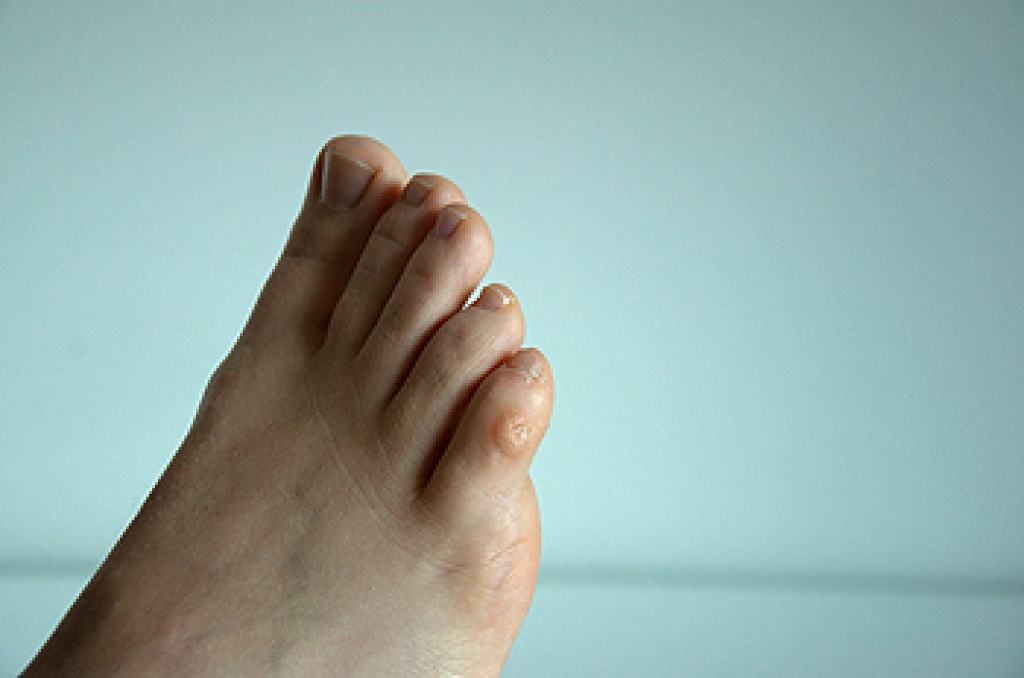
A corn that develops on the foot can produce severe pain and discomfort. It happens as a result of excessive pressure that is put on a specific part of the foot from the worn shoes. The places where corns can develop are on the side of the pinky toe, the soles of the feet, or on top of the toes. Many people choose to wear shoes that are too tight because of workplace policies or for appearance reasons, and this may be why corns can develop. Patients who have corns that are not treated or removed may notice their gait or walking style is compromised, which is a defense mechanism against the pain. Mild relief may be found when the foot is soaked in warm water, and a pumice stone is used which may reduce the size of the corn. This is generally a temporary fix and the corn may reappear if not treated permanently. If you are afflicted with a corn, it is strongly suggested that you speak to a podiatrist who can offer you several treatment options.

If you have any concerns regarding your feet and ankles, contact Renee Rodriquez, DPM of Foot Clinic of South Texas. Our doctor will treat your foot and ankle needs.

Corns: What Are They? and How Do You Get Rid of Them?
Corns can be described as areas of the skin that have thickened to the point of becoming painful or irritating. They are often layers and layers of the skin that have become dry and rough, and are normally smaller than calluses.

Ways to Prevent Corns
There are many ways to get rid of painful corns such as wearing:

  • Well-fitting socks
  • Comfortable shoes that are not tight around your foot
  • Shoes that offer support

Treating Corns
Treatment of corns involves removing the dead skin that has built up in the specific area of the foot. Consult with Our doctor to determine the best treatment option for your case of corns.

If you have any questions, please feel free to contact our office located in Brownsville, TX . We offer the newest diagnostic and treatment technologies for all your foot care needs.

Read more about Corns: What Are They, and How Do You Get Rid of Them

Swollen Feet and Sitting

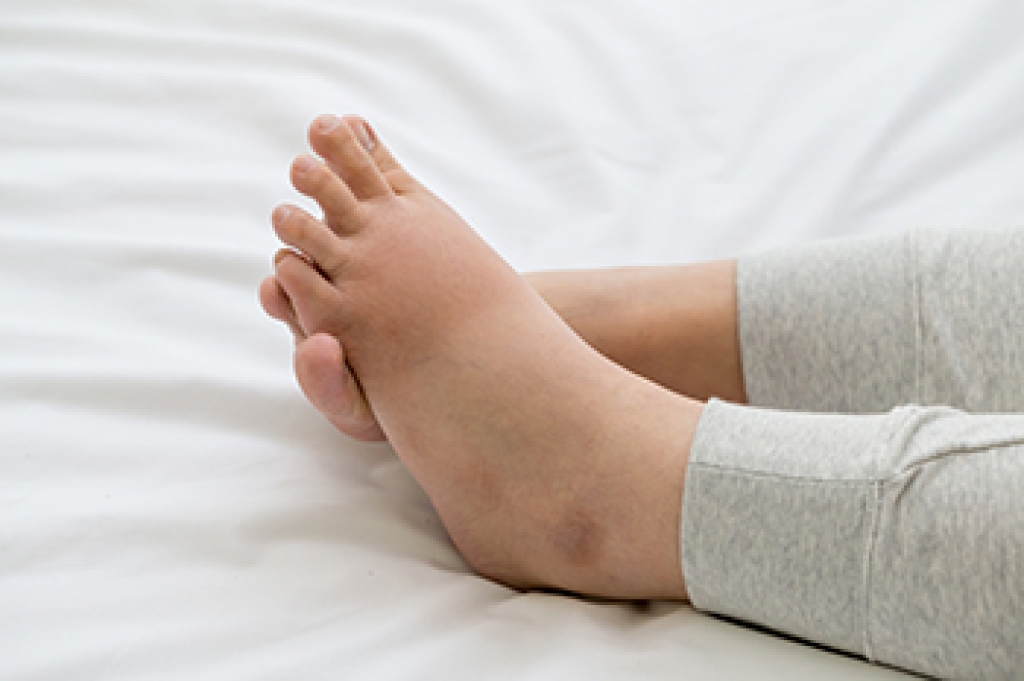
The feet are resilient, yet delicate, parts of the human body. Without properly caring for them, we may be making our feet susceptible to a number of potentially harmful or uncomfortable foot afflictions. Swelling of the feet is one such affliction of the foot. When the feet swell, an individual might feel discomfort as the feet increase in size due to possible accumulation of fluids. One often overlooked cause of swollen feet is sitting for long durations of time. If you are the kind of person that, due to your job or lifestyle restrictions, must spend extended periods of time sitting down, there are steps you might take to mitigate foot swelling. For example, you might try to take breaks to move about while you are sitting or to perform leg extensions or knee lifts while sitting to facilitate blood circulation. For more information about swollen feet and sitting, contact a podiatrist today.

Swollen feet can be a sign of an underlying condition. If you have any concerns, contact Renee Rodriquez, DPM of Foot Clinic of South Texas. Our doctor can provide the care you need to keep you pain-free and on your feet.

Swollen feet are a common ailment among pregnant women and people who stand or sit for extended periods. Aging may increase the possibility of swollen feet and patients who are obese often notice when their feet are swelling too. There may be medical reasons why swollen feet occur:

  • Phlebitis - A condition that causes the veins to become inflamed and can also cause leg pain.
  • Liver disease - This may lead to low blood levels of albumin which is a protein. This can cause fluid in the blood to pass into the tissues and several areas of the body can become swollen.
  • Heart failure - When the heart doesn’t pump properly the blood that is normally pumped back to the heart can pool in the veins of the legs causing swollen feet.
  • Kidney disease - One of the main functions of the kidneys is releasing excess fluid in the body. This type of condition can make it difficult for the kidneys to function properly, and as a result the feet may become swollen.
  • Deep-vein thrombosis (DVT)- This is a serious condition where blood clots form in the veins of the legs. They can block the return of blood from the legs to the heart which may cause the feet to swell. It is important to be treated by a podiatrist if this condition is present.

Swollen feet can also be caused by bone and tendon conditions, including fractures, arthritis, and tendinitis. Additionally, there may be skin and toenail conditions and an infection may cause the feet to swell. Patients who take medicine to treat high blood pressure may be prone to getting swollen feet. 

Many patients elevate their feet to help relieve the swelling and this is generally a temporary remedy. When a podiatrist is consulted the reason behind the swelling can be uncovered and subsequently treated.

If you have any questions please contact our office located in Brownsville, TX . We offer the newest diagnostic and treatment technologies for all your foot and ankle needs.

Read more about Swelling of the Feet

​​Stretch to Relieve Achilles Tendon Pain

The Achilles tendon is the strongest tendon in the body and connects the back of the heel to the calf muscle. It is partially responsible for lifting the heel when walking, running, and jumping. Injuring the Achilles tendon can make walking or exercising painful. Achilles tendonitis or an Achilles tendon rupture are the most common injuries involving this tendon. Such injuries can cause swelling, tenderness, and tightness in the area, particularly upon waking in the morning. One might limp after sustaining such an injury. These injuries may happen from overuse, forgetting to warm up before exercise, or wearing ill-fitting, non-supportive footwear. Resting and stretching are important for recovery. A daily runner’s stretch or a calf stretch targets the Achilles tendon and will help to promote healing. For this stretch, one puts their hands against a wall and lunges forward, with the leg with the sore Achilles tendon behind them. As much pressure as possible should be used for a nice stretch, making sure to avoid pain. This stretch should be held for 30 seconds and repeated three times. If you sustain an injury to your Achilles tendon, visit a podiatrist who can evaluate the injury and provide effective treatment, including recommendations for additional targeted stretching exercises.

Achilles tendon injuries need immediate attention to avoid future complications. If you have any concerns, contact Renee Rodriquez, DPM of Foot Clinic of South Texas. Our doctor can provide the care you need to keep you pain-free and on your feet.

What Is the Achilles Tendon?

The Achilles tendon is a tendon that connects the lower leg muscles and calf to the heel of the foot. It is the strongest tendon in the human body and is essential for making movement possible. Because this tendon is such an integral part of the body, any injuries to it can create immense difficulties and should immediately be presented to a doctor.

What Are the Symptoms of an Achilles Tendon Injury?

There are various types of injuries that can affect the Achilles tendon. The two most common injuries are Achilles tendinitis and ruptures of the tendon.

Achilles Tendinitis Symptoms

  • Inflammation
  • Dull to severe pain
  • Increased blood flow to the tendon
  • Thickening of the tendon

Rupture Symptoms

  • Extreme pain and swelling in the foot
  • Total immobility

Treatment and Prevention

Achilles tendon injuries are diagnosed by a thorough physical evaluation, which can include an MRI. Treatment involves rest, physical therapy, and in some cases, surgery. However, various preventative measures can be taken to avoid these injuries, such as:

  • Thorough stretching of the tendon before and after exercise
  • Strengthening exercises like calf raises, squats, leg curls, leg extensions, leg raises, lunges, and leg presses

If you have any questions please feel free to contact our office located in Brownsville, TX . We offer the newest diagnostic tools and technology to treat your foot and ankle needs.

Read more about Achilles Tendon Injuries

Plantar Warts Can Be Treated!

Plantar warts are small growths that develop on parts of the feet that bear weight. They're typically found on the bottom of the foot. Don't live with plantar warts, and call us today!

Connect With Us

Request Appointment Patient Portal