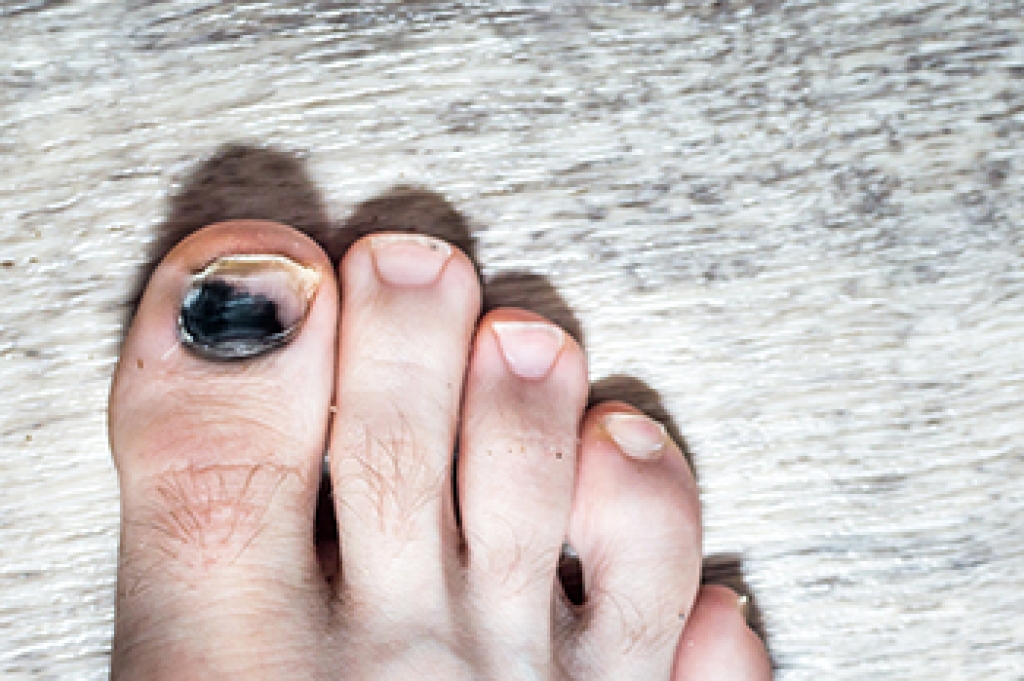
Causes and Prevention of Black Toenails

A black toenail occurs when the nail becomes discolored, often appearing dark or bruised. This condition is usually caused by repeated trauma, such as from wearing tight shoes or excessive running, which leads to bleeding under the nail. Fungal infections, underlying health conditions, or injuries from dropping a heavy object on the toe can also contribute to nail discoloration. In some cases, a black toenail may indicate a more serious medical concern. Preventing black toenails involves wearing properly fitted shoes with adequate toe space, keeping nails trimmed, and maintaining good foot hygiene. Reducing repetitive stress on the toes and seeking prompt treatment for any infections or injuries can also help. If discoloration persists or is accompanied by pain and swelling, it is suggested that you consult a podiatrist who can offer effective relief tips, in addition to ruling out any serious conditions.

Toe pain can disrupt your daily activities. If you have any concerns, contact Renee Rodriquez, DPM of Foot Clinic of South Texas. Our doctor can provide the care you need to keep you pain-free and on your feet.

What Causes Toe Pain?

Most severe toe pain is caused due to a sports injury, trauma from dropping something heavy on the toe, or bumping into something rigid. Other problems can develop over time for various reasons.

Toe pain can be caused by one or more ailments. The most common include:

  • Trauma
  • Sports injury
  • Wearing shoes that are too tight
  • Arthritis
  • Gout
  • Corns and calluses
  • Hammertoe
  • Bunions
  • Blisters
  • Ingrown toenails
  • Sprains
  • Fractures (broken bones)
  • Dislocations

When to See a Podiatrist

  • Severe pain
  • Persistent pain that lasts more than a week
  • Signs of infection
  • Continued swelling
  • Pain that prevents walking

Diagnosis

In many cases the cause of toe pain is obvious, but in others, a podiatrist may want to use more advanced methods to determine the problem. These can range from simple visual inspections and sensation tests to X-rays and MRI scans. Prior medical history, family medical history, and any recent physical traumatic events will all be taken into consideration for a proper diagnosis.

Treatment

Treatments for toe pain and injuries vary and may include shoe inserts, padding, taping, medicines, injections, and in some cases, surgery. If you believe that you have broken a toe, please see a podiatrist as soon as possible.

If you have any questions please contact our office located in Brownsville, TX . We offer the newest diagnostic and treatment technologies for all your foot and ankle needs.

Read more about Toe Pain

It's Time for Beautiful Feet

You don't need an excuse to have beautiful nails. Step outside without worrying about the appearance of your feet.

Trail Running Shoes for Optimal Performance

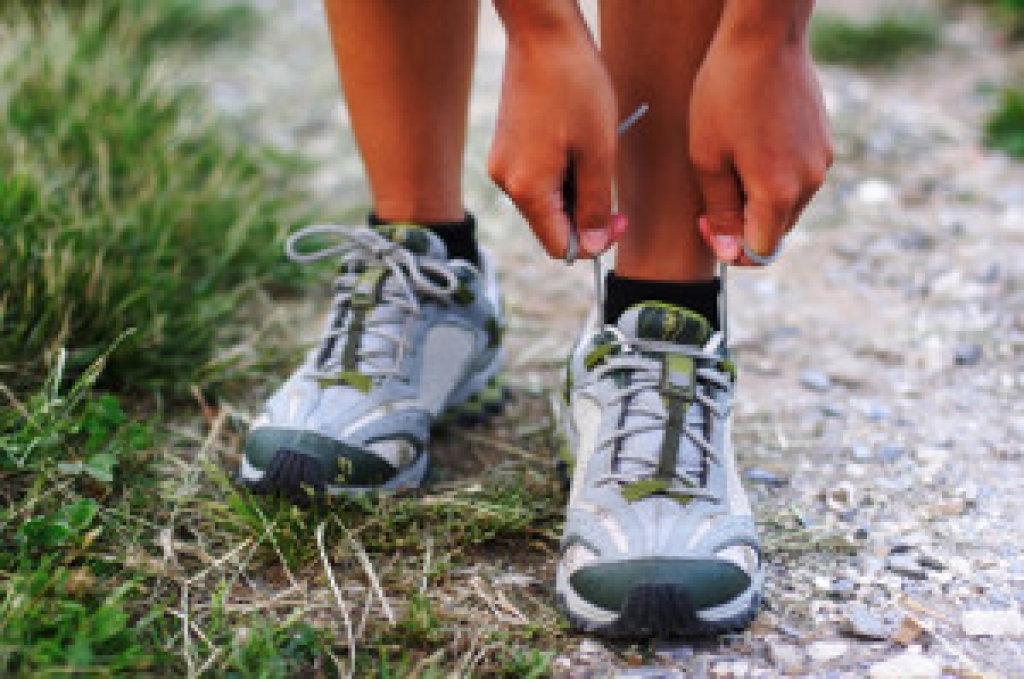
Trail running shoes are designed for off-road running, offering essential features to enhance performance and comfort. One key feature is waterproofing, which helps keep feet dry in wet conditions, preventing discomfort and blisters during rainy runs or when crossing streams. For runners with wider feet, wide-fit trail running shoes provide extra space, ensuring a more comfortable fit and reducing pressure on the toes. Mud shoes are another important type of trail running shoe, equipped with specialized traction to handle slippery and muddy trails. These shoes typically have deeper treads that provide better grip and stability, preventing slips. Whether running through wet terrain, navigating rocky paths, or tackling muddy routes, the right trail running shoes ensure durability, support, and comfort for every adventure. If you have sustained a foot injury while trail running, it is suggested that you consult a podiatrist who can offer effective relief tips, and guide you on the correct shoes to wear.

If you are a runner, wearing the right running shoe is essential. For more information, contact Renee Rodriquez, DPM from Foot Clinic of South Texas. Our doctor can provide the care you need to keep you pain-free and on your feet.

Choosing the Right Running Shoe for Your Foot Type

To increase performance and avoid the risk of injury, it is important to choose the right running shoe based on your foot type. The general design of running shoes revolves around pronation, which is how the ankle rolls from outside to inside when the foot strikes the ground.

  • Neutral runners are able to choose from a wide variety of shoes, including minimalist shoes or even going barefoot.
  • Runners who overpronate, or experience an over-abundance of ankle rolling, should choose shoes that provide extra motion control and stability.
  • Runners who underpronate, or supinate, have feet that have high arches and lack flexibility, preventing shock absorption. They require shoes with more flexibility and cushion.

If you have any questions, please feel free to contact our office located in Brownsville, TX . We offer the newest diagnostic and treatment technologies for all your foot care needs.

Read more about Choosing the Right Running Shoe for Your Foot Type

Keeping Feet Healthy and Beautiful for Life

Feet carry us through every stage of life, yet they are often neglected until discomfort arises. Maintaining their appearance is not just about aesthetics. It is about care, comfort, and confidence. Just as a well-kept garden thrives, feet need regular attention to stay smooth, strong, and youthful. Hydration is key. Skin that is nourished with moisture resists cracks and roughness. Gentle exfoliation removes dull layers, revealing fresh, soft skin beneath. Strengthening exercises keep feet agile, preventing stiffness and imbalance that can lead to poor posture. Wearing properly fitted shoes preserves natural alignment, preventing issues that accelerate aging. Over time, nails can thicken or discolor, but trimming them correctly and keeping them clean prevents complications. Investing in foot care today means walking with ease tomorrow. If pain, calluses, or nail changes become a concern, it is suggested that you see a podiatrist to keep your feet looking and feeling their best.

Proper foot care is something many older adults forget to consider. If you have any concerns about your feet and ankles, contact Renee Rodriquez, DPM from Foot Clinic of South Texas. Our doctor can provide the care you need to keep you pain-free and on your feet.

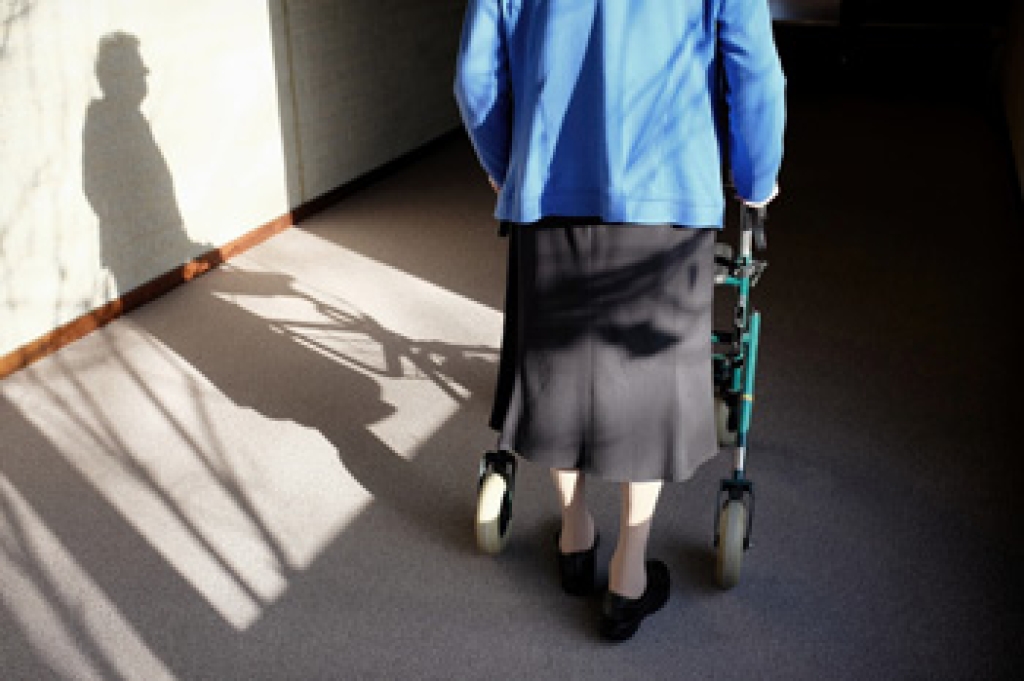
The Elderly and Their Feet

As we age we start to notice many changes in our body, but the elder population may not notice them right away. Medical conditions may prevent the elderly to take notice of their foot health right away. Poor vision is a lead contributor to not taking action for the elderly.

Common Conditions 

  • Neuropathy – can reduce feeling in the feet and can hide many life-threatening medical conditions.
  • Reduced flexibility – prevents the ability of proper toenail trimming, and foot cleaning. If left untreated, it may lead to further medical issues.
  • Foot sores – amongst the older population can be serious before they are discovered. Some of the problematic conditions they may face are:
  • Gouging toenails affecting nearby toe
  • Shoes that don’t fit properly
  • Pressure sores
  • Loss of circulation in legs & feet
  • Edema & swelling of feet and ankles

Susceptible Infections

Diabetes and poor circulation can cause general loss of sensitivity over the years, turning a simple cut into a serious issue.

If you have any questions, please feel free to contact our office located in Brownsville, TX . We offer the newest diagnostic and treatment technologies for all your foot care needs.

Read more about Elderly Foot Care

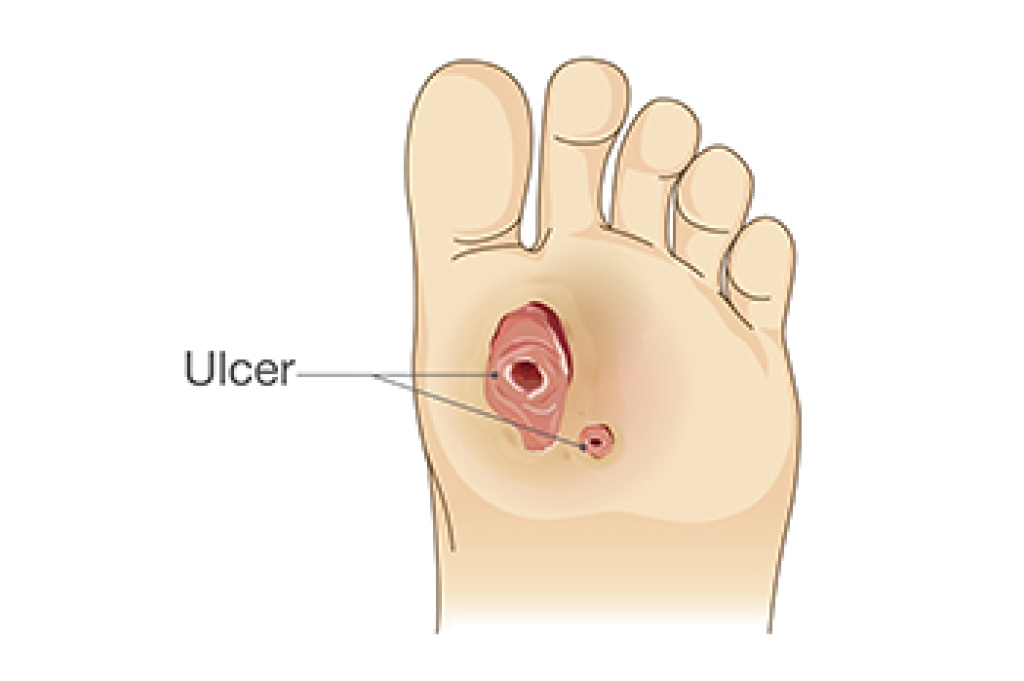
Pressure Sores Can Lead to Foot Ulcers

Rubbing points, also termed pressure sores, on the feet, toes, or ankles can progress into serious foot ulcers if left untreated. These pressure sores develop when prolonged pressure reduces blood flow, damaging the skin and underlying tissues. People with health conditions that impair circulation, such as diabetes or vascular disease, face a higher risk. Pressure sores are classified by severity, starting as red, painful skin and potentially worsening into deep wounds that expose muscle or bone. Common rubbing sites include the heels and bony areas of the foot. Without proper care, these wounds may become infected, further complicating healing. A podiatrist can assess the severity of a pressure sore and recommend appropriate treatment to prevent complications. This may involve wound care, pressure relief strategies, specialized dressings, or in severe cases, surgery to remove damaged tissue. Regular monitoring and professional treatment are essential to reduce the risk of infection and promote healing. If you have foot sores that are not healing properly, it is suggested that you schedule an appointment with a podiatrist for wound care treatment.

Wound care is an important part in dealing with diabetes. If you have diabetes and a foot wound or would like more information about wound care for diabetics, consult with Renee Rodriquez, DPM from Foot Clinic of South Texas. Our doctor will assess your condition and provide you with quality foot and ankle treatment.

What Is Wound Care?

Wound care is the practice of taking proper care of a wound. This can range from the smallest to the largest of wounds. While everyone can benefit from proper wound care, it is much more important for diabetics. Diabetics often suffer from poor blood circulation which causes wounds to heal much slower than they would in a non-diabetic. 

What Is the Importance of Wound Care?

While it may not seem apparent with small ulcers on the foot, for diabetics, any size ulcer can become infected. Diabetics often also suffer from neuropathy, or nerve loss. This means they might not even feel when they have an ulcer on their foot. If the wound becomes severely infected, amputation may be necessary. Therefore, it is of the upmost importance to properly care for any and all foot wounds.

How to Care for Wounds

The best way to care for foot wounds is to prevent them. For diabetics, this means daily inspections of the feet for any signs of abnormalities or ulcers. It is also recommended to see a podiatrist several times a year for a foot inspection. If you do have an ulcer, run the wound under water to clear dirt from the wound; then apply antibiotic ointment to the wound and cover with a bandage. Bandages should be changed daily and keeping pressure off the wound is smart. It is advised to see a podiatrist, who can keep an eye on it.

If you have any questions please contact our office located in Brownsville, TX . We offer the newest diagnostic and treatment technologies for all your foot and ankle needs.
Read more about Wound Care

Connect With Us

Request Appointment Patient Portal