Causes of Peroneal Tendonitis

Peroneal tendonitis, a source of pain surrounding the ankle, often targets individuals engaged in rigorous physical activities, particularly runners and athletes who intensify their training routines. This condition typically evolves gradually, progressing from mild discomfort to persistent pain around the ankle. The primary culprit behind peroneal tendonitis is overuse. Sudden spikes in training intensity, coupled with inappropriate footwear or flawed training techniques, frequently trigger this ailment. Sports that demand quick pivoting movements, such as basketball, football, and gymnastics, are particularly associated with the development of tears in the peroneal tendons. Runners who frequently traverse sloped or uneven surfaces, causing the foot to excessively roll out into eversion, face an elevated risk of peroneal tendonitis. Anyone with a history of ankle injuries or recurrent sprains may be more susceptible to peroneal tendon problems. The continuous damage to the ligaments supporting the foot and ankle results in weakened stability, placing increased strain on the peroneal tendons. An abnormal foot position, where the heel is turned slightly inward or if the arch is too high, heightens the risk of peroneal tendonitis. These conditions force the peroneal muscles and tendons to work harder, which contributes to their overuse and potential inflammation. Tight calf muscles combined with weakness in the calf and peroneal muscles may be factors leading to tendonitis. If you are experiencing ankle pain that may be a sign of peroneal tendonitis, it is suggested that you schedule an appointment with a podiatrist for a full exam and diagnosis.

Ankle pain can be caused by a number of problems and may be potentially serious. If you have ankle pain, consult with Renee Rodriquez, DPM from Foot Clinic of South Texas. Our doctor will assess your condition and provide you with quality foot and ankle treatment.

Ankle pain is any condition that causes pain in the ankle. Due to the fact that the ankle consists of tendons, muscles, bones, and ligaments, ankle pain can come from a number of different conditions.

Causes

The most common causes of ankle pain include:

  • Types of arthritis (rheumatoid, osteoarthritis, and gout)
  • Ankle sprains
  • Broken ankles
  • Achilles tendonitis
  • Achilles tendon rupture
  • Stress fractures
  • Bursitis
  • Tarsal tunnel syndrome
  • Plantar fasciitis

Symptoms

Symptoms of ankle injury vary based upon the condition. Pain may include general pain and discomfort, swelling, aching, redness, bruising, burning or stabbing sensations, and/or loss of sensation.

Diagnosis

Due to the wide variety of potential causes of ankle pain, podiatrists will utilize a number of different methods to properly diagnose ankle pain. This can include asking for personal and family medical histories and of any recent injuries. Further diagnosis may include sensation tests, a physical examination, and potentially x-rays or other imaging tests.

Treatment

Just as the range of causes varies widely, so do treatments. Some more common treatments are rest, ice packs, keeping pressure off the foot, orthotics and braces, medication for inflammation and pain, and surgery.

If you have any questions please feel free to contact our office located in Brownsville, TX . We offer the newest diagnostic tools and technology to treat your foot and ankle needs.


Read more about Ankle Pain

Foot Injuries From Playing Basketball

Basketball is a popular sport known for its fast paced and intense nature. However, the constant running, jumping, pivoting, and sudden stops can put a lot of strain on the lower body, leading to common foot injuries. Three of the most frequent basketball foot injuries are ankle sprains, fractures, and plantar fasciitis. Basketball players often suffer from ankle sprains, which can happen when they land awkwardly or make sudden changes in direction. These sprains can also occur when they step on another player's foot, causing the supporting ligaments to stretch too far. The repetitive impact from jumping and running on hard surfaces can lead to fractures in the foot. Stress fractures can develop gradually due to overuse, while more severe fractures are typically caused by sudden impacts. Players with poor foot structure, such as flat feet, may develop plantar fasciitis, resulting in heel pain. If you play basketball and have sustained a foot or ankle injury, it is suggested that you schedule an appointment with a podiatrist for a proper diagnosis and treatment.

Sports related foot and ankle injuries require proper treatment before players can go back to their regular routines. For more information, contact Renee Rodriquez, DPM of Foot Clinic of South Texas. Our doctor can provide the care you need to keep you pain-free and on your feet.

Sports Related Foot and Ankle Injuries

Foot and ankle injuries are a common occurrence when it comes to athletes of any sport. While many athletes dismiss the initial aches and pains, the truth is that ignoring potential foot and ankle injuries can lead to serious problems. As athletes continue to place pressure and strain the area further, a mild injury can turn into something as serious as a rupture and may lead to a permanent disability. There are many factors that contribute to sports related foot and ankle injuries, which include failure to warm up properly, not providing support or wearing bad footwear. Common injuries and conditions athletes face, including:

  • Plantar Fasciitis
  • Achilles Tendinitis
  • Achilles Tendon Rupture
  • Ankle Sprains

Sports related injuries are commonly treated using the RICE method. This includes rest, applying ice to the injured area, compression and elevating the ankle. More serious sprains and injuries may require surgery, which could include arthroscopic and reconstructive surgery. Rehabilitation and therapy may also be required in order to get any recovering athlete to become fully functional again. Any unusual aches and pains an athlete sustains must be evaluated by a licensed, reputable medical professional.

If you have any questions please contact our office located in Brownsville, TX . We offer the newest diagnostic and treatment technologies for all your foot and ankle needs.

Read more about Sports Related Foot And Ankle Injuries

Understanding Sever’s Disease

Pediatric calcaneal apophysitis, commonly known as Sever's disease, is a condition affecting the growth plate in the heel of children, typically between the ages of eight and 14. As children engage in physical activities and sports, the Achilles tendon exerts repetitive tension on the heel's growth plate, causing inflammation and pain. This condition is more prevalent during periods of rapid growth when the bone is susceptible to mechanical stress. Recognizing pediatric calcaneal apophysitis is vital as it causes heel pain, tenderness, and swelling, particularly after physical activities. Rest and reduced activity levels are primary components of managing Sever's disease, allowing the inflamed growth plate to heal. Wearing supportive footwear with adequate cushioning and heel cups can alleviate symptoms, while stretching exercises may help improve flexibility and reduce tension on the Achilles tendon. If your active child has heel pain, it is suggested that you schedule an appointment with a podiatrist who can provide an accurate diagnosis and a tailored treatment plan.  

Sever's disease often occurs in children and teens. If your child is experiencing foot or ankle pain, see Renee Rodriquez, DPM from Foot Clinic of South Texas. Our doctor can treat your child’s foot and ankle needs.

Sever’s Disease

Sever’s disease is also known as calcaneal apophysitis, which is a medical condition that causes heel pain I none or both feet. The disease is known to affect children between the ages of 8 and 14.

Sever’s disease occurs when part of the child’s heel known as the growth plate (calcaneal epiphysis) is attached to the Achilles tendon. This area can suffer injury when the muscles and tendons of the growing foot do not keep pace with bone growth. Therefore, the constant pain which one experiences at the back of the heel will make the child unable to put any weight on the heel. The child is then forced to walk on their toes.

Symptoms

Acute pain – Pain associated with Sever’s disease is usually felt in the heel when the child engages in physical activity such as walking, jumping and or running.

Highly active – Children who are very active are among the most susceptible in experiencing Sever’s disease, because of the stress and tension placed on their feet.

If you have any questions, please feel free to contact our office located in Brownsville, TX . We offer the newest diagnostic and treatment technologies for all your foot care needs.

Read more about Sever's Disease

Orthotics and Shoe Size

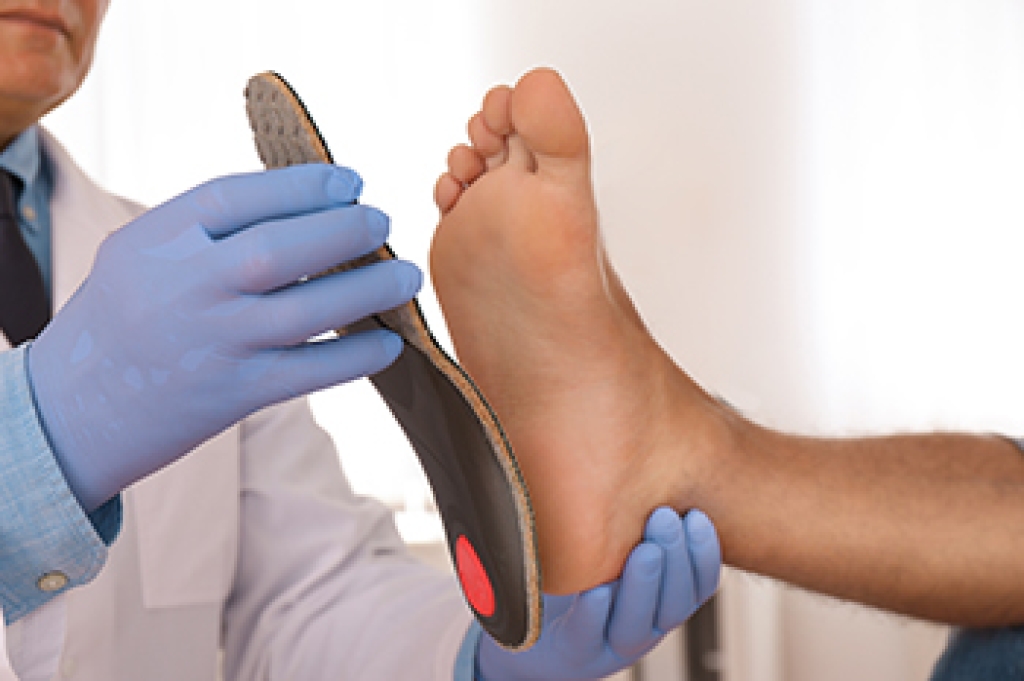
Custom-made orthotics play a vital role in foot health and comfort. They are designed to provide support, alleviate pain, and correct biomechanical issues such as flat feet or high arches. When a podiatrist makes orthotics, the size and fit of your shoes are considered, as the wrong combination can lead to discomfort or negate the benefits of the orthotics. Shoe size is not just about the length, it also involves width and depth, especially when considering the addition of orthotics. Shoes that are too tight while wearing orthotics can cause pressure and discomfort, and shoes that are too loose can result in inadequate support and stability. It is often recommended to choose shoes with a removable insole, offering extra depth and a better fit for the orthotic. Some orthotic-friendly shoes are designed with additional features like a wide toe box or extra depth, ensuring a comfortable fit without compromising the orthotic's function. If you are considering custom-made orthotics, it is suggested that you schedule an appointment with a podiatrist and wear the shoes that are best equipped for orthotic use for a proper fit.

If you are having discomfort in your feet and would like to try orthotics, contact Renee Rodriquez, DPM from Foot Clinic of South Texas. Our doctor can provide the care you need to keep you pain-free and on your feet.

What Are Orthotics?

Orthotics are inserts you can place into your shoes to help with a variety of foot problems such as flat feet or foot pain. Orthotics provide relief and comfort for minor foot and heel pain but can’t correct serious biomechanical problems in your feet.

Over-the-Counter Inserts

Orthotics come in a wide variety of over-the-counter inserts that are used to treat foot pain, heel pain, and minor problems. For example, arch supports can be inserted into your shoes to help correct overarched or flat feet, while gel insoles are often used because they provide comfort and relief from foot and heel pain by alleviating pressure.

Prescription Orthotics

If over-the-counter inserts don’t work for you or if you have a more severe foot concern, it is possible to have your podiatrist prescribe custom orthotics. These high-quality inserts are designed to treat problems such as abnormal motion, plantar fasciitis, and severe forms of heel pain. They can even be used to help patients suffering from diabetes by treating foot ulcers and painful calluses and are usually molded to your feet individually, which allows them to provide full support and comfort.

If you are experiencing minor to severe foot or heel pain, it’s recommended to speak with your podiatrist about the possibilities of using orthotics. A podiatrist can determine which type of orthotic is right for you and allow you to take the first steps towards being pain-free.

If you have any questions, please feel free to contact our office located in Brownsville, TX . We offer the newest diagnostic and treatment technologies for all your foot care needs.

Read more about Foot Orthotics

Definition of and Educational Pathways for Podiatrists

A podiatrist, known as a foot and ankle specialist, is a healthcare professional dedicated to the diagnosis, treatment, and prevention of conditions affecting the lower extremities. With an emphasis on maintaining optimal foot health, podiatrists address a diverse array of issues, including but not limited to, bunions, ingrown toenails, and biomechanical abnormalities. Becoming a podiatrist involves a rigorous educational journey. Aspiring professionals typically embark on a Doctor of Podiatric Medicine, or DPM program, which encompasses comprehensive studies in anatomy, physiology, and clinical rotations focusing on podiatric medicine and surgery. This extensive education equips podiatrists with the knowledge and skills necessary to provide specialized care for foot and ankle ailments. The dedication to this unique branch of healthcare ensures that podiatrists are well-versed in the complexities of lower limb conditions. If you have foot or ankle problems or are interested in pursuing podiatry as a career choice, it is suggested that you confer with this type of doctor who can provide care and information sought.

If you are dealing with pain in your feet and ankles, you may want to seek help from a podiatrist. Feel free to contact Renee Rodriquez, DPM from Foot Clinic of South Texas. Our doctor can provide the care you need to keep you pain-free and on your feet.

What Is a Podiatrist?

A podiatrist is a doctor of podiatric medicine who diagnoses and treats conditions of the foot, ankle, and related structures of the leg. Your podiatrist may specialize in a certain field such as sports medicine, wound care, pediatrics, and diabetic care. Podiatrists have the ability to become board certified through training, clinical experience, and then taking an exam.

What Do Podiatrists Do?

On a daily basis, a podiatrist may perform the following activities:

  • Diagnose foot ailments such as ulcers, tumors, fractures, etc.
  • Use innovative methods to treat conditions
  • Use corrective orthotics, casts, and strappings to correct deformities
  • Correct walking patterns and balance
  • Provide individual consultations to patients

It is very important that you take care of your feet. It’s easy to take having healthy feet for granted, however foot problems tend to be among the most common health conditions. Podiatrists can help diagnose and treat a variety of feet related conditions, so it is crucial that you visit one if you need assistance.

If you have any questions, please feel free to contact our office located in Brownsville, TX . We offer the newest diagnostic and treatment technologies for all your foot care needs.

Read more about What is a Podiatrist?

Common Causes of Plantar Fasciitis Unveiled

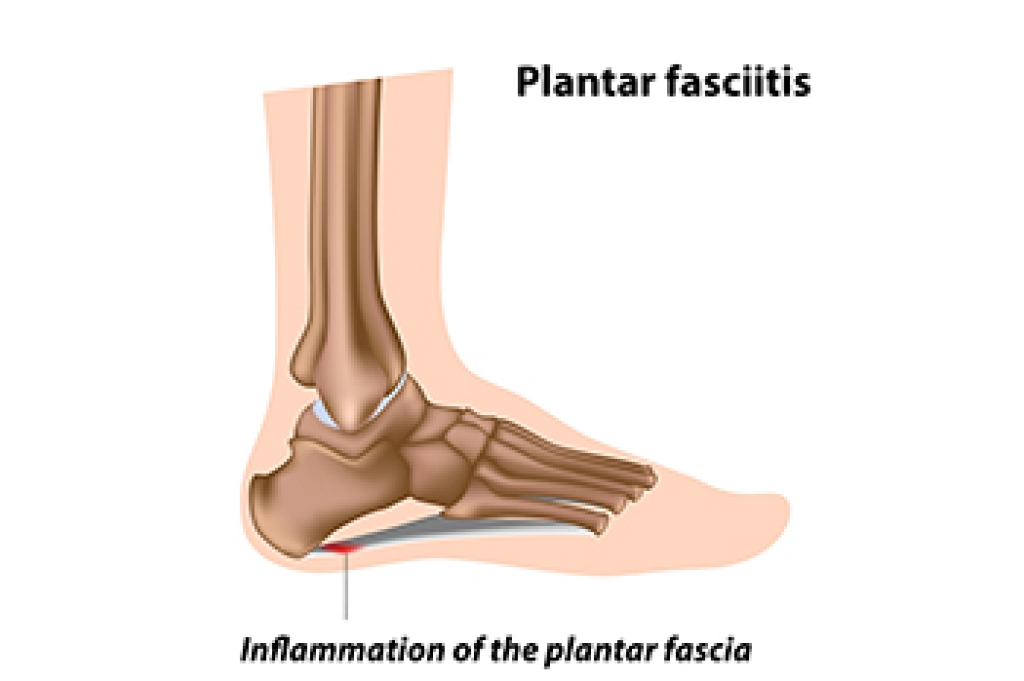
Plantar fasciitis, a commn cause of heel pain, is a condition that occurs when the plantar fascia, a thick band of tissue that connects the heel bone to the toes, becomes inflamed and irritated. Several common factors contribute to the development of plantar fasciitis. One primary cause is excessive or repetitive strain on the feet. This often results from activities that place a significant burden on the plantar fascia, like prolonged standing, walking, or running, especially on hard surfaces. Footwear with inadequate arch support or cushioning can exacerbate the condition. Sudden weight gain or obesity is another contributing factor, as it places additional pressure on the feet. Tight calf muscles and Achilles tendons can also lead to plantar fasciitis by altering the mechanics of the foot, affecting the way it absorbs shock and distributes weight. Understanding these common causes is essential for both preventing and managing plantar fasciitis. If you have heel pain, it is strongly suggested that you are under the care of a podiatrist who can effectively diagnose and treat this condition.

Plantar fasciitis is a common foot condition that is often caused by a strain injury. If you are experiencing heel pain or symptoms of plantar fasciitis, contact Renee Rodriquez, DPM from Foot Clinic of South Texas. Our doctor can provide the care you need to keep you pain-free and on your feet.

What Is Plantar Fasciitis?

Plantar fasciitis is one of the most common causes of heel pain. The plantar fascia is a ligament that connects your heel to the front of your foot. When this ligament becomes inflamed, plantar fasciitis is the result. If you have plantar fasciitis you will have a stabbing pain that usually occurs with your first steps in the morning. As the day progresses and you walk around more, this pain will start to disappear, but it will return after long periods of standing or sitting.

What Causes Plantar Fasciitis?

  • Excessive running
  • Having high arches in your feet
  • Other foot issues such as flat feet
  • Pregnancy (due to the sudden weight gain)
  • Being on your feet very often

There are some risk factors that may make you more likely to develop plantar fasciitis compared to others. The condition most commonly affects adults between the ages of 40 and 60. It also tends to affect people who are obese because the extra pounds result in extra stress being placed on the plantar fascia.

Prevention

  • Take good care of your feet – Wear shoes that have good arch support and heel cushioning.
  • Maintain a healthy weight
  • If you are a runner, alternate running with other sports that won’t cause heel pain

There are a variety of treatment options available for plantar fasciitis along with the pain that accompanies it. Additionally, physical therapy is a very important component in the treatment process. It is important that you meet with your podiatrist to determine which treatment option is best for you.

If you have any questions, please feel free to contact our office located in Brownsville, TX . We offer the newest diagnostic and treatment technologies for all your foot care needs.


Read more about Plantar Fasciitis

The Benefits of Foot Exercises

Foot exercises are an often underestimated yet invaluable practice for maintaining overall well-being. Your feet, the foundation of your body, carry the weight of your daily life. Engaging in regular foot exercises brings numerous benefits, including improved balance, enhanced flexibility, and reduced risk of common foot problems. Stretching and strengthening exercises can alleviate foot pain and discomfort, making them particularly useful for those with conditions such as plantar fasciitis or bunions. Foot exercises may also help to enhance blood circulation, which can have a positive impact on your overall cardiovascular health. Moreover, as your feet and lower limbs become stronger, you will experience better posture and alignment, reducing strain on your joints and spine. Embracing these exercises as part of your routine can lead to healthier, happier feet, allowing you to move through life with comfort and confidence. Exercising the feet can bring stability to the body. If you are interested in learning more about specific foot exercises to perform, it is suggested that you confer with a podiatrist.

Exercising your feet regularly with the proper foot wear is a great way to prevent injuries and build strength. If you have any concerns about your feet, contact Renee Rodriquez, DPM from Foot Clinic of South Texas. Our doctor can provide the care you need to keep you pain-free and on your feet.

Exercise for Your Feet

Exercise for your feet can help you gain strength, mobility and flexibility in your feet. They say that strengthening your feet can be just as rewarding as strengthening another part of the body. Your feet are very important, and we often forget about them in our daily tasks. But it is because of our feet that are we able to get going and do what we need to. For those of us fortunate enough to not have any foot problems, it is an important gesture to take care of them to ensure good health in the long run.

Some foot health exercises can include ankle pumps, tip-toeing, toe rises, lifting off the floor doing reps and sets, and flexing the toes. It is best to speak with Our doctor to determine an appropriate regimen for your needs. Everyone’s needs and bodies are different, and the activities required to maintain strength in the feet vary from individual to individual. 

Once you get into a routine of doing regular exercise, you may notice a difference in your feet and how strong they may become.

If you have any questions, please feel free to contact our office located in Brownsville, TX . We offer the newest diagnostic and treatment technologies for all your foot care needs.

Read more about Exercise for Your Feet

Reminder: When Was the Last Time...?

Custom orthotics, or shoe inserts, should be periodically replaced. Orthotics must fit properly to give you the best results. Protect your feet and ankles!

Causes and Risk Factors of Ankle Sprains

Ankle sprains are common injuries that can occur during various activities in everyday life. Ankle sprains can be caused by walking on uneven terrain or engaging in sports that involve rapid changes in direction or sudden stops, starts, and pivots.  A sprain can also be caused by falling while keeping the foot planted on the ground. This exerts sudden and excessive force on the ankle, causing it to twist. Choice of footwear can play a role in ankle health. Wearing high-heeled or unsupportive shoes can increase the risk of instability and make ankle sprains more likely. A history of ankle sprains is a significant risk factor. If a previous ankle injury was not effectively rehabilitated, weakened ligaments may not provide the support they once did, increasing the risk of reinjury. Symptoms of a sprained ankle include immediate pain, swelling, discoloration, or bruising around the sprained area. Additionally, weakness can make it challenging or impossible to bear weight. In severe cases where ankle ligaments are torn, you may feel a popping or snapping sensation during the sprain. If you suspect you have sprained your ankle, it is suggested that you make an appointment with a podiatrist as quickly as possible following the injury.

Although ankle sprains are common, they aren’t always minor injuries. If you need your ankle injury looked at, contact Renee Rodriquez, DPM from Foot Clinic of South Texas. Our doctor can provide the care you need to keep you pain-free and on your feet.

How Does an Ankle Sprain Occur?

Ankle sprains are the result of a tear in the ligaments within the ankle. These injuries may happen when you make a rapid shifting movement while your foot is planted. A less common way to sprain your ankle is when your ankle rolls inward while your foot turns outward.

What Are the Symptoms?

  • Pain at the sight of the tear
  • Bruising/Swelling
  • Ankle area is tender to touch
  • In severe cases, may hear/feel something tear
  • Skin discoloration

Preventing a Sprain

  • Wearing appropriate shoes for the occasion
  • Stretching before exercises and sports
  • Knowing your limits

Treatment of a Sprain

In many cases, the RICE method (Rest, Ice, Compression, and Elevate) is used to treat ankle sprains. However, you should see a podiatrist to see which treatment option would work best with your injury. In severe cases, surgery may be required.

It is important to ask your doctor about rehab options after you receive treatment for your injury. Stretching, strength training, and balance exercises may help the ankle heal while also preventing further injury.

If you have any questions, please feel free to contact our office located in Brownsville, TX . We offer the newest diagnostic and treatment technologies for all your foot care needs.

Read more about Ankle Sprains

Connect With Us

Request Appointment Patient Portal