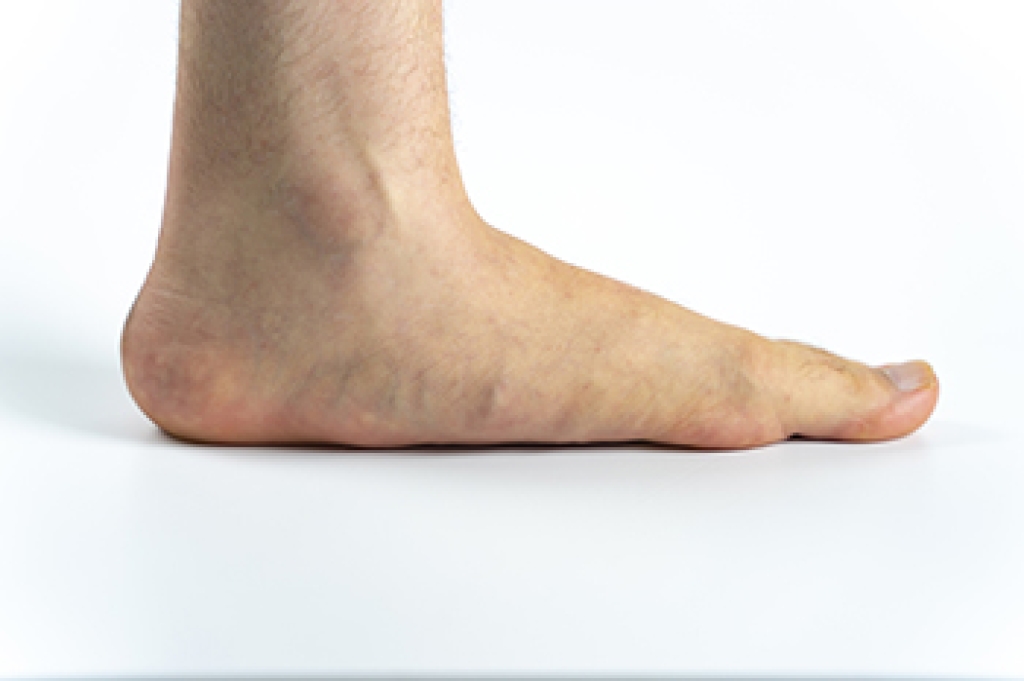
Tips on Running More Comfortably With Flat Feet

Running with flat feet can present unique challenges, but with the right approach, it can still be an enjoyable and fulfilling activity. First, selecting appropriate footwear is vital. Look for shoes that offer excellent arch support and cushioning to help compensate for the lack of natural arch. Custom orthotics can provide added stability and comfort. It is also important to focus on proper running form, ensuring a midfoot strike rather than landing heavily on the heels. Gradually increasing mileage allows the body to adapt, reducing the risk of injury. Strengthening the muscles in the feet and lower legs through specific exercises can also improve support and function. Listening to the body and taking rest days when needed will help prevent discomfort. Some people experience pain and discomfort while running with flat feet. If this applies to you, it is suggested that you consult a podiatrist who can guide you on appropriate relief techniques.

Flatfoot is a condition many people suffer from. If you have flat feet, contact Renee Rodriquez, DPM from Foot Clinic of South Texas. Our doctor will treat your foot and ankle needs.

What Are Flat Feet?

Flatfoot is a condition in which the arch of the foot is depressed and the sole of the foot is almost completely in contact with the ground. About 20-30% of the population generally has flat feet because their arches never formed during growth.

Conditions & Problems:

Having flat feet makes it difficult to run or walk because of the stress placed on the ankles.

Alignment – The general alignment of your legs can be disrupted, because the ankles move inward which can cause major discomfort.

Knees – If you have complications with your knees, flat feet can be a contributor to arthritis in that area.  

Symptoms

  • Pain around the heel or arch area
  • Trouble standing on the tip toe
  • Swelling around the inside of the ankle
  • Flat look to one or both feet
  • Having your shoes feel uneven when worn

Treatment

If you are experiencing pain and stress on the foot you may weaken the posterior tibial tendon, which runs around the inside of the ankle. 

If you have any questions, please feel free to contact our office located in Brownsville, TX . We offer the newest diagnostic and treatment technologies for all your foot care needs.

Read more about Flat Feet

Let the Expert Treat Your Ingrown Toenails

Ingrown toenails can be painful and can make wearing shoes or walking uncomfortable. Seek professional help if you believe you've developed an ingrown toenail and be treated safely. 

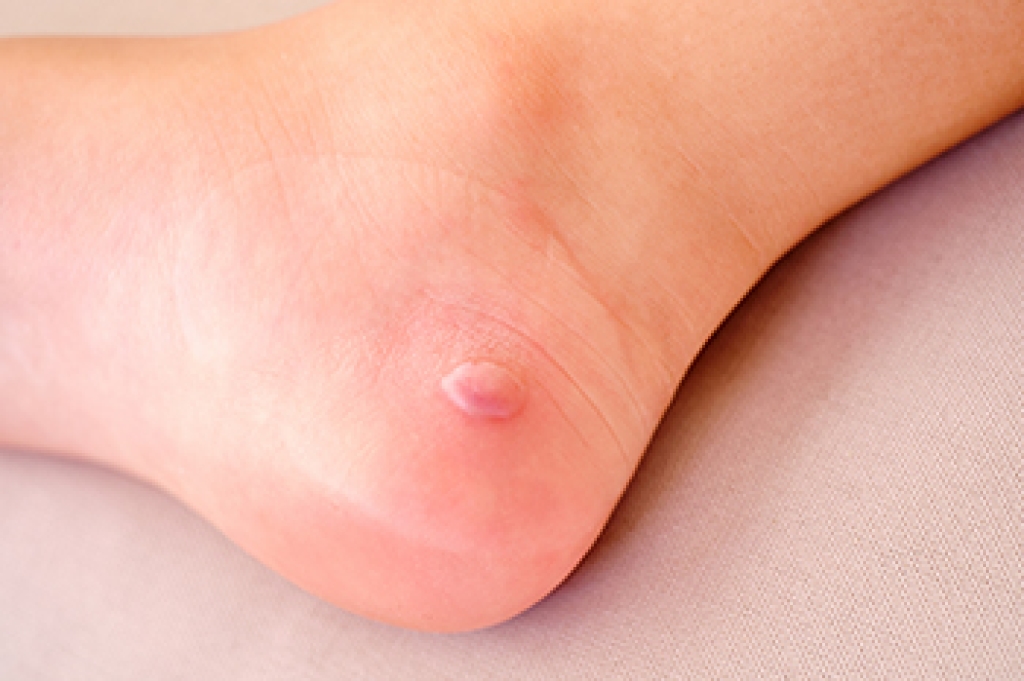
What Causes Blisters on the Feet?

A friction blister on the foot is a small, fluid-filled bubble that forms on the skin due to repeated friction or rubbing. This common condition typically occurs in areas where the skin is subjected to constant pressure, such as the heels or the balls of the feet. The primary cause is prolonged or intense friction from wearing poorly fitting shoes, new footwear, or excessive physical activity. Moisture from sweat can worsen the problem by softening the skin, making it more susceptible to blisters. Wearing proper footwear and moisture-wicking socks can help reduce the risk of developing friction blisters. If you have developed a foot blister that has become infected, it is strongly suggested that you contact a podiatrist who can treat this condition and offer effective prevention tips.

Blisters may appear as a single bubble or in a cluster. They can cause a lot of pain and may be filled with pus, blood, or watery serum. If your feet are hurting, contact Renee Rodriquez, DPM of Foot Clinic of South Texas. Our doctor can provide the care you need to keep you pain-free and on your feet.

Foot Blisters

Foot blisters are often the result of friction. This happens due to the constant rubbing from shoes, which can lead to pain.

What Are Foot Blisters?

A foot blister is a small fluid-filled pocket that forms on the upper-most layer of the skin. Blisters are filled with clear fluid and can lead to blood drainage or pus if the area becomes infected.

Symptoms

(Blister symptoms may vary depending on what is causing them)

  • Bubble of skin filled with fluid
  • Redness
  • Moderate to severe pain
  • Itching

Prevention & Treatment

In order to prevent blisters, you should be sure to wear comfortable shoes with socks that cushion your feet and absorb sweat. Breaking a blister open may increase your chances of developing an infection. However, if your blister breaks, you should wash the area with soap and water immediately and then apply a bandage to the affected area. If your blisters cause severe pain it is important that you call your podiatrist right away.

If you have any questions, please feel free to contact our office located in Brownsville, TX . We offer the newest diagnostic and treatment technologies for all your foot care needs.
Read more about Blisters

Medical Insights on Heel Spurs

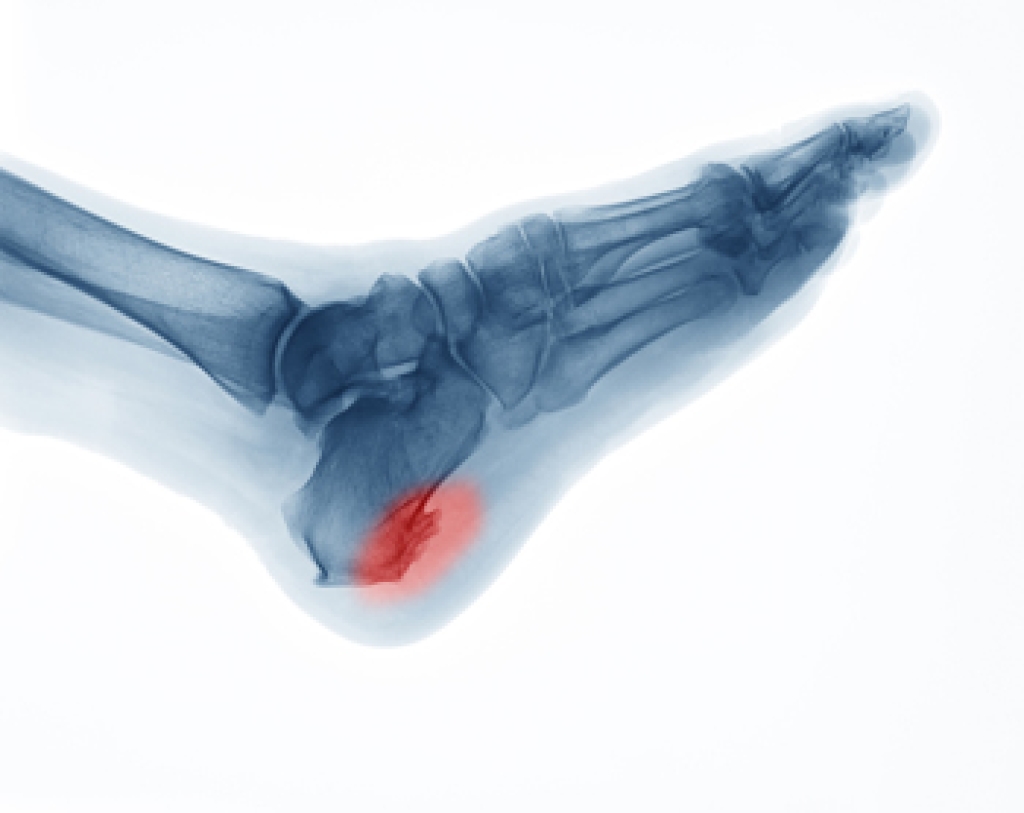
A heel spur, medically known as a calcaneal spur, is a bony growth that develops on the underside of the heel bone. This condition is often associated with plantar fasciitis, where the tissue connecting the heel to the toes becomes inflamed. Heel spurs form due to excessive stress and strain on the foot, causing calcium deposits to accumulate over time. Common causes include repetitive stress from high-impact activities, prolonged standing, and wearing improper footwear. Individuals with flat feet or high arches are also at higher risk due to altered foot mechanics. Symptoms typically include sharp pain at the heel, particularly with the first steps in the morning. If you have developed a heel spur, it is suggested that you are under the care of a podiatrist who can discuss effective treatment methods that may include surgery for removal.

Heel spurs can be incredibly painful and sometimes may make you unable to participate in physical activities. To get medical care for your heel spurs, contact Renee Rodriquez, DPM from Foot Clinic of South Texas. Our doctor will do everything possible to treat your condition.

Heels Spurs

Heel spurs are formed by calcium deposits on the back of the foot where the heel is. This can also be caused by small fragments of bone breaking off one section of the foot, attaching onto the back of the foot. Heel spurs can also be bone growth on the back of the foot and may grow in the direction of the arch of the foot.

Older individuals usually suffer from heel spurs and pain sometimes intensifies with age. One of the main condition's spurs are related to is plantar fasciitis.

Pain

The pain associated with spurs is often because of weight placed on the feet. When someone is walking, their entire weight is concentrated on the feet. Bone spurs then have the tendency to affect other bones and tissues around the foot. As the pain continues, the feet will become tender and sensitive over time.

Treatments

There are many ways to treat heel spurs. If one is suffering from heel spurs in conjunction with pain, there are several methods for healing. Medication, surgery, and herbal care are some options.

If you have any questions, please feel free to contact our office located in Brownsville, TX . We offer the newest diagnostic and treatment technologies for all your foot care needs.
Read more about How to Treat Heel Spurs

Types of Treatment for Ankle Sprains

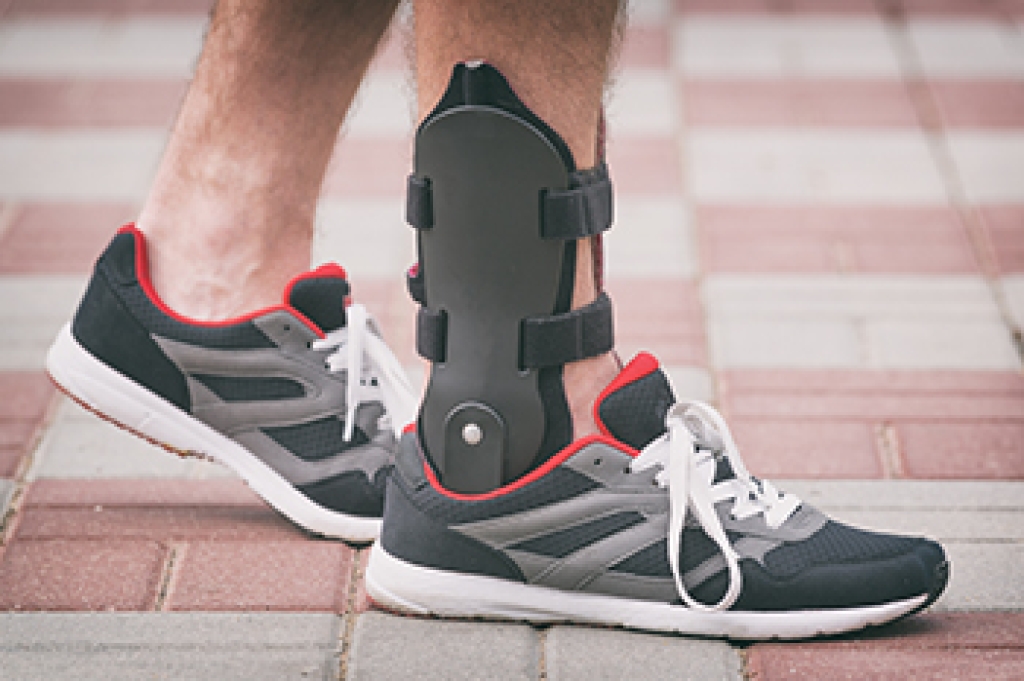
Ankle sprains require proper treatment to ensure a full recovery and prevent future complications. After an ankle sprain, a podiatrist may recommend various treatment options to support healing and restore function. Moving the joint gently, within your pain tolerance, helps prevent stiffness and maintains normal movement. An ankle support, such as a brace, can provide stability while allowing some mobility as the ligament heals. For more severe sprains, certain prescribed exercises can help to improve joint movement, and muscle strength. In cases of severe sprains or instability, immobilization of the ankle with a brace or cast might be necessary, and surgery could be considered if damaged ligaments are significantly torn. If pain persists or the ankle remains unstable, further evaluation, including imaging, might be required. If you have sprained your ankle, it is suggested that you schedule an appointment with a podiatrist for an exam, diagnosis, and treatment options.

Ankle sprains are common but need immediate attention. If you need your feet checked, contact Renee Rodriquez, DPM from Foot Clinic of South Texas. Our doctor can provide the care you need to keep you pain-free and on your feet.

How Does an Ankle Sprain Occur?

Ankle sprains take place when the ligaments in your ankle are torn or stretched beyond their limits. There are multiple ways that the ankle can become injured, including twisting or rolling over onto your ankle, putting undue stress on it, or causing trauma to the ankle itself.

What Are the Symptoms?

  • Mild to moderate bruising
  • Limited mobility
  • Swelling
  • Discoloration of the skin (depending on severity)

Preventing a Sprain

  • Wearing appropriate shoes for the occasion
  • Stretching before exercises and sports
  • Knowing your limits

Treatment of a Sprain

Treatment of a sprain depends on the severity.  Many times, people are told to rest and remain off their feet completely, while others are given an air cast. If the sprain is very severe, surgery may be required.

If you have suffered an ankle sprain previously, you may want to consider additional support such as a brace and regular exercises to strengthen the ankle.

If you have any questions please feel free to contact our office located in Brownsville, TX . We offer the newest diagnostic tools and technology to treat your foot and ankle needs.

Read more about Ankle Sprains

Connect With Us

Request Appointment Patient Portal