Definition and Reasons for Developing Hammertoe

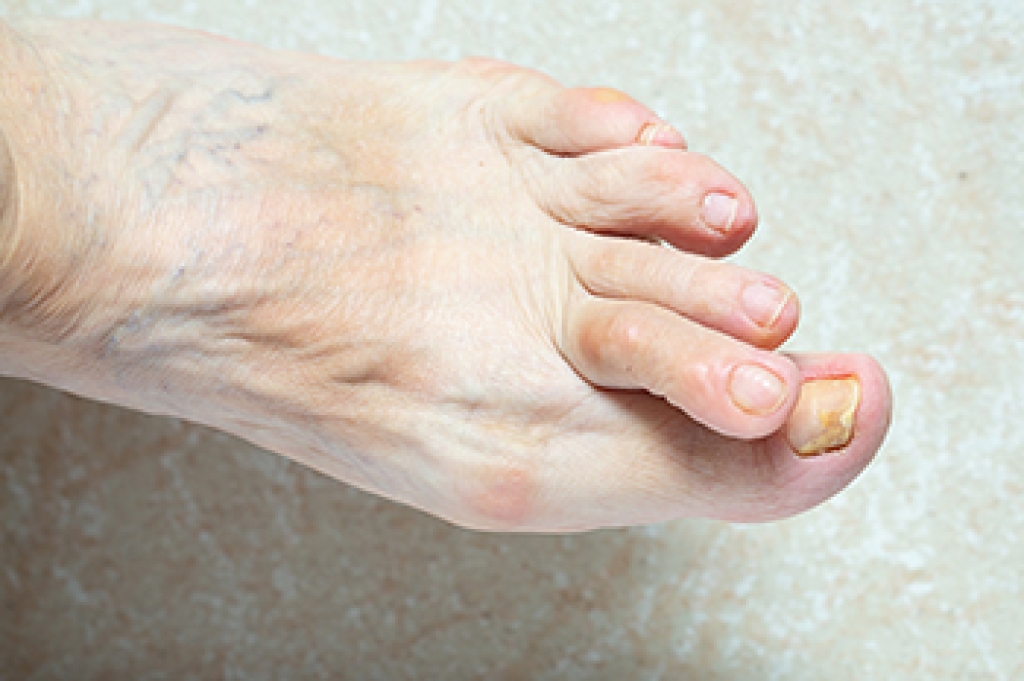
Hammertoe, a relatively common foot condition, is often the source of discomfort and inconvenience for many individuals. This deformity occurs when the middle joint of one or more of your smaller toes becomes bent and stuck in an abnormal position. The affected toes often resemble the shape of a hammer, hence the name. Hammertoes can develop for a variety of reasons, including genetics, foot structure, or wearing ill-fitting shoes. High heels and shoes that squeeze the toes together can exacerbate the problem. Hammertoes can lead to pain, corns, calluses, and difficulty finding comfortable footwear. While the condition can be hereditary, early intervention through wearing proper footwear and certain medical treatment can help prevent or alleviate the discomfort associated with hammertoes, allowing individuals to maintain healthier and happier feet. If you are afflicted with hammertoe, it is strongly suggested that you are under the care of a podiatrist who can guide you toward effective relief options.

Hammertoe

Hammertoes can be a painful condition to live with. For more information, contact Renee Rodriquez, DPM from Foot Clinic of South Texas. Our doctor will answer any of your foot- and ankle-related questions.

Hammertoe is a foot deformity that affects the joints of the second, third, fourth, or fifth toes of your feet. It is a painful foot condition in which these toes curl and arch up, which can often lead to pain when wearing footwear.

Symptoms

  • Pain in the affected toes
  • Development of corns or calluses due to friction
  • Inflammation
  • Redness
  • Contracture of the toes

Causes

Genetics – People who are genetically predisposed to hammertoe are often more susceptible

Arthritis – Because arthritis affects the joints in your toes, further deformities stemming from arthritis can occur

Trauma – Direct trauma to the toes could potentially lead to hammertoe

Ill-fitting shoes – Undue pressure on the front of the toes from ill-fitting shoes can potentially lead to the development of hammertoe

Treatment

Orthotics – Custom made inserts can be used to help relieve pressure placed on the toes and therefore relieve some of the pain associated with it

Medications – Oral medications such as anti-inflammatories or NSAIDs could be used to treat the pain and inflammation hammertoes causes. Injections of corticosteroids are also sometimes used

Surgery – In more severe cases where the hammertoes have become more rigid, foot surgery is a potential option

If you have any questions, please feel free to contact our office located in Brownsville, TX . We offer the newest diagnostic and treatment technologies for all your foot care needs.

Read more about What Are Hammertoes?

Heel Pain in the Morning?

Heel pain can negatively affect your day-to-day life. Simple activities like walking can become incredibly uncomfortable or painful due to heel pain.

Don’t live with heel pain and get treated.

Symptoms Causes and Effective Treatment for an Achilles Tendon Injury

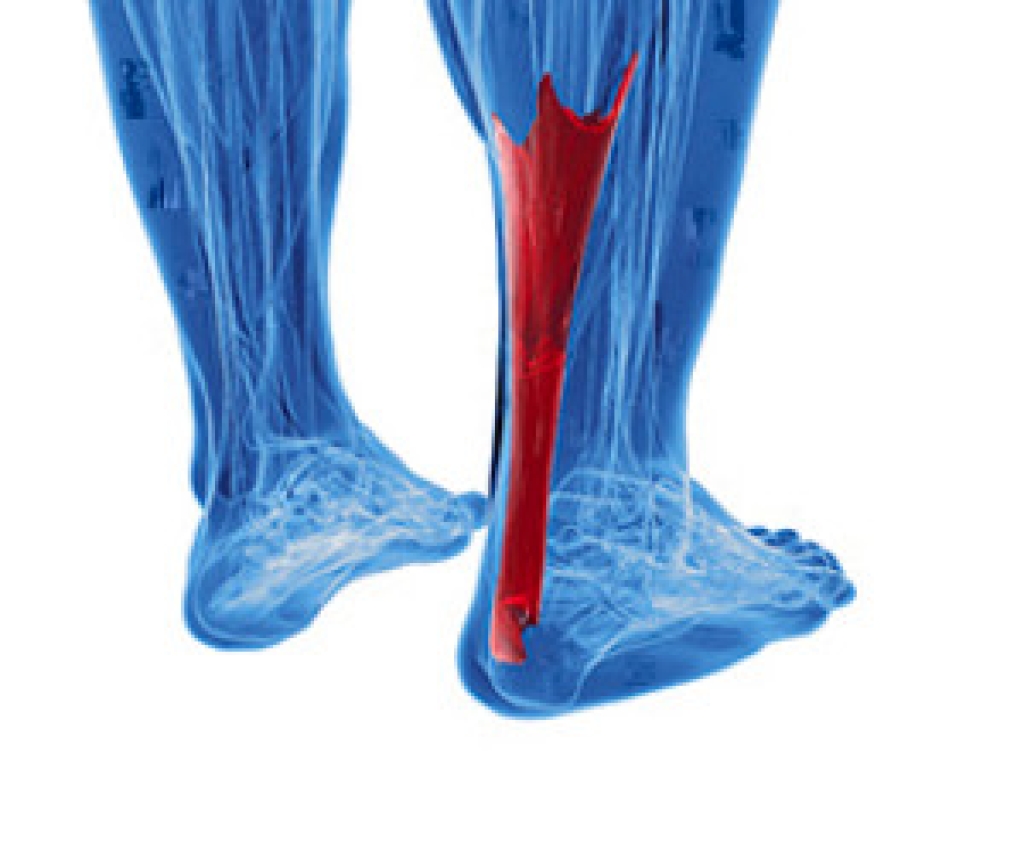
Achilles tendonitis is a painful condition affecting the Achilles tendon which is found at the back of the ankle. Achilles tendinitis is characterized by inflammation and irritation of the Achilles tendon, leading to discomfort during movement. Common symptoms can include pain and stiffness near the heel, often worsening after physical activity. Overuse and repetitive stress are primary culprits, frequently affecting athletes and those who engage in intense physical activities. Having tight calf muscles, wearing improper footwear, and sudden increases in exercise intensity can also contribute to getting an Achilles tendon injury.  Managing Achilles tendinitis involves rest, compression, and elevation, along with performing gentle stretching and strengthening exercises. Severe cases may require medical intervention, and it is suggested that you contact a podiatrist who can provide you with an accurate diagnosis and tailor a treatment plan that is right for you.

Achilles tendon injuries need immediate attention to avoid future complications. If you have any concerns, contact Renee Rodriquez, DPM of Foot Clinic of South Texas. Our doctor can provide the care you need to keep you pain-free and on your feet.

What Is the Achilles Tendon?

The Achilles tendon is a tendon that connects the lower leg muscles and calf to the heel of the foot. It is the strongest tendon in the human body and is essential for making movement possible. Because this tendon is such an integral part of the body, any injuries to it can create immense difficulties and should immediately be presented to a doctor.

What Are the Symptoms of an Achilles Tendon Injury?

There are various types of injuries that can affect the Achilles tendon. The two most common injuries are Achilles tendinitis and ruptures of the tendon.

Achilles Tendinitis Symptoms

  • Inflammation
  • Dull to severe pain
  • Increased blood flow to the tendon
  • Thickening of the tendon

Rupture Symptoms

  • Extreme pain and swelling in the foot
  • Total immobility

Treatment and Prevention

Achilles tendon injuries are diagnosed by a thorough physical evaluation, which can include an MRI. Treatment involves rest, physical therapy, and in some cases, surgery. However, various preventative measures can be taken to avoid these injuries, such as:

  • Thorough stretching of the tendon before and after exercise
  • Strengthening exercises like calf raises, squats, leg curls, leg extensions, leg raises, lunges, and leg presses

If you have any questions please feel free to contact our office located in Brownsville, TX . We offer the newest diagnostic tools and technology to treat your foot and ankle needs.

Read more about The Causes, Types, and Treatments of Achilles Tendon Injuries

Using a Brannock Device for Accurate Foot Measurement

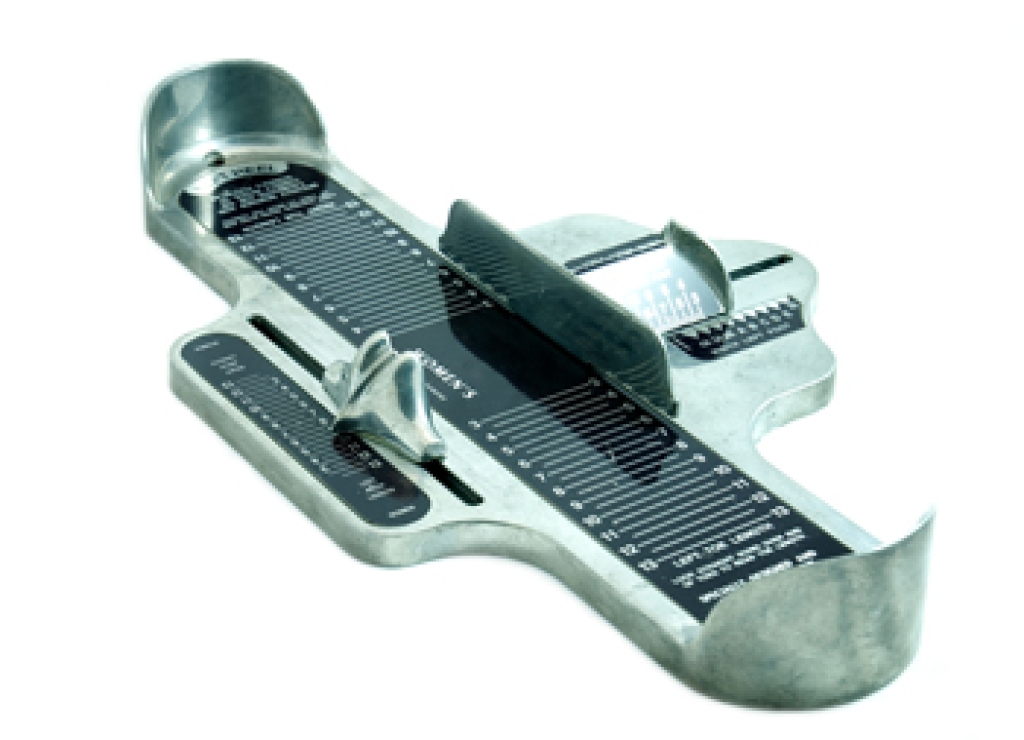
In the world of footwear, the Brannock device stands as a quiet yet essential hero, ensuring a snug and comfortable fit for every pair of shoes. This simple yet ingeniously designed tool is considered the standard for measuring foot size. Comprising a metal base and sliding arms with calibrated scales, it accurately gauges the foot's length and width. To obtain a measurement, the foot is placed on the device, and adjusting the sliding arms ensures a precise fit. Proper measurement is pivotal in finding the right shoe size, which is instrumental in preventing discomfort and potential foot issues. The Brannock device takes guesswork out of the equation, guiding both shoppers and shoe professionals to select footwear that caters to the unique contours of the feet. If you would like more information about the success of the Brannock device, it is suggested that you confer with a podiatrist. 

Finding a properly-fitting shoe is important in reducing injuries and preventing foot problems. For more information about treatment, contact Renee Rodriquez, DPM from Foot Clinic of South Texas. Our doctor will treat your foot and ankle needs.

Proper Shoe Fitting

A common concern when it comes to foot health, having properly fitted shoes can help prevent injuries to the foot. Out feet affect our posture and gait, which in turn affects the biomechanics and overall bodily structure. With 33 joints, 26 bones, and over 100 ligaments, the potential for serious injury is much greater than one realizes. Although the feet cease growth in adulthood, they still change shape as they mature. Here are some factors to consider when it comes to investing in proper fitting shoes:

  • Be sure the shoes fit correctly right away
  • Ensure the ball of your foot fits comfortably in the widest portion of the shoes
  • Even though they may look fashionable, improper fitting shoes can either create adverse conditions or exacerbate existing ones you may already have
  • Walk along a carpeted surface to ensure the shoes comfortably fit during normal activity

Keeping in mind how shoes fit the biomechanics of your body, properly-fitting shoes are vitally important. Fortunately, it is not difficult to acquire footwear that fits correctly. Be sure to wear shoes that support the overall structure of your body. Do your feet a favor and invest in several pairs of well-fitted shoes today.

If you have any questions, please feel free to contact our office located in Brownsville, TX . We offer the newest diagnostic and treatment technologies for all your foot care needs.
Read more about Proper Shoe Fitting

Causes and Solutions for Ingrown Toenails

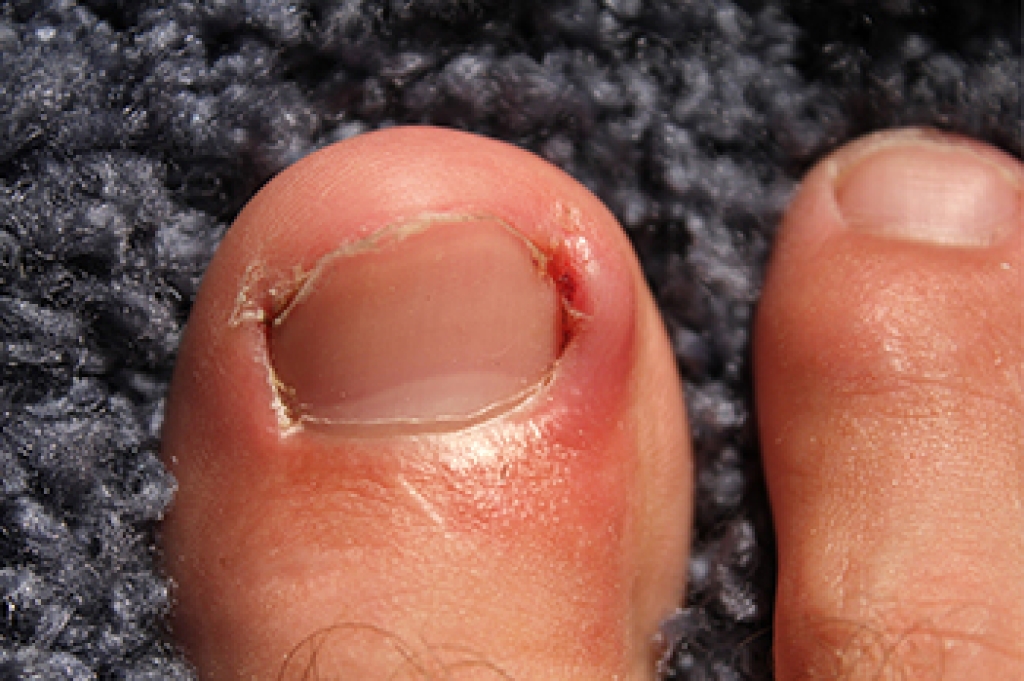
Ingrown toenails, a common and often painful foot condition, can make each step a struggle. An ingrown toenail occurs when the edge of a toenail grows into the surrounding skin, causing inflammation and discomfort. Causes can range from improper nail trimming techniques to wearing tight shoes that exert pressure on the toes. In some cases, a genetic predisposition or an injury can trigger this condition. Soaking the foot in warm water, gently lifting the ingrown edge, and applying antibiotic ointment can aid in healing. Wearing open toed shoes and avoiding tight footwear can also promote recovery. Seeking medical attention for severe cases ensures effective relief, often involving minor surgical procedures to remove the ingrown portion. By addressing the root causes and following appropriate treatment, individuals can bid farewell to ingrown toenail discomfort and regain comfortable strides. If you have developed an ingrown toenail, it is suggested that you seek the counsel of a podiatrist who can guide you toward the correct treatment method.

Ingrown toenails can become painful if they are not treated properly. For more information about ingrown toenails, contact Renee Rodriquez, DPM of Foot Clinic of South Texas. Our doctor can provide the care you need to keep you pain-free and on your feet.

Ingrown Toenails

Ingrown toenails occur when a toenail grows sideways into the bed of the nail, causing pain, swelling, and possibly infection.

Causes

  • Bacterial infections
  • Improper nail cutting such as cutting it too short or not straight across
  • Trauma to the toe, such as stubbing, which causes the nail to grow back irregularly
  • Ill-fitting shoes that bunch the toes too close together
  • Genetic predisposition

Prevention

Because ingrown toenails are not something found outside of shoe-wearing cultures, going barefoot as often as possible will decrease the likeliness of developing ingrown toenails. Wearing proper fitting shoes and using proper cutting techniques will also help decrease your risk of developing ingrown toenails.

Treatment

Ingrown toenails are a very treatable foot condition. In minor cases, soaking the affected area in salt or antibacterial soaps will not only help with the ingrown nail itself, but also help prevent any infections from occurring. In more severe cases, surgery is an option. In either case, speaking to your podiatrist about this condition will help you get a better understanding of specific treatment options that are right for you.

If you have any questions, please feel free to contact our office located in Brownsville, TX . We offer the newest diagnostic and treatment technologies for all your foot care needs.
Read more about Ingrown Toenails

Connect With Us

Request Appointment Patient Portal