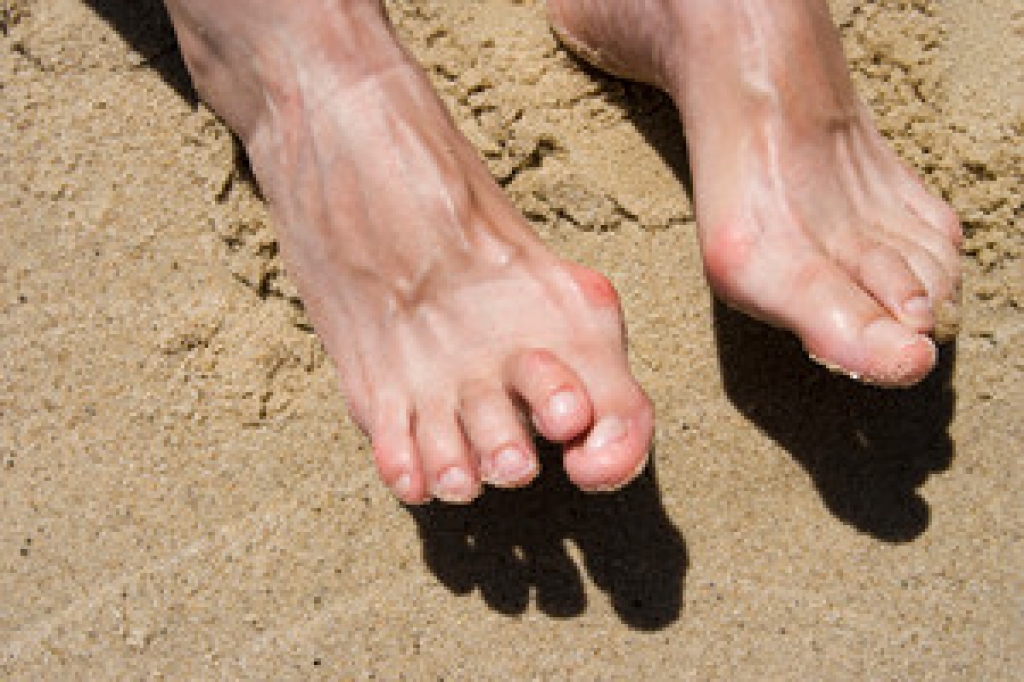
Dealing With a Hammertoe

A hammertoe is when a toe is stuck in an upward bent position at the middle of a joint. The top of the toe is bent forward and looks like a hammer, hence its name. It is one of the most common deformities of the forefoot and can affect balance as well as cause pain and trouble with walking and other activities. Hammertoes can happen when the small muscles on the bottom of the feet (intrinsic muscles) are weaker than the larger muscles on the top of the foot (extrinsic muscles). Hammertoe can often be a result of other issues, such as having flat feet with longer metatarsals or middle foot bones, having a bunion, having a medical condition such as diabetes or inflammatory arthropathies that affect muscles, tendons, and nerves in the feet, and wearing shoes that are too narrow or tight, forcing the toes down into the tip of the shoe. Beyond pain, if you have a hammertoe, you may experience swelling or redness of the toe, callus formation on the parts of the toe that rub against the shoe, and changes in walking patterns. Treatment includes wearing properly fitted shoes with wide toe boxes, doing toe stretching and other exercises to build up the strength of the intrinsic muscles of the foot, wearing cushions, pads, or insoles, taping, and possibly surgery. Early intervention is more likely to work since the toe joint will be more apt to be flexible. If you feel you have a hammertoe, and particularly if it is causing you discomfort, talk with a podiatrist about treatment that might work best for you.

Hammertoes can be a painful condition to live with. For more information, contact Renee Rodriquez, DPM of Foot Clinic of South Texas. Our doctor will answer any of your foot- and ankle-related questions.

Hammertoe

Hammertoe is a foot deformity that occurs due to an imbalance in the muscles, tendons, or ligaments that normally hold the toe straight. It can be caused by the type of shoes you wear, your foot structure, trauma, and certain disease processes.

Symptoms

  • Painful and/or difficult toe movement
  • Swelling
  • Joint stiffness
  • Calluses/Corns
  • Physical deformity

Risk Factors

  • Age – The risk of hammertoe increases with age
  • Sex – Women are more likely to have hammertoe compared to men
  • Toe Length – You are more likely to develop hammertoe if your second toe is longer than your big toe
  • Certain Diseases – Arthritis and diabetes may make you more likely to develop hammertoe

Treatment

If you have hammertoe, you should change into a more comfortable shoe that provides enough room for your toes. Exercises such as picking up marbles may strengthen and stretch your toe muscles. Nevertheless, it is important to seek assistance from a podiatrist in order to determine the severity of your hammertoe and see which treatment option will work best for you.

If you have any questions, please feel free to contact our office located in Brownsville, TX . We offer the newest diagnostic and treatment technologies for all your foot care needs.
Read more about Hammertoe

Treatment for Dry or Cracked Heels

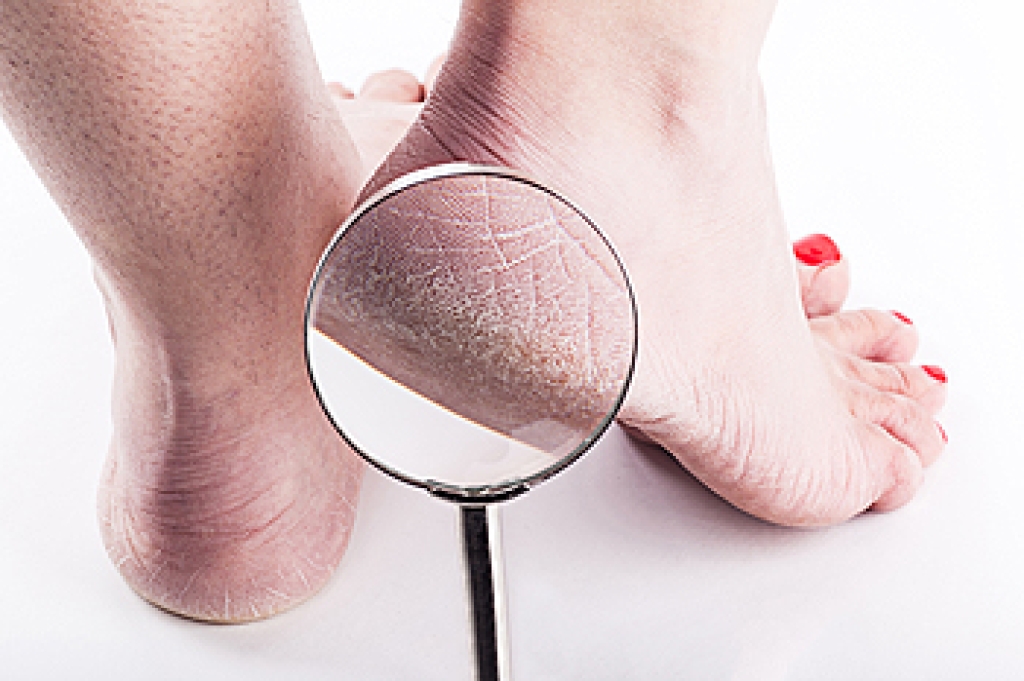
When dry skin, known as xerosis, occurs on the heels, it can be caused by a number of factors, such as wearing open-backed shoes, being overweight, or the constant rubbing of the heel within a shoe. Cracked skin also can be a sign of diabetes or neuropathy. Further causes include taking extra hot showers, using harsh soaps, cold weather, and standing for long periods. If dealt with early, dry or cracked heels can be lessened or even eliminated. Ignored, they may cause serious illness. In severe cases, cracked heels may become infected, causing cellulitis. A few easy treatments include soaking the feet in warm water, drying them completely, and applying moisturizer. It also may be good to use a pumice or nail file to gently scrub away the dead skin. Protect your feet from extreme heat, such as walking barefoot on hot sand or pavement. However, if your heels are severely cracked and painful, it is a good idea to make an appointment with a podiatrist for an exam and treatment as soon as possible.  

Cracked heels are unsightly and can cause further damage to your shoes and feet. If you have any concerns, contact Renee Rodriquez, DPM from Foot Clinic of South Texas. Our doctor can provide the care you need to keep you pain-free and on your feet.

Cracked Heels

Cracked heels appear unappealing and can make it harder for you walk around in sandals. Aside from looking unpleasant, cracked heels can also tear stockings, socks, and wear out your shoes. There are several methods to help restore a cracked heel and prevent further damage.

How Do You Get Them?

Dry skin is the number one culprit in creating cracked heels. Many athletes, walkers, joggers, and even swimmers suffer from cracked heels. Age and skin oil production play a role to getting cracked heels as well.

Promote Healing

Over the counter medicines can help, especially for those that need instant relief or who suffer from chronic dry feet.

Wear Socks – Wearing socks with medicated creams helps lock in moisture.

Moisturizers – Applying both day and night will help alleviate dryness which causes cracking.

Pumice Stones – These exfoliate and remove dead skin, which allows for smoother moisturizer application and better absorption into the skin. 

Change in Diet

Eating healthy with a well-balanced diet will give the skin a fresh and radiant look. Your body responds to the kinds of food you ingest. Omega-3 fatty acids and zinc supplements can also revitalize skin tissue.

Most importantly, seek professional help if unsure how to proceed in treating cracked heels. A podiatrist will help you with any questions or information needed. 

If you have any questions, please feel free to contact our office located in Brownsville, TX . We offer the newest diagnostic and treatment technologies for all your foot care needs.
Read more about Solutions for Cracked Heels

What Is Osteomyelitis?

Osteomyelitis is an infection and inflammation that can happen when a bacterial or fungal infection gets into a bone from the bloodstream or surrounding tissue. This condition can happen in the feet and can come on quickly or slowly and be severe or chronic. While it can occur at any age, older adults are more prone to osteomyelitis because they can experience health issues that increase their risk for infection that require surgery. Long bone infections, affecting arms and legs, are more common in children. Hematogenous osteomyelitis involves an infection to the bone from the bloodstream. It might enter the body through IV treatment. Non-hematogenous osteomyelitis can result from trauma, such as a fracture or open wound that requires surgery. Surgery that involves prosthetic materials, like metal pins, screws, or plates, can carry bacteria or fungi and cause this. Having diabetes or circulation problems can hamper treatment of this condition. Symptoms of osteomyelitis depend on the location of the infection, its severity, one’s age, and general health. Common symptoms include pain, swelling, fatigue, irritability, fever, chills, sweating, drainage, skin discoloration, and changes in walking. A delay in diagnosis and treatment can be serious, even fatal. Antibiotics or antifungal medication are usually administered to those with osteomyelitis. In some cases, surgery is needed to repair bone damage. If you have foot bone pain that is not related to a known issue, see a podiatrist immediately for an accurate diagnosis and swift, proper treatment. 

Foot Pain

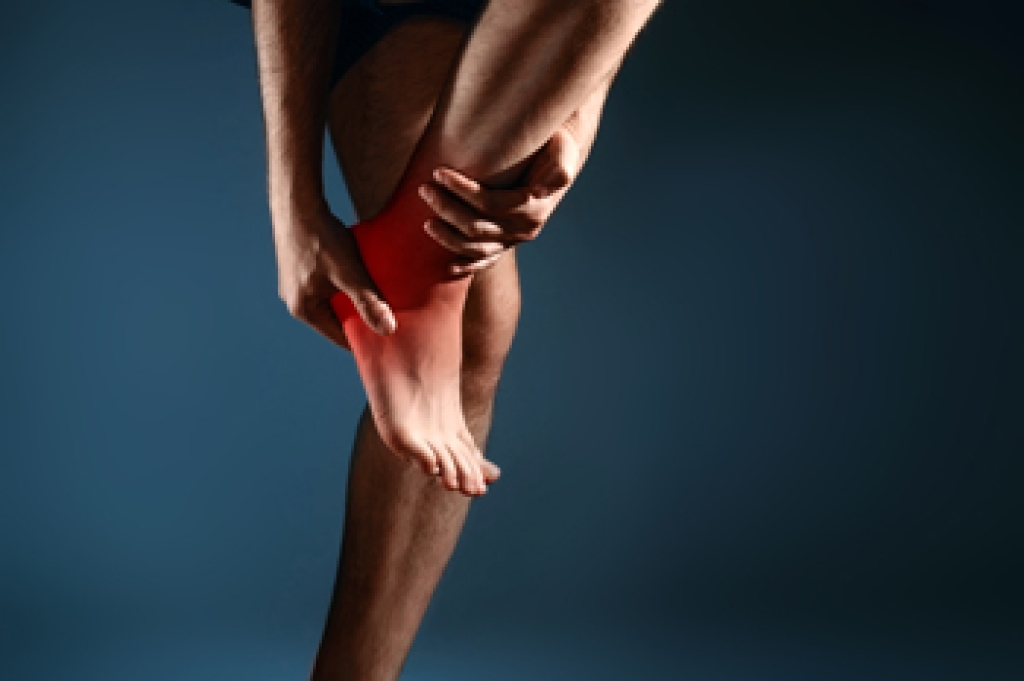
Foot pain can be extremely painful and debilitating. If you have a foot pain, consult with Renee Rodriquez, DPM from Foot Clinic of South Texas. Our doctor will assess your condition and provide you with quality foot and ankle treatment.

Causes

Foot pain is a very broad condition that could be caused by one or more ailments. The most common include:

  • Bunions
  • Hammertoes
  • Plantar Fasciitis
  • Bone Spurs
  • Corns
  • Tarsal Tunnel Syndrome
  • Ingrown Toenails
  • Arthritis (such as Gout, Rheumatoid, and Osteoarthritis)
  • Flat Feet
  • Injury (from stress fractures, broken toe, foot, ankle, Achilles tendon ruptures, and sprains)
  • And more

Diagnosis

To figure out the cause of foot pain, podiatrists utilize several different methods. This can range from simple visual inspections and sensation tests to X-rays and MRI scans. Prior medical history, family medical history, and any recent physical traumatic events will all be taken into consideration for a proper diagnosis.

Treatment

Treatment depends upon the cause of the foot pain. Whether it is resting, staying off the foot, or having surgery; podiatrists have a number of treatment options available for foot pain.

If you have any questions, please feel free to contact our office located in Brownsville, TX . We offer the newest diagnostic and treatment technologies for all your foot care needs.

Read more about Foot Pain

Risk Factors and Symptoms of Peripheral Artery Disease

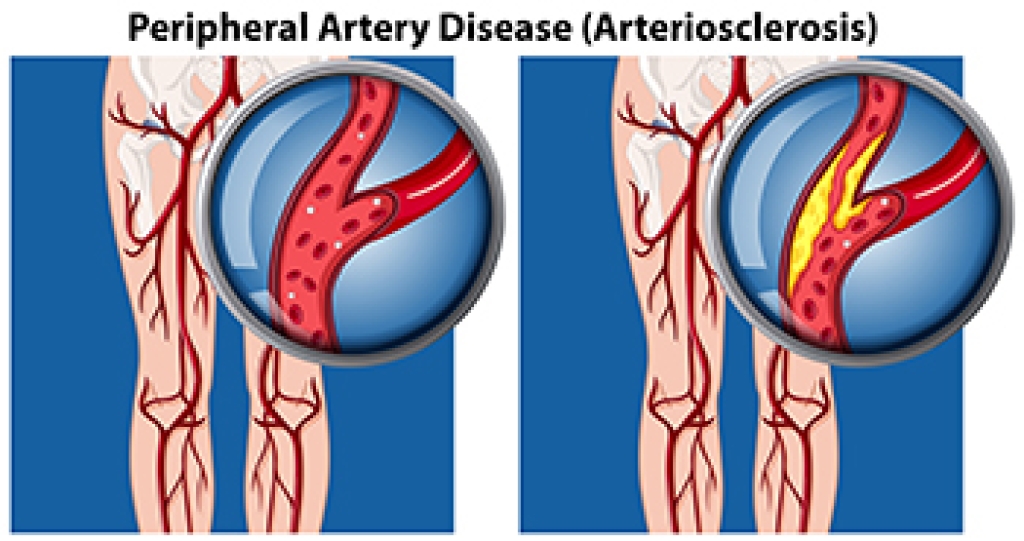
About 6.5 million people in the United States over the age of 40 have peripheral artery disease (PAD). It is a blockage in the arteries that supply blood to the extremities, but the condition is more common in the feet and lower limbs. Risk factors for peripheral artery disease include smoking, high blood pressure, diabetes, atherosclerosis, and high cholesterol. People over 60 are at further risk. The most common symptom of PAD is pain in the legs while active, but that subsides after resting. Sores in the legs or feet that don’t heal and cold or numb toes are other symptoms as well. If you believe you may have PAD, please consult a podiatrist for an examination and testing.  

Peripheral artery disease can pose a serious risk to your health. It can increase the risk of stroke and heart attack. If you have symptoms of peripheral artery disease, consult with Renee Rodriquez, DPM from Foot Clinic of South Texas. Our doctor will assess your condition and provide you with quality foot and ankle treatment.

Peripheral artery disease (PAD) is when arteries are constricted due to plaque (fatty deposits) build-up. This results in less blood flow to the legs and other extremities. The main cause of PAD is atherosclerosis, in which plaque builds up in the arteries.

Symptoms

Symptoms of PAD include:

  • Claudication (leg pain from walking)
  • Numbness in legs
  • Decrease in growth of leg hair and toenails
  • Paleness of the skin
  • Erectile dysfunction
  • Sores and wounds on legs and feet that won’t heal
  • Coldness in one leg

It is important to note that a majority of individuals never show any symptoms of PAD.

Diagnosis

While PAD occurs in the legs and arteries, Podiatrists can diagnose PAD. Podiatrists utilize a test called an ankle-brachial index (ABI). An ABI test compares blood pressure in your arm to you ankle to see if any abnormality occurs. Ultrasound and imaging devices may also be used.

Treatment

Fortunately, lifestyle changes such as maintaining a healthy diet, exercising, managing cholesterol and blood sugar levels, and quitting smoking, can all treat PAD. Medications that prevent clots from occurring can be prescribed. Finally, in some cases, surgery may be recommended.

If you have any questions, please feel free to contact our office located in Brownsville, TX . We offer the newest diagnostic and treatment technologies for all your foot care needs.

Read more about Peripheral Artery Disease

We Can Treat Your Foot or Ankle Pain

Foot or ankle pain can negatively affect your day-to-day life and can occur due to several different conditions. Pain can also be an indicator of a more serious underlying condition, which is why you should seek professional help as soon as you notice any abnormalities in your feet.

Connect With Us

Request Appointment Patient Portal