Yoga Foot Stretches

Stretching the feet can be important for a number of different reasons. First, stretching the feet strengthens the muscles in the feet, making them stronger and more resilient. Second, stretching the feet can also improve one’s stability and mobility. Stretching the feet can be accomplished in many different settings, and yoga is one important way. While standing up straight on a yoga mat, an individual can stretch their toes by placing them against a yoga block. Alternatively, a person might stretch their toes while on a mat by placing them on top of a tennis ball. Another important yoga stretch that incorporates the feet is by sitting on one’s knees and tucking the toes under, so that the toes are stretched out onto the yoga mat. If you are someone that wants to perform more foot stretches as part of your daily routine, consider taking up yoga. It is suggested to contact a podiatrist for more information.

Stretching the feet is a great way to prevent injuries. If you have any concerns with your feet consult with Renee Rodriquez, DPM from Foot Clinic of South Texas. Our doctor will assess your condition and provide you with quality foot and ankle treatment.

Stretching the Feet

Being the backbone of the body, the feet carry your entire weight and can easily become overexerted, causing cramps and pain. As with any body part, stretching your feet can serve many benefits. From increasing flexibility to even providing some pain relief, be sure to give your feet a stretch from time to time. This is especially important for athletes or anyone performing aerobic exercises, but anyone experiencing foot pain or is on their feet constantly should also engage in this practice.

Great ways to stretch your feet:

  • Crossing one leg over the others and carefully pull your toes back. Do 10-20 repetitions and repeat the process for each foot
  • Face a wall with your arms out and hands flat against the wall. Step back with one foot and keep it flat on the floor while moving the other leg forward. Lean towards the wall until you feel a stretch. Hold for 30 seconds and perform 10 repetitions for each foot
  • Be sure not to overextend or push your limbs too hard or you could risk pulling or straining your muscle

Individuals who tend to their feet by regular stretching every day should be able to minimize foot pain and prevent new problems from arising.

If you have any questions please contact our office located in Brownsville, TX . We offer the newest diagnostic and treatment technologies for all your foot and ankle needs.

Read more about How to Stretch Your Feet

What Podiatrists Do

A podiatrist is a medical professional that specializes in the diagnosis and treatment of foot conditions. In some states, podiatrists can also treat ankle and lower limb issues. Podiatrists must obtain a 4-year bachelor’s degree, attend four years of podiatric medical school, and undergo residency training for three or more years in hospitals or clinics. After completing training, they must pass a series of board certification exams. Once fully licensed in their state, they can show the letters DPM after their names, which stands for Doctor of Podiatric Medicine. If they choose to specialize, they must complete a fellowship and pass certification exams in the area(s) of specialization. This can include a variety of sub-specialties, including but not limited to orthotics, diabetes, and pediatric foot care. Though podiatrists are not technically physicians, they undergo as much training as medical doctors. Podiatrists differ from orthopedists in that they treat lower limb disorders and not musculoskeletal disorders of the body. If you are suffering from pain, numbness, or swelling in your feet or have any questions related to the feet, it is suggested that you make an appointment with a podiatrist who can talk to you at length.

If you are experiencing pain in the feet or ankles, don’t join the stubborn majority refusing treatment. Feel free to contact Renee Rodriquez, DPM from Foot Clinic of South Texas. Our doctor can provide the care you need to keep you pain-free and on your feet.

What Is a Podiatrist?

Someone would seek the care of a podiatrist if they have suffered a foot injury or have common foot ailments such as heal spurs, bunions, arch problems, deformities, ingrown toenails, corns, foot and ankle problems, etc.

Podiatric Treatment

A podiatrist will treat the problematic areas of the feet, ankle or lower leg by prescribing the following:

  • Physical therapy
  • Drugs
  • Orthotic inserts or soles
  • Surgery on lower extremity fractures

A common podiatric procedure a podiatrist will use is a scanner or force plate which will allow the podiatrist to know the designs of orthotics. Patients are then told to follow a series of tasks to complete the treatment. The computer will scan the foot a see which areas show weight distribution and pressure points. The podiatrist will read the analysis and then determine which treatment plans are available.

If you have any questions, please feel free to contact our office located in Brownsville, TX . We offer the newest diagnostic and treatment technologies for all your foot care needs.

Read more about What is a Podiatrist?

What Is Cuboid Syndrome?

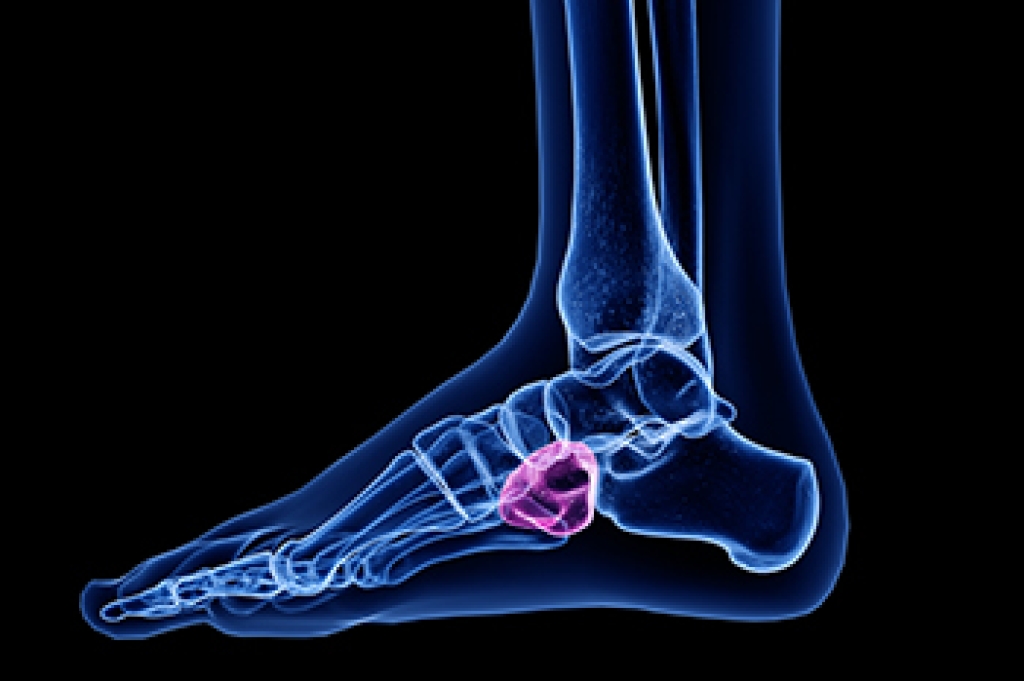
Cuboid syndrome causes lateral, or side, midfoot pain. It is thought to be a result of injury to the calcaneocuboid joint because of a recurrent or forceful impact on the cuboid bone. The cuboid is a small midfoot bone that connects the outer metatarsals to the heel bone. A person with cuboid syndrome usually has swelling, lateral foot pain, and an unnatural gait. This can happen from running over a protrusion in the ground, such as a tree root, spraining one’s ankle that does not respond to treatment, or from peroneal tendinopathy, which is overuse of the peroneal tendons. Diagnosis is often made by taking a history of the patient, asking about any injuries incurred, and examining the foot. If you are suffering from lateral midfoot pain, it is a good idea to see a podiatrist for a proper diagnosis and treatment.

Cuboid syndrome, also known as cuboid subluxation, occurs when the joints and ligaments near the cuboid bone in the foot become torn. If you have cuboid syndrome, consult with Renee Rodriquez, DPM from Foot Clinic of South Texas. Our doctor will assess your condition and provide you with quality foot and ankle treatment.

Cuboid syndrome is a common cause of lateral foot pain, which is pain on the outside of the foot. The condition may happen suddenly due to an ankle sprain, or it may develop slowly overtime from repetitive tension through the bone and surrounding structures.

Causes

The most common causes of cuboid syndrome include:

  • Injury – The most common cause of this ailment is an ankle sprain.
  • Repetitive Strain – Tension placed through the peroneus longus muscle from repetitive activities such as jumping and running may cause excessive traction on the bone causing it to sublux.
  • Altered Foot Biomechanics – Most people suffering from cuboid subluxation have flat feet.

Symptoms

A common symptom of cuboid syndrome is pain along the outside of the foot which can be felt in the ankle and toes. This pain may create walking difficulties and may cause those with the condition to walk with a limp.

Diagnosis

Diagnosis of cuboid syndrome is often difficult, and it is often misdiagnosed. X-rays, MRIs and CT scans often fail to properly show the cuboid subluxation. Although there isn’t a specific test used to diagnose cuboid syndrome, your podiatrist will usually check if pain is felt while pressing firmly on the cuboid bone of your foot.

Treatment

Just as the range of causes varies widely, so do treatments. Some more common treatments are ice therapy, rest, exercise, taping, and orthotics.

If you have any questions, please feel free to contact our office located in Brownsville, TX . We offer the newest diagnostic and treatment technologies for all your foot care needs.

Read more about Cuboid Syndrome

Stiff Shoes for Broken Toes

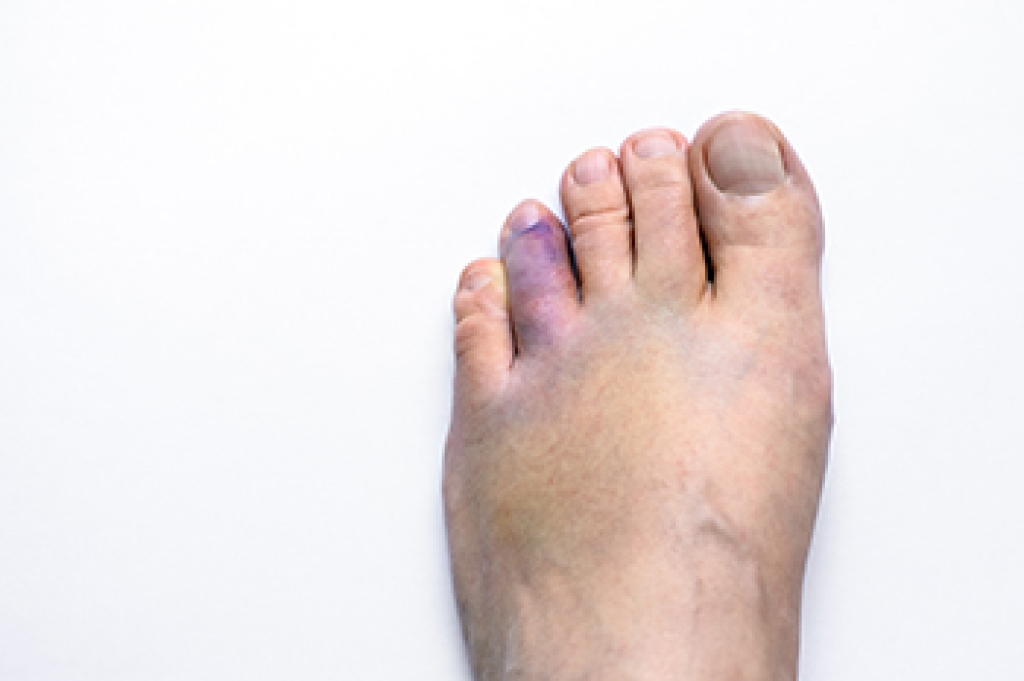
Broken, or fractured, toes are certainly nothing to take too lightly. As a result of breaking one’s toe, an individual can experience annoying symptoms such as pain, swelling, and discoloration of some sort. To help facilitate the healing process for broken toes, a medical professional like a podiatrist might recommend that the patient wears what is called a stiff-soled shoe. After a sufficient amount of time has passed, wearing this kind of shoe is helpful because it essentially minimizes the extent to which the toes move during physical activities, like walking. Consequently, the negative symptoms that are associated with broken toes are mitigated in the process. It is highly recommended that you contact a podiatrist if you think you have fractured your toes because this doctor can help you address any problems you might have. 

A broken toe can be very painful and lead to complications if not properly fixed. If you have any concerns about your feet, contact Renee Rodriquez, DPM from Foot Clinic of South Texas. Our doctor will treat your foot and ankle needs.

What to Know About a Broken Toe

Although most people try to avoid foot trauma such as banging, stubbing, or dropping heavy objects on their feet, the unfortunate fact is that it is a common occurrence. Given the fact that toes are positioned in front of the feet, they typically sustain the brunt of such trauma. When trauma occurs to a toe, the result can be a painful break (fracture).

Symptoms of a Broken Toe

  • Throbbing pain
  • Swelling
  • Bruising on the skin and toenail
  • The inability to move the toe
  • Toe appears crooked or disfigured
  • Tingling or numbness in the toe

Generally, it is best to stay off of the injured toe with the affected foot elevated.

Severe toe fractures may be treated with a splint, cast, and in some cases, minor surgery. Due to its position and the pressure it endures with daily activity, future complications can occur if the big toe is not properly treated.

If you have any questions, please feel free to contact our office located in Brownsville, TX . We offer the newest diagnostic and treatment technologies for all your foot care needs.

Read more about What to Know About a Broken Toe

Are Bunions Affecting Your Everyday Life?

Have you noticed a bony protrusion on the side of your big toe? If so, you may have developed the foot condition known as a bunion. Don't let bunions interfere with your daily activities.

Connect With Us

Request Appointment Patient Portal