Understanding Sever’s Disease

Pediatric calcaneal apophysitis, commonly known as Sever's disease, is a condition affecting the growth plate in the heel of children, typically between the ages of eight and 14. As children engage in physical activities and sports, the Achilles tendon exerts repetitive tension on the heel's growth plate, causing inflammation and pain. This condition is more prevalent during periods of rapid growth when the bone is susceptible to mechanical stress. Recognizing pediatric calcaneal apophysitis is vital as it causes heel pain, tenderness, and swelling, particularly after physical activities. Rest and reduced activity levels are primary components of managing Sever's disease, allowing the inflamed growth plate to heal. Wearing supportive footwear with adequate cushioning and heel cups can alleviate symptoms, while stretching exercises may help improve flexibility and reduce tension on the Achilles tendon. If your active child has heel pain, it is suggested that you schedule an appointment with a podiatrist who can provide an accurate diagnosis and a tailored treatment plan.  

Sever's disease often occurs in children and teens. If your child is experiencing foot or ankle pain, see Renee Rodriquez, DPM from Foot Clinic of South Texas. Our doctor can treat your child’s foot and ankle needs.

Sever’s Disease

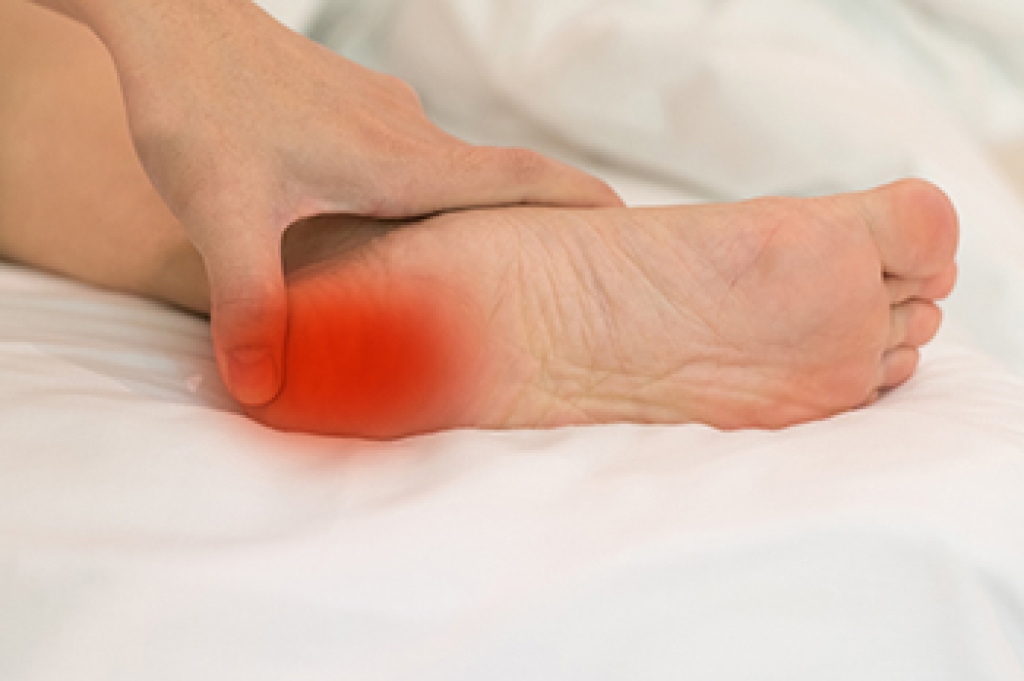
Sever’s disease is also known as calcaneal apophysitis, which is a medical condition that causes heel pain I none or both feet. The disease is known to affect children between the ages of 8 and 14.

Sever’s disease occurs when part of the child’s heel known as the growth plate (calcaneal epiphysis) is attached to the Achilles tendon. This area can suffer injury when the muscles and tendons of the growing foot do not keep pace with bone growth. Therefore, the constant pain which one experiences at the back of the heel will make the child unable to put any weight on the heel. The child is then forced to walk on their toes.

Symptoms

Acute pain – Pain associated with Sever’s disease is usually felt in the heel when the child engages in physical activity such as walking, jumping and or running.

Highly active – Children who are very active are among the most susceptible in experiencing Sever’s disease, because of the stress and tension placed on their feet.

If you have any questions, please feel free to contact our office located in Brownsville, TX . We offer the newest diagnostic and treatment technologies for all your foot care needs.

Read more about Sever's Disease

Orthotics and Shoe Size

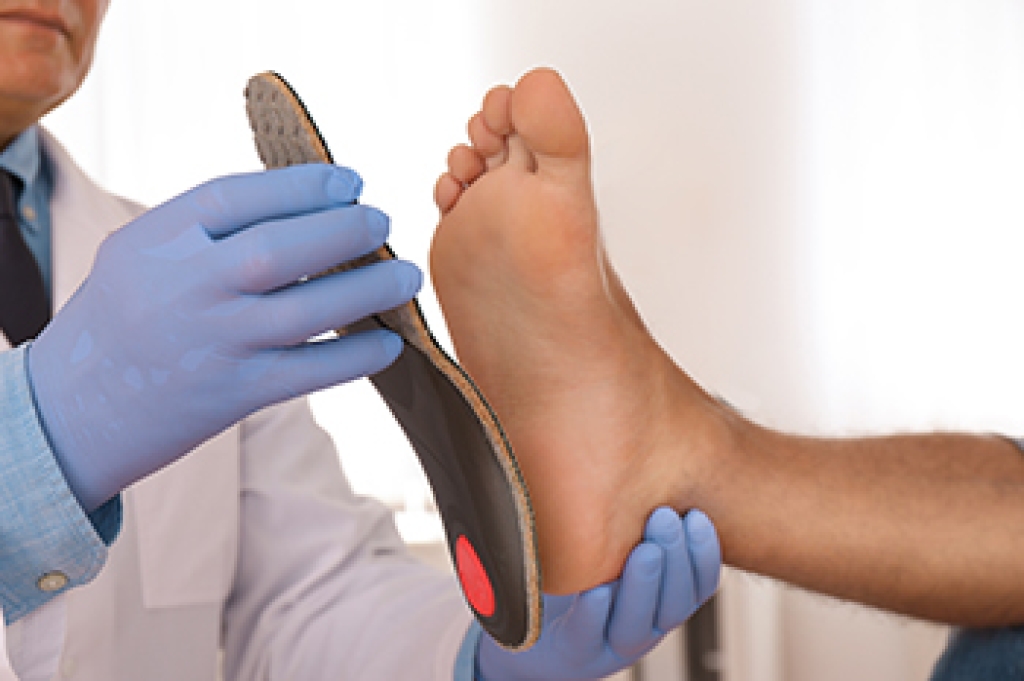
Custom-made orthotics play a vital role in foot health and comfort. They are designed to provide support, alleviate pain, and correct biomechanical issues such as flat feet or high arches. When a podiatrist makes orthotics, the size and fit of your shoes are considered, as the wrong combination can lead to discomfort or negate the benefits of the orthotics. Shoe size is not just about the length, it also involves width and depth, especially when considering the addition of orthotics. Shoes that are too tight while wearing orthotics can cause pressure and discomfort, and shoes that are too loose can result in inadequate support and stability. It is often recommended to choose shoes with a removable insole, offering extra depth and a better fit for the orthotic. Some orthotic-friendly shoes are designed with additional features like a wide toe box or extra depth, ensuring a comfortable fit without compromising the orthotic's function. If you are considering custom-made orthotics, it is suggested that you schedule an appointment with a podiatrist and wear the shoes that are best equipped for orthotic use for a proper fit.

If you are having discomfort in your feet and would like to try orthotics, contact Renee Rodriquez, DPM from Foot Clinic of South Texas. Our doctor can provide the care you need to keep you pain-free and on your feet.

What Are Orthotics?

Orthotics are inserts you can place into your shoes to help with a variety of foot problems such as flat feet or foot pain. Orthotics provide relief and comfort for minor foot and heel pain but can’t correct serious biomechanical problems in your feet.

Over-the-Counter Inserts

Orthotics come in a wide variety of over-the-counter inserts that are used to treat foot pain, heel pain, and minor problems. For example, arch supports can be inserted into your shoes to help correct overarched or flat feet, while gel insoles are often used because they provide comfort and relief from foot and heel pain by alleviating pressure.

Prescription Orthotics

If over-the-counter inserts don’t work for you or if you have a more severe foot concern, it is possible to have your podiatrist prescribe custom orthotics. These high-quality inserts are designed to treat problems such as abnormal motion, plantar fasciitis, and severe forms of heel pain. They can even be used to help patients suffering from diabetes by treating foot ulcers and painful calluses and are usually molded to your feet individually, which allows them to provide full support and comfort.

If you are experiencing minor to severe foot or heel pain, it’s recommended to speak with your podiatrist about the possibilities of using orthotics. A podiatrist can determine which type of orthotic is right for you and allow you to take the first steps towards being pain-free.

If you have any questions, please feel free to contact our office located in Brownsville, TX . We offer the newest diagnostic and treatment technologies for all your foot care needs.

Read more about Foot Orthotics

Definition of and Educational Pathways for Podiatrists

A podiatrist, known as a foot and ankle specialist, is a healthcare professional dedicated to the diagnosis, treatment, and prevention of conditions affecting the lower extremities. With an emphasis on maintaining optimal foot health, podiatrists address a diverse array of issues, including but not limited to, bunions, ingrown toenails, and biomechanical abnormalities. Becoming a podiatrist involves a rigorous educational journey. Aspiring professionals typically embark on a Doctor of Podiatric Medicine, or DPM program, which encompasses comprehensive studies in anatomy, physiology, and clinical rotations focusing on podiatric medicine and surgery. This extensive education equips podiatrists with the knowledge and skills necessary to provide specialized care for foot and ankle ailments. The dedication to this unique branch of healthcare ensures that podiatrists are well-versed in the complexities of lower limb conditions. If you have foot or ankle problems or are interested in pursuing podiatry as a career choice, it is suggested that you confer with this type of doctor who can provide care and information sought.

If you are dealing with pain in your feet and ankles, you may want to seek help from a podiatrist. Feel free to contact Renee Rodriquez, DPM from Foot Clinic of South Texas. Our doctor can provide the care you need to keep you pain-free and on your feet.

What Is a Podiatrist?

A podiatrist is a doctor of podiatric medicine who diagnoses and treats conditions of the foot, ankle, and related structures of the leg. Your podiatrist may specialize in a certain field such as sports medicine, wound care, pediatrics, and diabetic care. Podiatrists have the ability to become board certified through training, clinical experience, and then taking an exam.

What Do Podiatrists Do?

On a daily basis, a podiatrist may perform the following activities:

  • Diagnose foot ailments such as ulcers, tumors, fractures, etc.
  • Use innovative methods to treat conditions
  • Use corrective orthotics, casts, and strappings to correct deformities
  • Correct walking patterns and balance
  • Provide individual consultations to patients

It is very important that you take care of your feet. It’s easy to take having healthy feet for granted, however foot problems tend to be among the most common health conditions. Podiatrists can help diagnose and treat a variety of feet related conditions, so it is crucial that you visit one if you need assistance.

If you have any questions, please feel free to contact our office located in Brownsville, TX . We offer the newest diagnostic and treatment technologies for all your foot care needs.

Read more about What is a Podiatrist?

Common Causes of Plantar Fasciitis Unveiled

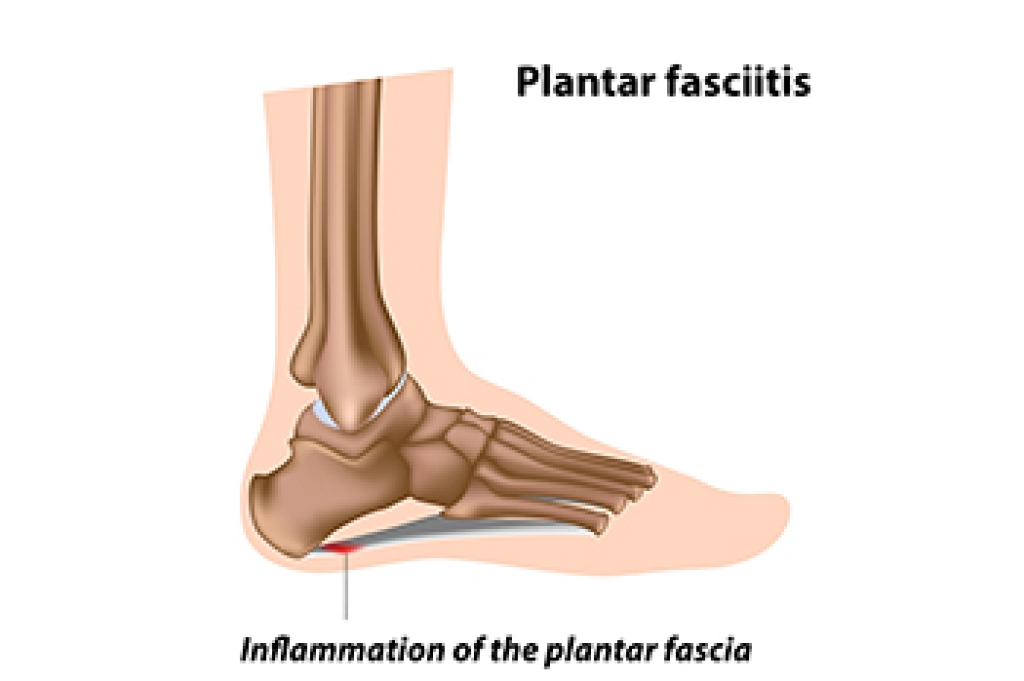
Plantar fasciitis, a commn cause of heel pain, is a condition that occurs when the plantar fascia, a thick band of tissue that connects the heel bone to the toes, becomes inflamed and irritated. Several common factors contribute to the development of plantar fasciitis. One primary cause is excessive or repetitive strain on the feet. This often results from activities that place a significant burden on the plantar fascia, like prolonged standing, walking, or running, especially on hard surfaces. Footwear with inadequate arch support or cushioning can exacerbate the condition. Sudden weight gain or obesity is another contributing factor, as it places additional pressure on the feet. Tight calf muscles and Achilles tendons can also lead to plantar fasciitis by altering the mechanics of the foot, affecting the way it absorbs shock and distributes weight. Understanding these common causes is essential for both preventing and managing plantar fasciitis. If you have heel pain, it is strongly suggested that you are under the care of a podiatrist who can effectively diagnose and treat this condition.

Plantar fasciitis is a common foot condition that is often caused by a strain injury. If you are experiencing heel pain or symptoms of plantar fasciitis, contact Renee Rodriquez, DPM from Foot Clinic of South Texas. Our doctor can provide the care you need to keep you pain-free and on your feet.

What Is Plantar Fasciitis?

Plantar fasciitis is one of the most common causes of heel pain. The plantar fascia is a ligament that connects your heel to the front of your foot. When this ligament becomes inflamed, plantar fasciitis is the result. If you have plantar fasciitis you will have a stabbing pain that usually occurs with your first steps in the morning. As the day progresses and you walk around more, this pain will start to disappear, but it will return after long periods of standing or sitting.

What Causes Plantar Fasciitis?

  • Excessive running
  • Having high arches in your feet
  • Other foot issues such as flat feet
  • Pregnancy (due to the sudden weight gain)
  • Being on your feet very often

There are some risk factors that may make you more likely to develop plantar fasciitis compared to others. The condition most commonly affects adults between the ages of 40 and 60. It also tends to affect people who are obese because the extra pounds result in extra stress being placed on the plantar fascia.

Prevention

  • Take good care of your feet – Wear shoes that have good arch support and heel cushioning.
  • Maintain a healthy weight
  • If you are a runner, alternate running with other sports that won’t cause heel pain

There are a variety of treatment options available for plantar fasciitis along with the pain that accompanies it. Additionally, physical therapy is a very important component in the treatment process. It is important that you meet with your podiatrist to determine which treatment option is best for you.

If you have any questions, please feel free to contact our office located in Brownsville, TX . We offer the newest diagnostic and treatment technologies for all your foot care needs.


Read more about Plantar Fasciitis

The Benefits of Foot Exercises

Foot exercises are an often underestimated yet invaluable practice for maintaining overall well-being. Your feet, the foundation of your body, carry the weight of your daily life. Engaging in regular foot exercises brings numerous benefits, including improved balance, enhanced flexibility, and reduced risk of common foot problems. Stretching and strengthening exercises can alleviate foot pain and discomfort, making them particularly useful for those with conditions such as plantar fasciitis or bunions. Foot exercises may also help to enhance blood circulation, which can have a positive impact on your overall cardiovascular health. Moreover, as your feet and lower limbs become stronger, you will experience better posture and alignment, reducing strain on your joints and spine. Embracing these exercises as part of your routine can lead to healthier, happier feet, allowing you to move through life with comfort and confidence. Exercising the feet can bring stability to the body. If you are interested in learning more about specific foot exercises to perform, it is suggested that you confer with a podiatrist.

Exercising your feet regularly with the proper foot wear is a great way to prevent injuries and build strength. If you have any concerns about your feet, contact Renee Rodriquez, DPM from Foot Clinic of South Texas. Our doctor can provide the care you need to keep you pain-free and on your feet.

Exercise for Your Feet

Exercise for your feet can help you gain strength, mobility and flexibility in your feet. They say that strengthening your feet can be just as rewarding as strengthening another part of the body. Your feet are very important, and we often forget about them in our daily tasks. But it is because of our feet that are we able to get going and do what we need to. For those of us fortunate enough to not have any foot problems, it is an important gesture to take care of them to ensure good health in the long run.

Some foot health exercises can include ankle pumps, tip-toeing, toe rises, lifting off the floor doing reps and sets, and flexing the toes. It is best to speak with Our doctor to determine an appropriate regimen for your needs. Everyone’s needs and bodies are different, and the activities required to maintain strength in the feet vary from individual to individual. 

Once you get into a routine of doing regular exercise, you may notice a difference in your feet and how strong they may become.

If you have any questions, please feel free to contact our office located in Brownsville, TX . We offer the newest diagnostic and treatment technologies for all your foot care needs.

Read more about Exercise for Your Feet

Reminder: When Was the Last Time...?

Custom orthotics, or shoe inserts, should be periodically replaced. Orthotics must fit properly to give you the best results. Protect your feet and ankles!

Causes and Risk Factors of Ankle Sprains

Ankle sprains are common injuries that can occur during various activities in everyday life. Ankle sprains can be caused by walking on uneven terrain or engaging in sports that involve rapid changes in direction or sudden stops, starts, and pivots.  A sprain can also be caused by falling while keeping the foot planted on the ground. This exerts sudden and excessive force on the ankle, causing it to twist. Choice of footwear can play a role in ankle health. Wearing high-heeled or unsupportive shoes can increase the risk of instability and make ankle sprains more likely. A history of ankle sprains is a significant risk factor. If a previous ankle injury was not effectively rehabilitated, weakened ligaments may not provide the support they once did, increasing the risk of reinjury. Symptoms of a sprained ankle include immediate pain, swelling, discoloration, or bruising around the sprained area. Additionally, weakness can make it challenging or impossible to bear weight. In severe cases where ankle ligaments are torn, you may feel a popping or snapping sensation during the sprain. If you suspect you have sprained your ankle, it is suggested that you make an appointment with a podiatrist as quickly as possible following the injury.

Although ankle sprains are common, they aren’t always minor injuries. If you need your ankle injury looked at, contact Renee Rodriquez, DPM from Foot Clinic of South Texas. Our doctor can provide the care you need to keep you pain-free and on your feet.

How Does an Ankle Sprain Occur?

Ankle sprains are the result of a tear in the ligaments within the ankle. These injuries may happen when you make a rapid shifting movement while your foot is planted. A less common way to sprain your ankle is when your ankle rolls inward while your foot turns outward.

What Are the Symptoms?

  • Pain at the sight of the tear
  • Bruising/Swelling
  • Ankle area is tender to touch
  • In severe cases, may hear/feel something tear
  • Skin discoloration

Preventing a Sprain

  • Wearing appropriate shoes for the occasion
  • Stretching before exercises and sports
  • Knowing your limits

Treatment of a Sprain

In many cases, the RICE method (Rest, Ice, Compression, and Elevate) is used to treat ankle sprains. However, you should see a podiatrist to see which treatment option would work best with your injury. In severe cases, surgery may be required.

It is important to ask your doctor about rehab options after you receive treatment for your injury. Stretching, strength training, and balance exercises may help the ankle heal while also preventing further injury.

If you have any questions, please feel free to contact our office located in Brownsville, TX . We offer the newest diagnostic and treatment technologies for all your foot care needs.

Read more about Ankle Sprains

When to See a Doctor for a Broken Toe

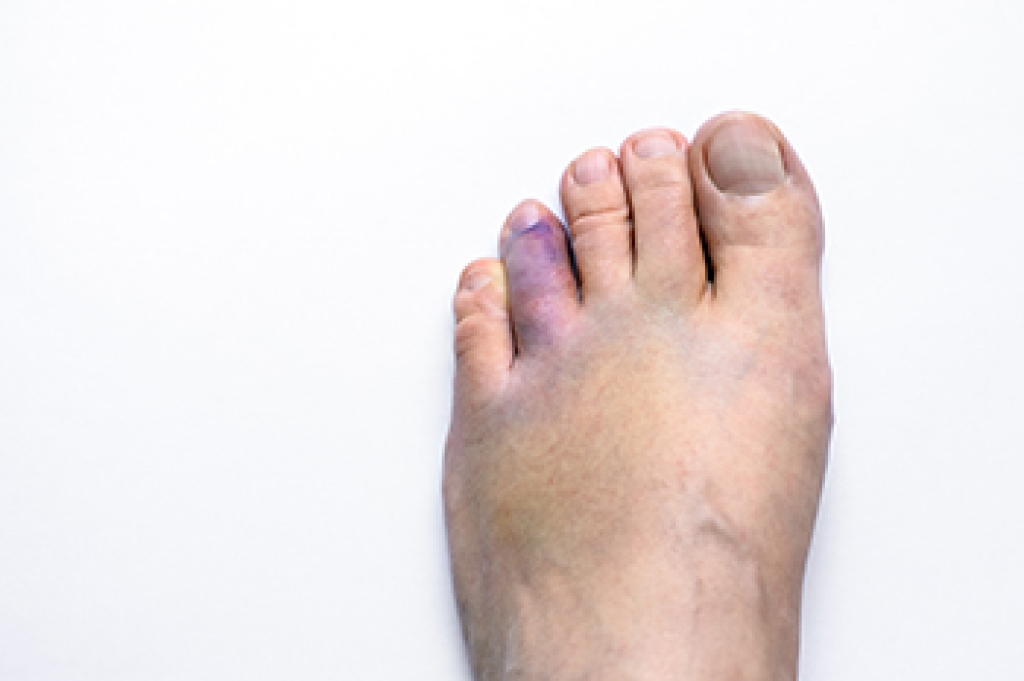
Breaking a toe can result in pain, swelling, and bruising due to internal bleeding. The area may look misshapen, especially if the bone ends are displaced or if the fracture extends into the toe joint. The big toe, which bears more weight during walking, is especially painful when fractured. Distinguishing a broken toe from a sprain or strain can be challenging, but a misshaped toe often indicates a fracture. An X-ray is typically the definitive method for diagnosis. Broken toes are common and often do not require specific treatment. However, it is essential to see a podiatrist if pain intensifies, swelling persists, or if the toe appears misaligned. For more severe toe fractures, treatment can involve a cast, especially for the big toe, which plays an essential role in balance. Surgery may be necessary in some cases, which can involve using metal wires, plates, or external fixation methods. Possible complications post-fracture include failed bone healing, infections, stiffness, persistent pain, and post-traumatic arthritis. If you have a broken toe that is not healing on its own, it is strongly suggested that you make an appointment with a podiatrist for necessary treatment.

Broken toes may cause a lot of pain and should be treated as soon as possible. If you have any concerns about your feet, contact Renee Rodriquez, DPM from Foot Clinic of South Texas. Our doctor will treat your foot and ankle needs.

What Is a Broken Toe?

A broken toe occurs when one or more of the toe bones of the foot are broken after an injury. Injuries such as stubbing your toe or dropping a heavy object on it may cause a toe fracture.

Symptoms of a Broken Toe

  • Swelling
  • Pain (with/without wearing shoes)
  • Stiffness
  • Nail Injury

Although the injured toe should be monitored daily, it is especially important to have a podiatrist look at your toe if you have severe symptoms. Some of these symptoms include worsening or new pain that is not relieved with medication, sores, redness, or open wounds near the toe.

If you have any questions please feel free to contact our office located in Brownsville, TX . We offer the newest diagnostic tools and technology to treat your foot and ankle needs.

Read more about What to Know About a Broken Toe

Foot Stretches to Relieve Arch Pain

Managing arch pain can be a hindrance to your daily activities, but specific types of exercises can help to alleviate this discomfort and strengthen the arches of your feet. One effective exercise is the arch stretch. This can help foot conditions such as plantar fasciitis Simply sit on the floor and place a tennis ball under the arch of your foot. Roll the ball gently, allowing it to massage the arch area. Another helpful foot stretch is toe tapping. While seated, lift your foot off the ground and tap your toes on the floor, starting slowly and gradually increasing the speed. Towel curls are excellent for strengthening the muscles of the arch. These are done by sitting on a chair with your foot on a towel placed on the floor, and scrunching the towel using your toes. Regularly performing these exercises can relieve arch pain and contribute to stronger, more resilient feet. If you would like additional foot stretches to perform for relieving arch pain, it is suggested that you consult a podiatrist.

Stretching the feet is a great way to prevent injuries. If you have any concerns with your feet consult with Renee Rodriquez, DPM from Foot Clinic of South Texas. Our doctor will assess your condition and provide you with quality foot and ankle treatment.

Stretching the Feet

Stretching the muscles in the foot is an important part in any physical activity. Feet that are tight can lead to less flexibility and make you more prone to injury. One of the most common forms of foot pain, plantar fasciitis, can be stretched out to help ease the pain. Stretching can not only ease pain from plantar fasciitis but also prevent it as well. However, it is important to see a podiatrist first if stretching is right for you. Podiatrists can also recommend other ways to stretch your feet. Once you know whether stretching is right for you, here are some excellent stretches you can do.

  • Using a foam roller or any cylindrical object (a water bottle or soda can will do), roll the object under your foot back and forth. You should also exert pressure on the object. Be sure to do this to both feet for a minute. Do this exercise three times each.
  • Similar to the previous one, take a ball, such as a tennis ball, and roll it under your foot while seated and exert pressure on it.
  • Grab a resistance band or towel and take a seat. If you are using a towel, fold it length wise. Next put either one between the ball of your foot and heel and pull with both hands on each side towards you. Hold this for 15 seconds and then switch feet. Do this three times for each foot.
  • Finally hold your big toe while crossing one leg over the other. Pull the toe towards you and hold for 15 seconds. Once again do this three times per foot.

It is best to go easy when first stretching your foot and work your way up. If your foot starts hurting, stop exercising and ice and rest the foot. It is advised to then see a podiatrist for help.

If you have any questions please contact our office located in Brownsville, TX . We offer the newest diagnostic and treatment technologies for all your foot and ankle needs.

Read more about Stretching Your Feet

Alternative Therapies for Non-Healing Diabetic Foot Ulcers

Maggot therapy, also known as Maggot Debridement Therapy, MDT, or Larval therapy, has a long history in medicine and has gained recent recognition for its unique ability to save limbs. This biotherapy involves placing disinfected maggots, often the larvae of the greenbottle blowfly, on wounds, such as diabetic foot ulcers, to debride necrotic tissues. It is particularly effective when antibiotics fail to combat bacterial infections in non-healing wounds, potentially preventing limb amputations. Maggots work by secreting special enzymes, which break down necrotic tissue, making it easier to digest and absorb. They also produce antibiotic-like agents and release ammonia to inhibit bacterial growth in the wound. Administration involves placing sterile maggots within a dressing on the wound for 48 to 72 hours. This therapy has broad applications, including diabetic ulcers, vascular ulcers, pressure ulcers, and even malignant wounds. Studies have shown that maggot therapy accelerates wound healing, reduces necrotic tissue, and decreases wound odor. While this therapy is highly effective, it should not be used for wounds near vital organs or blood vessels and in septic patients. Additional research can further expand the applications of this therapy, however, it saves 40 to 50 percent of limbs when used as a last resort. If you have a non-healing diabetic foot wound and would like alternative treatments for healing, it is suggested that you make an appointment with a podiatrist to discuss this further.

Wound care is an important part in dealing with diabetes. If you have diabetes and a foot wound or would like more information about wound care for diabetics, consult with Renee Rodriquez, DPM from Foot Clinic of South Texas. Our doctor will assess your condition and provide you with quality foot and ankle treatment.

What Is Wound Care?

Wound care is the practice of taking proper care of a wound. This can range from the smallest to the largest of wounds. While everyone can benefit from proper wound care, it is much more important for diabetics. Diabetics often suffer from poor blood circulation which causes wounds to heal much slower than they would in a non-diabetic. 

What Is the Importance of Wound Care?

While it may not seem apparent with small ulcers on the foot, for diabetics, any size ulcer can become infected. Diabetics often also suffer from neuropathy, or nerve loss. This means they might not even feel when they have an ulcer on their foot. If the wound becomes severely infected, amputation may be necessary. Therefore, it is of the upmost importance to properly care for any and all foot wounds.

How to Care for Wounds

The best way to care for foot wounds is to prevent them. For diabetics, this means daily inspections of the feet for any signs of abnormalities or ulcers. It is also recommended to see a podiatrist several times a year for a foot inspection. If you do have an ulcer, run the wound under water to clear dirt from the wound; then apply antibiotic ointment to the wound and cover with a bandage. Bandages should be changed daily and keeping pressure off the wound is smart. It is advised to see a podiatrist, who can keep an eye on it.

If you have any questions please contact our office located in Brownsville, TX . We offer the newest diagnostic and treatment technologies for all your foot and ankle needs.

Read more about Wound Care

Connect With Us

Request Appointment Patient Portal