
The Agony of Gout and How a Podiatrist Can Help

Gout is a painful form of arthritis that often affects the big toe, though it can strike other joints in the feet and ankles. It tends to occur more commonly in men over 40 and in women after menopause. Gout develops when uric acid builds up in the bloodstream and forms sharp crystals in the joints. These crystals cause sudden and intense pain, redness, swelling, and warmth that may make even a bedsheet feel unbearable against the skin. The affected joint often appears shiny and inflamed, and attacks can come on suddenly, sometimes overnight. A podiatrist can help by accurately diagnosing gout through examination, imaging, and lab testing. Treatments include medication to reduce pain and inflammation, dietary guidance, and strategies to prevent future flare ups. It is suggested that if you experience symptoms of gout, you make an appointment with a podiatrist for professional care and relief.

Gout is a painful condition that can be treated. If you are seeking treatment, contact Renee Rodriquez, DPM from Foot Clinic of South Texas. Our doctor will treat your foot and ankle needs.

What Is Gout?

Gout is a form of arthritis that is characterized by sudden, severe attacks of pain, redness, and tenderness in the joints. The condition usually affects the joint at the base of the big toe. A gout attack can occur at any random time, such as the middle of the night while you are asleep.

Symptoms

  • Intense Joint Pain - Usually around the large joint of your big toe, and it most severe within the first four to twelve hours
  • Lingering Discomfort - Joint discomfort may last from a few days to a few weeks
  • Inflammation and Redness -Affected joints may become swollen, tender, warm and red
  • Limited Range of Motion - May experience a decrease in joint mobility

Risk Factors

  • Genetics - If family members have gout, you’re more likely to have it
  • Medications - Diuretic medications can raise uric acid levels
  • Gender/Age - Gout is more common in men until the age of 60. It is believed that estrogen protects women until that point
  • Diet - Eating red meat and shellfish increases your risk
  • Alcohol - Having more than two alcoholic drinks per day increases your risk
  • Obesity - Obese people are at a higher risk for gout

Prior to visiting your podiatrist to receive treatment for gout, there are a few things you should do beforehand. If you have gout you should write down your symptoms--including when they started and how often you experience them, important medical information you may have, and any questions you may have. Writing down these three things will help your podiatrist in assessing your specific situation so that he or she may provide the best route of treatment for you.

If you have any questions, please feel free to contact our office located in Brownsville, TX . We offer the newest diagnostic and treatment technologies for all your foot care needs.

Read more about Everything You Need to Know About Gout

When a Toenail Needs to Be Removed

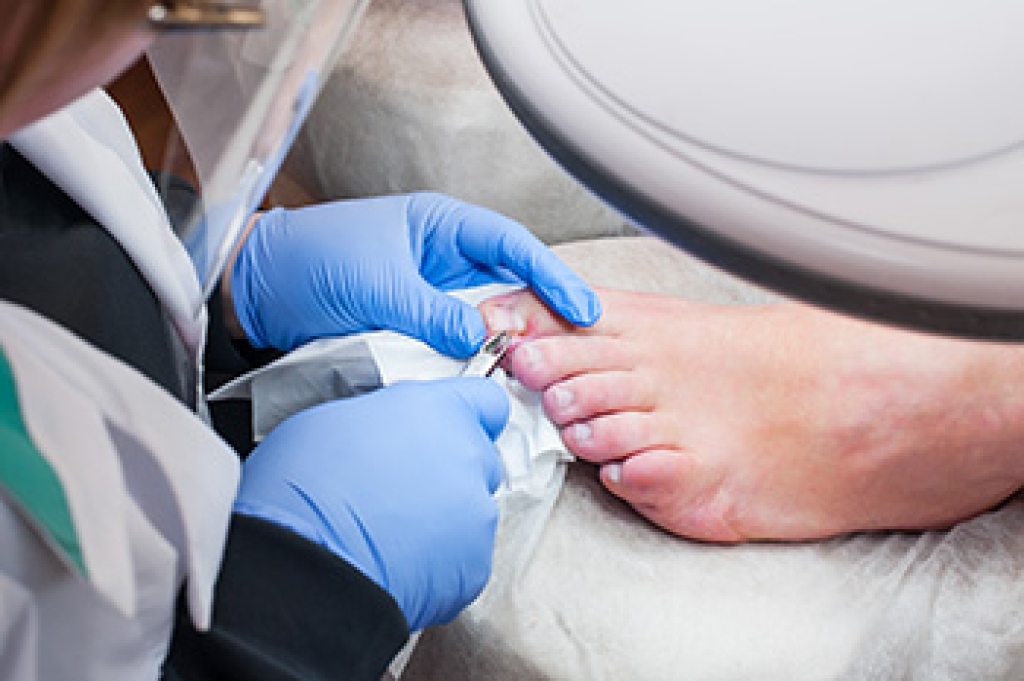
Toenail removal is sometimes necessary when severe injury, chronic ingrown growth, or infection damages the nail and surrounding tissue. An ingrown toenail occurs when the nail edge presses into the skin, leading to inflammation, drainage, and discomfort that worsens with pressure or while wearing tight shoes. If an infection develops or the nail repeatedly grows into the skin, removal may be needed to prevent further tissue damage. A podiatrist can determine whether partial or complete toenail removal is appropriate. In some cases, the nail matrix, which is the tissue that produces nail growth, is treated to prevent recurrence. This procedure is typically performed under local anesthesia, allowing the podiatrist to remove the affected section and safely clean the area. If you have a seriously infected toenail, it is suggested that you promptly schedule an appointment with a podiatrist who can offer effective treatment and relief solutions, which may include minor surgery.

Foot surgery is sometimes necessary to treat a foot ailment. To learn more, contact Renee Rodriquez, DPM of Foot Clinic of South Texas. Our doctor will assist you with all of your foot and ankle needs.

When Is Surgery Necessary?

Foot and ankle surgery is generally reserved for cases in which less invasive, conservative procedures have failed to alleviate the problem. Some of the cases in which surgery may be necessary include:

  • Removing foot deformities like bunions and bone spurs
  • Severe arthritis that has caused bone issues
  • Cosmetic reconstruction

What Types of Surgery Are There?

The type of surgery you receive will depend on the nature of the problem you have. Some of the possible surgeries include:

  • Bunionectomy for painful bunions
  • Surgical fusion for realignment of bones
  • Neuropathy decompression surgery to treat nerve damage

Benefits of Surgery

Although surgery is usually a last resort, it can provide more complete pain relief compared to non-surgical methods and may allow you to finally resume full activity.

Surgical techniques have also become increasingly sophisticated. Techniques like endoscopic surgery allow for smaller incisions and faster recovery times.

If you have any questions, please feel free to contact our office located in Brownsville, TX . We offer the newest diagnostic and treatment technologies for all your foot care needs.

Read more about Foot Surgery

Do You Suffer From Painful Feet?

Painful deformities, such as hammertoes, can be treated. Stop living with foot pain, and have beautiful feet again!

Common Foot Injuries in Pickleball

Pickleball’s rapid rise in popularity has also brought an increase in foot and ankle injuries among players. Quick pivots, sudden lunges, and rapid stops put significant stress on the feet, often leading to plantar fasciitis, ankle sprains, and Achilles tendon ruptures. The Achilles tendon, which connects the calf muscles to the heel, is especially vulnerable during explosive movements causing tears or ruptures. Strains of the peroneal tendons along the outside of the ankle or stress fractures of the metatarsals in the forefoot may result from repetitive pounding on hard surfaces. Mild sprains or bruising can impact stability, making it harder to push off, jump, or change direction. A podiatrist can provide a full evaluation, order imaging if necessary, and offer advanced treatment options to restore mobility and reduce long-term complications. If you are experiencing foot or ankle pain after playing pickleball, it is suggested that you schedule an appointment with a podiatrist for an exam and appropriate treatment.

Sports related foot and ankle injuries require proper treatment before players can go back to their regular routines. For more information, contact Renee Rodriquez, DPM of Foot Clinic of South Texas. Our doctor can provide the care you need to keep you pain-free and on your feet.

Sports Related Foot and Ankle Injuries

Foot and ankle injuries are a common occurrence when it comes to athletes of any sport. While many athletes dismiss the initial aches and pains, the truth is that ignoring potential foot and ankle injuries can lead to serious problems. As athletes continue to place pressure and strain the area further, a mild injury can turn into something as serious as a rupture and may lead to a permanent disability. There are many factors that contribute to sports related foot and ankle injuries, which include failure to warm up properly, not providing support or wearing bad footwear. Common injuries and conditions athletes face, including:

  • Plantar Fasciitis
  • Achilles Tendinitis
  • Achilles Tendon Rupture
  • Ankle Sprains

Sports related injuries are commonly treated using the RICE method. This includes rest, applying ice to the injured area, compression and elevating the ankle. More serious sprains and injuries may require surgery, which could include arthroscopic and reconstructive surgery. Rehabilitation and therapy may also be required in order to get any recovering athlete to become fully functional again. Any unusual aches and pains an athlete sustains must be evaluated by a licensed, reputable medical professional.

If you have any questions please contact our office located in Brownsville, TX . We offer the newest diagnostic and treatment technologies for all your foot and ankle needs.

Read more about Sports Related Foot And Ankle Injuries

When Rheumatoid Arthritis Disfigures the Feet

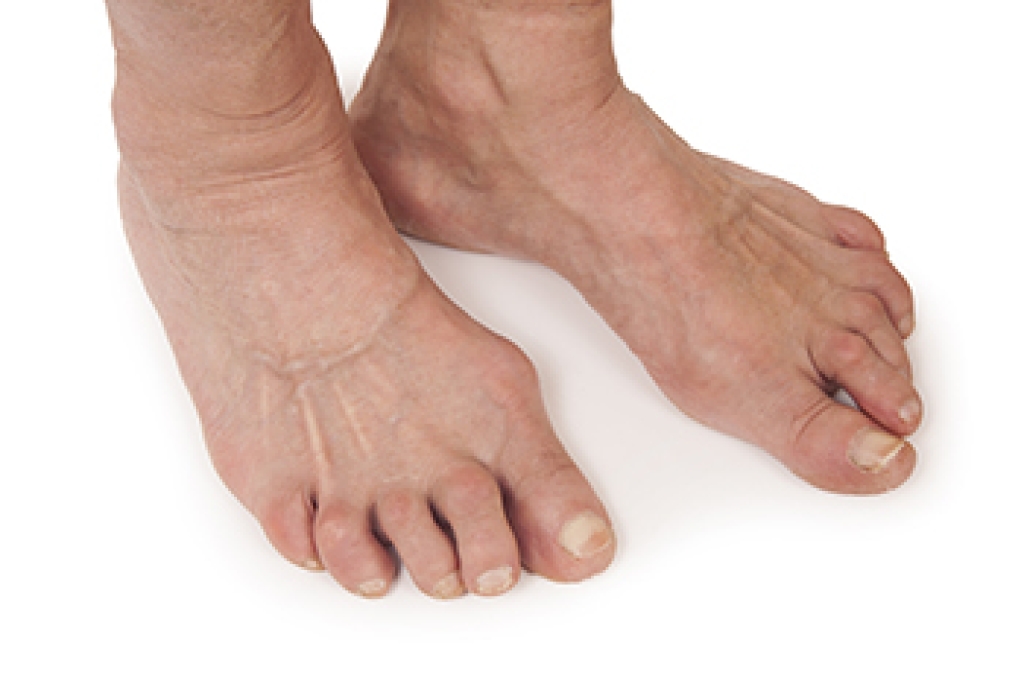
Rheumatoid arthritis can cause inflammation that damages the joints in the feet, leading to visible disfigurements and pain. Over time, the immune system attacks the lining of the joints, weakening soft tissues and causing bones to shift out of place. This may result in toes drifting toward one side, collapsed arches, bunion formation, or claw-like deformities. These changes often make walking difficult and finding comfortable shoes challenging. Early treatment helps slow joint damage and reduce discomfort. Supportive footwear, custom orthotics, and anti-inflammatory medications can relieve pressure and improve stability. In advanced cases, surgical correction may be needed to restore function and alignment. If you suffer from painful rheumatoid arthritis in your feet, it is suggested that you see a podiatrist for effective relief options.

Because RA affects more than just your joints, including the joints in your feet and ankles, it is important to seek early diagnosis from your podiatrist if you feel like the pain in your feet might be caused by RA. For more information, contact Renee Rodriquez, DPM of Foot Clinic of South Texas. Our doctor will assist you with all of your podiatric concerns.

What Is Rheumatoid Arthritis?

Rheumatoid Arthritis (RA) is an autoimmune disorder in which the body’s own immune system attacks the membranes surrounding the joints. Inflammation of the lining and eventually the destruction of the joint’s cartilage and bone occur, causing severe pain and immobility.

Rheumatoid Arthritis of the Feet

Although RA usually attacks multiple bones and joints throughout the entire body, almost 90 percent of cases result in pain in the foot or ankle area.

Symptoms

  • Swelling and pain in the feet
  • Stiffness in the feet
  • Pain on the ball or sole of feet
  • Joint shift and deformation

Diagnosis

Quick diagnosis of RA in the feet is important so that the podiatrist can treat the area effectively. Your doctor will ask you about your medical history, occupation, and lifestyle to determine the origin of the condition. Rheumatoid Factor tests help to determine if someone is affected by the disease.

If you have any questions, please feel free to contact our office located in Brownsville, TX . We offer the newest diagnostic and treatment technologies for all your foot care needs.
Read more about Rheumatoid Arthritis in the Feet

Causes of Itchy Feet

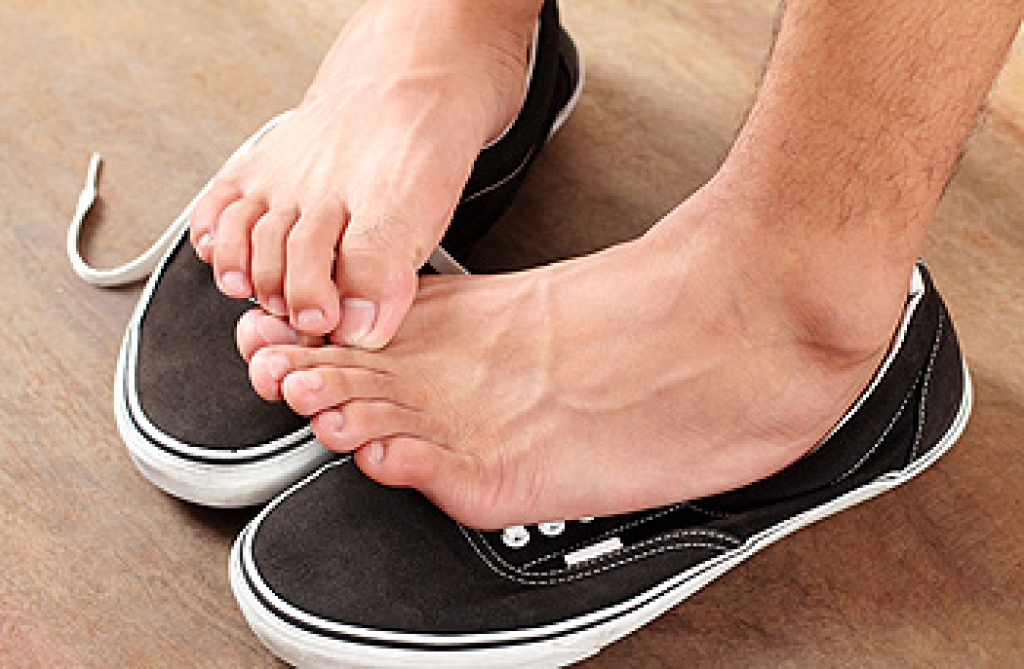
Itchy feet, also known as pruritus, can be an uncomfortable and distracting condition. Causes may include dry environments that strip the skin of moisture, infectious bacteria or fungi that irritate the skin, and underlying skin conditions, such as eczema or psoriasis. Symptoms often include redness, flaking, swelling, or persistent itching that may worsen at night. These issues can interfere with sleep, daily comfort, and overall foot health, if left untreated. A podiatrist can identify the cause of the itching through examination, testing, and tailored treatment plans to relieve symptoms and prevent recurrence. If you are struggling with itchy feet, it is suggested that you schedule an appointment with a podiatrist for effective relief solutions.

Foot Pain

Foot pain can be extremely painful and debilitating. If you have a foot pain, consult with Renee Rodriquez, DPM from Foot Clinic of South Texas. Our doctor will assess your condition and provide you with quality foot and ankle treatment.

Causes

Foot pain is a very broad condition that could be caused by one or more ailments. The most common include:

  • Bunions
  • Hammertoes
  • Plantar Fasciitis
  • Bone Spurs
  • Corns
  • Tarsal Tunnel Syndrome
  • Ingrown Toenails
  • Arthritis (such as Gout, Rheumatoid, and Osteoarthritis)
  • Flat Feet
  • Injury (from stress fractures, broken toe, foot, ankle, Achilles tendon ruptures, and sprains)
  • And more

Diagnosis

To figure out the cause of foot pain, podiatrists utilize several different methods. This can range from simple visual inspections and sensation tests to X-rays and MRI scans. Prior medical history, family medical history, and any recent physical traumatic events will all be taken into consideration for a proper diagnosis.

Treatment

Treatment depends upon the cause of the foot pain. Whether it is resting, staying off the foot, or having surgery; podiatrists have a number of treatment options available for foot pain.

If you have any questions, please feel free to contact our office located in Brownsville, TX . We offer the newest diagnostic and treatment technologies for all your foot care needs.
Read more about Foot Pain

The Trouble with Blisters

Blisters are small pockets of fluid that form on the skin, often caused by friction, heat, or irritation. On the feet, blisters commonly appear due to wearing ill-fitting shoes, excessive walking or running, or prolonged exposure to moisture. Symptoms include raised, fluid-filled bumps that may be clear or cloudy, accompanied by redness, pain, and tenderness. Blisters can feel tight and uncomfortable, making walking difficult. If left untreated, blisters can rupture, leading to possible infection or increased pain. A podiatrist can help diagnose the cause of persistent or severe blisters and recommend appropriate treatment. Treatments may include protecting the blister with specialized dressings, draining larger blisters safely, and addressing the underlying issues such as footwear or gait problems. Preventive advice and care can reduce the risk of future blisters. If blisters are frequent, painful, or show signs of infection, it is suggested that you schedule an appointment with a podiatrist to ensure proper care and healing.

Blisters may appear as a single bubble or in a cluster. They can cause a lot of pain and may be filled with pus, blood, or watery serum. If your feet are hurting, contact Renee Rodriquez, DPM of Foot Clinic of South Texas. Our doctor can provide the care you need to keep you pain-free and on your feet.

Foot Blisters

Foot blisters are often the result of friction. This happens due to the constant rubbing from shoes, which can lead to pain.

What Are Foot Blisters?

A foot blister is a small fluid-filled pocket that forms on the upper-most layer of the skin. Blisters are filled with clear fluid and can lead to blood drainage or pus if the area becomes infected.

Symptoms

(Blister symptoms may vary depending on what is causing them)

  • Bubble of skin filled with fluid
  • Redness
  • Moderate to severe pain
  • Itching

Prevention & Treatment

In order to prevent blisters, you should be sure to wear comfortable shoes with socks that cushion your feet and absorb sweat. Breaking a blister open may increase your chances of developing an infection. However, if your blister breaks, you should wash the area with soap and water immediately and then apply a bandage to the affected area. If your blisters cause severe pain it is important that you call your podiatrist right away.

If you have any questions, please feel free to contact our office located in Brownsville, TX . We offer the newest diagnostic and treatment technologies for all your foot care needs.

Read more about Blisters on the Feet

Three Stretches for Plantar Fasciitis

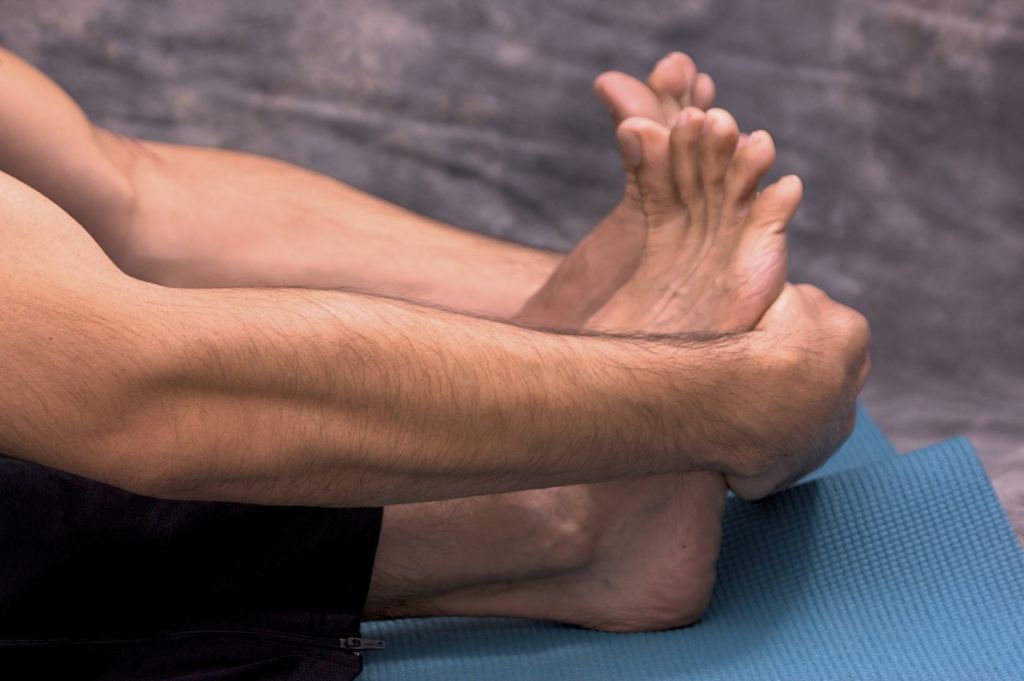
Plantar fasciitis is a foot condition in which the plantar fascia ligament, which connects the heel bone to the toes, becomes inflamed, typically due to injury from overuse. The most common symptom of plantar fasciitis is pain in the heel and the arch of the affected foot. If you have this condition, performing certain stretches may help aid in your recovery from plantar fasciitis. The gastroc stretch helps stretch out the gastroc muscle and Achilles tendon. The soleus stretch helps stretch the soleus muscle and Achilles tendon. The flexor hallicus longus stretch helps stretch the bottom of the foot, inside of the ankle, and back of the calf. To learn more about how stretching can help you in your recovery from plantar fasciitis, please speak with a podiatrist. 

Plantar fasciitis can be very painful and inconvenient. If you are experiencing heel pain or symptoms of plantar fasciitis, contact Renee Rodriquez, DPM  from Foot Clinic of South Texas. Our doctor can provide the care you need to keep you pain-free and on your feet.

What Is Plantar Fasciitis?

Plantar fasciitis is the inflammation of the thick band of tissue that runs along the bottom of your foot, known as the plantar fascia, and causes mild to severe heel pain.

What Causes Plantar Fasciitis?

  • Excessive running
  • Non-supportive shoes
  • Overpronation
  • Repeated stretching and tearing of the plantar fascia

How Can It Be Treated?

  • Conservative measures – anti-inflammatories, ice packs, stretching exercises, physical therapy, orthotic devices
  • Shockwave therapy – sound waves are sent to the affected area to facilitate healing and are usually used for chronic cases of plantar fasciitis
  • Surgery – usually only used as a last resort when all else fails. The plantar fascia can be surgically detached from the heel

While very treatable, plantar fasciitis is definitely not something that should be ignored. Especially in severe cases, speaking to your doctor right away is highly recommended to avoid complications and severe heel pain. Your podiatrist can work with you to provide the appropriate treatment options tailored to your condition.

If you have any questions, please feel free to contact our office located in Brownsville, TX . We offer the newest diagnostic and treatment technologies for all your foot care needs.
Read more about Plantar Fasciitis

Are You Suffering From Nerve Damage?

Neuropathy is a condition that can lead to numbness or loss of sensation in the feet, but it can also cause pain. This condition is more likely to develop for those who are diabetic, obese, or with high blood pressure.

How to Become a Podiatrist

Doctors that treat various disorders and conditions of the feet are known as podiatrists. It is considered to be a specialized form of medicine, and research has indicated that certain foot ailments may be indicative of existing medical concerns that are present in the body such as diabetes. A podiatrist is responsible for furnishing patients with consultations, properly diagnosing foot conditions, and may also provide foot and ankle surgery. Mandatory schooling consists of earning a bachelor’s degree, followed by obtaining a doctorate from an accredited college. This is generally completed in four years, after which a three year podiatric residency must also be completed . Many podiatrists choose to practice in hospitals, become part of a group practice, or may work independently. For people that are interested in pursuing a career in podiatry, it is suggested that you consult with a podiatrist to answer any questions you may have.

If you are dealing with pain in your feet and ankles, you may want to seek help from a podiatrist. Feel free to contact Renee Rodriquez, DPM from Foot Clinic of South Texas. Our doctor can provide the care you need to keep you pain-free and on your feet.

What Is a Podiatrist?

A podiatrist is a doctor of podiatric medicine who diagnoses and treats conditions of the foot, ankle, and related structures of the leg. Your podiatrist may specialize in a certain field such as sports medicine, wound care, pediatrics, and diabetic care. Podiatrists have the ability to become board certified through training, clinical experience, and then taking an exam.

What Do Podiatrists Do?

On a daily basis, a podiatrist may perform the following activities:

  • Diagnose foot ailments such as ulcers, tumors, fractures, etc.
  • Use innovative methods to treat conditions
  • Use corrective orthotics, casts, and strappings to correct deformities
  • Correct walking patterns and balance
  • Provide individual consultations to patients

It is very important that you take care of your feet. It’s easy to take having healthy feet for granted, however foot problems tend to be among the most common health conditions. Podiatrists can help diagnose and treat a variety of feet related conditions, so it is crucial that you visit one if you need assistance.

If you have any questions, please feel free to contact our office located in Brownsville, TX . We offer the newest diagnostic and treatment technologies for all your foot care needs.

Read more about What is a Podiatrist?

Connect With Us

Request Appointment Patient Portal