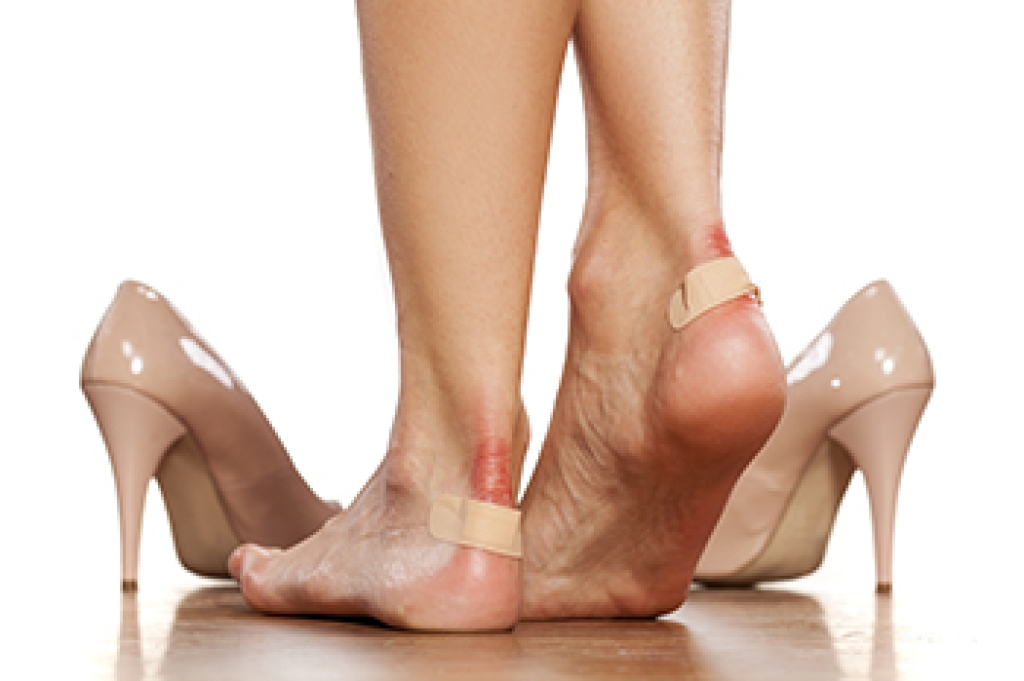
High Heels and Blisters

High heels are a popular shoe choice for many, but they can often lead to painful foot blisters. The structure of high heels places excessive pressure on specific areas of the feet, particularly the toes and the heel, which can cause friction against the shoe material. This friction, combined with sweat and prolonged wear, creates an ideal environment for blisters to form. To avoid this discomfort, selecting well-fitted shoes with adequate padding and support is essential. Wearing thick socks or protective blister pads can help reduce friction. It is also beneficial to gradually break in new heels by wearing them for short periods. Additionally, maintaining foot hygiene and keeping feet dry can minimize the risk of blisters. If you have problematic blisters from wearing high heels, it is suggested that you consult a podiatrist who can offer you relief and additional prevention tips.

High heels have a history of causing foot and ankle problems. If you have any concerns about your feet or ankles, contact Renee Rodriquez, DPM from Foot Clinic of South Texas. Our doctor can provide the care you need to keep you pain-free and on your feet.

Effects of High Heels on the Feet

High heels are popular shoes among women because of their many styles and societal appeal.  Despite this, high heels can still cause many health problems if worn too frequently.

Which Parts of My Body Will Be Affected by High Heels?

  • Ankle Joints
  • Achilles Tendon – May shorten and stiffen with prolonged wear
  • Balls of the Feet
  • Knees – Heels cause the knees to bend constantly, creating stress on them
  • Back – They decrease the spine’s ability to absorb shock, which may lead to back pain.  The vertebrae of the lower back may compress.

What Kinds of Foot Problems Can Develop from Wearing High Heels?

  • Corns
  • Calluses
  • Hammertoe
  • Bunions
  • Morton’s Neuroma
  • Plantar Fasciitis

How Can I Still Wear High Heels and Maintain Foot Health?

If you want to wear high heeled shoes, make sure that you are not wearing them every day, as this will help prevent long term physical problems.  Try wearing thicker heels as opposed to stilettos to distribute weight more evenly across the feet.  Always make sure you are wearing the proper shoes for the right occasion, such as sneakers for exercising.  If you walk to work, try carrying your heels with you and changing into them once you arrive at work.  Adding inserts to your heels can help cushion your feet and absorb shock. Full foot inserts or metatarsal pads are available. 

If you have any questions, please feel free to contact our office located in Brownsville, TX . We offer the newest diagnostic and treatment technologies for all your foot care needs.

Read more about Effect of High Heels on the Feet

Are You Suffering From Ingrown Toenails?

If left untreated, an ingrown toenail can lead to more serious concerns, such as an infection. Knowing proper nail care can help in the prevention of an ingrown toenail. Give us a call, and get treated!

Overview and Relief Methods for Sever’s Disease

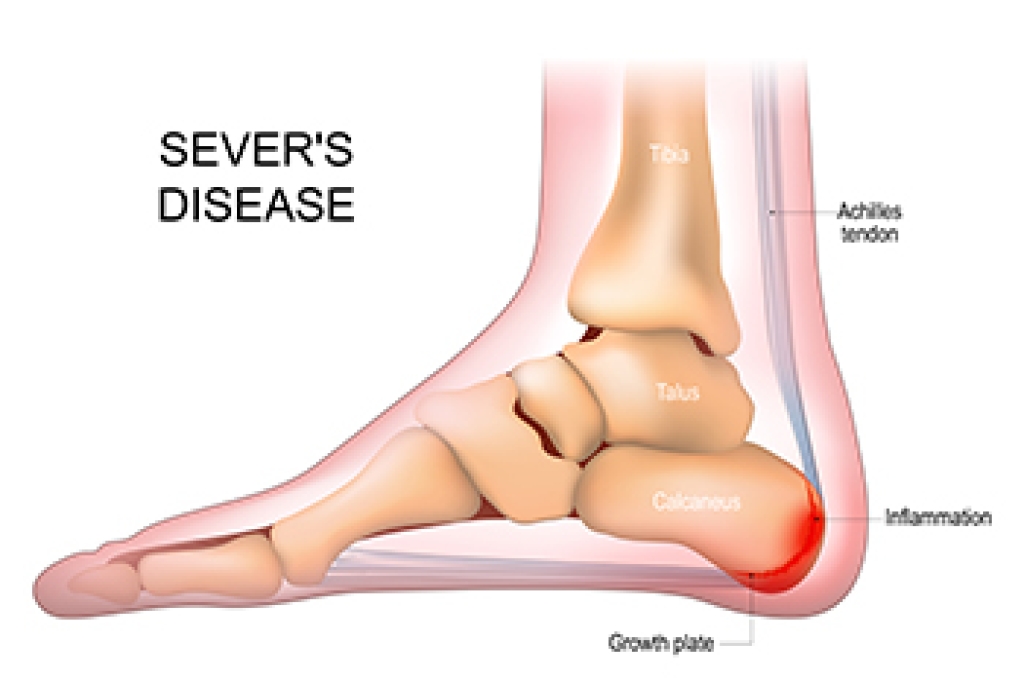
Sever's disease, also known as calcaneal apophysitis, is a common condition affecting active children and adolescents, particularly those involved in sports. It occurs when the growth plate in the heel becomes inflamed due to repetitive stress and strain, resulting in heel pain and discomfort. Symptoms typically include pain during physical activity, tenderness at the back of the heel, and limping. Relief methods focus on reducing pain and inflammation. Rest is essential, allowing the affected area to heal, and mild pain relievers may provide additional comfort. Stretching and strengthening exercises for the calf muscles and Achilles tendon can also be beneficial. Wearing proper footwear and custom orthotics may improve foot alignment and reduce stress on the heel. If your active child has heel pain, it is suggested that you consult a podiatrist who can see if Sever’s disease is the cause. 

Sever's disease often occurs in children and teens. If your child is experiencing foot or ankle pain, see Renee Rodriquez, DPM from Foot Clinic of South Texas. Our doctor can treat your child’s foot and ankle needs.

Sever’s Disease

Sever’s disease is also known as calcaneal apophysitis, which is a medical condition that causes heel pain I none or both feet. The disease is known to affect children between the ages of 8 and 14.

Sever’s disease occurs when part of the child’s heel known as the growth plate (calcaneal epiphysis) is attached to the Achilles tendon. This area can suffer injury when the muscles and tendons of the growing foot do not keep pace with bone growth. Therefore, the constant pain which one experiences at the back of the heel will make the child unable to put any weight on the heel. The child is then forced to walk on their toes.

Symptoms

Acute pain – Pain associated with Sever’s disease is usually felt in the heel when the child engages in physical activity such as walking, jumping and or running.

Highly active – Children who are very active are among the most susceptible in experiencing Sever’s disease, because of the stress and tension placed on their feet.

If you have any questions, please feel free to contact our office located in Brownsville, TX . We offer the newest diagnostic and treatment technologies for all your foot care needs.
Read more about Sever's Disease

Differences to Consider in Walking and Running Shoes

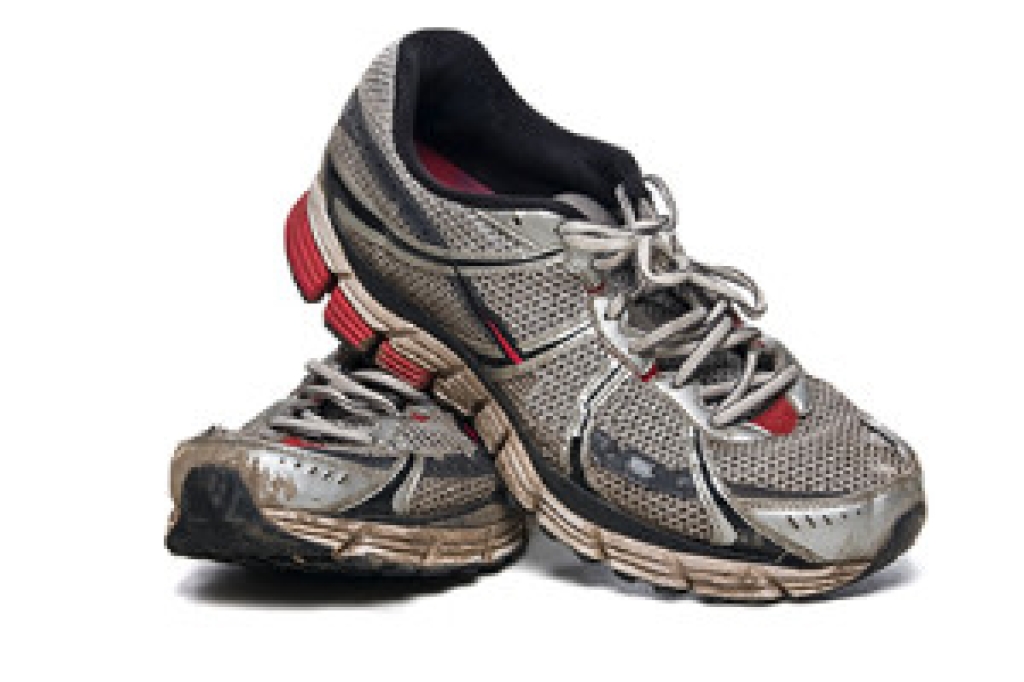
Choosing the right footwear is essential for comfort and injury prevention, and understanding the differences between walking and running shoes is important. One key difference lies in heel design, as running shoes typically have a more pronounced heel drop to accommodate the forward motion and impact associated with running. In contrast, walking shoes often feature a lower heel to promote a more natural foot movement. Flexibility is another significant distinction, and walking shoes tend to be more flexible, allowing for a smooth rolling motion, while running shoes are stiffer to provide support during the higher impact of running. Cushioning also varies. Running shoes generally offer more cushioning to absorb shock, whereas walking shoes prioritize stability and comfort for prolonged use. If you have foot pain from wearing ill-fitting shoes, it is suggested that you consult a podiatrist who can treat various foot conditions and provide additional guidance on shoe selection.

For more information about walking shoes versus running shoes, consult with Renee Rodriquez, DPM from Foot Clinic of South Texas. Our doctor can measure your feet to determine what your needs are and help you find an appropriate pair of footwear.

Foot Health: The Differences between Walking & Running Shoes

There are great ways to stay in shape: running and walking are two great exercises to a healthy lifestyle. It is important to know that running shoes and walking shoes are not interchangeable. There is a key difference on how the feet hit the ground when someone is running or walking. This is why one should be aware that a shoe is designed differently for each activity.

You may be asking yourself what the real differences are between walking and running shoes and the answers may shock you.

Differences

Walking doesn’t involve as much stress or impact on the feet as running does. However, this doesn’t mean that you should be any less prepared. When you’re walking, you land on your heels and have your foot roll forward. This rolling motion requires additional support to the feet.

Flexibility – Walking shoes are designed to have soft, flexible soles. This allows the walker to push off easily with each step.

If you have any questions, please feel free to contact our office located in Brownsville, TX . We offer the newest diagnostic and treatment technologies for all your foot care needs.
Read more about Differences between Walking and Running Shoes

When Diabetic Foot Wounds Do Not Heal

Diabetic foot wounds that do not heal can signal serious problems that require medical care from a podiatrist. Factors that delay wound healing include poor circulation, high blood sugar levels, and nerve damage. High blood sugar can interfere with the body’s ability to fight infections and slows down collagen production, which helps to close wounds. Poor circulation and nerve damage may reduce sensation, making it harder to notice and treat injuries early. Open wounds can become infected, worsening the condition and causing serious tissue damage. A podiatrist can check your circulation, offer specialized wound care, and suggest treatment methods to prevent complications. This may include techniques to reduce pressure on the wound or using advanced wound therapies. Early care and regular monitoring can help prevent further harm and avoid severe outcomes, such as amputation. If you have a foot wound that will not heal, it is suggested that you make an immediate appointment with a podiatrist.

Wound care is an important part in dealing with diabetes. If you have diabetes and a foot wound or would like more information about wound care for diabetics, consult with Renee Rodriquez, DPM from Foot Clinic of South Texas. Our doctor will assess your condition and provide you with quality foot and ankle treatment.

What Is Wound Care?

Wound care is the practice of taking proper care of a wound. This can range from the smallest to the largest of wounds. While everyone can benefit from proper wound care, it is much more important for diabetics. Diabetics often suffer from poor blood circulation which causes wounds to heal much slower than they would in a non-diabetic. 

What Is the Importance of Wound Care?

While it may not seem apparent with small ulcers on the foot, for diabetics, any size ulcer can become infected. Diabetics often also suffer from neuropathy, or nerve loss. This means they might not even feel when they have an ulcer on their foot. If the wound becomes severely infected, amputation may be necessary. Therefore, it is of the upmost importance to properly care for any and all foot wounds.

How to Care for Wounds

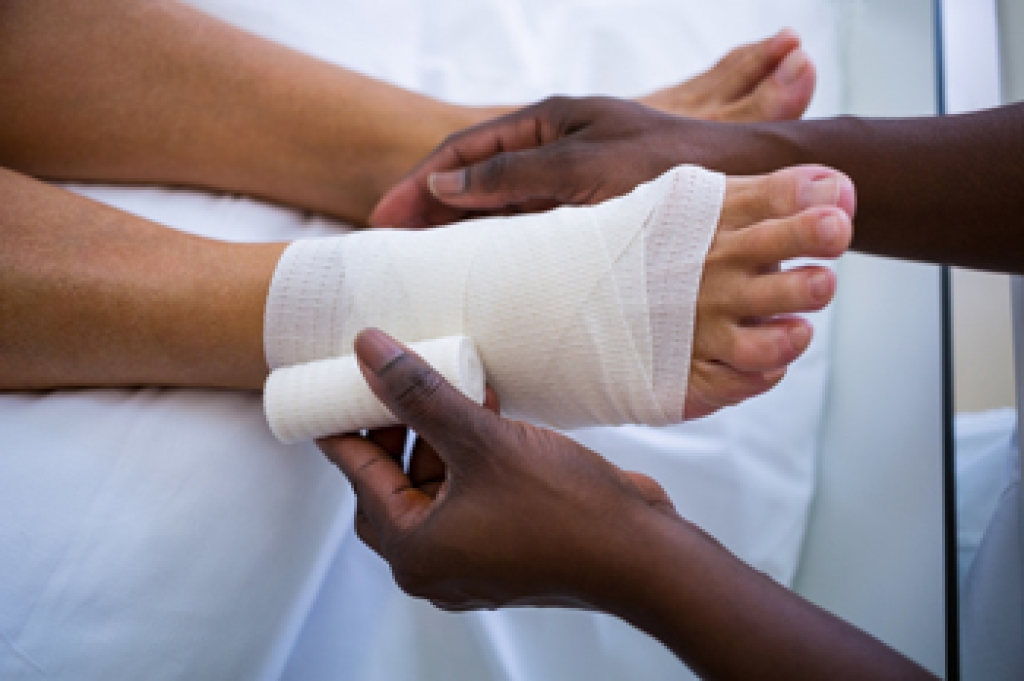
The best way to care for foot wounds is to prevent them. For diabetics, this means daily inspections of the feet for any signs of abnormalities or ulcers. It is also recommended to see a podiatrist several times a year for a foot inspection. If you do have an ulcer, run the wound under water to clear dirt from the wound; then apply antibiotic ointment to the wound and cover with a bandage. Bandages should be changed daily and keeping pressure off the wound is smart. It is advised to see a podiatrist, who can keep an eye on it.

If you have any questions please contact our office located in Brownsville, TX . We offer the newest diagnostic and treatment technologies for all your foot and ankle needs.

Read more about Wound Care

Connect With Us

Request Appointment Patient Portal