Do you suffer from heel pain when you get up in the morning? If so, you should seek professional help and have a proper diagnosis performed. Heel pain can be caused by several different foot-related conditions.
Do you suffer from heel pain when you get up in the morning? If so, you should seek professional help and have a proper diagnosis performed. Heel pain can be caused by several different foot-related conditions.

Dry, cracked heels are a common issue that can cause discomfort. These fissures in the skin often result from dryness, pressure, or various lifestyle and medical factors. While not usually a severe health concern, untreated cracked heels can become painful. This condition typically starts with dry skin. Daily activities such as standing, walking, or running exert pressure on the feet, causing the heel pads to expand. When combined with dryness, the skin can crack, creating openings for bacteria and viruses. Other potential causes of cracked heels include lifestyle choices that can include walking barefoot, taking hot showers, or using harsh soaps. Wearing ill-fitting shoes with poor support can also contribute to cracked heels. On a medical front, factors like diabetes, vitamin deficiencies, fungal infections, and hypothyroidism may also lead to developing cracked heels. Preventing cracked heels involves addressing dry skin and its underlying causes. Moisturizing is key, and products such as custom shoe inserts, padded socks, and heel relief sleeves can help protect and hydrate the skin. To treat existing dry, cracked heels, it is helpful to focus on hydration and protection. If this problem persists or causes pain, it is strongly suggested that you make an appointment with a podiatrist for a more advanced treatment plan.
If the skin on your feet starts to crack, you may want to see a podiatrist to find treatment. If you have any concerns, contact Renee Rodriquez, DPM from Foot Clinic of South Texas. Our doctor can provide the care you need to keep you pain-free and on your feet.
Cracked Heels
It is important to moisturize your cracked heels in order to prevent pain, bleeding, and infection. The reason cracked heels form is because the skin on the foot is too dry to support the immense pressure placed on them. When the foot expands, the dry skin on the foot begins to split.
Ways to Help Heal Them
Ways to Prevent Cracked Heels
If you are unsure how to proceed in treating cracked heels, seek guidance from a podiatrist. Your doctor will help you with any questions or information you may need.
If you have any questions, please feel free to contact our office located in Brownsville, TX . We offer the newest diagnostic and treatment technologies for all your foot care needs.

As parents, ensuring the well-being of your children is a top priority, and this extends to their footwear. Selecting the right shoes for your child goes beyond fashion considerations. It is more about promoting the child's comfort, development, and overall health. This can begin with prioritizing the fit. Children's feet are continually growing and developing, so it is helpful to choose shoes that provide enough room for their toes to wiggle and grow. Measure their feet regularly to ensure a proper fit. Support is another critical factor. Look for shoes with good arch support and cushioning to absorb shock during play and daily activities. Sturdy soles with good traction can help to prevent slips and falls. Air circulation is essential, as your child's feet can sweat quite a bit. Choose shoes made from breathable materials to reduce the risk of fungal infections. Lastly, involve your child in the selection process. Let them try on shoes and assess comfort. This empowers them and ensures that they are more likely to wear the shoes you buy. By keeping these factors in mind, you can make informed choices when shopping for your child's shoes, promoting their comfort, health, and happy feet. If you would like additional information about what type of shoes to buy for your child, it is suggested that you speak with a podiatrist.
The health of a child’s feet is vital to their overall well-being. If you have any questions regarding foot health, contact Renee Rodriquez, DPM of Foot Clinic of South Texas. Our doctor can provide the care you need to keep you pain-free and on your feet.
Tips for Keeping Children's Feet Healthy
If you have any questions, please feel free to contact our office located in Brownsville, TX . We offer the newest diagnostic and treatment technologies for all your foot care needs.
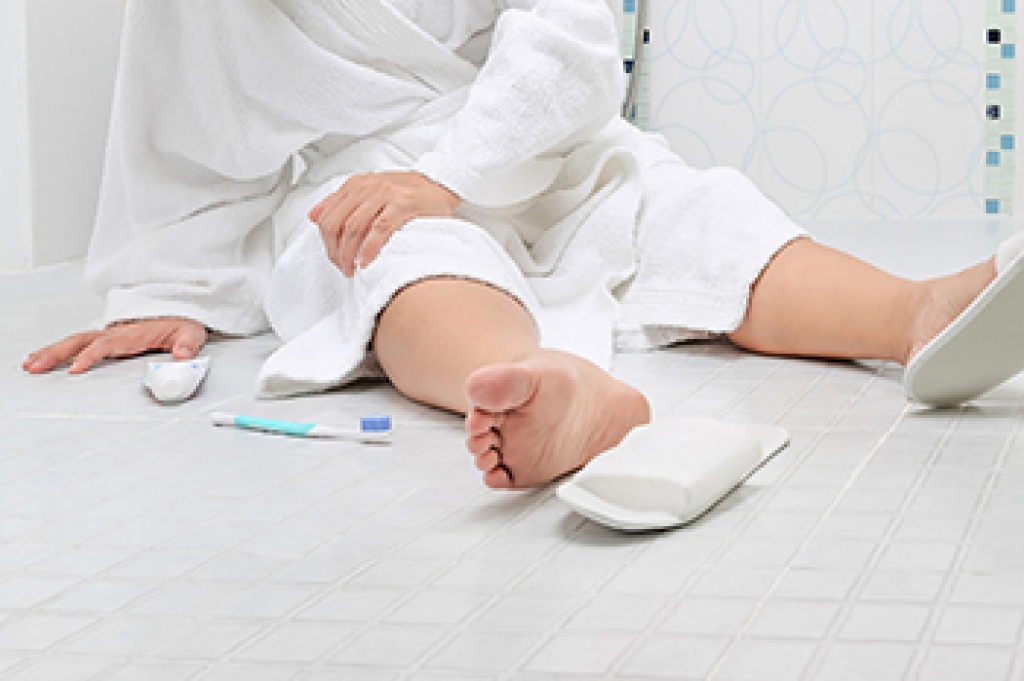
As we age, the risk of falls in our homes becomes a growing concern. The good news is that with a few thoughtful modifications, you can transform your living space into a safe haven for elderly family members. This can begin by decluttering walkways, ensuring clear, unobstructed paths, followed by removing tripping hazards such as loose rugs and electrical cords. Installing handrails and grab bars which can provide essential support, is critical in bathrooms and staircases. Adequate lighting is vital, and dimly lit areas can be brightened, in addition to adding nightlights which can reduce the risk of stumbling in the dark. Consider anti-slip flooring options to improve traction. In the bathroom, invest in a shower chair and non-slip mats to prevent accidents. Regular maintenance of your home's infrastructure, including checking for loose floorboards or uneven surfaces, is also important. If you would like additional information about effective methods to keep your home safe for senior family members, it is suggested that you consult with a podiatrist.
Preventing falls among the elderly is very important. If you are older and have fallen or fear that you are prone to falling, consult with Renee Rodriquez, DPM from Foot Clinic of South Texas. Our doctor will assess your condition and provide you with quality advice and care.
Every 11 seconds, an elderly American is being treated in an emergency room for a fall related injury. Falls are the leading cause of head and hip injuries for those 65 and older. Due to decreases in strength, balance, senses, and lack of awareness, elderly persons are very susceptible to falling. Thankfully, there are a number of things older persons can do to prevent falls.
How to Prevent Falls
Some effective methods that older persons can do to prevent falls include:
Falling can be a traumatic and embarrassing experience for elderly persons; this can make them less willing to leave the house, and less willing to talk to someone about their fears of falling. Doing such things, however, will increase the likelihood of tripping or losing one’s balance. Knowing the causes of falling and how to prevent them is the best way to mitigate the risk of serious injury.
If you have any questions, please feel free to contact our office located in Brownsville, TX . We offer the newest diagnostic and treatment technologies for all your foot care needs.
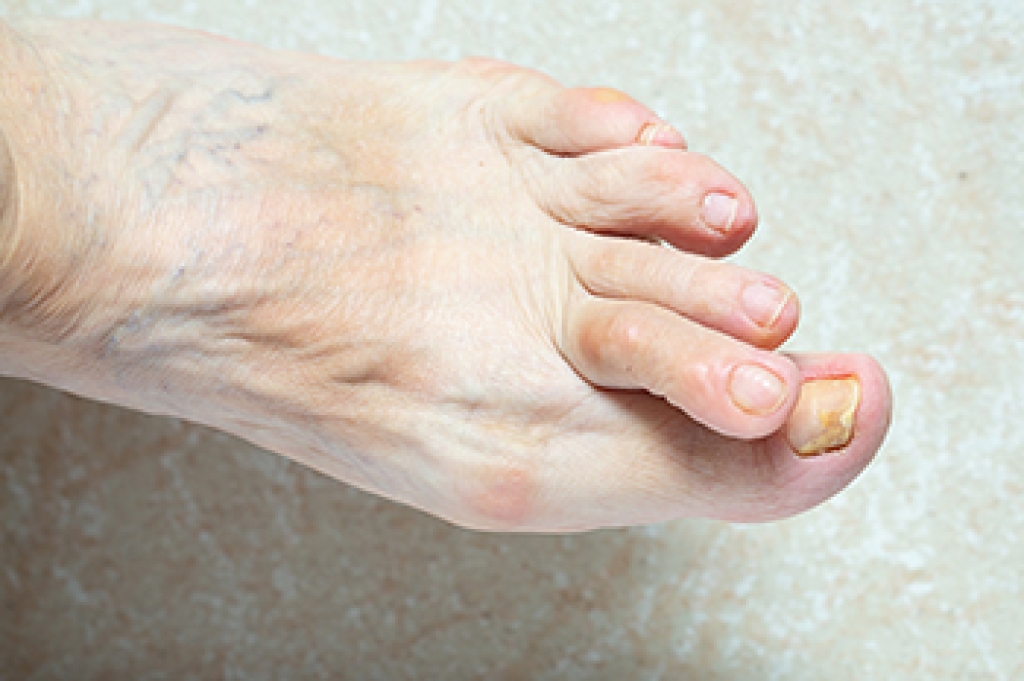
Hammertoe, a relatively common foot condition, is often the source of discomfort and inconvenience for many individuals. This deformity occurs when the middle joint of one or more of your smaller toes becomes bent and stuck in an abnormal position. The affected toes often resemble the shape of a hammer, hence the name. Hammertoes can develop for a variety of reasons, including genetics, foot structure, or wearing ill-fitting shoes. High heels and shoes that squeeze the toes together can exacerbate the problem. Hammertoes can lead to pain, corns, calluses, and difficulty finding comfortable footwear. While the condition can be hereditary, early intervention through wearing proper footwear and certain medical treatment can help prevent or alleviate the discomfort associated with hammertoes, allowing individuals to maintain healthier and happier feet. If you are afflicted with hammertoe, it is strongly suggested that you are under the care of a podiatrist who can guide you toward effective relief options.
Hammertoe
Hammertoes can be a painful condition to live with. For more information, contact Renee Rodriquez, DPM from Foot Clinic of South Texas. Our doctor will answer any of your foot- and ankle-related questions.
Hammertoe is a foot deformity that affects the joints of the second, third, fourth, or fifth toes of your feet. It is a painful foot condition in which these toes curl and arch up, which can often lead to pain when wearing footwear.
Symptoms
Causes
Genetics – People who are genetically predisposed to hammertoe are often more susceptible
Arthritis – Because arthritis affects the joints in your toes, further deformities stemming from arthritis can occur
Trauma – Direct trauma to the toes could potentially lead to hammertoe
Ill-fitting shoes – Undue pressure on the front of the toes from ill-fitting shoes can potentially lead to the development of hammertoe
Treatment
Orthotics – Custom made inserts can be used to help relieve pressure placed on the toes and therefore relieve some of the pain associated with it
Medications – Oral medications such as anti-inflammatories or NSAIDs could be used to treat the pain and inflammation hammertoes causes. Injections of corticosteroids are also sometimes used
Surgery – In more severe cases where the hammertoes have become more rigid, foot surgery is a potential option
If you have any questions, please feel free to contact our office located in Brownsville, TX . We offer the newest diagnostic and treatment technologies for all your foot care needs.

Heel pain can negatively affect your day-to-day life. Simple activities like walking can become incredibly uncomfortable or painful due to heel pain.
Don’t live with heel pain and get treated.
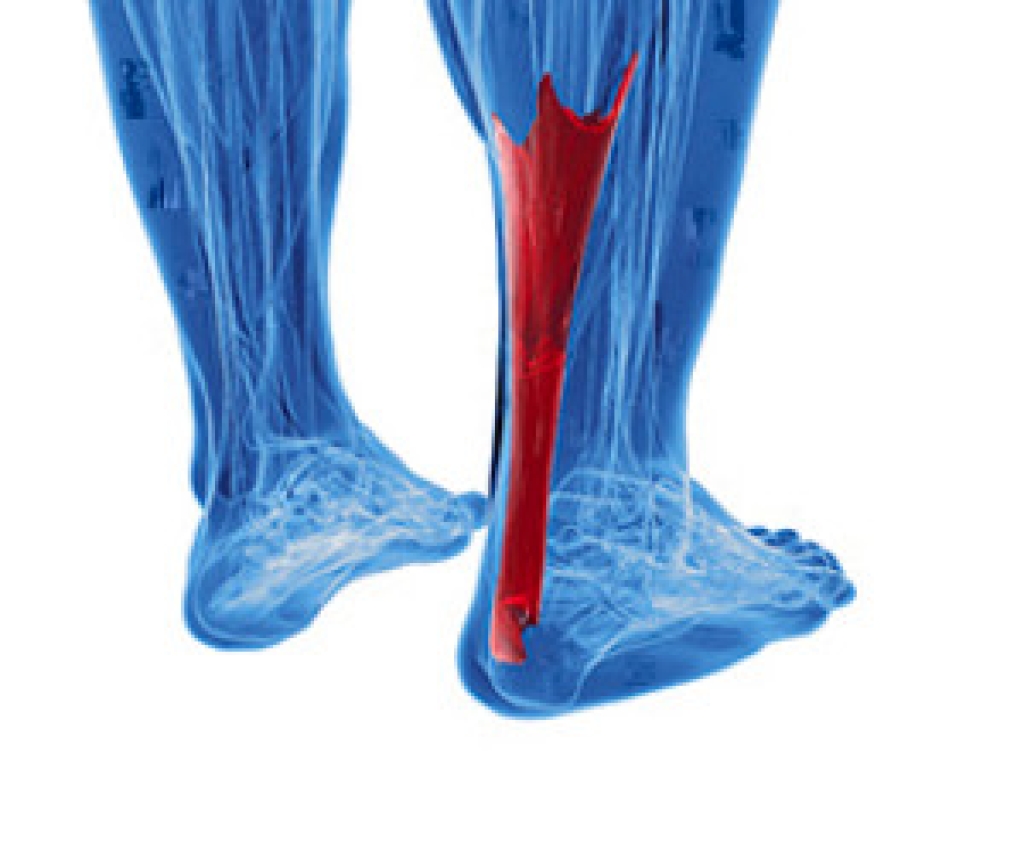
Achilles tendonitis is a painful condition affecting the Achilles tendon which is found at the back of the ankle. Achilles tendinitis is characterized by inflammation and irritation of the Achilles tendon, leading to discomfort during movement. Common symptoms can include pain and stiffness near the heel, often worsening after physical activity. Overuse and repetitive stress are primary culprits, frequently affecting athletes and those who engage in intense physical activities. Having tight calf muscles, wearing improper footwear, and sudden increases in exercise intensity can also contribute to getting an Achilles tendon injury. Managing Achilles tendinitis involves rest, compression, and elevation, along with performing gentle stretching and strengthening exercises. Severe cases may require medical intervention, and it is suggested that you contact a podiatrist who can provide you with an accurate diagnosis and tailor a treatment plan that is right for you.
Achilles tendon injuries need immediate attention to avoid future complications. If you have any concerns, contact Renee Rodriquez, DPM of Foot Clinic of South Texas. Our doctor can provide the care you need to keep you pain-free and on your feet.
What Is the Achilles Tendon?
The Achilles tendon is a tendon that connects the lower leg muscles and calf to the heel of the foot. It is the strongest tendon in the human body and is essential for making movement possible. Because this tendon is such an integral part of the body, any injuries to it can create immense difficulties and should immediately be presented to a doctor.
What Are the Symptoms of an Achilles Tendon Injury?
There are various types of injuries that can affect the Achilles tendon. The two most common injuries are Achilles tendinitis and ruptures of the tendon.
Achilles Tendinitis Symptoms
Rupture Symptoms
Treatment and Prevention
Achilles tendon injuries are diagnosed by a thorough physical evaluation, which can include an MRI. Treatment involves rest, physical therapy, and in some cases, surgery. However, various preventative measures can be taken to avoid these injuries, such as:
If you have any questions please feel free to contact our office located in Brownsville, TX . We offer the newest diagnostic tools and technology to treat your foot and ankle needs.
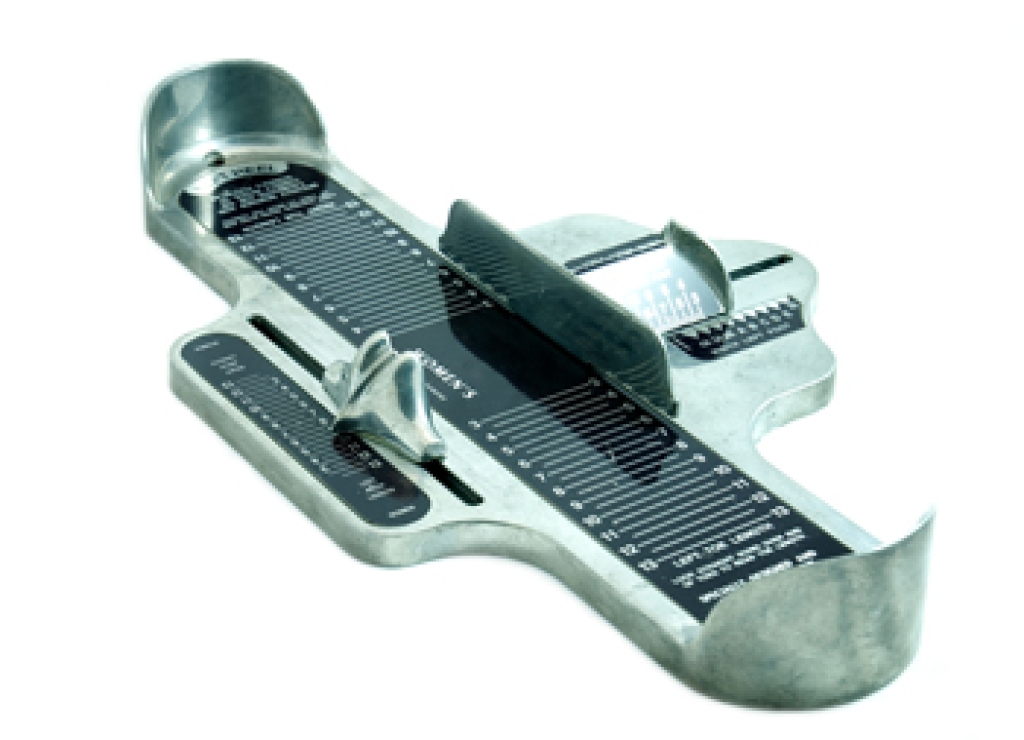
In the world of footwear, the Brannock device stands as a quiet yet essential hero, ensuring a snug and comfortable fit for every pair of shoes. This simple yet ingeniously designed tool is considered the standard for measuring foot size. Comprising a metal base and sliding arms with calibrated scales, it accurately gauges the foot's length and width. To obtain a measurement, the foot is placed on the device, and adjusting the sliding arms ensures a precise fit. Proper measurement is pivotal in finding the right shoe size, which is instrumental in preventing discomfort and potential foot issues. The Brannock device takes guesswork out of the equation, guiding both shoppers and shoe professionals to select footwear that caters to the unique contours of the feet. If you would like more information about the success of the Brannock device, it is suggested that you confer with a podiatrist.
Finding a properly-fitting shoe is important in reducing injuries and preventing foot problems. For more information about treatment, contact Renee Rodriquez, DPM from Foot Clinic of South Texas. Our doctor will treat your foot and ankle needs.
Proper Shoe Fitting
A common concern when it comes to foot health, having properly fitted shoes can help prevent injuries to the foot. Out feet affect our posture and gait, which in turn affects the biomechanics and overall bodily structure. With 33 joints, 26 bones, and over 100 ligaments, the potential for serious injury is much greater than one realizes. Although the feet cease growth in adulthood, they still change shape as they mature. Here are some factors to consider when it comes to investing in proper fitting shoes:
Keeping in mind how shoes fit the biomechanics of your body, properly-fitting shoes are vitally important. Fortunately, it is not difficult to acquire footwear that fits correctly. Be sure to wear shoes that support the overall structure of your body. Do your feet a favor and invest in several pairs of well-fitted shoes today.
If you have any questions, please feel free to contact our office located in Brownsville, TX . We offer the newest diagnostic and treatment technologies for all your foot care needs.
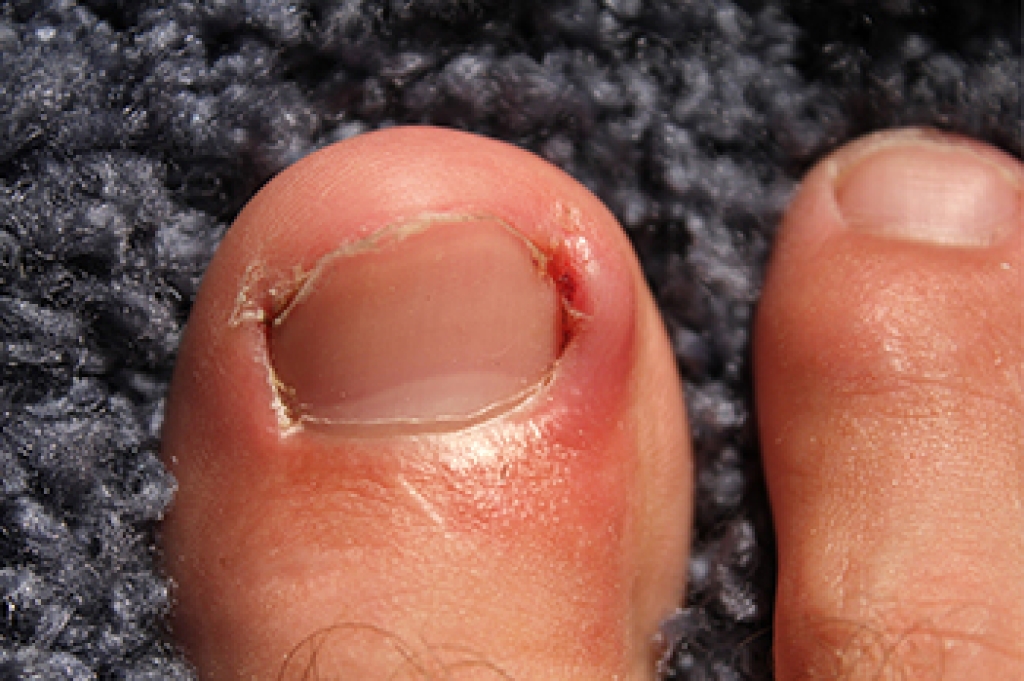
Ingrown toenails, a common and often painful foot condition, can make each step a struggle. An ingrown toenail occurs when the edge of a toenail grows into the surrounding skin, causing inflammation and discomfort. Causes can range from improper nail trimming techniques to wearing tight shoes that exert pressure on the toes. In some cases, a genetic predisposition or an injury can trigger this condition. Soaking the foot in warm water, gently lifting the ingrown edge, and applying antibiotic ointment can aid in healing. Wearing open toed shoes and avoiding tight footwear can also promote recovery. Seeking medical attention for severe cases ensures effective relief, often involving minor surgical procedures to remove the ingrown portion. By addressing the root causes and following appropriate treatment, individuals can bid farewell to ingrown toenail discomfort and regain comfortable strides. If you have developed an ingrown toenail, it is suggested that you seek the counsel of a podiatrist who can guide you toward the correct treatment method.
Ingrown toenails can become painful if they are not treated properly. For more information about ingrown toenails, contact Renee Rodriquez, DPM of Foot Clinic of South Texas. Our doctor can provide the care you need to keep you pain-free and on your feet.
Ingrown Toenails
Ingrown toenails occur when a toenail grows sideways into the bed of the nail, causing pain, swelling, and possibly infection.
Causes
Prevention
Because ingrown toenails are not something found outside of shoe-wearing cultures, going barefoot as often as possible will decrease the likeliness of developing ingrown toenails. Wearing proper fitting shoes and using proper cutting techniques will also help decrease your risk of developing ingrown toenails.
Treatment
Ingrown toenails are a very treatable foot condition. In minor cases, soaking the affected area in salt or antibacterial soaps will not only help with the ingrown nail itself, but also help prevent any infections from occurring. In more severe cases, surgery is an option. In either case, speaking to your podiatrist about this condition will help you get a better understanding of specific treatment options that are right for you.
If you have any questions, please feel free to contact our office located in Brownsville, TX . We offer the newest diagnostic and treatment technologies for all your foot care needs.
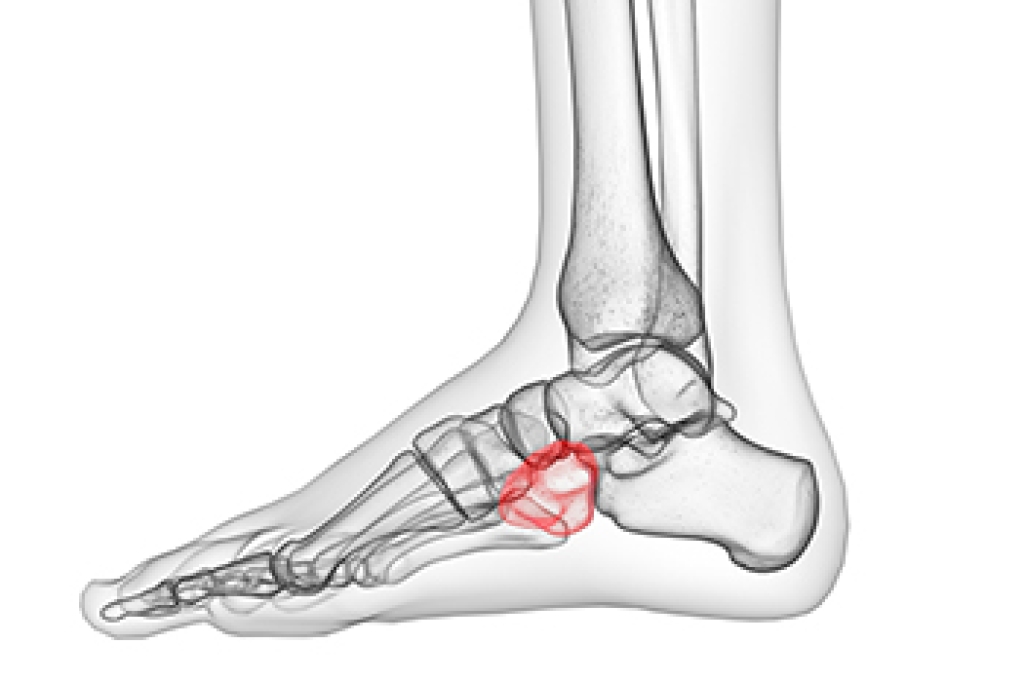
Cuboid syndrome, common among athletes and ballet dancers, occurs when the cuboid bone becomes partially dislocated due to repetitive injury, ankle sprain, or trauma. The cuboid is one of the five bones that make up the midfoot. It is important to the distribution of body weight and the stabilization of the outer midfoot. Cuboid syndrome can lead to difficulty walking. Additionally, some people experience aching pain on the outside of the foot, swelling, and increased pain when pressure is applied to the foot. One may also experience decreased motion, and ankle movement can be painful. A podiatrist’s expertise is needed for diagnosis, since so many of these symptoms mimic those of other afflictions. Treatment includes relocation of the bone, rest, and immobilization with tape, in addition to performing foot exercises for strength and flexibility. If you have troubling discomfort on the outside of the foot, it is suggested that you make an appointment with a podiatrist for a proper exam and care.
Cuboid syndrome, also known as cuboid subluxation, occurs when the joints and ligaments near the cuboid bone in the foot become torn. If you have cuboid syndrome, consult with Renee Rodriquez, DPM from Foot Clinic of South Texas. Our doctor will assess your condition and provide you with quality foot and ankle treatment.
Cuboid syndrome is a common cause of lateral foot pain, which is pain on the outside of the foot. The condition may happen suddenly due to an ankle sprain, or it may develop slowly overtime from repetitive tension through the bone and surrounding structures.
Causes
The most common causes of cuboid syndrome include:
Symptoms
A common symptom of cuboid syndrome is pain along the outside of the foot which can be felt in the ankle and toes. This pain may create walking difficulties and may cause those with the condition to walk with a limp.
Diagnosis
Diagnosis of cuboid syndrome is often difficult, and it is often misdiagnosed. X-rays, MRIs and CT scans often fail to properly show the cuboid subluxation. Although there isn’t a specific test used to diagnose cuboid syndrome, your podiatrist will usually check if pain is felt while pressing firmly on the cuboid bone of your foot.
Treatment
Just as the range of causes varies widely, so do treatments. Some more common treatments are ice therapy, rest, exercise, taping, and orthotics.
If you have any questions, please feel free to contact our office located in Brownsville, TX . We offer the newest diagnostic and treatment technologies for all your foot care needs.
Connect With Us
