
Walking Versus Running Shoes and Choosing the Right Fit for Your Feet

Walking and running shoes may look similar, but they serve different purposes and offer unique features. Running shoes typically provide more cushioning to absorb greater impact and often have a higher heel drop to support forward motion. Walking shoes have firmer soles for stability and even weight distribution. Durability also varies, as running shoes are designed to withstand repetitive, high-impact forces. Wearing the wrong type can lead to discomfort or injury. A podiatrist can assess your gait, foot structure, and activity level to recommend the most suitable footwear or custom orthotics. If you have sustained a foot injury from wearing the wrong type of shoes, it is suggested that you consult a podiatrist who can treat various foot injuries and guide you on the proper shoes to wear for your desired walking or running style.

For more information about walking shoes versus running shoes, consult with Renee Rodriquez, DPM from Foot Clinic of South Texas. Our doctor can measure your feet to determine what your needs are and help you find an appropriate pair of footwear.

Foot Health: The Differences between Walking & Running Shoes

There are great ways to stay in shape: running and walking are two great exercises to a healthy lifestyle. It is important to know that running shoes and walking shoes are not interchangeable. There is a key difference on how the feet hit the ground when someone is running or walking. This is why one should be aware that a shoe is designed differently for each activity.

You may be asking yourself what the real differences are between walking and running shoes and the answers may shock you.

Differences

Walking doesn’t involve as much stress or impact on the feet as running does. However, this doesn’t mean that you should be any less prepared. When you’re walking, you land on your heels and have your foot roll forward. This rolling motion requires additional support to the feet.

Flexibility – Walking shoes are designed to have soft, flexible soles. This allows the walker to push off easily with each step.

If you have any questions, please feel free to contact our office located in Brownsville, TX . We offer the newest diagnostic and treatment technologies for all your foot care needs.
Read more about Walking Shoes vs. Running Shoes

Seeking Podiatric Care for Sesamoiditis

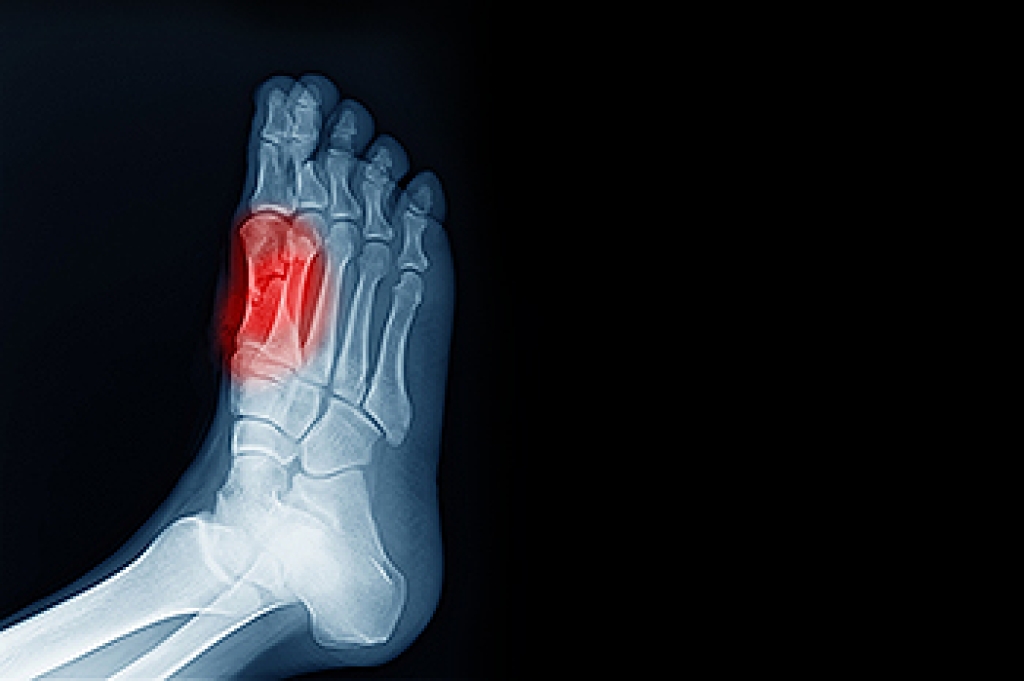
Sesamoiditis is an inflammation of the small sesamoid bones located beneath the big toe joint, which help with weight-bearing and movement. This condition is often caused by repetitive pressure, high-impact activities, or wearing thin-soled or high-heeled shoes. Risk factors include participation in sports, such as running, basketball, or dance, having high arches, or engaging in activities that place continuous stress on the forefoot. Symptoms include pain beneath the big toe joint, swelling, bruising, and discomfort when walking or bending the toe. A podiatrist can provide a thorough evaluation, recommend rest, footwear modifications, custom orthotics, and other treatments for relief. If you are experiencing persistent forefoot pain, it is suggested that you schedule an appointment with a podiatrist for an accurate diagnosis and appropriate treatment solutions.

Sesamoiditis is an unpleasant foot condition characterized by pain in the balls of the feet. If you think you’re struggling with sesamoiditis, contact Renee Rodriquez, DPM of Foot Clinic of South Texas. Our doctor will treat your condition thoroughly and effectively.

Sesamoiditis

Sesamoiditis is a condition of the foot that affects the ball of the foot. It is more common in younger people than it is in older people. It can also occur with people who have begun a new exercise program, since their bodies are adjusting to the new physical regimen. Pain may also be caused by the inflammation of tendons surrounding the bones. It is important to seek treatment in its early stages because if you ignore the pain, this condition can lead to more serious problems such as severe irritation and bone fractures.

Causes of Sesamoiditis

  • Sudden increase in activity
  • Increase in physically strenuous movement without a proper warm up or build up
  • Foot structure: those who have smaller, bonier feet or those with a high arch may be more susceptible

Treatment for sesamoiditis is non-invasive and simple. Doctors may recommend a strict rest period where the patient forgoes most physical activity. This will help give the patient time to heal their feet through limited activity. For serious cases, it is best to speak with your doctor to determine a treatment option that will help your specific needs.

If you have any questions, please feel free to contact our office located in Brownsville, TX . We offer the newest diagnostic and treatment technologies for all your foot care needs.

Read more about Sesamoiditis

Causes and Complications of Bunionettes

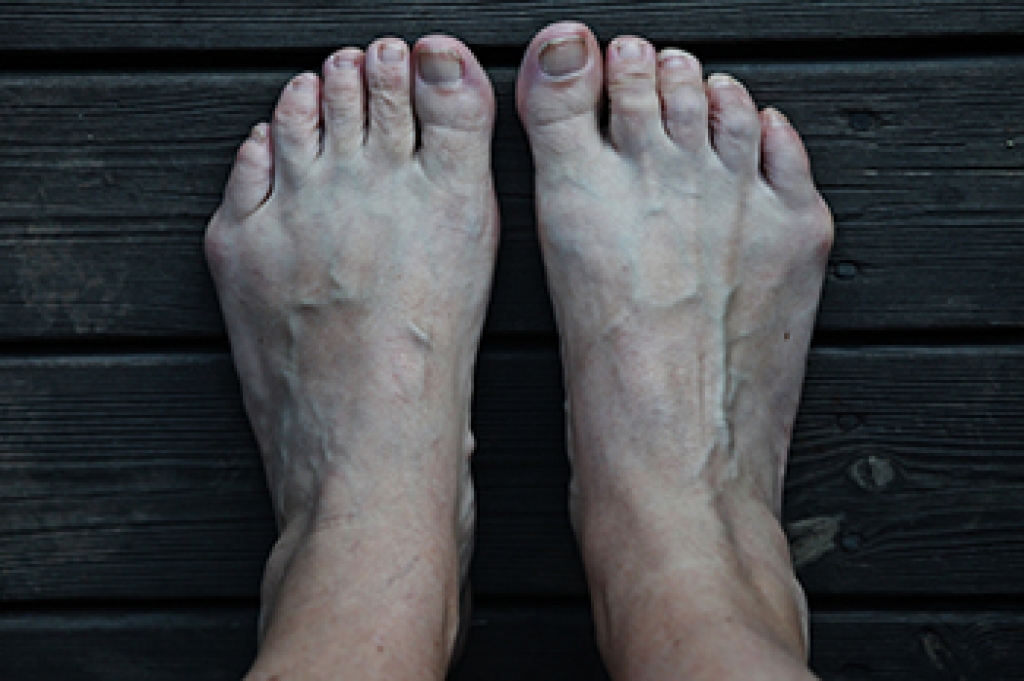
A bunionette, also termed a tailor’s bunion, is a bony prominence that develops at the base of the little toe where the fifth metatarsal meets the toe. This condition can lead to pain, especially if the area becomes inflamed from pressure or rubbing inside a shoe. As the bunionette forms, it often causes the little toe to shift inward toward the fourth toe, making the foot appear wider and increasing discomfort while wearing regular footwear. Some people may have a genetic tendency for this deformity, while others develop it due to structural traits in the feet, such as how the toes or metatarsal bones align. Wearing narrow shoes with a pointy toe may worsen the issue, especially in women. In some cases, bunionettes may develop after certain foot surgeries or as a result of joint inflammation. Complications include painful corns between the fourth and fifth toes, joint pain, or arthritis. If you have a bunion on your pinky toe, it is suggested that you schedule an appointment with a podiatrist for an exam and appropriate treatment options.

If you are suffering from bunion pain, contact Renee Rodriquez, DPM of Foot Clinic of South Texas. Our doctor can provide the care you need to keep you pain-free and on your feet.

What Is a Bunion?

Bunions are painful bony bumps that usually develop on the inside of the foot at the joint of the big toe. As the deformity increases over time, it may become painful to walk and wear shoes. Women are more likely to exacerbate existing bunions since they often wear tight, narrow shoes that shift their toes together. Bunion pain can be relieved by wearing wider shoes with enough room for the toes.

Causes

  • Genetics – some people inherit feet that are more prone to bunion development
  • Inflammatory Conditions - rheumatoid arthritis and polio may cause bunion development

Symptoms

  • Redness and inflammation
  • Pain and tenderness
  • Callus or corns on the bump
  • Restricted motion in the big toe

In order to diagnose your bunion, your podiatrist may ask about your medical history, symptoms, and general health. Your doctor might also order an x-ray to take a closer look at your feet. Nonsurgical treatment options include orthotics, padding, icing, changes in footwear, and medication. If nonsurgical treatments don’t alleviate your bunion pain, surgery may be necessary.

If you have any questions, please feel free to contact our office located in Brownsville, TX . We offer the newest diagnostic and treatment technologies for all your foot care needs.
Read more about Bunions

Keep Your Feet Healthy So You Can Stay Active

Have your feet inspected by a professional before starting a new sport or physical activity. Taking charge of your foot health will keep you in good physical condition and can help you avoid a potential injury, such as a fracture or sprained ankle.

Prevent injuries and see a foot specialist.

Causes and Symptoms of Hammertoe

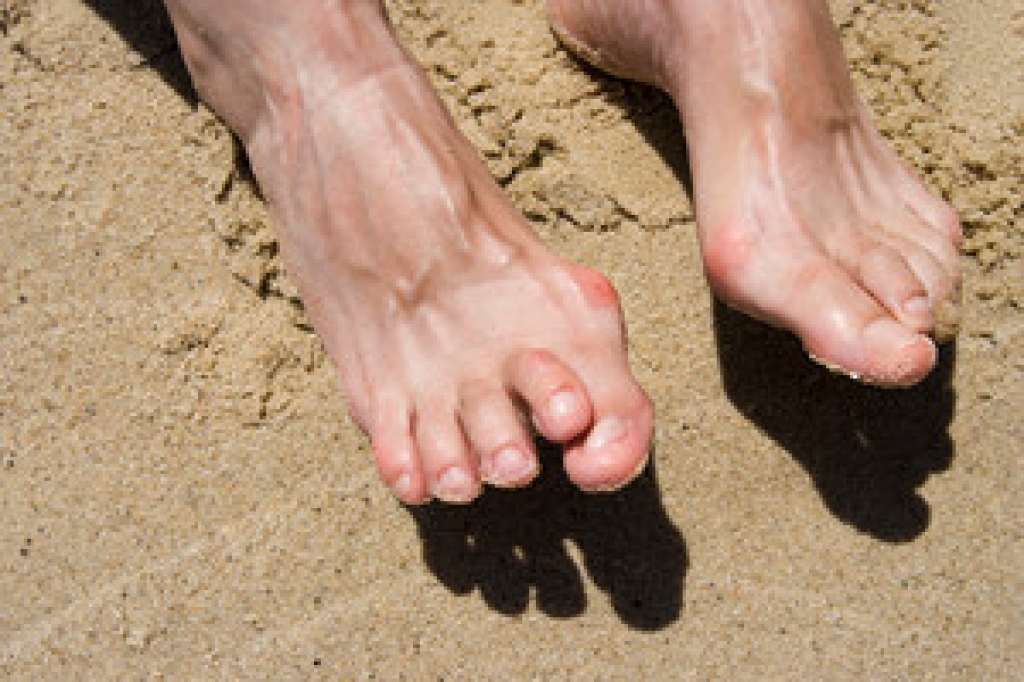
Hammertoe is a foot deformity where one or more toes become permanently bent at the middle joint, resembling a hammer. This condition is often caused by muscle imbalance, wearing tight or ill-fitting shoes, or injury. Risk factors include genetics, arthritis, and high arches. Symptoms may include pain, corns or calluses on the toe, difficulty walking, and swelling. If left untreated, hammertoe can become rigid and more painful. A podiatrist can diagnose hammertoe through physical examination and recommend treatments such as custom orthotics, shoe modifications, or surgery if necessary. If you experience toe discomfort or notice deformities, it is suggested that you consult a podiatrist who can accurately diagnose hammertoe, and offer appropriate treatment solutions. 

Hammertoes can be a painful condition to live with. For more information, contact Renee Rodriquez, DPM of Foot Clinic of South Texas. Our doctor will answer any of your foot- and ankle-related questions.

Hammertoe

Hammertoe is a foot deformity that occurs due to an imbalance in the muscles, tendons, or ligaments that normally hold the toe straight. It can be caused by the type of shoes you wear, your foot structure, trauma, and certain disease processes.

Symptoms

  • Painful and/or difficult toe movement
  • Swelling
  • Joint stiffness
  • Calluses/Corns
  • Physical deformity

Risk Factors

  • Age – The risk of hammertoe increases with age
  • Sex – Women are more likely to have hammertoe compared to men
  • Toe Length – You are more likely to develop hammertoe if your second toe is longer than your big toe
  • Certain Diseases – Arthritis and diabetes may make you more likely to develop hammertoe

Treatment

If you have hammertoe, you should change into a more comfortable shoe that provides enough room for your toes. Exercises such as picking up marbles may strengthen and stretch your toe muscles. Nevertheless, it is important to seek assistance from a podiatrist in order to determine the severity of your hammertoe and see which treatment option will work best for you.

If you have any questions, please feel free to contact our office located in Brownsville, TX . We offer the newest diagnostic and treatment technologies for all your foot care needs.
Read more about Hammertoe

Healing From the Ground Up

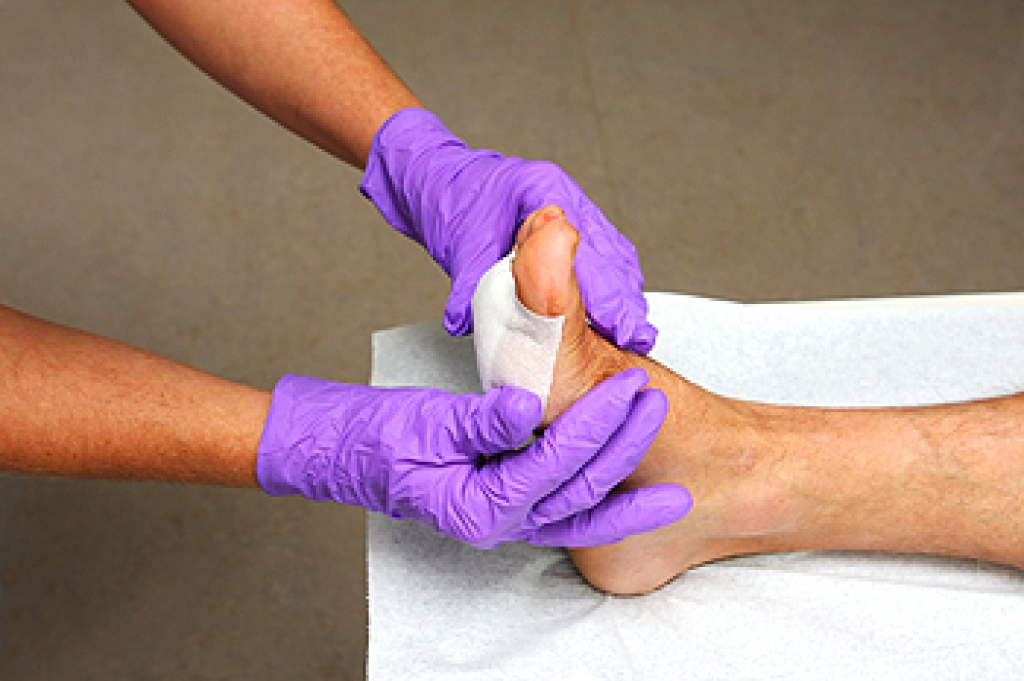
Proper wound care is a critical part of podiatry, especially for individuals with diabetes, poor circulation, or neuropathy. Foot wounds can result from cuts, blisters, pressure points, or minor injuries that go unnoticed and become infected. These wounds may appear red, swollen, or have drainage, and they can feel sore, warm, or even numb, if nerves are affected. A podiatrist treats wounds by cleaning the area, removing dead tissue called debridement, applying specialized dressings, and sometimes prescribing antibiotics. Offloading pressure with custom footwear or braces helps promote healing. In severe cases, surgery may be needed. Foot wounds are one of the leading causes of hospitalization for people with diabetes, yet with proper care from a podiatrist, most are preventable. Early treatment significantly reduces the risk of serious complications like infection or loss of limb. If you have a wound on your foot, it is suggested that you schedule an appointment with a podiatrist for appropriate treatment.

Wound care is an important part in dealing with diabetes. If you have diabetes and a foot wound or would like more information about wound care for diabetics, consult with Renee Rodriquez, DPM from Foot Clinic of South Texas. Our doctor will assess your condition and provide you with quality foot and ankle treatment.

What Is Wound Care?

Wound care is the practice of taking proper care of a wound. This can range from the smallest to the largest of wounds. While everyone can benefit from proper wound care, it is much more important for diabetics. Diabetics often suffer from poor blood circulation which causes wounds to heal much slower than they would in a non-diabetic. 

What Is the Importance of Wound Care?

While it may not seem apparent with small ulcers on the foot, for diabetics, any size ulcer can become infected. Diabetics often also suffer from neuropathy, or nerve loss. This means they might not even feel when they have an ulcer on their foot. If the wound becomes severely infected, amputation may be necessary. Therefore, it is of the upmost importance to properly care for any and all foot wounds.

How to Care for Wounds

The best way to care for foot wounds is to prevent them. For diabetics, this means daily inspections of the feet for any signs of abnormalities or ulcers. It is also recommended to see a podiatrist several times a year for a foot inspection. If you do have an ulcer, run the wound under water to clear dirt from the wound; then apply antibiotic ointment to the wound and cover with a bandage. Bandages should be changed daily and keeping pressure off the wound is smart. It is advised to see a podiatrist, who can keep an eye on it.

If you have any questions please contact our office located in Brownsville, TX . We offer the newest diagnostic and treatment technologies for all your foot and ankle needs.

Read more about Wound Care

Plantar Fasciitis Facts

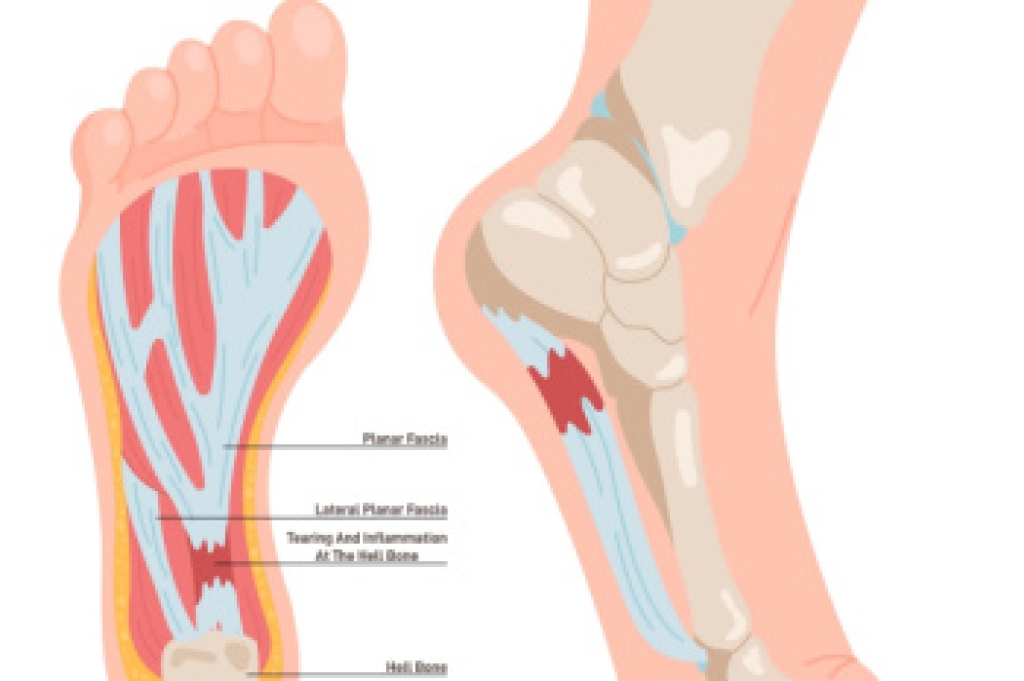
Plantar fasciitis is a foot condition caused by inflammation of the plantar fascia, the thick band of tissue that runs along the bottom of the foot. It often results from overuse, standing for long periods of time, or wearing shoes that lack adequate support. Risk factors include high arches, flat feet, obesity, and tight calf muscles. Symptoms include sharp heel pain, especially with the first steps in the morning or after long periods of rest. A podiatrist can provide relief through custom orthotics, footwear recommendations, and other treatments. If you experience ongoing heel pain or discomfort while walking, it is suggested that you promptly schedule a visit with a podiatrist for an accurate diagnosis and treatment options.

Plantar fasciitis can be very painful and inconvenient. If you are experiencing heel pain or symptoms of plantar fasciitis, contact Renee Rodriquez, DPM  from Foot Clinic of South Texas. Our doctor can provide the care you need to keep you pain-free and on your feet.

What Is Plantar Fasciitis?

Plantar fasciitis is the inflammation of the thick band of tissue that runs along the bottom of your foot, known as the plantar fascia, and causes mild to severe heel pain.

What Causes Plantar Fasciitis?

  • Excessive running
  • Non-supportive shoes
  • Overpronation
  • Repeated stretching and tearing of the plantar fascia

How Can It Be Treated?

  • Conservative measures – anti-inflammatories, ice packs, stretching exercises, physical therapy, orthotic devices
  • Shockwave therapy – sound waves are sent to the affected area to facilitate healing and are usually used for chronic cases of plantar fasciitis
  • Surgery – usually only used as a last resort when all else fails. The plantar fascia can be surgically detached from the heel

While very treatable, plantar fasciitis is definitely not something that should be ignored. Especially in severe cases, speaking to your doctor right away is highly recommended to avoid complications and severe heel pain. Your podiatrist can work with you to provide the appropriate treatment options tailored to your condition.

If you have any questions, please feel free to contact our office located in Brownsville, TX . We offer the newest diagnostic and treatment technologies for all your foot care needs.
Read more about Plantar Fasciitis

The Impact of High Heels on Foot Health

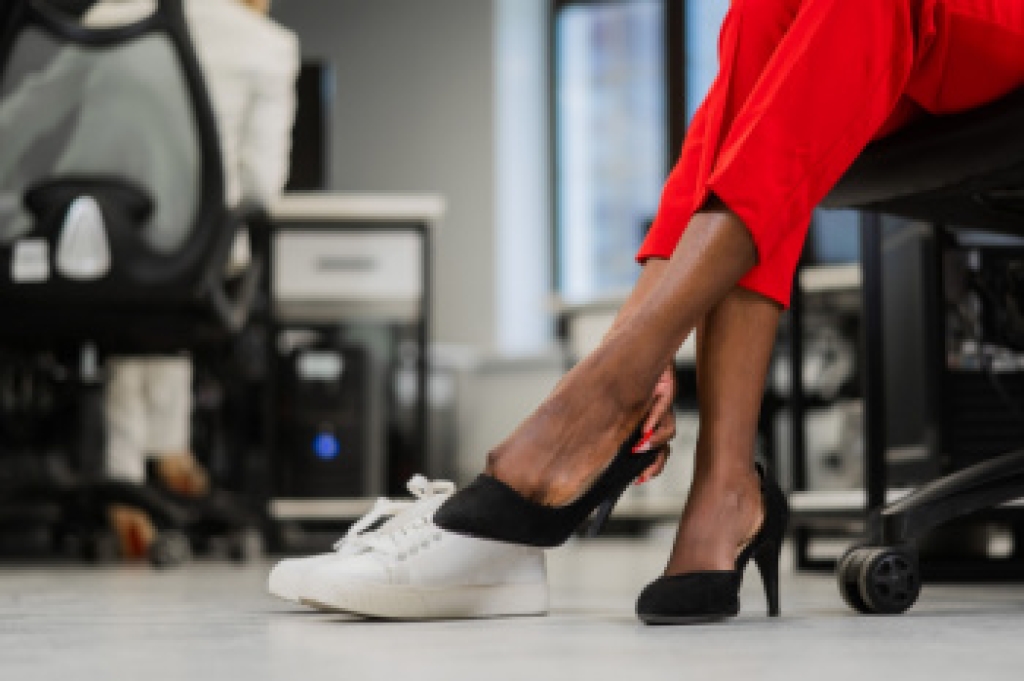
Wearing high heels regularly can significantly affect foot structure and movement. Heels alter natural gait, forcing the body to lean forward and placing excess pressure on the ball of the foot. This unnatural position can lead to pain, calluses, and long-term joint stress. High heels also create ankle instability, increasing the risk of sprains or fractures from sudden twists or missteps. Over time, frequent use may lead to chronic foot discomfort and toe deformities. A podiatrist can evaluate foot health, provide relief strategies, and recommend supportive footwear alternatives. If you experience foot pain from wearing heels, it is suggested that you seek guidance from a podiatrist to restore comfort, improve balance, and protect your feet from further damage or injury.

High heels have a history of causing foot and ankle problems. If you have any concerns about your feet or ankles, contact Renee Rodriquez, DPM from Foot Clinic of South Texas. Our doctor can provide the care you need to keep you pain-free and on your feet.

Effects of High Heels on the Feet

High heels are popular shoes among women because of their many styles and societal appeal.  Despite this, high heels can still cause many health problems if worn too frequently.

Which Parts of My Body Will Be Affected by High Heels?

  • Ankle Joints
  • Achilles Tendon – May shorten and stiffen with prolonged wear
  • Balls of the Feet
  • Knees – Heels cause the knees to bend constantly, creating stress on them
  • Back – They decrease the spine’s ability to absorb shock, which may lead to back pain.  The vertebrae of the lower back may compress.

What Kinds of Foot Problems Can Develop from Wearing High Heels?

  • Corns
  • Calluses
  • Hammertoe
  • Bunions
  • Morton’s Neuroma
  • Plantar Fasciitis

How Can I Still Wear High Heels and Maintain Foot Health?

If you want to wear high heeled shoes, make sure that you are not wearing them every day, as this will help prevent long term physical problems.  Try wearing thicker heels as opposed to stilettos to distribute weight more evenly across the feet.  Always make sure you are wearing the proper shoes for the right occasion, such as sneakers for exercising.  If you walk to work, try carrying your heels with you and changing into them once you arrive at work.  Adding inserts to your heels can help cushion your feet and absorb shock. Full foot inserts or metatarsal pads are available. 

If you have any questions, please feel free to contact our office located in Brownsville, TX . We offer the newest diagnostic and treatment technologies for all your foot care needs.
Read more about Why High Heels Are Not Ideal for Healthy Feet

Treating Blisters on the Feet

A blister on the foot is a fluid‑filled bubble that forms when the upper skin layers separate and fill with serum. Blisters most often occur on the feet, toes, or ankles due to friction from wearing ill‑fitting footwear, hotspots from repetitive pressure, moisture, or foot shape issues. The body creates blisters as a temporary shield to protect deeper skin and slow down activity by causing discomfort. Clean, dry socks, properly fitted shoes, and keeping the area clean and protected with a dressing or blister pad can speed the process. Popping a blister is unwise because it breaks the natural barrier, which increases the risk of infection and exposes sensitive skin beneath. A podiatrist can assess the extent of the blister, treat any infection, recommend appropriate dressings, and suggest footwear or pressure‑point adjustments to prevent recurrence. If you have problematic blisters on your feet, it is suggested that you schedule an appointment with a podiatrist for safe and sterile treatment.

Blisters are prone to making everyday activities extremely uncomfortable. If your feet are hurting, contact Renee Rodriquez, DPM of Foot Clinic of South Texas. Our doctor can provide the care you need to keep you pain-free and on your feet.

Foot Blisters

Foot blisters develop as a result of constantly wearing tight or ill-fitting footwear. This happens due to the constant rubbing from the shoe, which can often lead to pain.

What Are Foot Blisters?

A foot blister is a small fluid-filled pocket that forms on the upper-most layer of the skin. Blisters are filled with clear fluid and can lead to blood drainage or pus if the area becomes infected.

How Do Blisters Form?

Blisters on the feet are often the result of constant friction of skin and material, usually by shoe rubbing. Walking in sandals, boots, or shoes that don’t fit properly for long periods of time can result in a blister. Having consistent foot moisture and humidity can easily lead to blister formation.

Prevention & Treatment

It is important to properly care for the affected area in order to prevent infection and ease the pain. Do not lance the blister and use a Band-Aid to provide pain relief. Also, be sure to keep your feet dry and wear proper fitting shoes. If you see blood or pus in a blister, seek assistance from a podiatrist.

If you have any questions, please feel free to contact our office located in Brownsville, TX . We offer the newest diagnostic and treatment technologies for all your foot care needs.

Read more about Blisters

Connect With Us

Request Appointment Patient Portal