Treating Blisters on the Feet

A blister on the foot is a fluid‑filled bubble that forms when the upper skin layers separate and fill with serum. Blisters most often occur on the feet, toes, or ankles due to friction from wearing ill‑fitting footwear, hotspots from repetitive pressure, moisture, or foot shape issues. The body creates blisters as a temporary shield to protect deeper skin and slow down activity by causing discomfort. Clean, dry socks, properly fitted shoes, and keeping the area clean and protected with a dressing or blister pad can speed the process. Popping a blister is unwise because it breaks the natural barrier, which increases the risk of infection and exposes sensitive skin beneath. A podiatrist can assess the extent of the blister, treat any infection, recommend appropriate dressings, and suggest footwear or pressure‑point adjustments to prevent recurrence. If you have problematic blisters on your feet, it is suggested that you schedule an appointment with a podiatrist for safe and sterile treatment.

Blisters are prone to making everyday activities extremely uncomfortable. If your feet are hurting, contact Renee Rodriquez, DPM of Foot Clinic of South Texas. Our doctor can provide the care you need to keep you pain-free and on your feet.

Foot Blisters

Foot blisters develop as a result of constantly wearing tight or ill-fitting footwear. This happens due to the constant rubbing from the shoe, which can often lead to pain.

What Are Foot Blisters?

A foot blister is a small fluid-filled pocket that forms on the upper-most layer of the skin. Blisters are filled with clear fluid and can lead to blood drainage or pus if the area becomes infected.

How Do Blisters Form?

Blisters on the feet are often the result of constant friction of skin and material, usually by shoe rubbing. Walking in sandals, boots, or shoes that don’t fit properly for long periods of time can result in a blister. Having consistent foot moisture and humidity can easily lead to blister formation.

Prevention & Treatment

It is important to properly care for the affected area in order to prevent infection and ease the pain. Do not lance the blister and use a Band-Aid to provide pain relief. Also, be sure to keep your feet dry and wear proper fitting shoes. If you see blood or pus in a blister, seek assistance from a podiatrist.

If you have any questions, please feel free to contact our office located in Brownsville, TX . We offer the newest diagnostic and treatment technologies for all your foot care needs.

Read more about Blisters

Causes and Symptoms of Psoriatic Arthritis in the Feet

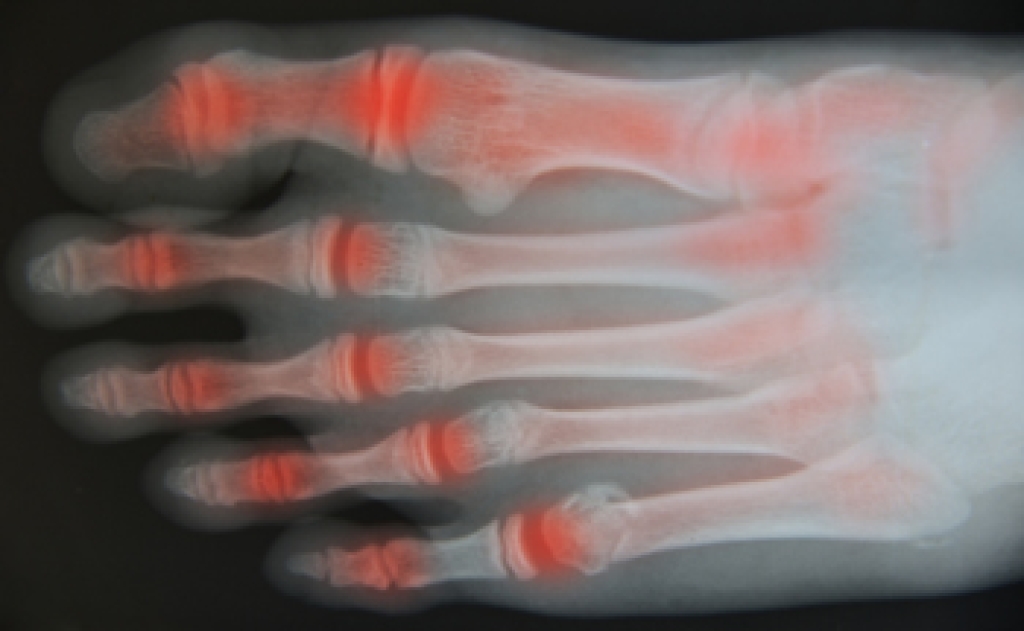
Psoriatic arthritis is an inflammatory condition linked to psoriasis that often affects the feet and toes. It can develop when the immune system mistakenly attacks healthy joints and tissues. Common causes include genetic factors and immune system dysfunction. Symptoms in the feet may include joint pain, swelling, stiffness, and changes in toenails, such as pitting or separation from the nail bed. The inflammation can make walking difficult and painful. A podiatrist can help by evaluating joint function, managing inflammation, recommending supportive footwear or orthotics, and coordinating care with other specialists. If you experience persistent foot pain with a history of psoriasis, it is suggested that you are under the care of a podiatrist to receive expert care, while improving your mobility.

Arthritis can be a difficult condition to live with. If you are seeking treatment, contact Renee Rodriquez, DPM from Foot Clinic of South Texas. Our doctor can provide the care you need to keep you pain-free and on your feet.

Arthritic Foot Care  

Arthritis is a joint disorder that involves the inflammation of different joints in your body, such as those in your feet. Arthritis is often caused by a degenerative joint disease and causes mild to severe pain in all affected areas. In addition to this, swelling and stiffness in the affected joints can also be a common symptom of arthritis.

In many cases, wearing ill-fitting shoes can worsen the effects and pain of arthritis. Wearing shoes that have a lower heel and extra room can help your feet feel more comfortable. In cases of rheumatoid arthritis, the arch in your foot may become problematic. Buying shoes with proper arch support that contour to your feet can help immensely.

Alleviating Arthritic Pain

  • Exercises that stretch the foot can prevent further pain and injury and increase mobility
  • Most of the pain can be alleviated with anti-inflammatory drugs, heat, and topical medications
  • Massages can help temporarily alleviate pain.

It is best to see your doctor for the treatment that is right for your needs and symptoms. Conditions vary, and a podiatrist can help you determine the right method of care for your feet.

If you have any questions please feel free to contact our office located in Brownsville, TX . We offer the newest diagnostic tools and technology to treat your foot and ankle needs.

Read more about Arthritic Foot Care

How Diabetes Affects Children's Feet

Diabetes can have serious effects on children's feet by increasing the risk of infections, reducing blood flow, and causing nerve damage. Poor circulation can delay healing, while nerve damage may lead to reduced sensation, making it harder for a child to notice injuries, blisters, or cuts. These issues can lead to complications if not addressed early. A podiatrist can help by performing regular foot checks, providing education on proper foot care, and recommending footwear that offers protection and support. If your child has diabetes, it is suggested that you schedule routine visits with a podiatrist to support healthy feet and overall well-being.

Diabetic foot care is important in preventing foot ailments such as ulcers. If you are suffering from diabetes or have any other concerns about your feet, contact Renee Rodriquez, DPM from Foot Clinic of South Texas. Our doctor can provide the care you need to keep you pain-free and on your feet.

Diabetic Foot Care

Diabetes affects millions of people every year. The condition can damage blood vessels in many parts of the body, especially the feet. Because of this, taking care of your feet is essential if you have diabetes, and having a podiatrist help monitor your foot health is highly recommended.

The Importance of Caring for Your Feet

  • Routinely inspect your feet for bruises or sores.
  • Wear socks that fit your feet comfortably.
  • Wear comfortable shoes that provide adequate support.

Patients with diabetes should have their doctor monitor their blood levels, as blood sugar levels play such a huge role in diabetic care. Monitoring these levels on a regular basis is highly advised.

It is always best to inform your healthcare professional of any concerns you may have regarding your feet, especially for diabetic patients. Early treatment and routine foot examinations are keys to maintaining proper health, especially because severe complications can arise if proper treatment is not applied.

If you have any questions, please feel free to contact our office located in Brownsville, TX . We offer the newest diagnostic and treatment technologies for all your foot care needs.
Read more about How to Care for Diabetic Foot

When Children Step on Sharp Objects

Young children often run barefoot or in thin shoes, which makes stepping on sharp objects more common than many parents expect. Whether it is a splinter, nail, or shard of glass, puncture wounds to the bottom of the foot can be more serious than they first appear. These injuries may seem small on the surface but can drive debris deep into soft tissue, increasing the risk of infection or damage to deeper structures. Early signs such as swelling, redness, or limping should not be ignored. Proper cleaning is important, but some wounds may require medical attention, especially if the object was dirty or the child is overdue for a tetanus shot. If your child has pain or difficulty walking after a puncture wound, it is suggested that you see a podiatrist as quickly as possible for a complete evaluation and care plan.

Wound care is an important part in dealing with diabetes. If you have diabetes and a foot wound or would like more information about wound care for diabetics, consult with Renee Rodriquez, DPM from Foot Clinic of South Texas. Our doctor will assess your condition and provide you with quality foot and ankle treatment.

What Is Wound Care?

Wound care is the practice of taking proper care of a wound. This can range from the smallest to the largest of wounds. While everyone can benefit from proper wound care, it is much more important for diabetics. Diabetics often suffer from poor blood circulation which causes wounds to heal much slower than they would in a non-diabetic. 

What Is the Importance of Wound Care?

While it may not seem apparent with small ulcers on the foot, for diabetics, any size ulcer can become infected. Diabetics often also suffer from neuropathy, or nerve loss. This means they might not even feel when they have an ulcer on their foot. If the wound becomes severely infected, amputation may be necessary. Therefore, it is of the upmost importance to properly care for any and all foot wounds.

How to Care for Wounds

The best way to care for foot wounds is to prevent them. For diabetics, this means daily inspections of the feet for any signs of abnormalities or ulcers. It is also recommended to see a podiatrist several times a year for a foot inspection. If you do have an ulcer, run the wound under water to clear dirt from the wound; then apply antibiotic ointment to the wound and cover with a bandage. Bandages should be changed daily and keeping pressure off the wound is smart. It is advised to see a podiatrist, who can keep an eye on it.

If you have any questions please contact our office located in Brownsville, TX . We offer the newest diagnostic and treatment technologies for all your foot and ankle needs.

Read more about Wound Care

Reminder: When Was the Last Time...?

Custom orthotics, or shoe inserts, should be periodically replaced. Orthotics must fit properly to give you the best results. Protect your feet and ankles!

Connect With Us

Request Appointment Patient Portal