High Heels and Blisters

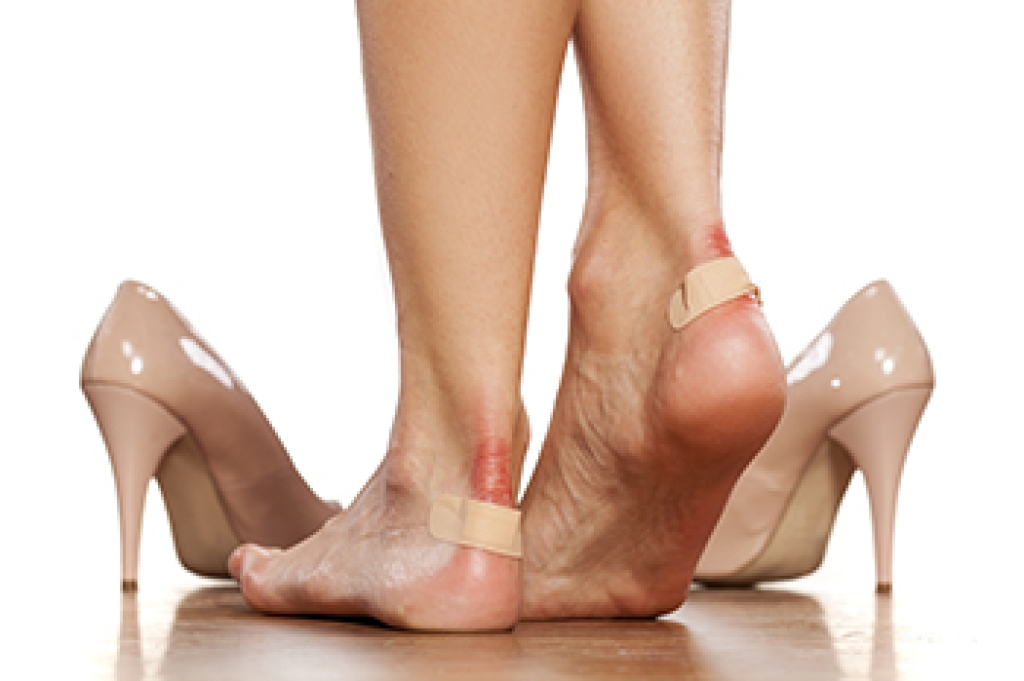
High heels are a popular shoe choice for many, but they can often lead to painful foot blisters. The structure of high heels places excessive pressure on specific areas of the feet, particularly the toes and the heel, which can cause friction against the shoe material. This friction, combined with sweat and prolonged wear, creates an ideal environment for blisters to form. To avoid this discomfort, selecting well-fitted shoes with adequate padding and support is essential. Wearing thick socks or protective blister pads can help reduce friction. It is also beneficial to gradually break in new heels by wearing them for short periods. Additionally, maintaining foot hygiene and keeping feet dry can minimize the risk of blisters. If you have problematic blisters from wearing high heels, it is suggested that you consult a podiatrist who can offer you relief and additional prevention tips.

High heels have a history of causing foot and ankle problems. If you have any concerns about your feet or ankles, contact Renee Rodriquez, DPM from Foot Clinic of South Texas. Our doctor can provide the care you need to keep you pain-free and on your feet.

Effects of High Heels on the Feet

High heels are popular shoes among women because of their many styles and societal appeal.  Despite this, high heels can still cause many health problems if worn too frequently.

Which Parts of My Body Will Be Affected by High Heels?

  • Ankle Joints
  • Achilles Tendon – May shorten and stiffen with prolonged wear
  • Balls of the Feet
  • Knees – Heels cause the knees to bend constantly, creating stress on them
  • Back – They decrease the spine’s ability to absorb shock, which may lead to back pain.  The vertebrae of the lower back may compress.

What Kinds of Foot Problems Can Develop from Wearing High Heels?

  • Corns
  • Calluses
  • Hammertoe
  • Bunions
  • Morton’s Neuroma
  • Plantar Fasciitis

How Can I Still Wear High Heels and Maintain Foot Health?

If you want to wear high heeled shoes, make sure that you are not wearing them every day, as this will help prevent long term physical problems.  Try wearing thicker heels as opposed to stilettos to distribute weight more evenly across the feet.  Always make sure you are wearing the proper shoes for the right occasion, such as sneakers for exercising.  If you walk to work, try carrying your heels with you and changing into them once you arrive at work.  Adding inserts to your heels can help cushion your feet and absorb shock. Full foot inserts or metatarsal pads are available. 

If you have any questions, please feel free to contact our office located in Brownsville, TX . We offer the newest diagnostic and treatment technologies for all your foot care needs.

Read more about Effect of High Heels on the Feet

Are You Suffering From Ingrown Toenails?

If left untreated, an ingrown toenail can lead to more serious concerns, such as an infection. Knowing proper nail care can help in the prevention of an ingrown toenail. Give us a call, and get treated!

Overview and Relief Methods for Sever’s Disease

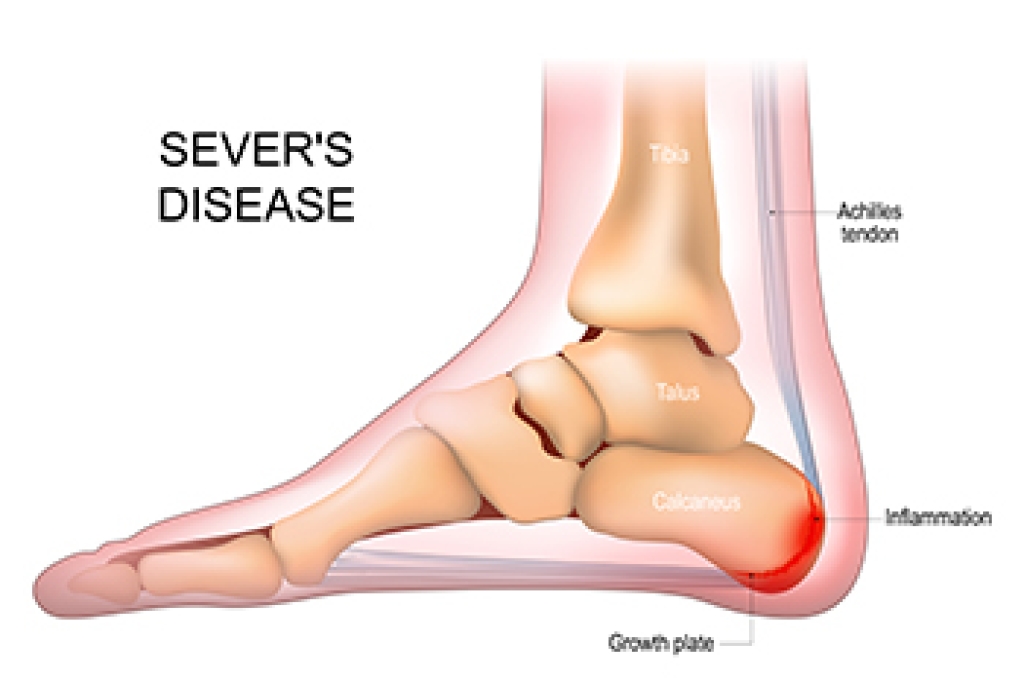
Sever's disease, also known as calcaneal apophysitis, is a common condition affecting active children and adolescents, particularly those involved in sports. It occurs when the growth plate in the heel becomes inflamed due to repetitive stress and strain, resulting in heel pain and discomfort. Symptoms typically include pain during physical activity, tenderness at the back of the heel, and limping. Relief methods focus on reducing pain and inflammation. Rest is essential, allowing the affected area to heal, and mild pain relievers may provide additional comfort. Stretching and strengthening exercises for the calf muscles and Achilles tendon can also be beneficial. Wearing proper footwear and custom orthotics may improve foot alignment and reduce stress on the heel. If your active child has heel pain, it is suggested that you consult a podiatrist who can see if Sever’s disease is the cause. 

Sever's disease often occurs in children and teens. If your child is experiencing foot or ankle pain, see Renee Rodriquez, DPM from Foot Clinic of South Texas. Our doctor can treat your child’s foot and ankle needs.

Sever’s Disease

Sever’s disease is also known as calcaneal apophysitis, which is a medical condition that causes heel pain I none or both feet. The disease is known to affect children between the ages of 8 and 14.

Sever’s disease occurs when part of the child’s heel known as the growth plate (calcaneal epiphysis) is attached to the Achilles tendon. This area can suffer injury when the muscles and tendons of the growing foot do not keep pace with bone growth. Therefore, the constant pain which one experiences at the back of the heel will make the child unable to put any weight on the heel. The child is then forced to walk on their toes.

Symptoms

Acute pain – Pain associated with Sever’s disease is usually felt in the heel when the child engages in physical activity such as walking, jumping and or running.

Highly active – Children who are very active are among the most susceptible in experiencing Sever’s disease, because of the stress and tension placed on their feet.

If you have any questions, please feel free to contact our office located in Brownsville, TX . We offer the newest diagnostic and treatment technologies for all your foot care needs.
Read more about Sever's Disease

Differences to Consider in Walking and Running Shoes

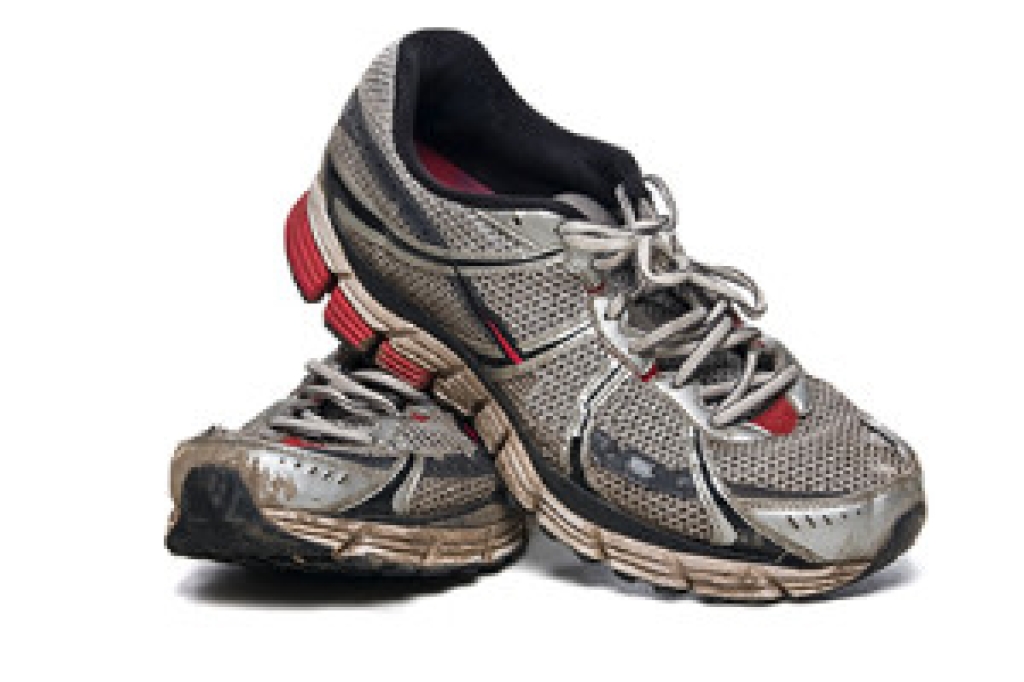
Choosing the right footwear is essential for comfort and injury prevention, and understanding the differences between walking and running shoes is important. One key difference lies in heel design, as running shoes typically have a more pronounced heel drop to accommodate the forward motion and impact associated with running. In contrast, walking shoes often feature a lower heel to promote a more natural foot movement. Flexibility is another significant distinction, and walking shoes tend to be more flexible, allowing for a smooth rolling motion, while running shoes are stiffer to provide support during the higher impact of running. Cushioning also varies. Running shoes generally offer more cushioning to absorb shock, whereas walking shoes prioritize stability and comfort for prolonged use. If you have foot pain from wearing ill-fitting shoes, it is suggested that you consult a podiatrist who can treat various foot conditions and provide additional guidance on shoe selection.

For more information about walking shoes versus running shoes, consult with Renee Rodriquez, DPM from Foot Clinic of South Texas. Our doctor can measure your feet to determine what your needs are and help you find an appropriate pair of footwear.

Foot Health: The Differences between Walking & Running Shoes

There are great ways to stay in shape: running and walking are two great exercises to a healthy lifestyle. It is important to know that running shoes and walking shoes are not interchangeable. There is a key difference on how the feet hit the ground when someone is running or walking. This is why one should be aware that a shoe is designed differently for each activity.

You may be asking yourself what the real differences are between walking and running shoes and the answers may shock you.

Differences

Walking doesn’t involve as much stress or impact on the feet as running does. However, this doesn’t mean that you should be any less prepared. When you’re walking, you land on your heels and have your foot roll forward. This rolling motion requires additional support to the feet.

Flexibility – Walking shoes are designed to have soft, flexible soles. This allows the walker to push off easily with each step.

If you have any questions, please feel free to contact our office located in Brownsville, TX . We offer the newest diagnostic and treatment technologies for all your foot care needs.
Read more about Differences between Walking and Running Shoes

When Diabetic Foot Wounds Do Not Heal

Diabetic foot wounds that do not heal can signal serious problems that require medical care from a podiatrist. Factors that delay wound healing include poor circulation, high blood sugar levels, and nerve damage. High blood sugar can interfere with the body’s ability to fight infections and slows down collagen production, which helps to close wounds. Poor circulation and nerve damage may reduce sensation, making it harder to notice and treat injuries early. Open wounds can become infected, worsening the condition and causing serious tissue damage. A podiatrist can check your circulation, offer specialized wound care, and suggest treatment methods to prevent complications. This may include techniques to reduce pressure on the wound or using advanced wound therapies. Early care and regular monitoring can help prevent further harm and avoid severe outcomes, such as amputation. If you have a foot wound that will not heal, it is suggested that you make an immediate appointment with a podiatrist.

Wound care is an important part in dealing with diabetes. If you have diabetes and a foot wound or would like more information about wound care for diabetics, consult with Renee Rodriquez, DPM from Foot Clinic of South Texas. Our doctor will assess your condition and provide you with quality foot and ankle treatment.

What Is Wound Care?

Wound care is the practice of taking proper care of a wound. This can range from the smallest to the largest of wounds. While everyone can benefit from proper wound care, it is much more important for diabetics. Diabetics often suffer from poor blood circulation which causes wounds to heal much slower than they would in a non-diabetic. 

What Is the Importance of Wound Care?

While it may not seem apparent with small ulcers on the foot, for diabetics, any size ulcer can become infected. Diabetics often also suffer from neuropathy, or nerve loss. This means they might not even feel when they have an ulcer on their foot. If the wound becomes severely infected, amputation may be necessary. Therefore, it is of the upmost importance to properly care for any and all foot wounds.

How to Care for Wounds

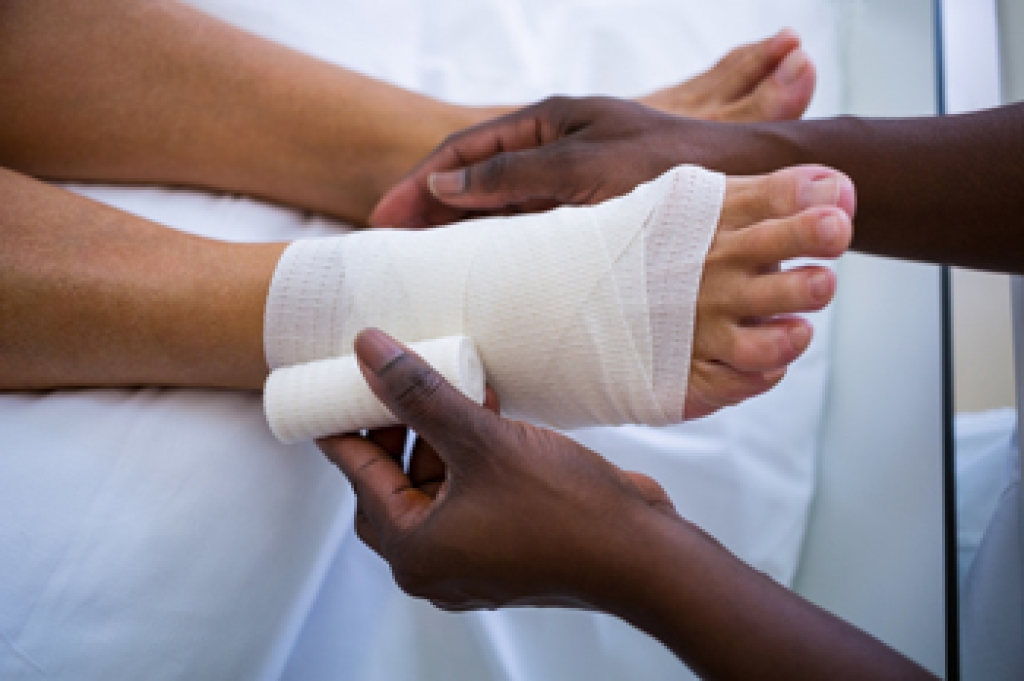
The best way to care for foot wounds is to prevent them. For diabetics, this means daily inspections of the feet for any signs of abnormalities or ulcers. It is also recommended to see a podiatrist several times a year for a foot inspection. If you do have an ulcer, run the wound under water to clear dirt from the wound; then apply antibiotic ointment to the wound and cover with a bandage. Bandages should be changed daily and keeping pressure off the wound is smart. It is advised to see a podiatrist, who can keep an eye on it.

If you have any questions please contact our office located in Brownsville, TX . We offer the newest diagnostic and treatment technologies for all your foot and ankle needs.

Read more about Wound Care

Tips on Running More Comfortably With Flat Feet

Running with flat feet can present unique challenges, but with the right approach, it can still be an enjoyable and fulfilling activity. First, selecting appropriate footwear is vital. Look for shoes that offer excellent arch support and cushioning to help compensate for the lack of natural arch. Custom orthotics can provide added stability and comfort. It is also important to focus on proper running form, ensuring a midfoot strike rather than landing heavily on the heels. Gradually increasing mileage allows the body to adapt, reducing the risk of injury. Strengthening the muscles in the feet and lower legs through specific exercises can also improve support and function. Listening to the body and taking rest days when needed will help prevent discomfort. Some people experience pain and discomfort while running with flat feet. If this applies to you, it is suggested that you consult a podiatrist who can guide you on appropriate relief techniques.

Flatfoot is a condition many people suffer from. If you have flat feet, contact Renee Rodriquez, DPM from Foot Clinic of South Texas. Our doctor will treat your foot and ankle needs.

What Are Flat Feet?

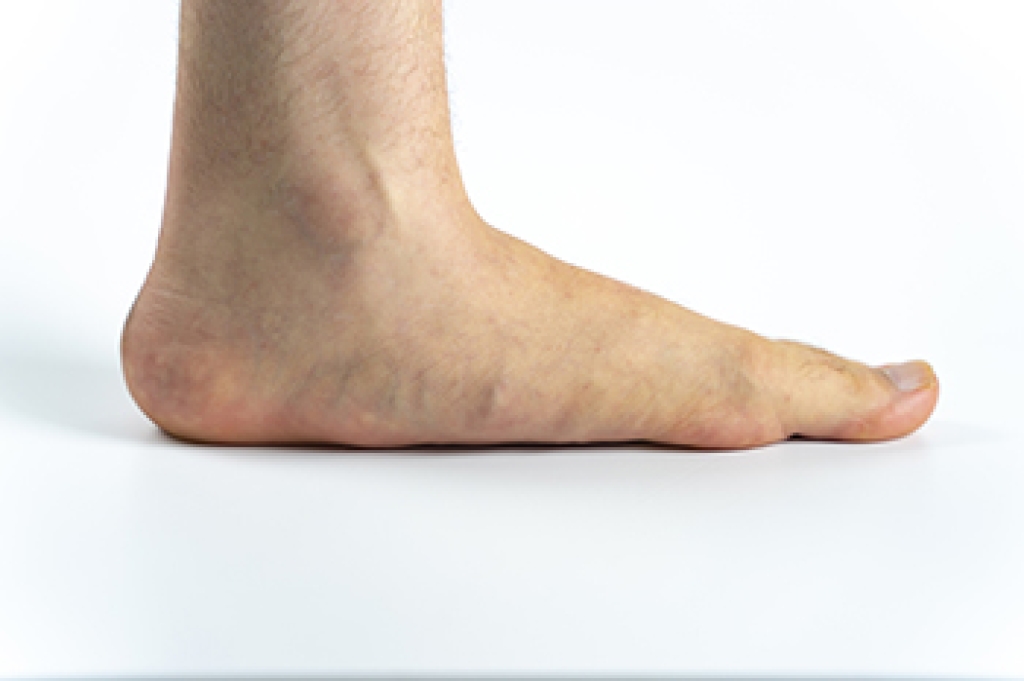
Flatfoot is a condition in which the arch of the foot is depressed and the sole of the foot is almost completely in contact with the ground. About 20-30% of the population generally has flat feet because their arches never formed during growth.

Conditions & Problems:

Having flat feet makes it difficult to run or walk because of the stress placed on the ankles.

Alignment – The general alignment of your legs can be disrupted, because the ankles move inward which can cause major discomfort.

Knees – If you have complications with your knees, flat feet can be a contributor to arthritis in that area.  

Symptoms

  • Pain around the heel or arch area
  • Trouble standing on the tip toe
  • Swelling around the inside of the ankle
  • Flat look to one or both feet
  • Having your shoes feel uneven when worn

Treatment

If you are experiencing pain and stress on the foot you may weaken the posterior tibial tendon, which runs around the inside of the ankle. 

If you have any questions, please feel free to contact our office located in Brownsville, TX . We offer the newest diagnostic and treatment technologies for all your foot care needs.
Read more about Flat Feet

Let the Expert Treat Your Ingrown Toenails

Ingrown toenails can be painful and can make wearing shoes or walking uncomfortable. Seek professional help if you believe you've developed an ingrown toenail and be treated safely. 

What Causes Blisters on the Feet?

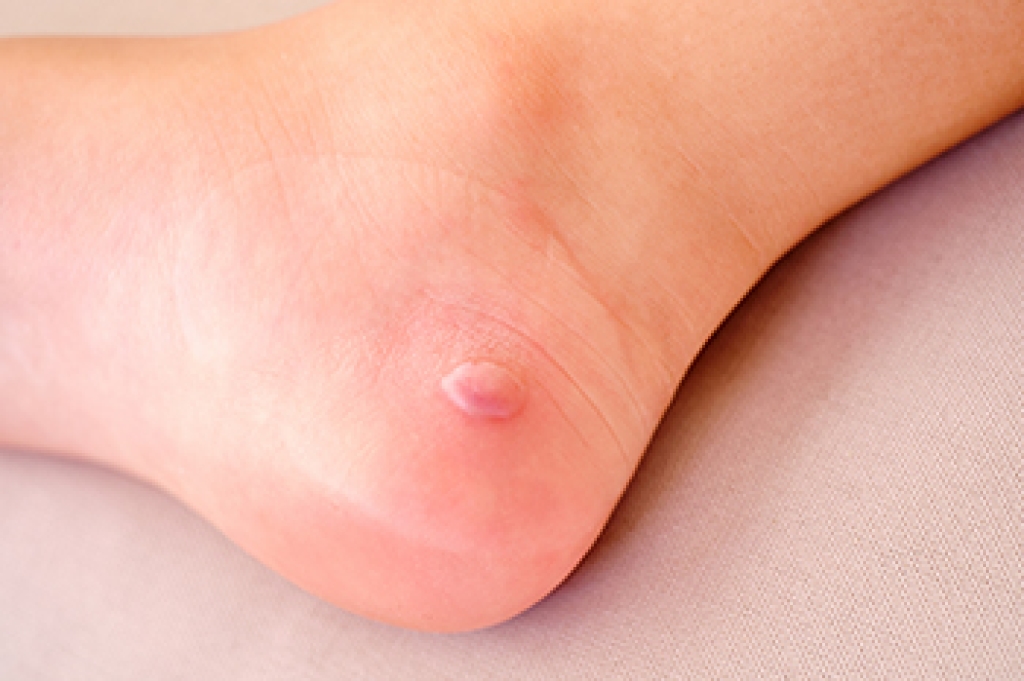
A friction blister on the foot is a small, fluid-filled bubble that forms on the skin due to repeated friction or rubbing. This common condition typically occurs in areas where the skin is subjected to constant pressure, such as the heels or the balls of the feet. The primary cause is prolonged or intense friction from wearing poorly fitting shoes, new footwear, or excessive physical activity. Moisture from sweat can worsen the problem by softening the skin, making it more susceptible to blisters. Wearing proper footwear and moisture-wicking socks can help reduce the risk of developing friction blisters. If you have developed a foot blister that has become infected, it is strongly suggested that you contact a podiatrist who can treat this condition and offer effective prevention tips.

Blisters may appear as a single bubble or in a cluster. They can cause a lot of pain and may be filled with pus, blood, or watery serum. If your feet are hurting, contact Renee Rodriquez, DPM of Foot Clinic of South Texas. Our doctor can provide the care you need to keep you pain-free and on your feet.

Foot Blisters

Foot blisters are often the result of friction. This happens due to the constant rubbing from shoes, which can lead to pain.

What Are Foot Blisters?

A foot blister is a small fluid-filled pocket that forms on the upper-most layer of the skin. Blisters are filled with clear fluid and can lead to blood drainage or pus if the area becomes infected.

Symptoms

(Blister symptoms may vary depending on what is causing them)

  • Bubble of skin filled with fluid
  • Redness
  • Moderate to severe pain
  • Itching

Prevention & Treatment

In order to prevent blisters, you should be sure to wear comfortable shoes with socks that cushion your feet and absorb sweat. Breaking a blister open may increase your chances of developing an infection. However, if your blister breaks, you should wash the area with soap and water immediately and then apply a bandage to the affected area. If your blisters cause severe pain it is important that you call your podiatrist right away.

If you have any questions, please feel free to contact our office located in Brownsville, TX . We offer the newest diagnostic and treatment technologies for all your foot care needs.

Read more about Blisters

Medical Insights on Heel Spurs

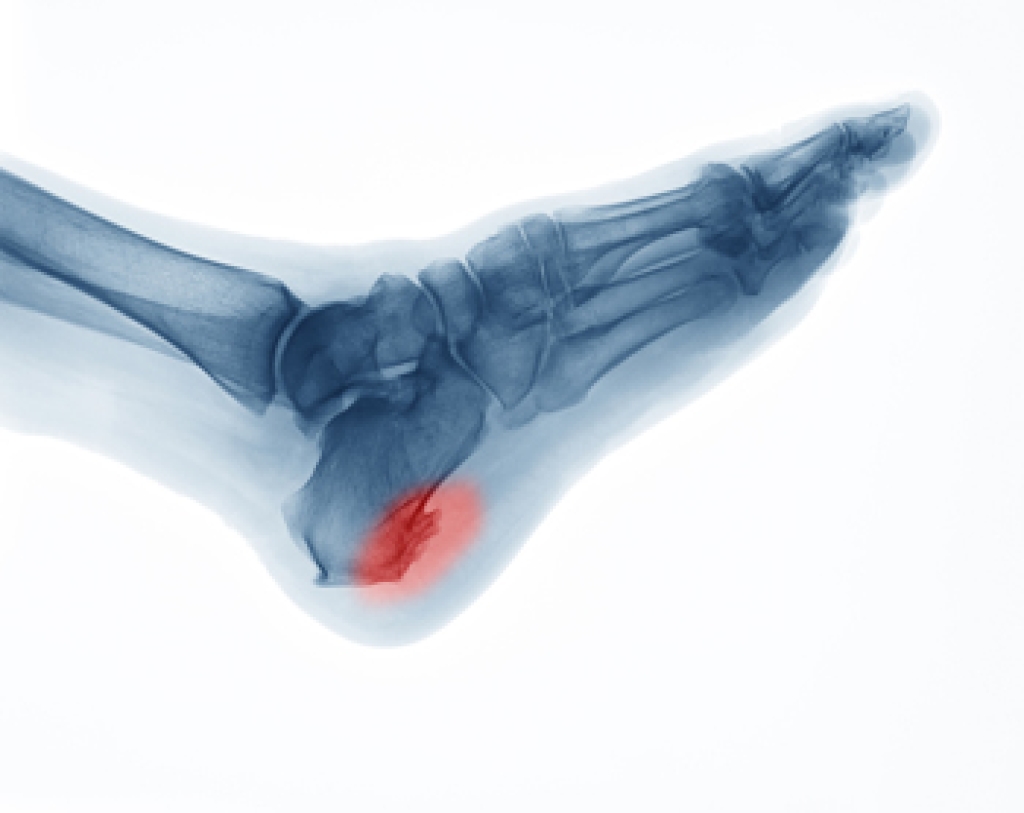
A heel spur, medically known as a calcaneal spur, is a bony growth that develops on the underside of the heel bone. This condition is often associated with plantar fasciitis, where the tissue connecting the heel to the toes becomes inflamed. Heel spurs form due to excessive stress and strain on the foot, causing calcium deposits to accumulate over time. Common causes include repetitive stress from high-impact activities, prolonged standing, and wearing improper footwear. Individuals with flat feet or high arches are also at higher risk due to altered foot mechanics. Symptoms typically include sharp pain at the heel, particularly with the first steps in the morning. If you have developed a heel spur, it is suggested that you are under the care of a podiatrist who can discuss effective treatment methods that may include surgery for removal.

Heel spurs can be incredibly painful and sometimes may make you unable to participate in physical activities. To get medical care for your heel spurs, contact Renee Rodriquez, DPM from Foot Clinic of South Texas. Our doctor will do everything possible to treat your condition.

Heels Spurs

Heel spurs are formed by calcium deposits on the back of the foot where the heel is. This can also be caused by small fragments of bone breaking off one section of the foot, attaching onto the back of the foot. Heel spurs can also be bone growth on the back of the foot and may grow in the direction of the arch of the foot.

Older individuals usually suffer from heel spurs and pain sometimes intensifies with age. One of the main condition's spurs are related to is plantar fasciitis.

Pain

The pain associated with spurs is often because of weight placed on the feet. When someone is walking, their entire weight is concentrated on the feet. Bone spurs then have the tendency to affect other bones and tissues around the foot. As the pain continues, the feet will become tender and sensitive over time.

Treatments

There are many ways to treat heel spurs. If one is suffering from heel spurs in conjunction with pain, there are several methods for healing. Medication, surgery, and herbal care are some options.

If you have any questions, please feel free to contact our office located in Brownsville, TX . We offer the newest diagnostic and treatment technologies for all your foot care needs.
Read more about How to Treat Heel Spurs

Types of Treatment for Ankle Sprains

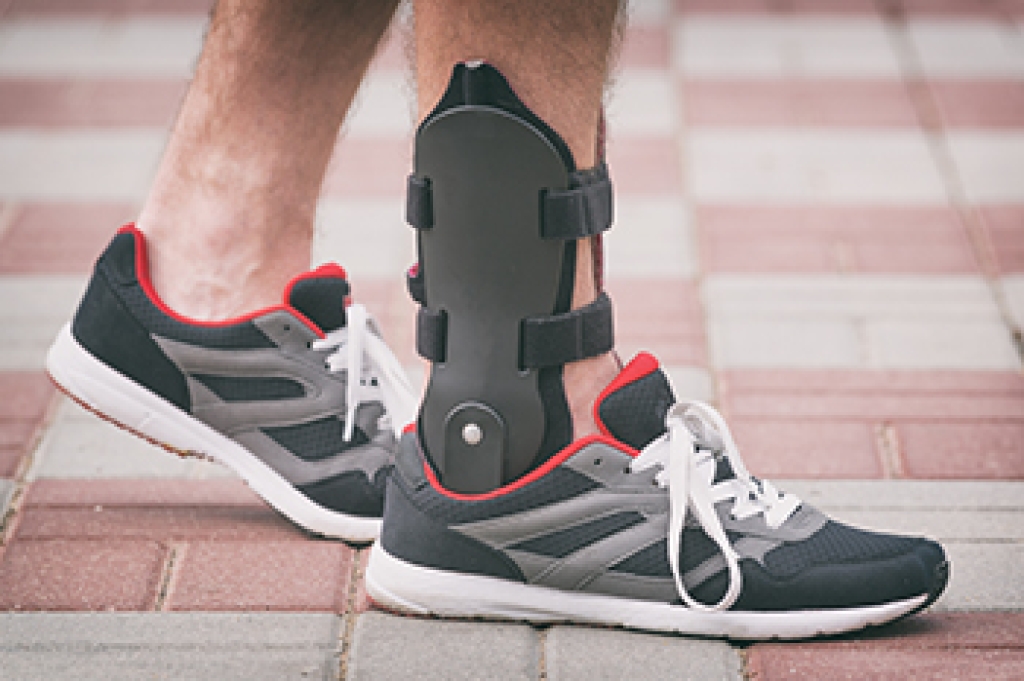
Ankle sprains require proper treatment to ensure a full recovery and prevent future complications. After an ankle sprain, a podiatrist may recommend various treatment options to support healing and restore function. Moving the joint gently, within your pain tolerance, helps prevent stiffness and maintains normal movement. An ankle support, such as a brace, can provide stability while allowing some mobility as the ligament heals. For more severe sprains, certain prescribed exercises can help to improve joint movement, and muscle strength. In cases of severe sprains or instability, immobilization of the ankle with a brace or cast might be necessary, and surgery could be considered if damaged ligaments are significantly torn. If pain persists or the ankle remains unstable, further evaluation, including imaging, might be required. If you have sprained your ankle, it is suggested that you schedule an appointment with a podiatrist for an exam, diagnosis, and treatment options.

Ankle sprains are common but need immediate attention. If you need your feet checked, contact Renee Rodriquez, DPM from Foot Clinic of South Texas. Our doctor can provide the care you need to keep you pain-free and on your feet.

How Does an Ankle Sprain Occur?

Ankle sprains take place when the ligaments in your ankle are torn or stretched beyond their limits. There are multiple ways that the ankle can become injured, including twisting or rolling over onto your ankle, putting undue stress on it, or causing trauma to the ankle itself.

What Are the Symptoms?

  • Mild to moderate bruising
  • Limited mobility
  • Swelling
  • Discoloration of the skin (depending on severity)

Preventing a Sprain

  • Wearing appropriate shoes for the occasion
  • Stretching before exercises and sports
  • Knowing your limits

Treatment of a Sprain

Treatment of a sprain depends on the severity.  Many times, people are told to rest and remain off their feet completely, while others are given an air cast. If the sprain is very severe, surgery may be required.

If you have suffered an ankle sprain previously, you may want to consider additional support such as a brace and regular exercises to strengthen the ankle.

If you have any questions please feel free to contact our office located in Brownsville, TX . We offer the newest diagnostic tools and technology to treat your foot and ankle needs.

Read more about Ankle Sprains

Connect With Us

Request Appointment Patient Portal