Alternative Therapies for Non-Healing Diabetic Foot Ulcers

Maggot therapy, also known as Maggot Debridement Therapy, MDT, or Larval therapy, has a long history in medicine and has gained recent recognition for its unique ability to save limbs. This biotherapy involves placing disinfected maggots, often the larvae of the greenbottle blowfly, on wounds, such as diabetic foot ulcers, to debride necrotic tissues. It is particularly effective when antibiotics fail to combat bacterial infections in non-healing wounds, potentially preventing limb amputations. Maggots work by secreting special enzymes, which break down necrotic tissue, making it easier to digest and absorb. They also produce antibiotic-like agents and release ammonia to inhibit bacterial growth in the wound. Administration involves placing sterile maggots within a dressing on the wound for 48 to 72 hours. This therapy has broad applications, including diabetic ulcers, vascular ulcers, pressure ulcers, and even malignant wounds. Studies have shown that maggot therapy accelerates wound healing, reduces necrotic tissue, and decreases wound odor. While this therapy is highly effective, it should not be used for wounds near vital organs or blood vessels and in septic patients. Additional research can further expand the applications of this therapy, however, it saves 40 to 50 percent of limbs when used as a last resort. If you have a non-healing diabetic foot wound and would like alternative treatments for healing, it is suggested that you make an appointment with a podiatrist to discuss this further.

Wound care is an important part in dealing with diabetes. If you have diabetes and a foot wound or would like more information about wound care for diabetics, consult with Renee Rodriquez, DPM from Foot Clinic of South Texas. Our doctor will assess your condition and provide you with quality foot and ankle treatment.

What Is Wound Care?

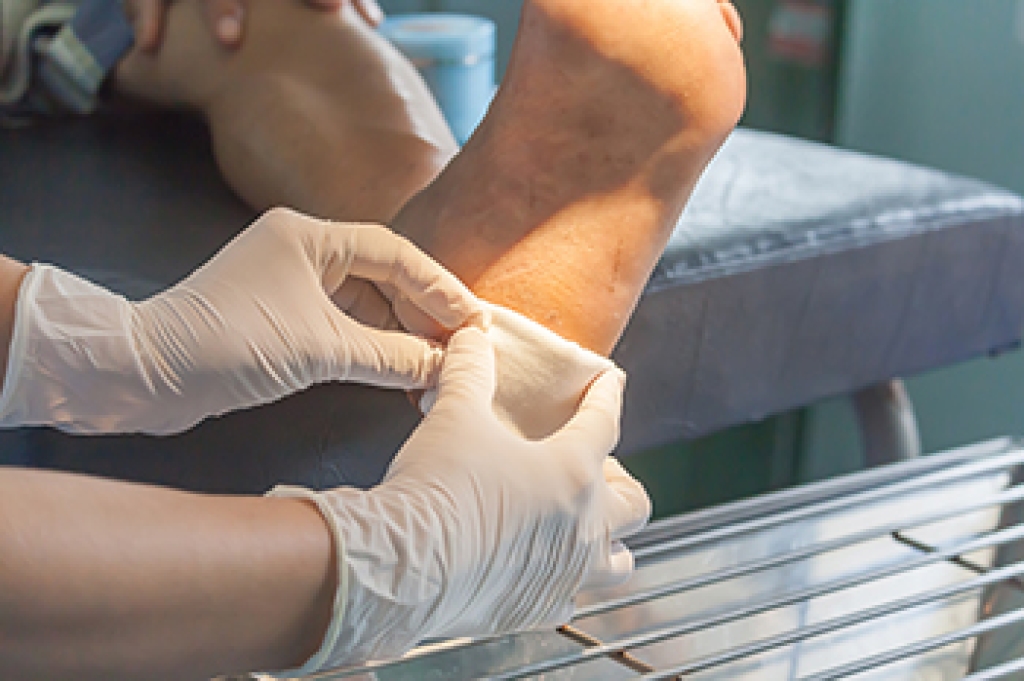
Wound care is the practice of taking proper care of a wound. This can range from the smallest to the largest of wounds. While everyone can benefit from proper wound care, it is much more important for diabetics. Diabetics often suffer from poor blood circulation which causes wounds to heal much slower than they would in a non-diabetic. 

What Is the Importance of Wound Care?

While it may not seem apparent with small ulcers on the foot, for diabetics, any size ulcer can become infected. Diabetics often also suffer from neuropathy, or nerve loss. This means they might not even feel when they have an ulcer on their foot. If the wound becomes severely infected, amputation may be necessary. Therefore, it is of the upmost importance to properly care for any and all foot wounds.

How to Care for Wounds

The best way to care for foot wounds is to prevent them. For diabetics, this means daily inspections of the feet for any signs of abnormalities or ulcers. It is also recommended to see a podiatrist several times a year for a foot inspection. If you do have an ulcer, run the wound under water to clear dirt from the wound; then apply antibiotic ointment to the wound and cover with a bandage. Bandages should be changed daily and keeping pressure off the wound is smart. It is advised to see a podiatrist, who can keep an eye on it.

If you have any questions please contact our office located in Brownsville, TX . We offer the newest diagnostic and treatment technologies for all your foot and ankle needs.
Read more about Wound Care

Heel Pain Can Be Treated!

Do you suffer from heel pain when you get up in the morning? If so, you should seek professional help and have a proper diagnosis performed. Heel pain can be caused by several different foot-related conditions.

Aesthetic Concerns of Cracked Heels

Dry, cracked heels are a common issue that can cause discomfort. These fissures in the skin often result from dryness, pressure, or various lifestyle and medical factors. While not usually a severe health concern, untreated cracked heels can become painful. This condition typically starts with dry skin. Daily activities such as standing, walking, or running exert pressure on the feet, causing the heel pads to expand. When combined with dryness, the skin can crack, creating openings for bacteria and viruses. Other potential causes of cracked heels include lifestyle choices that can include walking barefoot, taking hot showers, or using harsh soaps. Wearing ill-fitting shoes with poor support can also contribute to cracked heels. On a medical front, factors like diabetes, vitamin deficiencies, fungal infections, and hypothyroidism may also lead to developing cracked heels. Preventing cracked heels involves addressing dry skin and its underlying causes. Moisturizing is key, and products such as custom shoe inserts, padded socks, and heel relief sleeves can help protect and hydrate the skin. To treat existing dry, cracked heels, it is helpful to focus on hydration and protection. If this problem persists or causes pain, it is strongly suggested that you make an appointment with a podiatrist for a more advanced treatment plan.

If the skin on your feet starts to crack, you may want to see a podiatrist to find treatment. If you have any concerns, contact Renee Rodriquez, DPM from Foot Clinic of South Texas. Our doctor can provide the care you need to keep you pain-free and on your feet.

Cracked Heels

It is important to moisturize your cracked heels in order to prevent pain, bleeding, and infection. The reason cracked heels form is because the skin on the foot is too dry to support the immense pressure placed on them. When the foot expands, the dry skin on the foot begins to split.

Ways to Help Heal Them

  • Invest in a good foot cream
  • Try Using Petroleum Jelly
  • Ease up on Soaps
  • Drink Plenty of Water

Ways to Prevent Cracked Heels

  • Moisturize After Showering
  • Skip a Shower
  • Keep Shower Water Lukewarm
  • Don’t Scrub Your Feet

If you are unsure how to proceed in treating cracked heels, seek guidance from a podiatrist. Your doctor will help you with any questions or information you may need. 

If you have any questions, please feel free to contact our office located in Brownsville, TX . We offer the newest diagnostic and treatment technologies for all your foot care needs.

Read more about Solutions for Cracked Heels

Choosing the Right Shoes for Kids

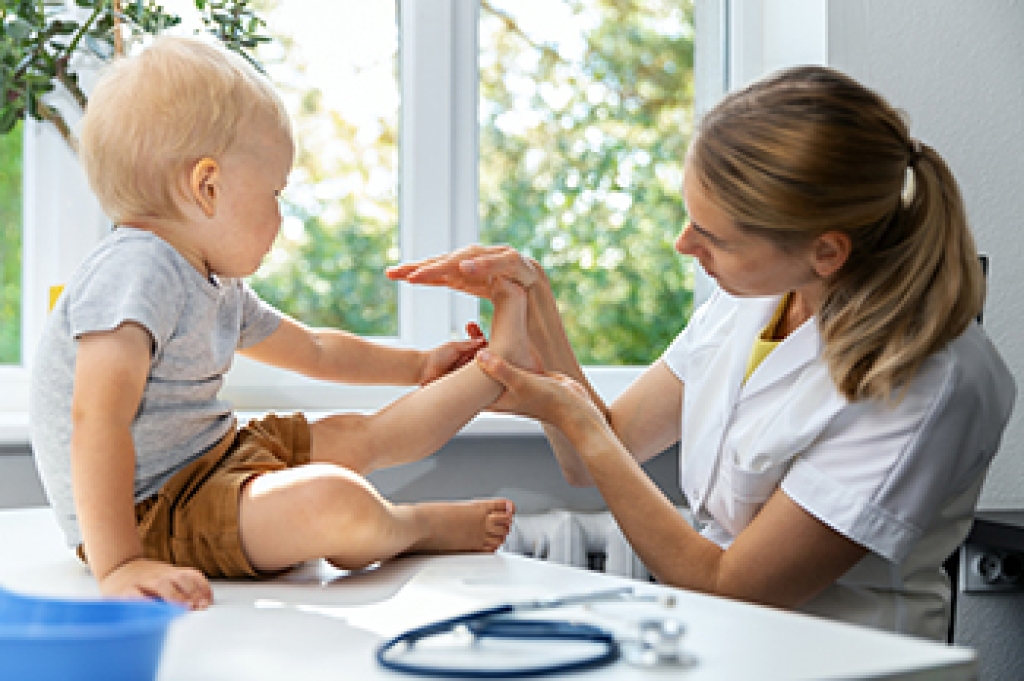
As parents, ensuring the well-being of your children is a top priority, and this extends to their footwear. Selecting the right shoes for your child goes beyond fashion considerations. It is more about promoting the child's comfort, development, and overall health. This can begin with prioritizing the fit. Children's feet are continually growing and developing, so it is helpful to choose shoes that provide enough room for their toes to wiggle and grow. Measure their feet regularly to ensure a proper fit. Support is another critical factor. Look for shoes with good arch support and cushioning to absorb shock during play and daily activities. Sturdy soles with good traction can help to prevent slips and falls. Air circulation is essential, as your child's feet can sweat quite a bit. Choose shoes made from breathable materials to reduce the risk of fungal infections. Lastly, involve your child in the selection process. Let them try on shoes and assess comfort. This empowers them and ensures that they are more likely to wear the shoes you buy. By keeping these factors in mind, you can make informed choices when shopping for your child's shoes, promoting their comfort, health, and happy feet. If you would like additional information about what type of shoes to buy for your child, it is suggested that you speak with a podiatrist. 

The health of a child’s feet is vital to their overall well-being. If you have any questions regarding foot health, contact Renee Rodriquez, DPM of Foot Clinic of South Texas. Our doctor can provide the care you need to keep you pain-free and on your feet.

Tips for Keeping Children's Feet Healthy

  • Make sure their shoes fit properly
  • Look for any signs of in-toeing or out-toeing
  • Check to see if they have Clubfoot (condition that affects your child’s foot and ankle, twisting the heel and toes inward) which is one of the most common nonmajor birth defects.
  • Lightly cover your baby’s feet (Tight covers may keep your baby from moving their feet freely, and could prevent normal development)
  • Allow your toddler to go shoeless (Shoes can be restricting for a young child’s foot)
  • Cut toenails straight across to avoid ingrown toenails
  • Keep your child’s foot clean and dry
  • Cover cuts and scrapes. Wash any scratches with soap and water and cover them with a bandage until they’ve healed.

If you have any questions, please feel free to contact our office located in Brownsville, TX . We offer the newest diagnostic and treatment technologies for all your foot care needs.

Read more about How to Care for Your Child's Feet

Fall Proofing the Home for Elderly Loved Ones

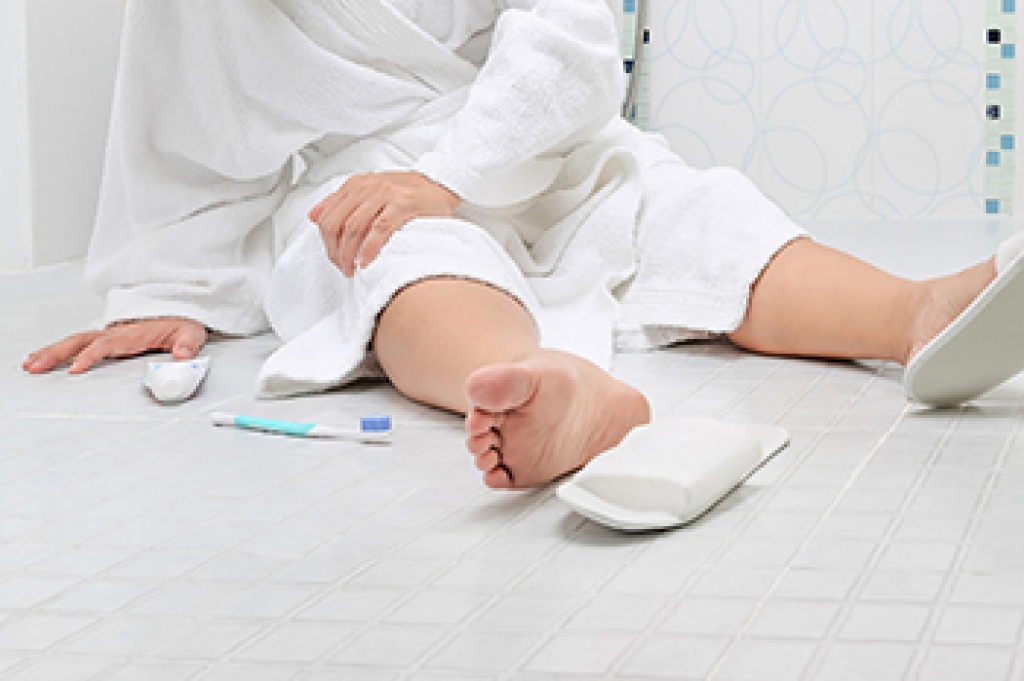
As we age, the risk of falls in our homes becomes a growing concern. The good news is that with a few thoughtful modifications, you can transform your living space into a safe haven for elderly family members. This can begin by decluttering walkways, ensuring clear, unobstructed paths, followed by removing tripping hazards such as loose rugs and electrical cords. Installing handrails and grab bars which can provide essential support, is critical in bathrooms and staircases. Adequate lighting is vital, and dimly lit areas can be brightened, in addition to adding nightlights which can reduce the risk of stumbling in the dark. Consider anti-slip flooring options to improve traction. In the bathroom, invest in a shower chair and non-slip mats to prevent accidents. Regular maintenance of your home's infrastructure, including checking for loose floorboards or uneven surfaces, is also important. If you would like additional information about effective methods to keep your home safe for senior family members, it is suggested that you consult with a podiatrist.

Preventing falls among the elderly is very important. If you are older and have fallen or fear that you are prone to falling, consult with Renee Rodriquez, DPM from Foot Clinic of South Texas. Our doctor will assess your condition and provide you with quality advice and care.

Every 11 seconds, an elderly American is being treated in an emergency room for a fall related injury. Falls are the leading cause of head and hip injuries for those 65 and older. Due to decreases in strength, balance, senses, and lack of awareness, elderly persons are very susceptible to falling. Thankfully, there are a number of things older persons can do to prevent falls.

How to Prevent Falls

Some effective methods that older persons can do to prevent falls include:

  • Enrolling in strength and balance exercise program to increase balance and strength
  • Periodically having your sight and hearing checked
  • Discuss any medications you have with a doctor to see if it increases the risk of falling
  • Clearing the house of falling hazards and installing devices like grab bars and railings
  • Utilizing a walker or cane
  • Wearing shoes that provide good support and cushioning
  • Talking to family members about falling and increasing awareness

Falling can be a traumatic and embarrassing experience for elderly persons; this can make them less willing to leave the house, and less willing to talk to someone about their fears of falling. Doing such things, however, will increase the likelihood of tripping or losing one’s balance. Knowing the causes of falling and how to prevent them is the best way to mitigate the risk of serious injury.  

If you have any questions, please feel free to contact our office located in Brownsville, TX . We offer the newest diagnostic and treatment technologies for all your foot care needs.

Read more about Falls Prevention

Connect With Us

Request Appointment Patient Portal