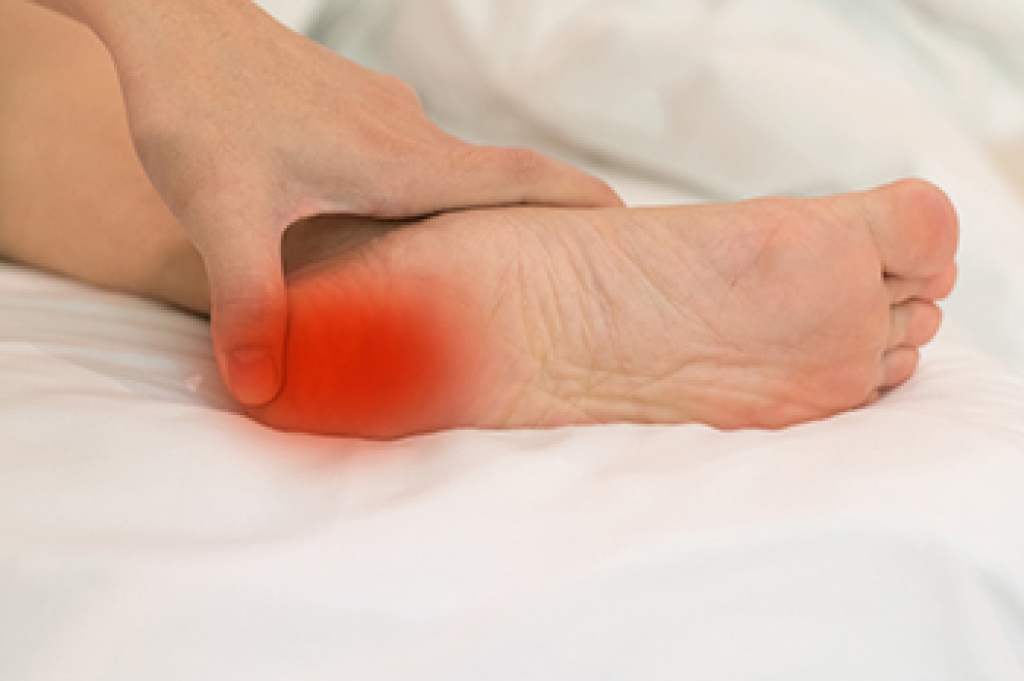
Children, Young Teenagers, and Sever’s Disease

There is a growth plate in the heel of the foot that is known as the calcaneal apophysis. This is the area that connects the Achilles tendon and the plantar fascia to the heel. The foot condition that is known as Sever’s disease occurs as a result of excess tension on the Achilles tendon, or possibly from an injury to the heel. This generally affects children and young teenagers who participate in sporting activities. Common symptoms can include gradual heel pain, and many patients describe it as feeling like a bruise. Pain may be felt in the heel area only. Sever’s disease often develops from participating in high-impact sports such as basketball, football, or baseball. To confirm a diagnosis of Sever’s disease, a physical exam will be performed, and occasionally, an X-ray may be ordered to determine how advanced the growth plate is, in addition to observing if a stress fracture has occurred. Relief begins with temporarily stopping the activity that caused the condition, and performing specific heel stretches, which may ease the pain. If your child is affected by Sever’s disease, it is advised that a podiatrist be contacted who can begin the correct treatment process.

Sever's disease often occurs in children and teens. If your child is experiencing foot or ankle pain, see Renee Rodriquez, DPM from Foot Clinic of South Texas. Our doctor can treat your child’s foot and ankle needs.

Sever’s Disease

Sever’s disease is also known as calcaneal apophysitis, which is a medical condition that causes heel pain I none or both feet. The disease is known to affect children between the ages of 8 and 14.

Sever’s disease occurs when part of the child’s heel known as the growth plate (calcaneal epiphysis) is attached to the Achilles tendon. This area can suffer injury when the muscles and tendons of the growing foot do not keep pace with bone growth. Therefore, the constant pain which one experiences at the back of the heel will make the child unable to put any weight on the heel. The child is then forced to walk on their toes.

Symptoms

Acute pain – Pain associated with Sever’s disease is usually felt in the heel when the child engages in physical activity such as walking, jumping and or running.

Highly active – Children who are very active are among the most susceptible in experiencing Sever’s disease, because of the stress and tension placed on their feet.

If you have any questions, please feel free to contact our office located in Brownsville, TX . We offer the newest diagnostic and treatment technologies for all your foot care needs.

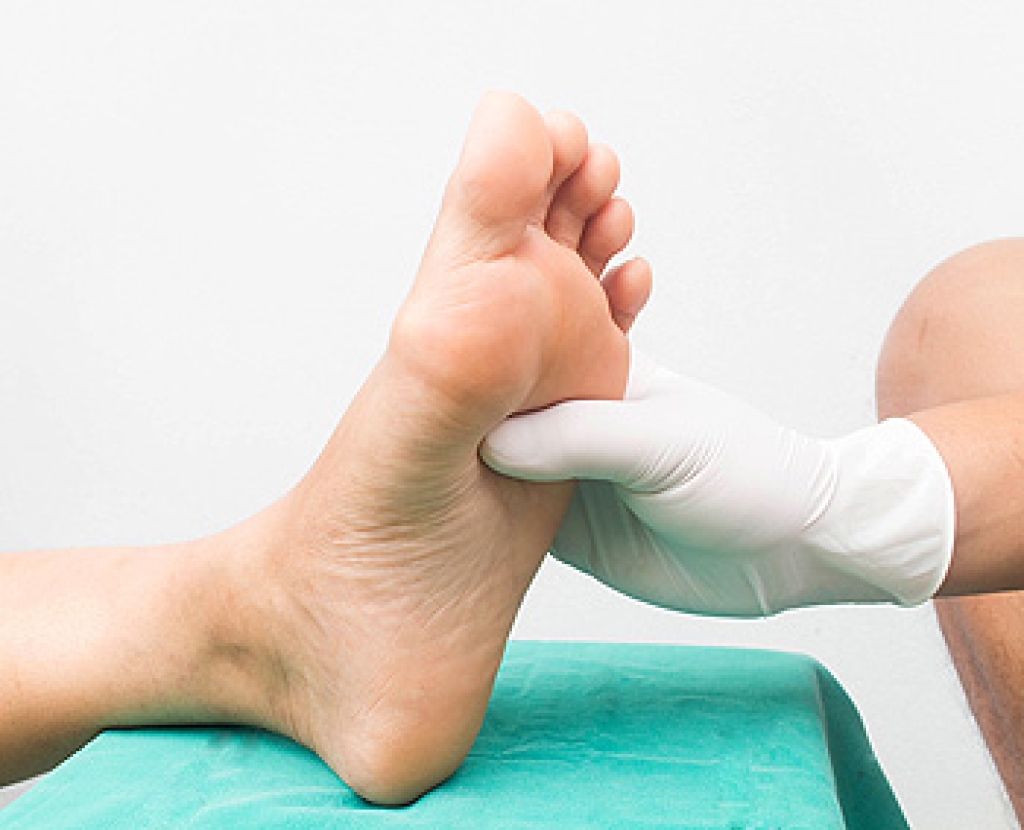
Read more about Sever's Disease

Ways Your Job Can Affect Your Feet

If you spend the greater portion of your workday standing, your feet may become severely affected. Many jobs that require excessive standing – such as teaching, hairdressing, and waiting tables – can cause foot pain that also affects the knees and lower back. Wearing the wrong shoes may make matters worse. High heels are one of the main contributors to pain and other ailments caused by extreme pressure on your foot bones. Working on a concrete floor, in warehouses or factories, also takes a toll on the feet. Every step you take is like taking a hammer to your heel. If the floors where you work are slippery, it is good to wear non-skid shoes. Experts recommend several other preventative measures for workers who stand frequently or for long periods. Bring a spare pair of shoes to work and change when your feet begin to hurt. Invest in custom orthotics made by a podiatrist to help cushion your feet within your shoes. Wear shoes that breathe, which can help avoid a buildup of moisture. Limit the height of your heels and wear shoes with a wider toe box. A podiatrist can give you more information on ways to protect your feet if work is causing excessive foot problems. 

While working on the feet, it is important to take the proper care of them. For more information about working on your feet, contact Renee Rodriquez, DPM from Foot Clinic of South Texas. Our doctor will treat your foot and ankle needs.

Working on Your Feet

Standing on your feet for long periods of time can cause stress and pain in your feet. Your whole body may experience change in terms of posture, back pain, bunions, callouses and or plantar warts. There are ways to avoid these conditions with proper foot care, smart choices and correct posture.

Positive Changes

Negative heeled shoe – Choosing this shoe type places the heel slightly lower than the ball of the foot. These are great for overall foot health. Find shoes that fit you correctly.

Go barefoot – Our feet were not designed to be enclosed for all hours of the day. Try to periodically expose your feet to air.

Eliminate Pain

Foot Exercises – Performing simple exercises, incorporating yoga and doing stretches are beneficial. This will allow increased blood flow to the area and muscles of the foot.

Achilles tendon – Stretching the foot out flat on the floor will relax the calf muscles and tendon. These exercises can be performed almost anywhere. Make sure you add these exercises to your daily regimen. 

With a little bit of this information and knowing more about foot health, you will notice changes. Foot stretches and proper footwear will help with pain and prevent further issues.

If you have any questions please contact our office located in Brownsville, TX . We offer the newest diagnostic and treatment technologies for all your foot and ankle needs.

Read more about How to Handle a Long Work Day on Your Feet

Causes of Peripheral Neuropathy

When the nerves in the extremities – commonly the feet – are damaged, it results in a condition known as peripheral neuropathy. Symptoms include numbness, tingling and burning pain. It can also affect your balance, coordination, and muscle strength. The numbness makes it difficult to notice sores and cuts on your feet that can develop into ulcers, or even gangrene. In rare cases, neuropathy has no recognizable cause, known as idiopathic neuropathy. But the most common cause of peripheral neuropathy is thought to be diabetes. High levels of blood sugar can damage the blood vessels that supply the nerves. The likelihood of developing this condition further increases with age, alcohol use, and smoking. Other factors that may contribute to peripheral neuropathy include low levels of vitamin B12, trauma to the nerves after surgery, an underactive thyroid gland, and genetics. In addition, certain infections, such as shingles, Lyme’s disease, and HIV may be causes as well. If you have peripheral neuropathy, please make an appointment with a podiatrist for regular examinations of your feet and treatment options.

Neuropathy

Neuropathy can be a potentially serious condition, especially if it is left undiagnosed. If you have any concerns that you may be experiencing nerve loss in your feet, consult with Renee Rodriquez, DPM from Foot Clinic of South Texas. Our doctor will assess your condition and provide you with quality foot and ankle treatment for neuropathy.

What Is Neuropathy?

Neuropathy is a condition that leads to damage to the nerves in the body. Peripheral neuropathy, or neuropathy that affects your peripheral nervous system, usually occurs in the feet. Neuropathy can be triggered by a number of different causes. Such causes include diabetes, infections, cancers, disorders, and toxic substances.

Symptoms of Neuropathy Include:

  • Numbness
  • Sensation loss
  • Prickling and tingling sensations
  • Throbbing, freezing, burning pains
  • Muscle weakness

Those with diabetes are at serious risk due to being unable to feel an ulcer on their feet. Diabetics usually also suffer from poor blood circulation. This can lead to the wound not healing, infections occurring, and the limb may have to be amputated.

Treatment

To treat neuropathy in the foot, podiatrists will first diagnose the cause of the neuropathy. Figuring out the underlying cause of the neuropathy will allow the podiatrist to prescribe the best treatment, whether it be caused by diabetes, toxic substance exposure, infection, etc. If the nerve has not died, then it’s possible that sensation may be able to return to the foot.

Pain medication may be issued for pain. Electrical nerve stimulation can be used to stimulate nerves. If the neuropathy is caused from pressure on the nerves, then surgery may be necessary.

If you have any questions, please feel free to contact our office located in Brownsville, TX . We offer the newest diagnostic and treatment technologies for all your foot care needs.
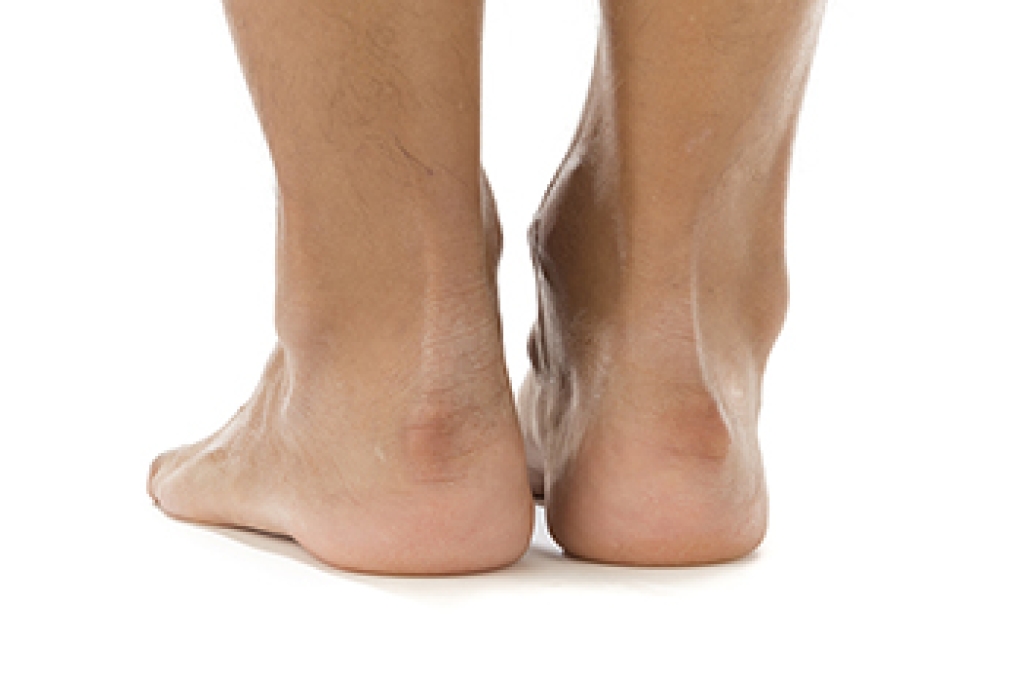
Read more about Neuropathy

What Is This Painful Bump at the Back of My Heel?

The Achilles tendon attaches the calf muscle to the heel bone at the back of the foot. Some people have heel bones with a more prominent bump at this location. They may also wear tight or stiff shoes, such as high heels, that rub against this area. This combination of a bony prominence in the heel bone and pressure from footwear can squeeze the soft tissue between the heel and the shoe. This can inflame the tissue and cause it to thicken into a bump that further pressurizes the soft tissue and causes pain. This condition is known as Haglund’s deformity, or “pump bump.” Having very high arches or a tight Achilles tendon can also increase a person’s risk for developing Haglund’s deformity. Symptoms may include a visible bump, redness, swelling, and pain at the back of the heel, especially when wearing certain shoes. A podiatrist can reduce symptoms of Haglund’s deformity with a variety of conservative treatments and therapies. Reach out to a podiatrist if you are experiencing any of the symptoms discussed here to get the relief you deserve.  

Many people suffer from bouts of heel pain. For more information, contact Renee Rodriquez, DPM of Foot Clinic of South Texas. Our doctor can provide the care you need to keep you pain-free and on your feet.

Causes of Heel Pain

Heel pain is often associated with plantar fasciitis. The plantar fascia is a band of tissues that extends along the bottom of the foot. A rip or tear in this ligament can cause inflammation of the tissue.

Achilles tendonitis is another cause of heel pain. Inflammation of the Achilles tendon will cause pain from fractures and muscle tearing. Lack of flexibility is also another symptom.

Heel spurs are another cause of pain. When the tissues of the plantar fascia undergo a great deal of stress, it can lead to ligament separation from the heel bone, causing heel spurs.

Why Might Heel Pain Occur?

  • Wearing ill-fitting shoes                
  • Wearing non-supportive shoes
  • Weight change           
  • Excessive running

Treatments

Heel pain should be treated as soon as possible for immediate results. Keeping your feet in a stress-free environment will help. If you suffer from Achilles tendonitis or plantar fasciitis, applying ice will reduce the swelling. Stretching before an exercise like running will help the muscles. Using all these tips will help make heel pain a condition of the past.

If you have any questions, please feel free to contact our office located in Brownsville, TX . We offer the newest diagnostic and treatment technologies for all your foot care needs.

Read more about Heel Pain

Facts About Foot and Ankle Fractures

A fracture, which is a break or crack in a bone, can vary greatly in type and level of severity. Symptoms of fractures include redness, swelling, pain, and difficulty/inability to bear weight. If you believe you have sustained a foot or ankle fracture, please seek medical help immediately. Among the types of fractures are displaced bone, stress fracture, pathological fracture, or compound or open fracture. A displaced bone fracture occurs when the broken ends of a bone move away from each other. Conversely, with a stress fracture the bone cracks but stays intact. A pathological fracture may be the result of a disease or condition that weakens the bone. Among the causes are cancer and osteoporosis. A fracture can occur simply as a result of ordinary daily activities, absent any extreme force or trauma. A compound fracture creates an open wound when the bone is pushed through the skin as the result of trauma. These are extremely serious fractures and it is suggested you get immediate attention as soon as possible. A podiatrist can examine, diagnose and treat it properly. 

Foot and ankle trauma is common among athletes and the elderly. If you have concerns that you may have experienced trauma to the foot and ankle, consult with Renee Rodriquez, DPM from Foot Clinic of South Texas. Our doctor will assess your condition and provide you with quality foot and ankle treatment.

Foot and ankle trauma cover a range of injuries all over the foot; common injuries include:

  • Broken bones
  • Muscle strains
  • Injuries to the tendons and ligaments
  • Stress fractures

Symptoms

Symptoms of foot and ankle injuries vary depending on the injury, but more common ones include:

  • Bruising
  • Inflammation/ Swelling
  • Pain

Diagnosis

To properly diagnose the exact type of injury, podiatrists will conduct a number of different tests. Some of these include sensation and visual tests, X-rays, and MRIs. Medical and family histories will also be taken into account.

Treatment

Once the injury has been diagnosed, the podiatrist can than offer the best treatment options for you. In less severe cases, rest and keeping pressure off the foot may be all that’s necessary. Orthotics, such as a specially made shoes, or immobilization devices, like splints or casts, may be deemed necessary. Finally, if the injury is severe enough, surgery may be necessary.

If you have any questions, please feel free to contact our office located in Brownsville, TX . We offer the newest diagnostic and treatment technologies for all your foot care needs.

Read more about Foot and Ankle Trauma

Connect With Us

Request Appointment Patient Portal