Shoe Shopping Dos and Don'ts

Going shoe shopping can certainly be daunting. When one walks into a shoe store, the seemingly endless rows of boxed shoes can be intimidating even to experienced shoe shoppers. Obtaining shoes that fit the feet properly is of paramount importance, and it might be useful to make this your priority when shopping. To ensure a good fit, a shopper might bring a pair of socks to wear while trying on the shoes that they would normally wear. If an individual shops for shoes without wearing a pair of socks, it is possible that the shoes might feel tighter when worn with socks. Another thing to keep in mind is that although shopping for shoes online can be convenient, you can not try shoes on in the store when doing so. Therefore, it might be more difficult to obtain shoes that fit properly. Contact a podiatrist today to learn more about finding shoes that fit properly.

It is important to find shoes that fit you properly in order to avoid a variety of different foot problems. For more information about treatment, contact Renee Rodriquez, DPM from Foot Clinic of South Texas. Our doctor will treat your foot and ankle needs.

Proper Shoe Fitting

Shoes have many different functions. They cushion our body weight, protect our feet, and allow us to safely play sports. You should always make sure that the shoes you wear fit you properly in order to avoid injuries and deformities such as: bunions, corns, calluses, hammertoes, plantar fasciitis, stress fractures, and more. It is important to note that although a certain pair of shoes might be a great fit for someone else, that doesn’t mean they will be a great fit for you. This is why you should always try on shoes before buying them to make sure they are worth the investment. Typically, shoes need to be replaced ever six months to one year of regular use.

Tips for Proper Shoe Fitting

  • Select a shoe that is shaped like your foot
  • Don’t buy shoes that fit too tight, expecting them to stretch to fit
  • Make sure there is enough space (3/8” to ½”) for your longest toe at the end of each shoe when you are standing up
  • Walk in the shoes to make sure they fit and feel right
  • Don’t select shoes by the size marked inside the shoe, but by how the shoe fits your foot

The shoes you buy should always feel as good as they look. Shoes that fit properly will last longer, feel better, and improve your way of life each day.

If you have any questions please contact our office located in Brownsville, TX . We offer the newest diagnostic and treatment technologies for all your foot and ankle needs.
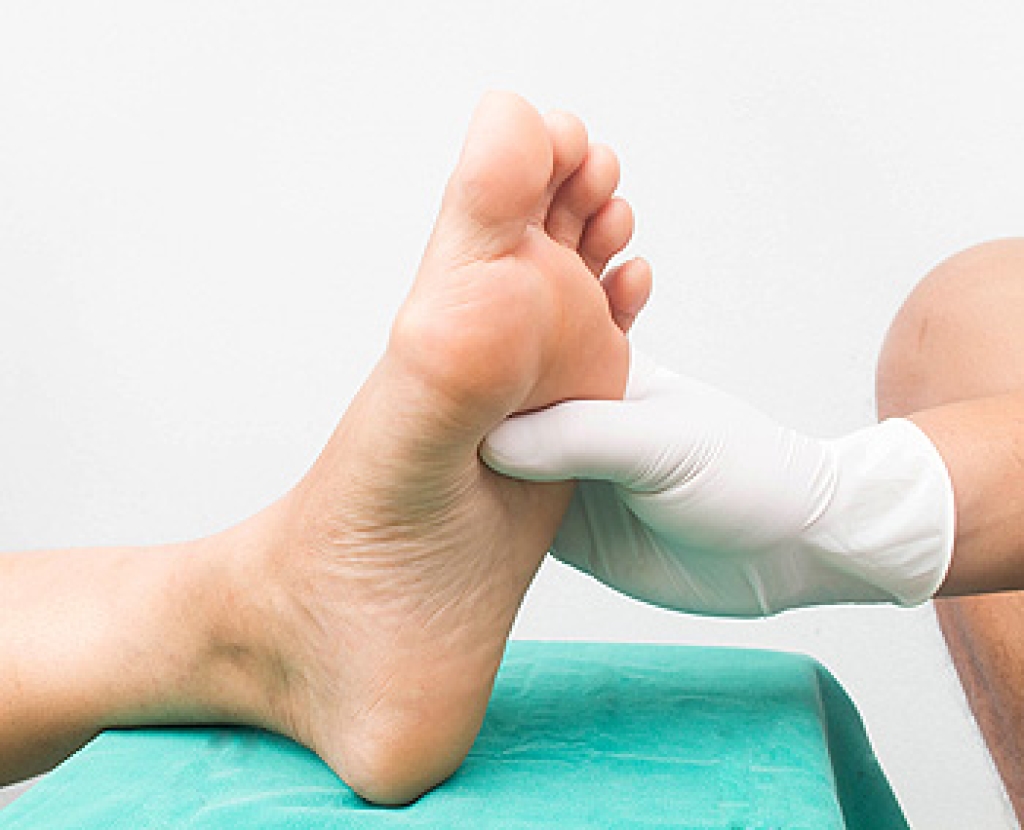
Read more about How to Get a Proper Shoe Fit

How to Wash Your Feet if You Have Diabetes

For diabetics, foot health care is an important part of daily life. Problems, such as diabetic neuropathy and peripheral artery disease, that stem from long-term high blood sugar levels can make a daily foot care regimen essential. If sores, wounds, and cuts are not treated, they can develop ulcers that could, over time, lead to more serious problems. One major way a diabetic can ward off potential foot problems is to carefully wash and dry the feet each day. First, use warm, not hot, water. Using mild soap, wash every part of the foot, including the bottom and between the toes. Next, gently pat the feet dry. Avoid rubbing the skin. Finally, carefully dry between each toe. If you have difficulty reaching your feet or performing this task, it is a good idea to ask a family member or health aide for help. Then apply lotion to keep the skin from cracking and to help soften calluses, but be careful to avoid putting lotion between the toes. If you have diabetes-related foot problems, it is wise to seek regular checkups from a podiatrist who is trained to deal with the effects of this disease.

Diabetic foot care is important in preventing foot ailments such as ulcers. If you are suffering from diabetes or have any other concerns about your feet, contact Renee Rodriquez, DPM from Foot Clinic of South Texas. Our doctor can provide the care you need to keep you pain-free and on your feet.

Diabetic Foot Care

Diabetes affects millions of people every year. The condition can damage blood vessels in many parts of the body, especially the feet. Because of this, taking care of your feet is essential if you have diabetes, and having a podiatrist help monitor your foot health is highly recommended.

The Importance of Caring for Your Feet

  • Routinely inspect your feet for bruises or sores.
  • Wear socks that fit your feet comfortably.
  • Wear comfortable shoes that provide adequate support.

Patients with diabetes should have their doctor monitor their blood levels, as blood sugar levels play such a huge role in diabetic care. Monitoring these levels on a regular basis is highly advised.

It is always best to inform your healthcare professional of any concerns you may have regarding your feet, especially for diabetic patients. Early treatment and routine foot examinations are keys to maintaining proper health, especially because severe complications can arise if proper treatment is not applied.

If you have any questions, please feel free to contact our office located in Brownsville, TX . We offer the newest diagnostic and treatment technologies for all your foot care needs.

Read more about Diabetic Foot Care

Plantar Fasciitis in Bartenders

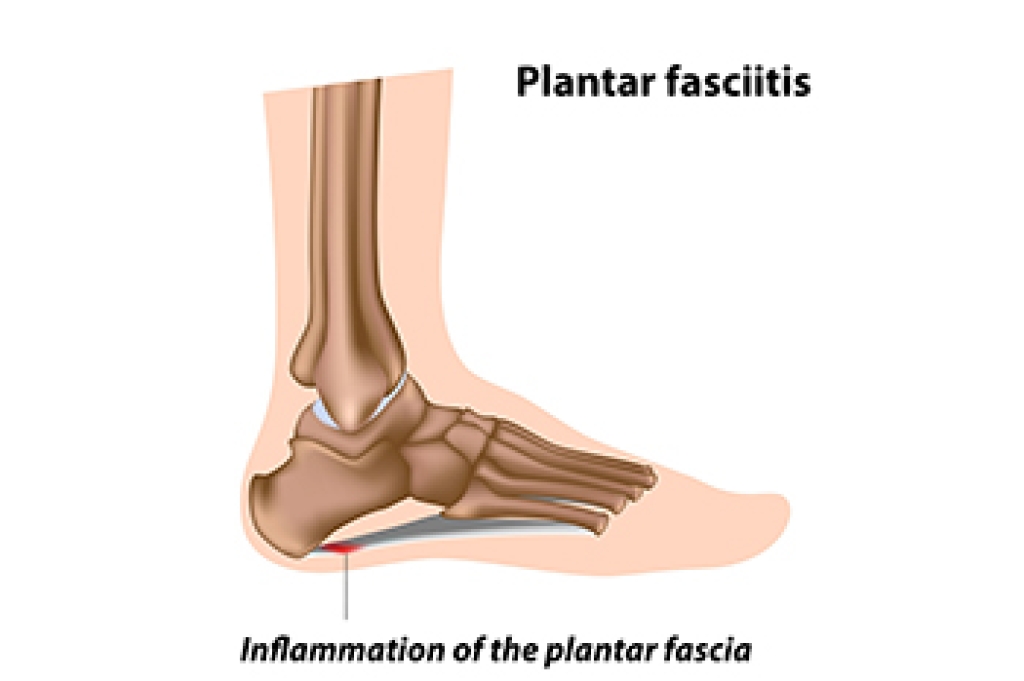
Plantar fasciitis is defined as the inflammation of the plantar fascia, which is a band of tissue that runs along the sole of your foot. Some individuals are more susceptible to plantar fasciitis because of the nature of their employment. Bartenders fall into this category. Throughout their shifts, it is common for bartenders to be on their feet throughout the day and to move constantly between different points along the bar. All of this activity can cause micro tears in the arch of the foot, which can result in heel pain and calf pain. Bartenders have several potential solutions at their disposal to mitigate pain from plantar fasciitis. For example, bartenders might invest in a highly supportive pair of shoes. Some bartenders prefer shoes that have a good grip but are also supportive in the arch of the foot to prevent plantar fasciitis. Consult with a podiatrist today if you are a bartender.

Plantar fasciitis can be very painful and inconvenient. If you are experiencing heel pain or symptoms of plantar fasciitis, contact Renee Rodriquez, DPM  from Foot Clinic of South Texas. Our doctor can provide the care you need to keep you pain-free and on your feet.

What Is Plantar Fasciitis?

Plantar fasciitis is the inflammation of the thick band of tissue that runs along the bottom of your foot, known as the plantar fascia, and causes mild to severe heel pain.

What Causes Plantar Fasciitis?

  • Excessive running
  • Non-supportive shoes
  • Overpronation
  • Repeated stretching and tearing of the plantar fascia

How Can It Be Treated?

  • Conservative measures – anti-inflammatories, ice packs, stretching exercises, physical therapy, orthotic devices
  • Shockwave therapy – sound waves are sent to the affected area to facilitate healing and are usually used for chronic cases of plantar fasciitis
  • Surgery – usually only used as a last resort when all else fails. The plantar fascia can be surgically detached from the heel

While very treatable, plantar fasciitis is definitely not something that should be ignored. Especially in severe cases, speaking to your doctor right away is highly recommended to avoid complications and severe heel pain. Your podiatrist can work with you to provide the appropriate treatment options tailored to your condition.

If you have any questions, please feel free to contact our office located in Brownsville, TX . We offer the newest diagnostic and treatment technologies for all your foot care needs.

Read more about Plantar Fasciitis

Cracked Heels and the Elderly

Throughout life, the soles of the feet bear the greatest force. The skin on the soles of the feet is thicker and has extra fat padding, but when it becomes dry it is prone to cracking. This is something that anyone can suffer from, but since padding on the feet gets worn and the gait changes due to age and disability, seniors are particularly prone to cracked heels. The condition can become serious, cause great discomfort, and hamper mobility. If one does not tend to the cracking, it can bleed and the chance of infections setting in is higher. Beyond dry skin, obesity, standing for long periods, and wearing open-back shoes can cause cracked heels too. Also, some diseases that can result in cracked heels include diabetes, peripheral arterial disease, and hypothyroidism. The key to treating cracked heels is reducing the pressure on the soles of the feet. Supportive, well-fitting shoes and heel pads may help. If you are elderly or caring for someone older, consult a podiatrist for advice on proper footwear as well as other remedies for cracked heels.

If the skin on your feet starts to crack, you may want to see a podiatrist to find treatment. If you have any concerns, contact Renee Rodriquez, DPM from Foot Clinic of South Texas. Our doctor can provide the care you need to keep you pain-free and on your feet.

Cracked Heels

It is important to moisturize your cracked heels in order to prevent pain, bleeding, and infection. The reason cracked heels form is because the skin on the foot is too dry to support the immense pressure placed on them. When the foot expands, the dry skin on the foot begins to split.

Ways to Help Heal Them

  • Invest in a good foot cream
  • Try Using Petroleum Jelly
  • Ease up on Soaps
  • Drink Plenty of Water

Ways to Prevent Cracked Heels

  • Moisturize After Showering
  • Skip a Shower
  • Keep Shower Water Lukewarm
  • Don’t Scrub Your Feet

If you are unsure how to proceed in treating cracked heels, seek guidance from a podiatrist. Your doctor will help you with any questions or information you may need. 

If you have any questions, please feel free to contact our office located in Brownsville, TX . We offer the newest diagnostic and treatment technologies for all your foot care needs.

Read more about Solutions for Cracked Heels

Do You Suffer From Painful Feet?

Painful deformities, such as hammertoes, can be treated. Stop living with foot pain, and have beautiful feet again!

Swollen Feet From Flying

An individual’s feet may swell due to pregnancy, excessively eating salty foods, or being obese. However, swollen feet may also develop from flying in an airplane. During a flight, an individual can experience swelling of the feet, or what is known as gravitational edema, from sitting for a long period of time. This essentially causes the blood in your body to accumulate at your feet during flights. If you are sitting in a very restricted position during a flight, this might exacerbate the extent to which you may experience swelling of the feet. Oftentimes, the swelling will subside shortly after getting off of the plane and beginning to walk around again. If you are taking a flight in the near future and are curious about potential swelling of your feet, contact a podiatrist today.

Swollen feet can be a sign of an underlying condition. If you have any concerns, contact Renee Rodriquez, DPM of Foot Clinic of South Texas. Our doctor can provide the care you need to keep you pain-free and on your feet.

Swollen feet are a common ailment among pregnant women and people who stand or sit for extended periods. Aging may increase the possibility of swollen feet and patients who are obese often notice when their feet are swelling too. There may be medical reasons why swollen feet occur:

  • Phlebitis - A condition that causes the veins to become inflamed and can also cause leg pain.
  • Liver disease - This may lead to low blood levels of albumin which is a protein. This can cause fluid in the blood to pass into the tissues and several areas of the body can become swollen.
  • Heart failure - When the heart doesn’t pump properly the blood that is normally pumped back to the heart can pool in the veins of the legs causing swollen feet.
  • Kidney disease - One of the main functions of the kidneys is releasing excess fluid in the body. This type of condition can make it difficult for the kidneys to function properly, and as a result the feet may become swollen.
  • Deep-vein thrombosis (DVT)- This is a serious condition where blood clots form in the veins of the legs. They can block the return of blood from the legs to the heart which may cause the feet to swell. It is important to be treated by a podiatrist if this condition is present.

Swollen feet can also be caused by bone and tendon conditions, including fractures, arthritis, and tendinitis. Additionally, there may be skin and toenail conditions and an infection may cause the feet to swell. Patients who take medicine to treat high blood pressure may be prone to getting swollen feet. 

Many patients elevate their feet to help relieve the swelling and this is generally a temporary remedy. When a podiatrist is consulted the reason behind the swelling can be uncovered and subsequently treated.

If you have any questions please contact our office located in Brownsville, TX . We offer the newest diagnostic and treatment technologies for all your foot and ankle needs.
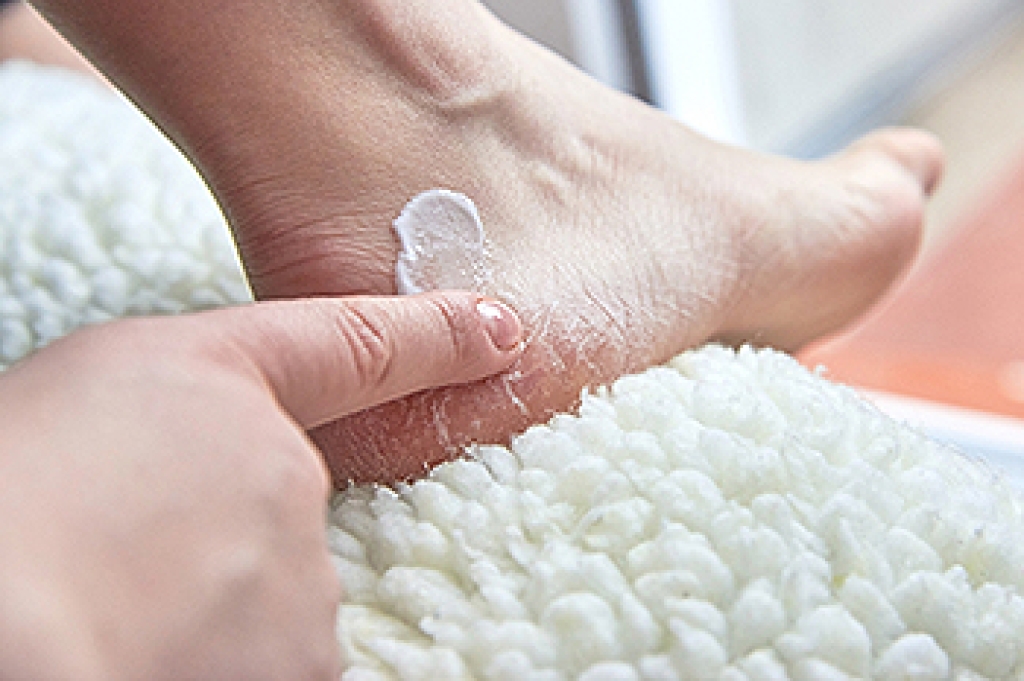
Read more about Swelling of the Feet

Are Flat Feet Problematic?

Flat feet is a condition that occurs in an individual when they do not exhibit any natural arch in their feet. This is to say that their entire foot rests completely against the floor. It is true that many cases of flat feet are not particularly problematic. For example, many cases rarely cause other complications or preclude you from engaging in physical activities. However, some cases of flat feet can cause the individual pain. If you find that you are prone to foot or ankle injuries, you are having difficulty walking, or only one foot has lost its natural arch, it might be a good idea to consult a podiatrist. This foot specialist will help you identify and address the problem with your flat feet. Don’t take any chances with the health of your feet–visit a podiatrist today.

Flatfoot is a condition many people suffer from. If you have flat feet, contact Renee Rodriquez, DPM from Foot Clinic of South Texas. Our doctor will treat your foot and ankle needs.

What Are Flat Feet?

Flatfoot is a condition in which the arch of the foot is depressed and the sole of the foot is almost completely in contact with the ground. About 20-30% of the population generally has flat feet because their arches never formed during growth.

Conditions & Problems:

Having flat feet makes it difficult to run or walk because of the stress placed on the ankles.

Alignment – The general alignment of your legs can be disrupted, because the ankles move inward which can cause major discomfort.

Knees – If you have complications with your knees, flat feet can be a contributor to arthritis in that area.  

Symptoms

  • Pain around the heel or arch area
  • Trouble standing on the tip toe
  • Swelling around the inside of the ankle
  • Flat look to one or both feet
  • Having your shoes feel uneven when worn

Treatment

If you are experiencing pain and stress on the foot you may weaken the posterior tibial tendon, which runs around the inside of the ankle. 

If you have any questions, please feel free to contact our office located in Brownsville, TX . We offer the newest diagnostic and treatment technologies for all your foot care needs.

Read more about Flat Feet

What Is Tarsal Tunnel Syndrome?

People who have the foot condition known as tarsal tunnel syndrome often have symptoms that consist of numbness or a sensation that feels like pins and needles in the heel of their foot. This feeling may spread to the arch of the foot and can cause pain and discomfort. The condition is defined as the posterior tibial nerve becoming compressed and trapped inside the ankle. Patients who have flat feet may experience tarsal tunnel syndrome and this may result from the foot rolling. Specific medical conditions like osteoarthritis and diabetes may contribute to the onset of this ailment. Mild relief may come from taking certain medications including anti-inflammatory pills, which are typically prescribed. Performing exercises that can strengthen the foot once the inflammation has subsided may help to make it easier to accomplish daily activities. If you suffer from this ailment, please confer with a podiatrist who can guide you toward the best treatment techniques for you.       

Tarsal tunnel syndrome can be very uncomfortable to live with. If you are experiencing tarsal tunnel syndrome, contact Renee Rodriquez, DPM of Foot Clinic of South Texas. Our doctor can provide the care you need to keep you pain-free and on your feet.

Tarsal Tunnel Syndrome

Tarsal tunnel syndrome, which can also be called tibial nerve dysfunction, is an uncommon condition of misfiring peripheral nerves in the foot. The tibial nerve is the peripheral nerve in the leg responsible for sensation and movement of the foot and calf muscles. In tarsal tunnel syndrome, the tibial nerve is damaged, causing problems with movement and feeling in the foot of the affected leg.

Common Cause of Tarsal Tunnel Syndrome

  • Involves pressure or an injury, direct pressure on the tibial nerve for an extended period of time, sometimes caused by other body structures close by or near the knee.
  • Diseases that damage nerves, including diabetes, may cause tarsal tunnel syndrome.
  • At times, tarsal tunnel syndrome can appear without an obvious cause in some cases.

The Effects of Tarsal Tunnel Syndrome

  • Different sensations, an afflicted person may experience pain, tingling, burning or other unusual sensations in the foot of the affected leg.
  • The foot muscles, toes and ankle become weaker, and curling your toes or flexing your foot can become difficult.
  • If condition worsens, infections and ulcers may develop on the foot that is experiencing the syndrome.

A physical exam of the leg can help identify the presence of tarsal tunnel syndrome. Medical tests, such as a nerve biopsy, are also used to diagnose the condition. Patients may receive physical therapy and prescriptive medication. In extreme cases, some may require surgery.

If you have any questions please contact our office located in Brownsville, TX . We offer the newest diagnostic and treatment technologies for all your foot and ankle needs.

Read more about Tarsal Tunnel Syndrome

Can Pins and Needles Occur From PAD?

Peripheral artery disease (PAD) can cause numbness and a pins and needles sensation in the feet. This happens as a result of arteries that have become blocked, and it can be common among diabetic patients. Additional symptoms can include foot wounds that will not heal, poor toenail growth, and the feet may feel cold. People who enjoy working out may find the pain gradually diminished after exercises are completed, and this can be because of increased blood flow to the muscles. PAD is diagnosed by performing a test that is known as an ankle-brachial index (ABI). This is an effective method for comparing the blood pressure in the arms to the blood pressure in the legs. There may be more testing that is required if the results are abnormal. Additionally, many patients are unaware they may have PAD and may easily be mistaken for arthritis. If you have any of the symptoms mentioned, it is advised that you consult with a podiatrist who can diagnose PAD and offer various treatment techniques. 

Peripheral artery disease can pose a serious risk to your health. It can increase the risk of stroke and heart attack. If you have symptoms of peripheral artery disease, consult with Renee Rodriquez, DPM from Foot Clinic of South Texas. Our doctor will assess your condition and provide you with quality foot and ankle treatment.

Peripheral artery disease (PAD) is when arteries are constricted due to plaque (fatty deposits) build-up. This results in less blood flow to the legs and other extremities. The main cause of PAD is atherosclerosis, in which plaque builds up in the arteries.

Symptoms

Symptoms of PAD include:

  • Claudication (leg pain from walking)
  • Numbness in legs
  • Decrease in growth of leg hair and toenails
  • Paleness of the skin
  • Erectile dysfunction
  • Sores and wounds on legs and feet that won’t heal
  • Coldness in one leg

It is important to note that a majority of individuals never show any symptoms of PAD.

Diagnosis

While PAD occurs in the legs and arteries, Podiatrists can diagnose PAD. Podiatrists utilize a test called an ankle-brachial index (ABI). An ABI test compares blood pressure in your arm to you ankle to see if any abnormality occurs. Ultrasound and imaging devices may also be used.

Treatment

Fortunately, lifestyle changes such as maintaining a healthy diet, exercising, managing cholesterol and blood sugar levels, and quitting smoking, can all treat PAD. Medications that prevent clots from occurring can be prescribed. Finally, in some cases, surgery may be recommended.

If you have any questions, please feel free to contact our office located in Brownsville, TX . We offer the newest diagnostic and treatment technologies for all your foot care needs.

Read more about Peripheral Artery Disease

Are You Suffering From Nerve Damage?

Neuropathy is a condition that can lead to numbness or loss of sensation in the feet, but it can also cause pain. This condition is more likely to develop for those who are diabetic, obese, or with high blood pressure.

Connect With Us

Request Appointment Patient Portal