Dealing With Sweaty Feet

Sweaty feet can be a temporary problem caused by having your feet enclosed in shoes and socks all day, or from high temperatures. But if having sweaty feet is an everyday occurrence, the chances are that you have a condition known as hyperhidrosis. This condition is thought to be genetic in nature. Some people are born with overactive sweat glands, and the moisture produced goes well beyond sweating from hot weather, exercising, or stress. Several underlying health conditions and certain foods may also cause hyperhidrosis. In some cases of hyperhidrosis, bacteria forms around the feet, causing them to emit a foul odor. It is a good idea to use antibacterial soap regularly to keep the feet clean and healthy. Wearing moisture-wicking socks or open-toed shoes or sandals is a good way to keep your feet dry. A podiatrist can offer more advanced treatment options, including several prescribed antiperspirant medications. In extreme cases, surgery to block the nerve passageway that tells the feet to sweat can be performed. For more information, please contact a podiatrist.

If you are suffering from hyperhidrosis contact Renee Rodriquez, DPM of Foot Clinic of South Texas. Our doctor can provide the care you need to attend to all of your foot and ankle needs.

Hyperhidrosis of the Feet

Hyperhidrosis is a rare disorder that can cause people to have excessive sweating of their feet. This can usually occur all on its own without rigorous activity involved. People who suffer from hyperhidrosis may also experience sweaty palms.

Although it is said that sweating is a healthy process meant to cool down the body temperature and to maintain a proper internal temperature, hyperhidrosis may prove to be a huge hindrance on a person’s everyday life.

Plantar hyperhidrosis is considered to be the main form of hyperhidrosis. Secondary hyperhidrosis can refer to sweating that occurs in areas other than the feet or hands and armpits. Often this may be a sign of it being related to another medical condition such as menopause, hyperthyroidism and even Parkinson’s disease.

In order to alleviate this condition, it is important to see your doctor so that they may prescribe the necessary medications so that you can begin to live a normal life again. If this is left untreated, it is said that it will persist throughout an individual’s life.

A last resort approach would be surgery, but it is best to speak with your doctor to find out what may be the best treatment for you.

If you have any questions, please feel free to contact our office located in Brownsville, TX . We offer the newest diagnostic and treatment technologies for all your foot care needs.
Read more about Hyperhidrosis of the Feet

Benefits of Using Ankle Sprain Braces

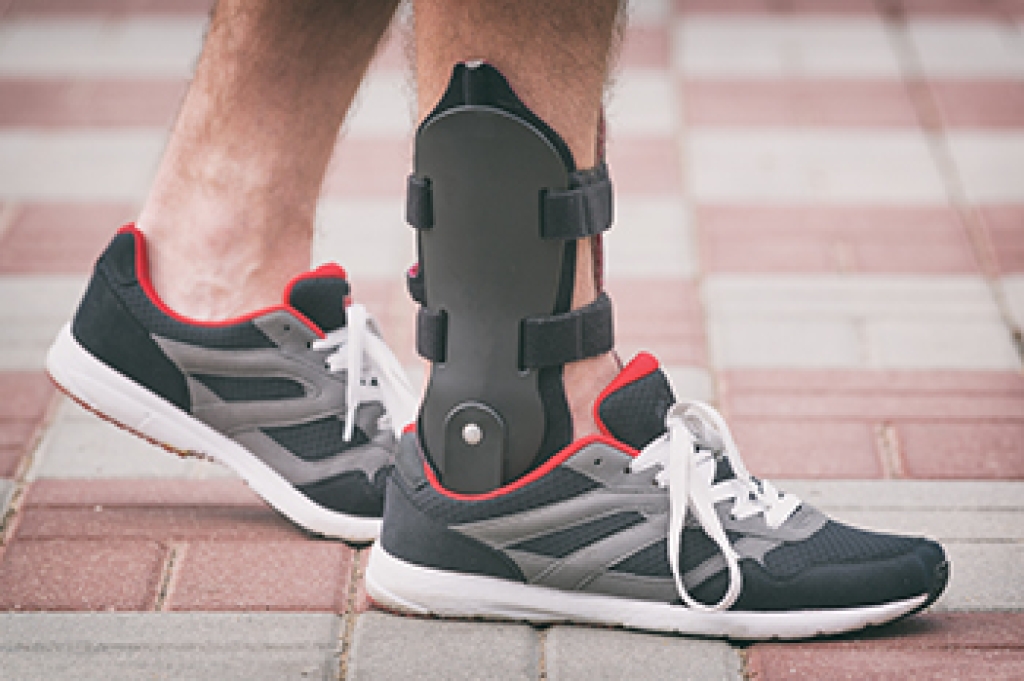
One of the best ways to heal from an ankle sprain is by using a brace. These orthotic devices not only accelerate healing, but they may help to prevent re-injury. An ankle sprain brace allows you to move the ankle, which is deemed important to the healing process, while providing stability to the joint. Research shows that moving the ankle joint stimulates the repair of injured tissue. A brace allows you to move the joint while simultaneously protecting the ligaments from becoming over stretched. These types of devices help to reduce swelling and pain, in addition to increasing the joint’s ability to know where it is, called proprioception. At the same time, a brace allows the ankle to move up and down, but prevents it from moving inward or outward. As a result, you can walk without reinjuring the sprained ligament. Because there is not a one-size fits-all ankle sprain device, choosing the one that is best for you can be a challenge. In order for your sprained ankle to safely heal, it is suggested that you consult a podiatrist for guidance in choosing an ankle sprain bracing device. 

Ankle sprains are common but need immediate attention. If you need your feet checked, contact Renee Rodriquez, DPM from Foot Clinic of South Texas. Our doctor can provide the care you need to keep you pain-free and on your feet.

How Does an Ankle Sprain Occur?

Ankle sprains take place when the ligaments in your ankle are torn or stretched beyond their limits. There are multiple ways that the ankle can become injured, including twisting or rolling over onto your ankle, putting undue stress on it, or causing trauma to the ankle itself.

What Are the Symptoms?

  • Mild to moderate bruising
  • Limited mobility
  • Swelling
  • Discoloration of the skin (depending on severity)

Preventing a Sprain

  • Wearing appropriate shoes for the occasion
  • Stretching before exercises and sports
  • Knowing your limits

Treatment of a Sprain

Treatment of a sprain depends on the severity.  Many times, people are told to rest and remain off their feet completely, while others are given an air cast. If the sprain is very severe, surgery may be required.

If you have suffered an ankle sprain previously, you may want to consider additional support such as a brace and regular exercises to strengthen the ankle.

If you have any questions please feel free to contact our office located in Brownsville, TX . We offer the newest diagnostic tools and technology to treat your foot and ankle needs.

Read more about Ankle Sprains

Do You Suffer From Painful Foot Blisters?

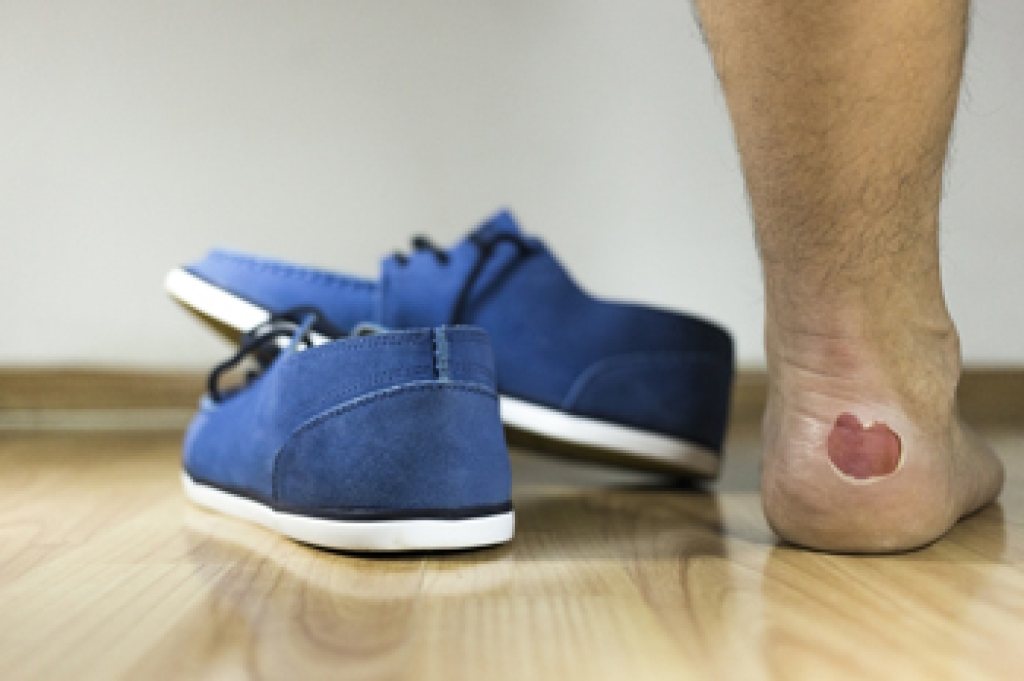
Foot blisters usually happen from friction, caused when shoes that are too tight or restrictive are worn and rubbed against the foot. While one can pop a blister and disinfect the area, it is a good idea to leave it alone. In addition, it is suggested you cover blisters with a padded bandage for protection and to prevent further irritation, so the body can reabsorb it. To prevent blisters, wear shoes that fit properly and feel comfortable with socks that provide padding in common areas of blister development. If a foot blister does not heal after the irritant is removed, looks infected, or is extremely painful, it is suggested that a podiatrist be seen for proper evaluation and treatment. Individuals with diabetes should be especially cautious since a blister could turn into a foot ulcer.

Blisters are prone to making everyday activities extremely uncomfortable. If your feet are hurting, contact Renee Rodriquez, DPM of Foot Clinic of South Texas. Our doctor can provide the care you need to keep you pain-free and on your feet.

Foot Blisters

Foot blisters develop as a result of constantly wearing tight or ill-fitting footwear. This happens due to the constant rubbing from the shoe, which can often lead to pain.

What Are Foot Blisters?

A foot blister is a small fluid-filled pocket that forms on the upper-most layer of the skin. Blisters are filled with clear fluid and can lead to blood drainage or pus if the area becomes infected.

How Do Blisters Form?

Blisters on the feet are often the result of constant friction of skin and material, usually by shoe rubbing. Walking in sandals, boots, or shoes that don’t fit properly for long periods of time can result in a blister. Having consistent foot moisture and humidity can easily lead to blister formation.

Prevention & Treatment

It is important to properly care for the affected area in order to prevent infection and ease the pain. Do not lance the blister and use a Band-Aid to provide pain relief. Also, be sure to keep your feet dry and wear proper fitting shoes. If you see blood or pus in a blister, seek assistance from a podiatrist.

If you have any questions, please feel free to contact our office located in Brownsville, TX . We offer the newest diagnostic and treatment technologies for all your foot care needs.

Read more about Blisters on the Feet

Heel Pain May Be a Symptom of Plantar Fasciitis

Heel pain is a common foot condition that is felt by many patients. People experience plantar fasciitis at some point in their lives, which can cause severe pain and discomfort. It can happen when the plantar fascia becomes inflamed, which is the band of tissue that is found on the sole of the foot. It connects the heel to the toes and can become irritated or torn for various reasons. These can include standing on hard surfaces for most of the day, or wearing shoes that do not have adequate heel support. Additionally, people who frequently run may have heel pain that may be a symptom of plantar fasciitis. Mild relief may come from performing specific calf stretches that can ease heel pain. Elevating the feet may bring temporary relief, and it is suggested to refrain from running and walking long distances. Plantar fasciitis is a foot condition that is treated by a podiatrist. If you suffer from heel pain, it is suggested that you contact this type of physician who can determine what the cause is, and offer effective treatment remedies.

Many people suffer from bouts of heel pain. For more information, contact Renee Rodriquez, DPM of Foot Clinic of South Texas. Our doctor can provide the care you need to keep you pain-free and on your feet.

Causes of Heel Pain

Heel pain is often associated with plantar fasciitis. The plantar fascia is a band of tissues that extends along the bottom of the foot. A rip or tear in this ligament can cause inflammation of the tissue.

Achilles tendonitis is another cause of heel pain. Inflammation of the Achilles tendon will cause pain from fractures and muscle tearing. Lack of flexibility is also another symptom.

Heel spurs are another cause of pain. When the tissues of the plantar fascia undergo a great deal of stress, it can lead to ligament separation from the heel bone, causing heel spurs.

Why Might Heel Pain Occur?

  • Wearing ill-fitting shoes                
  • Wearing non-supportive shoes
  • Weight change           
  • Excessive running

Treatments

Heel pain should be treated as soon as possible for immediate results. Keeping your feet in a stress-free environment will help. If you suffer from Achilles tendonitis or plantar fasciitis, applying ice will reduce the swelling. Stretching before an exercise like running will help the muscles. Using all these tips will help make heel pain a condition of the past.

If you have any questions, please feel free to contact our office located in Brownsville, TX . We offer the newest diagnostic and treatment technologies for all your foot care needs.

Read more about Heel Pain

Reasons for Corns

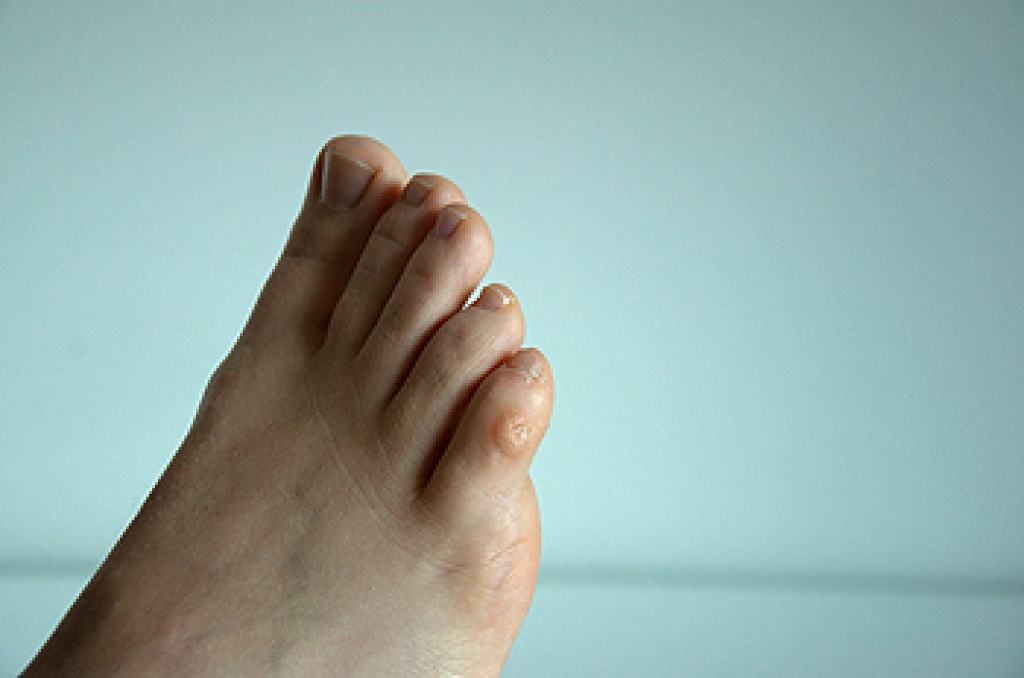
A corn that develops on the foot can produce severe pain and discomfort. It happens as a result of excessive pressure that is put on a specific part of the foot from the worn shoes. The places where corns can develop are on the side of the pinky toe, the soles of the feet, or on top of the toes. Many people choose to wear shoes that are too tight because of workplace policies or for appearance reasons, and this may be why corns can develop. Patients who have corns that are not treated or removed may notice their gait or walking style is compromised, which is a defense mechanism against the pain. Mild relief may be found when the foot is soaked in warm water, and a pumice stone is used which may reduce the size of the corn. This is generally a temporary fix and the corn may reappear if not treated permanently. If you are afflicted with a corn, it is strongly suggested that you speak to a podiatrist who can offer you several treatment options.

If you have any concerns regarding your feet and ankles, contact Renee Rodriquez, DPM of Foot Clinic of South Texas. Our doctor will treat your foot and ankle needs.

Corns: What Are They? and How Do You Get Rid of Them?
Corns can be described as areas of the skin that have thickened to the point of becoming painful or irritating. They are often layers and layers of the skin that have become dry and rough, and are normally smaller than calluses.

Ways to Prevent Corns
There are many ways to get rid of painful corns such as wearing:

  • Well-fitting socks
  • Comfortable shoes that are not tight around your foot
  • Shoes that offer support

Treating Corns
Treatment of corns involves removing the dead skin that has built up in the specific area of the foot. Consult with Our doctor to determine the best treatment option for your case of corns.

If you have any questions, please feel free to contact our office located in Brownsville, TX . We offer the newest diagnostic and treatment technologies for all your foot care needs.
Read more about Corns: What Are They, and How Do You Get Rid of Them

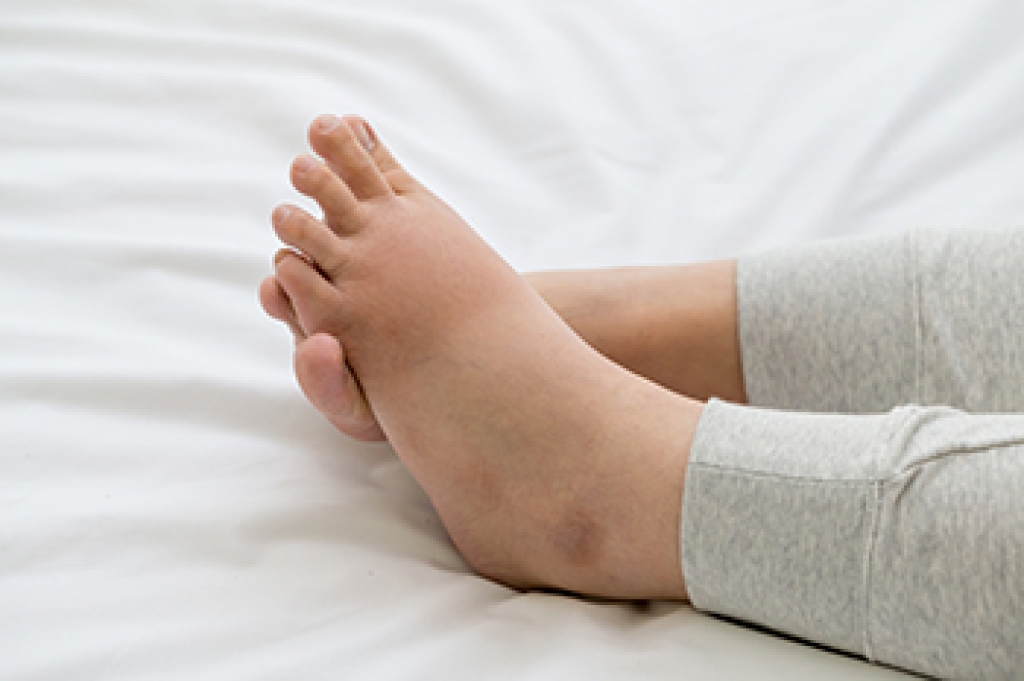
Swollen Feet and Sitting

The feet are resilient, yet delicate, parts of the human body. Without properly caring for them, we may be making our feet susceptible to a number of potentially harmful or uncomfortable foot afflictions. Swelling of the feet is one such affliction of the foot. When the feet swell, an individual might feel discomfort as the feet increase in size due to possible accumulation of fluids. One often overlooked cause of swollen feet is sitting for long durations of time. If you are the kind of person that, due to your job or lifestyle restrictions, must spend extended periods of time sitting down, there are steps you might take to mitigate foot swelling. For example, you might try to take breaks to move about while you are sitting or to perform leg extensions or knee lifts while sitting to facilitate blood circulation. For more information about swollen feet and sitting, contact a podiatrist today.

Swollen feet can be a sign of an underlying condition. If you have any concerns, contact Renee Rodriquez, DPM of Foot Clinic of South Texas. Our doctor can provide the care you need to keep you pain-free and on your feet.

Swollen feet are a common ailment among pregnant women and people who stand or sit for extended periods. Aging may increase the possibility of swollen feet and patients who are obese often notice when their feet are swelling too. There may be medical reasons why swollen feet occur:

  • Phlebitis - A condition that causes the veins to become inflamed and can also cause leg pain.
  • Liver disease - This may lead to low blood levels of albumin which is a protein. This can cause fluid in the blood to pass into the tissues and several areas of the body can become swollen.
  • Heart failure - When the heart doesn’t pump properly the blood that is normally pumped back to the heart can pool in the veins of the legs causing swollen feet.
  • Kidney disease - One of the main functions of the kidneys is releasing excess fluid in the body. This type of condition can make it difficult for the kidneys to function properly, and as a result the feet may become swollen.
  • Deep-vein thrombosis (DVT)- This is a serious condition where blood clots form in the veins of the legs. They can block the return of blood from the legs to the heart which may cause the feet to swell. It is important to be treated by a podiatrist if this condition is present.

Swollen feet can also be caused by bone and tendon conditions, including fractures, arthritis, and tendinitis. Additionally, there may be skin and toenail conditions and an infection may cause the feet to swell. Patients who take medicine to treat high blood pressure may be prone to getting swollen feet. 

Many patients elevate their feet to help relieve the swelling and this is generally a temporary remedy. When a podiatrist is consulted the reason behind the swelling can be uncovered and subsequently treated.

If you have any questions please contact our office located in Brownsville, TX . We offer the newest diagnostic and treatment technologies for all your foot and ankle needs.

Read more about Swelling of the Feet

​​Stretch to Relieve Achilles Tendon Pain

The Achilles tendon is the strongest tendon in the body and connects the back of the heel to the calf muscle. It is partially responsible for lifting the heel when walking, running, and jumping. Injuring the Achilles tendon can make walking or exercising painful. Achilles tendonitis or an Achilles tendon rupture are the most common injuries involving this tendon. Such injuries can cause swelling, tenderness, and tightness in the area, particularly upon waking in the morning. One might limp after sustaining such an injury. These injuries may happen from overuse, forgetting to warm up before exercise, or wearing ill-fitting, non-supportive footwear. Resting and stretching are important for recovery. A daily runner’s stretch or a calf stretch targets the Achilles tendon and will help to promote healing. For this stretch, one puts their hands against a wall and lunges forward, with the leg with the sore Achilles tendon behind them. As much pressure as possible should be used for a nice stretch, making sure to avoid pain. This stretch should be held for 30 seconds and repeated three times. If you sustain an injury to your Achilles tendon, visit a podiatrist who can evaluate the injury and provide effective treatment, including recommendations for additional targeted stretching exercises.

Achilles tendon injuries need immediate attention to avoid future complications. If you have any concerns, contact Renee Rodriquez, DPM of Foot Clinic of South Texas. Our doctor can provide the care you need to keep you pain-free and on your feet.

What Is the Achilles Tendon?

The Achilles tendon is a tendon that connects the lower leg muscles and calf to the heel of the foot. It is the strongest tendon in the human body and is essential for making movement possible. Because this tendon is such an integral part of the body, any injuries to it can create immense difficulties and should immediately be presented to a doctor.

What Are the Symptoms of an Achilles Tendon Injury?

There are various types of injuries that can affect the Achilles tendon. The two most common injuries are Achilles tendinitis and ruptures of the tendon.

Achilles Tendinitis Symptoms

  • Inflammation
  • Dull to severe pain
  • Increased blood flow to the tendon
  • Thickening of the tendon

Rupture Symptoms

  • Extreme pain and swelling in the foot
  • Total immobility

Treatment and Prevention

Achilles tendon injuries are diagnosed by a thorough physical evaluation, which can include an MRI. Treatment involves rest, physical therapy, and in some cases, surgery. However, various preventative measures can be taken to avoid these injuries, such as:

  • Thorough stretching of the tendon before and after exercise
  • Strengthening exercises like calf raises, squats, leg curls, leg extensions, leg raises, lunges, and leg presses

If you have any questions please feel free to contact our office located in Brownsville, TX . We offer the newest diagnostic tools and technology to treat your foot and ankle needs.

Read more about Achilles Tendon Injuries

Plantar Warts Can Be Treated!

Plantar warts are small growths that develop on parts of the feet that bear weight. They're typically found on the bottom of the foot. Don't live with plantar warts, and call us today!

Shoes May Be a Source of Foot Pain While at Work

People who have foot pain at the end of the work day often realize it can be from the shoes they wear or from an inadequate work environment. There are some professions that require their employees to wear high heels, and this can have a negative impact on the feet and other areas of the body. If these types of shoes are mandatory to wear, it is beneficial to stretch the calves and toes as often as possible. Additionally, the feet can feel better when shoes that have a lower heel are worn while not working, which can give the feet and body a chance to rest. Research has shown that wearing incorrect footwear during the workday can lead to falling, and the sole of the foot may become cut or punctured. Shoes that are made of synthetic materials can cause the feet to sweat excessively, which may lead to developing a fungal infection. Many people find it helpful to keep a spare pair of shoes at work, and these can be changed when the feet begin to ache. If you would like more information about what type of shoes to wear at work that can prevent foot pain, please speak with a podiatrist. 

While working on the feet, it is important to take the proper care of them. For more information about working on your feet, contact Renee Rodriquez, DPM from Foot Clinic of South Texas. Our doctor will treat your foot and ankle needs.

Working on Your Feet

Standing on your feet for long periods of time can cause stress and pain in your feet. Your whole body may experience change in terms of posture, back pain, bunions, callouses and or plantar warts. There are ways to avoid these conditions with proper foot care, smart choices and correct posture.

Positive Changes

Negative heeled shoe – Choosing this shoe type places the heel slightly lower than the ball of the foot. These are great for overall foot health. Find shoes that fit you correctly.

Go barefoot – Our feet were not designed to be enclosed for all hours of the day. Try to periodically expose your feet to air.

Eliminate Pain

Foot Exercises – Performing simple exercises, incorporating yoga and doing stretches are beneficial. This will allow increased blood flow to the area and muscles of the foot.

Achilles tendon – Stretching the foot out flat on the floor will relax the calf muscles and tendon. These exercises can be performed almost anywhere. Make sure you add these exercises to your daily regimen. 

With a little bit of this information and knowing more about foot health, you will notice changes. Foot stretches and proper footwear will help with pain and prevent further issues.

If you have any questions please contact our office located in Brownsville, TX . We offer the newest diagnostic and treatment technologies for all your foot and ankle needs.

Read more about Working on Your Feet

Connect With Us

Request Appointment Patient Portal