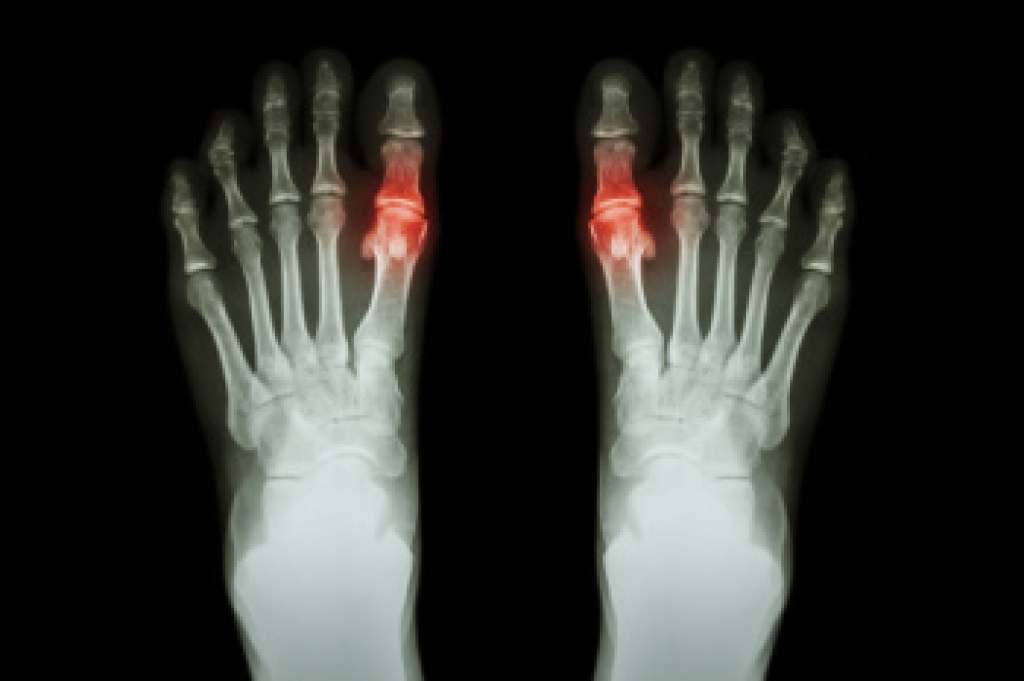
Risk Factors and Symptoms of Gout

Gout is a form of arthritis caused by the buildup of uric acid crystals in the joints. This buildup occurs when the body produces too much uric acid or cannot effectively eliminate it. Risk factors for developing gout include a diet high in red meat and seafood, excessive alcohol consumption, and obesity. Certain medical conditions such as hypertension and diabetes also increase the likelihood of developing gout. Symptoms of gout often appear suddenly and include intense joint pain, redness, and swelling, typically in the big toe. The affected joint may feel warm and extremely tender to the touch. Gout attacks can be recurrent, leading to chronic pain and joint damage if left untreated. The pain from gout can be debilitating. If you have developed this condition, it is suggested that you consult a podiatrist who can offer you relief and prevention methods.

Gout is a painful condition that can be treated. If you are seeking treatment, contact Renee Rodriquez, DPM from Foot Clinic of South Texas. Our doctor will treat your foot and ankle needs.

What Is Gout?

Gout is a form of arthritis that is characterized by sudden, severe attacks of pain, redness, and tenderness in the joints. The condition usually affects the joint at the base of the big toe. A gout attack can occur at any random time, such as the middle of the night while you are asleep.

Symptoms

  • Intense Joint Pain - Usually around the large joint of your big toe, and it most severe within the first four to twelve hours
  • Lingering Discomfort - Joint discomfort may last from a few days to a few weeks
  • Inflammation and Redness -Affected joints may become swollen, tender, warm and red
  • Limited Range of Motion - May experience a decrease in joint mobility

Risk Factors

  • Genetics - If family members have gout, you’re more likely to have it
  • Medications - Diuretic medications can raise uric acid levels
  • Gender/Age - Gout is more common in men until the age of 60. It is believed that estrogen protects women until that point
  • Diet - Eating red meat and shellfish increases your risk
  • Alcohol - Having more than two alcoholic drinks per day increases your risk
  • Obesity - Obese people are at a higher risk for gout

Prior to visiting your podiatrist to receive treatment for gout, there are a few things you should do beforehand. If you have gout you should write down your symptoms--including when they started and how often you experience them, important medical information you may have, and any questions you may have. Writing down these three things will help your podiatrist in assessing your specific situation so that he or she may provide the best route of treatment for you.

If you have any questions, please feel free to contact our office located in Brownsville, TX . We offer the newest diagnostic and treatment technologies for all your foot care needs.

Read more about Everything You Need to Know About Gout

Common Causes of Heel Pain and Possible Relief Tactics

Heel pain is a frequent complaint that can significantly impact daily activities. One common cause is plantar fasciitis, which involves inflammation of the tissue that runs along the bottom of the foot, connecting the heel to the toes. Another cause is Achilles tendonitis, where the tendon connecting the calf muscles to the heel becomes irritated, often due to overuse or improper footwear. Heel spurs, which are bony growths on the heel bone, can also lead to pain and discomfort, especially during walking or standing for long periods. Conditions such as bursitis, arthritis, and nerve compression can contribute to heel pain as well. Addressing heel pain typically involves rest, wearing supportive footwear and possibly using orthotic shoe inserts. Stretching exercises can also provide relief. If you have heel pain, it is strongly suggested that you consult a podiatrist who can determine the cause and offer appropriate treatment solutions. 

Many people suffer from bouts of heel pain. For more information, contact Renee Rodriquez, DPM of Foot Clinic of South Texas. Our doctor can provide the care you need to keep you pain-free and on your feet.

Causes of Heel Pain

Heel pain is often associated with plantar fasciitis. The plantar fascia is a band of tissues that extends along the bottom of the foot. A rip or tear in this ligament can cause inflammation of the tissue.

Achilles tendonitis is another cause of heel pain. Inflammation of the Achilles tendon will cause pain from fractures and muscle tearing. Lack of flexibility is also another symptom.

Heel spurs are another cause of pain. When the tissues of the plantar fascia undergo a great deal of stress, it can lead to ligament separation from the heel bone, causing heel spurs.

Why Might Heel Pain Occur?

  • Wearing ill-fitting shoes                
  • Wearing non-supportive shoes
  • Weight change           
  • Excessive running

Treatments

Heel pain should be treated as soon as possible for immediate results. Keeping your feet in a stress-free environment will help. If you suffer from Achilles tendonitis or plantar fasciitis, applying ice will reduce the swelling. Stretching before an exercise like running will help the muscles. Using all these tips will help make heel pain a condition of the past.

If you have any questions, please feel free to contact our office located in Brownsville, TX . We offer the newest diagnostic and treatment technologies for all your foot care needs.

Read more about Heel Pain

Various Reasons for Foot Pain

Sharp heel pain and general foot pain can result from several conditions. Plantar fasciitis, a common cause, is characterized by inflammation of the thick band of tissue running along the bottom of the foot. Bursitis, the inflammation of fluid-filled sacs that cushion the bones, can also lead to significant foot pain. Gout, a form of arthritis resulting from the accumulation of uric acid crystals, often causes sudden and intense discomfort in the big toe or ankle. Tarsal tunnel syndrome, involving compression of the tibial nerve, can create sharp, tingling pain extending into the arch. Additionally, heel spurs, which are bony growths on the underside of the heel, can cause stabbing pain, especially while walking or standing. If you have any type of foot pain, it is suggested that you consult a podiatrist who can determine the cause and offer treatment options.

Foot Pain

Foot pain can be extremely painful and debilitating. If you have a foot pain, consult with Renee Rodriquez, DPM from Foot Clinic of South Texas. Our doctor will assess your condition and provide you with quality foot and ankle treatment.

Causes

Foot pain is a very broad condition that could be caused by one or more ailments. The most common include:

  • Bunions
  • Hammertoes
  • Plantar Fasciitis
  • Bone Spurs
  • Corns
  • Tarsal Tunnel Syndrome
  • Ingrown Toenails
  • Arthritis (such as Gout, Rheumatoid, and Osteoarthritis)
  • Flat Feet
  • Injury (from stress fractures, broken toe, foot, ankle, Achilles tendon ruptures, and sprains)
  • And more

Diagnosis

To figure out the cause of foot pain, podiatrists utilize several different methods. This can range from simple visual inspections and sensation tests to X-rays and MRI scans. Prior medical history, family medical history, and any recent physical traumatic events will all be taken into consideration for a proper diagnosis.

Treatment

Treatment depends upon the cause of the foot pain. Whether it is resting, staying off the foot, or having surgery; podiatrists have a number of treatment options available for foot pain.

If you have any questions, please feel free to contact our office located in Brownsville, TX . We offer the newest diagnostic and treatment technologies for all your foot care needs.
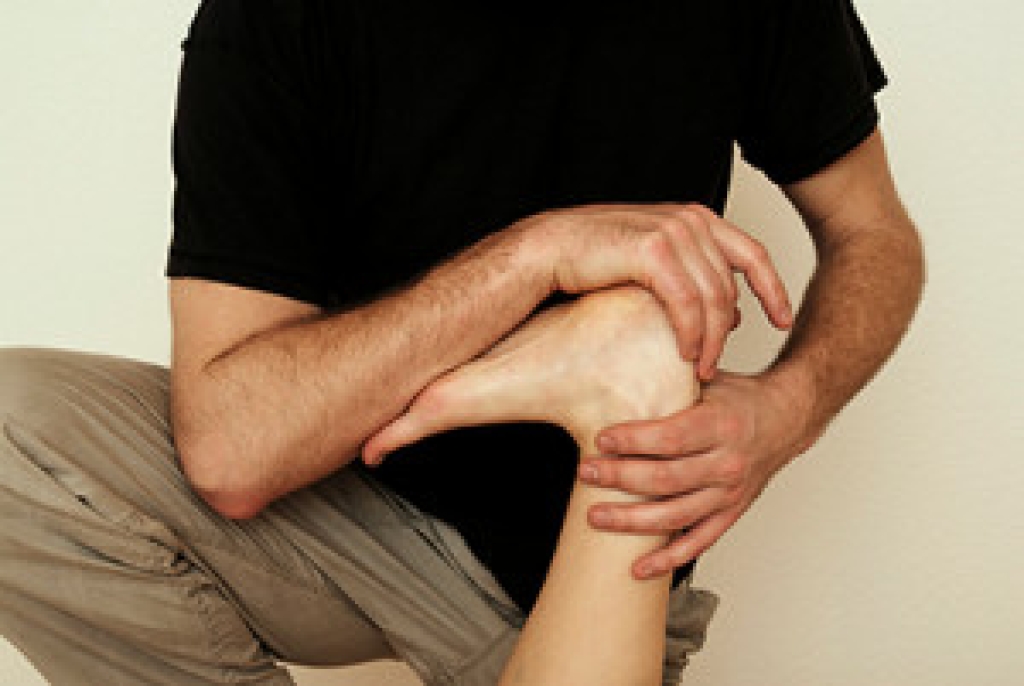
Read more about Foot Pain

Exercises May Help Arch Pain

Arch pain is discomfort or inflammation in the arch of the foot, often caused by overuse, flat feet, high arches, or plantar fasciitis. It can manifest as a dull ache or a sharp, stabbing pain, particularly during or after physical activity. Foot exercises can help alleviate arch pain by strengthening and stretching the muscles and tissues in the feet. One beneficial exercise is the towel curl, where you sit with your foot on a towel and use your toes to scrunch the towel towards you, repeating 10 to 15 times per foot. Another exercise is the calf stretch. This is done by facing a wall while standing, placing one foot behind the other, and bending the front knee while keeping the back leg straight. Hold for 15 to 30 seconds, and repeat several times. A third exercise is the arch roll, which is practiced by placing a tennis ball or a frozen water bottle to roll under your foot for a few minutes each day. For persistent or severe arch pain, it is suggested that you visit a podiatrist for a proper diagnosis and treatment. 

Why Stretching Is Important for Your Feet

Stretching the feet is a great way to prevent injuries. If you have any concerns with your feet consult with Renee Rodriquez, DPM from Foot Clinic of South Texas. Our doctor will assess your condition and provide you with quality foot and ankle treatment.

Stretching the Feet

Stretching the muscles in the foot is an important part in any physical activity. Feet that are tight can lead to less flexibility and make you more prone to injury. One of the most common forms of foot pain, plantar fasciitis, can be stretched out to help ease the pain. Stretching can not only ease pain from plantar fasciitis but also prevent it as well. However, it is important to see a podiatrist first to determine if stretching is right for you. Podiatrists can also recommend other ways to stretch your feet. Once you know whether stretching is right for you, here are some excellent stretches you can do.

  • Using a foam roller or any cylindrical object (a water bottle or soda can will do), roll the object under your foot back and forth. You should also exert pressure on the object. Be sure to do this to both feet for a minute. Do this exercise three times each.
  • Similar to the previous exercise, take a ball, such as a tennis ball, and roll it under your foot while seated and exert pressure on it.
  • Grab a resistance band or towel and take a seat. If you are using a towel, fold it length wise. Next put either one between the ball of your foot and heel and pull with both hands on each side towards you. Hold this for 15 seconds and then switch feet. Do this three times for each foot.
  • Finally hold your big toe while crossing one leg over the other. Pull the toe towards you and hold for 15 seconds. Once again do this three times per foot.

It is best to go easy when first stretching your foot and work your way up. If your foot starts hurting, stop exercising to ice and rest the foot. It is advised that you then see a podiatrist for help.

If you have any questions please contact our office located in Brownsville, TX . We offer the newest diagnostic and treatment technologies for all your foot and ankle needs.

Read more about How to Stretch Your Feet

Connect With Us

Request Appointment Patient Portal