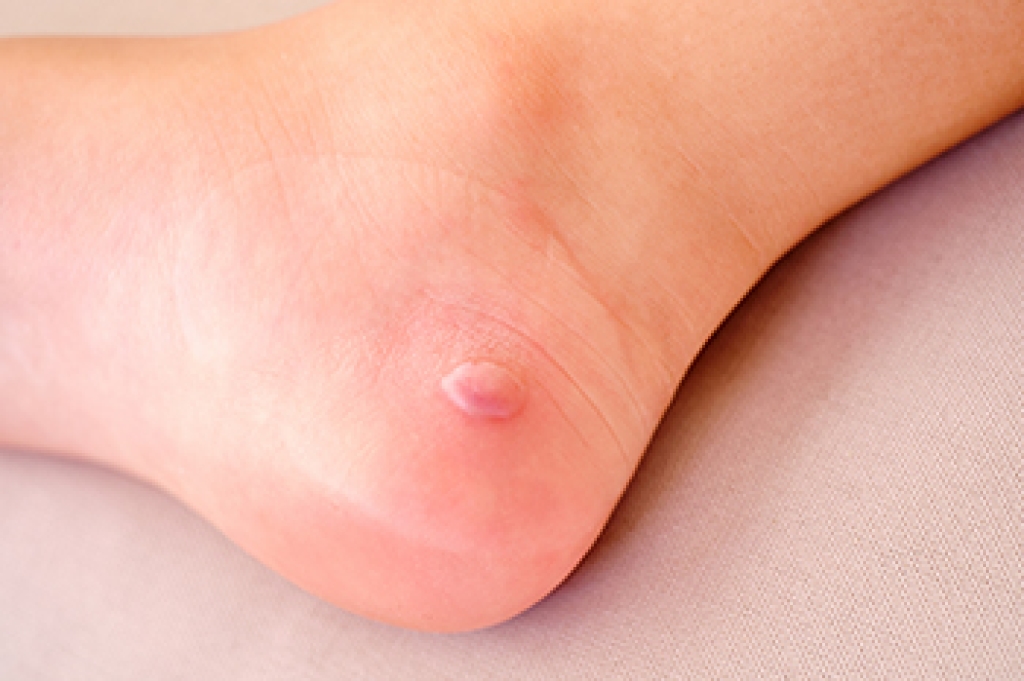
How to Avoid Development of Blisters

Preventing blisters is important for maintaining healthy feet. One way to avoid the development of blisters is by wearing well-fitted shoes that don't rub or cause friction against your skin. Additionally, it is suggested to change socks throughout the day, as wet or sweaty feet are more likely to blister. If you are aware of a spot that may become sore when engaging in daily activities that can cause friction, such as walking, or running, consider padding the inflamed area to reduce pressure. Applying cushioning pads where blisters commonly form can provide extra protection and reduce friction. Keeping up with foot hygiene can also decrease the risk of developing a blister on the foot. Keep your toenails trimmed and smooth to prevent them from catching on your socks or shoes, which can cause rubbing and blisters. If you notice any redness or hot spots on your feet, take immediate action to prevent blisters from forming. If you have a blister, especially if it is large, painful, or showing signs of infection, it is suggested to visit a podiatrist for safe treatment.

Blisters are prone to making everyday activities extremely uncomfortable. If your feet are hurting, contact Renee Rodriquez, DPM of Foot Clinic of South Texas. Our doctor can provide the care you need to keep you pain-free and on your feet.

Foot Blisters

Foot blisters develop as a result of constantly wearing tight or ill-fitting footwear. This happens due to the constant rubbing from the shoe, which can often lead to pain.

What Are Foot Blisters?

A foot blister is a small fluid-filled pocket that forms on the upper-most layer of the skin. Blisters are filled with clear fluid and can lead to blood drainage or pus if the area becomes infected.

How Do Blisters Form?

Blisters on the feet are often the result of constant friction of skin and material, usually by shoe rubbing. Walking in sandals, boots, or shoes that don’t fit properly for long periods of time can result in a blister. Having consistent foot moisture and humidity can easily lead to blister formation.

Prevention & Treatment

It is important to properly care for the affected area in order to prevent infection and ease the pain. Do not lance the blister and use a Band-Aid to provide pain relief. Also, be sure to keep your feet dry and wear proper fitting shoes. If you see blood or pus in a blister, seek assistance from a podiatrist.

If you have any questions, please feel free to contact our office located in Brownsville, TX . We offer the newest diagnostic and treatment technologies for all your foot care needs.

Read more about Blisters on the Feet

Plantar Warts Can Be Treated!

Plantar warts are small growths that develop on parts of the feet that bear weight. They're typically found on the bottom of the foot. Don't live with plantar warts, and call us today!

Why Diabetic Patients Experience Foot Problems

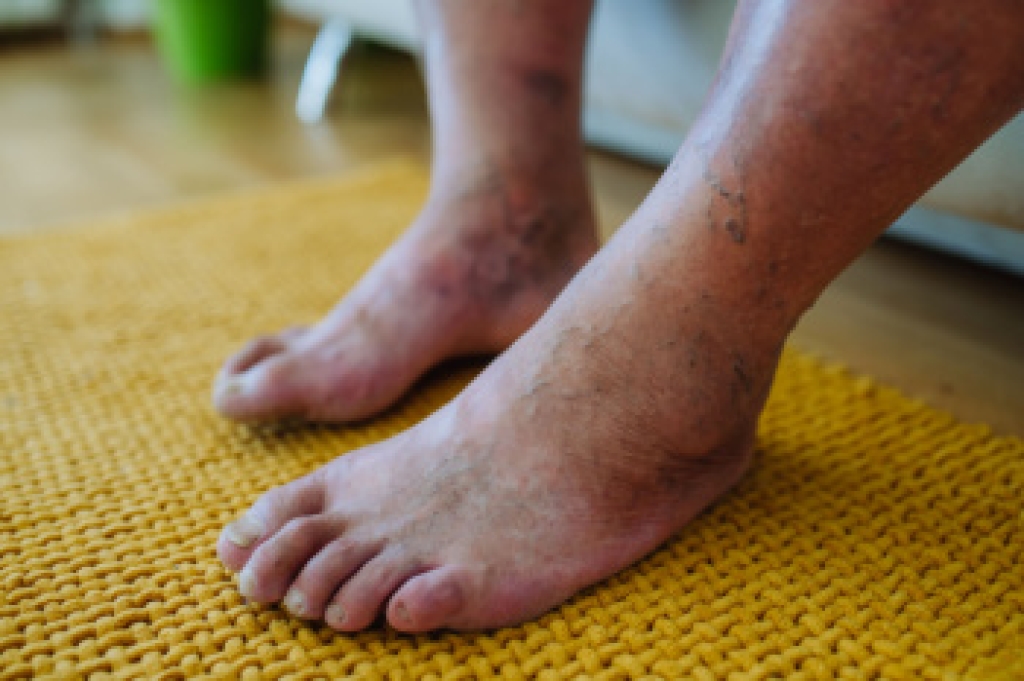
Diabetic patients often experience foot problems due to poor blood circulation and nerve damage, or neuropathy, caused by prolonged high blood sugar levels. Reduced blood flow can lead to slow healing of cuts and sores, while neuropathy can cause numbness, tingling, or a loss of sensation in the feet. This combination increases the risk of developing ulcers and infections, and injuries may go unnoticed. Diabetic foot symptoms include swelling, redness, warmth, and pain. Some individuals may feel a burning or sharp pain, while others might experience complete numbness. Foot deformities like hammertoes or Charcot foot can also develop causing discomfort and instability. To manage these issues, diabetic patients should maintain proper blood sugar levels, perform daily foot inspections, wear appropriate footwear, and practice good foot hygiene. Regular check-ups with a podiatrist are essential. If you have diabetes, it is strongly suggested that you seek comprehensive care from this type of doctor, who can perform regular foot evaluations and offer preventive measures tailored to diabetic needs.

Diabetic foot care is important in preventing foot ailments such as ulcers. If you are suffering from diabetes or have any other concerns about your feet, contact Renee Rodriquez, DPM from Foot Clinic of South Texas. Our doctor can provide the care you need to keep you pain-free and on your feet.

Diabetic Foot Care

Diabetes affects millions of people every year. The condition can damage blood vessels in many parts of the body, especially the feet. Because of this, taking care of your feet is essential if you have diabetes, and having a podiatrist help monitor your foot health is highly recommended.

The Importance of Caring for Your Feet

  • Routinely inspect your feet for bruises or sores.
  • Wear socks that fit your feet comfortably.
  • Wear comfortable shoes that provide adequate support.

Patients with diabetes should have their doctor monitor their blood levels, as blood sugar levels play such a huge role in diabetic care. Monitoring these levels on a regular basis is highly advised.

It is always best to inform your healthcare professional of any concerns you may have regarding your feet, especially for diabetic patients. Early treatment and routine foot examinations are keys to maintaining proper health, especially because severe complications can arise if proper treatment is not applied.

If you have any questions, please feel free to contact our office located in Brownsville, TX . We offer the newest diagnostic and treatment technologies for all your foot care needs.

Read more about Diabetic Foot Care

Sever’s Disease Can Affect Your Active Child

Sever's disease is often experienced by active children aged nine to 14. It occurs when the child’s calf muscle and Achilles tendon excessively pull on the growth plate of the heel bone, or calcaneus, which is still developing until about age 15. Sever’s disease typically arises in young athletes, whose vigorous activities put additional strain on their heels. Children may experience pain along the sides of their heels, which intensifies when they stand on tiptoes or run. Some may also notice warmth and swelling in the affected area. A diagnosis is usually based on these symptoms, as X-rays, while helpful for ruling out issues like bone cysts or stress fractures, cannot confirm Sever's disease. Relief options include using heel pads to reduce tendon strain, night splints to stretch the calf muscles, or in severe cases, a cast to immobilize the area. If your active child is experiencing heel pain, it is suggested that you schedule an appointment with a podiatrist for a full exam and appropriate treatment for Sever’s disease. 

Sever's disease often occurs in children and teens. If your child is experiencing foot or ankle pain, see Renee Rodriquez, DPM from Foot Clinic of South Texas. Our doctor can treat your child’s foot and ankle needs.

Sever’s Disease

Sever’s disease is also known as calcaneal apophysitis, which is a medical condition that causes heel pain I none or both feet. The disease is known to affect children between the ages of 8 and 14.

Sever’s disease occurs when part of the child’s heel known as the growth plate (calcaneal epiphysis) is attached to the Achilles tendon. This area can suffer injury when the muscles and tendons of the growing foot do not keep pace with bone growth. Therefore, the constant pain which one experiences at the back of the heel will make the child unable to put any weight on the heel. The child is then forced to walk on their toes.

Symptoms

Acute pain – Pain associated with Sever’s disease is usually felt in the heel when the child engages in physical activity such as walking, jumping and or running.

Highly active – Children who are very active are among the most susceptible in experiencing Sever’s disease, because of the stress and tension placed on their feet.

If you have any questions, please feel free to contact our office located in Brownsville, TX . We offer the newest diagnostic and treatment technologies for all your foot care needs.
Read more about Sever's Disease

Problems Caused by a Longer Second Toe

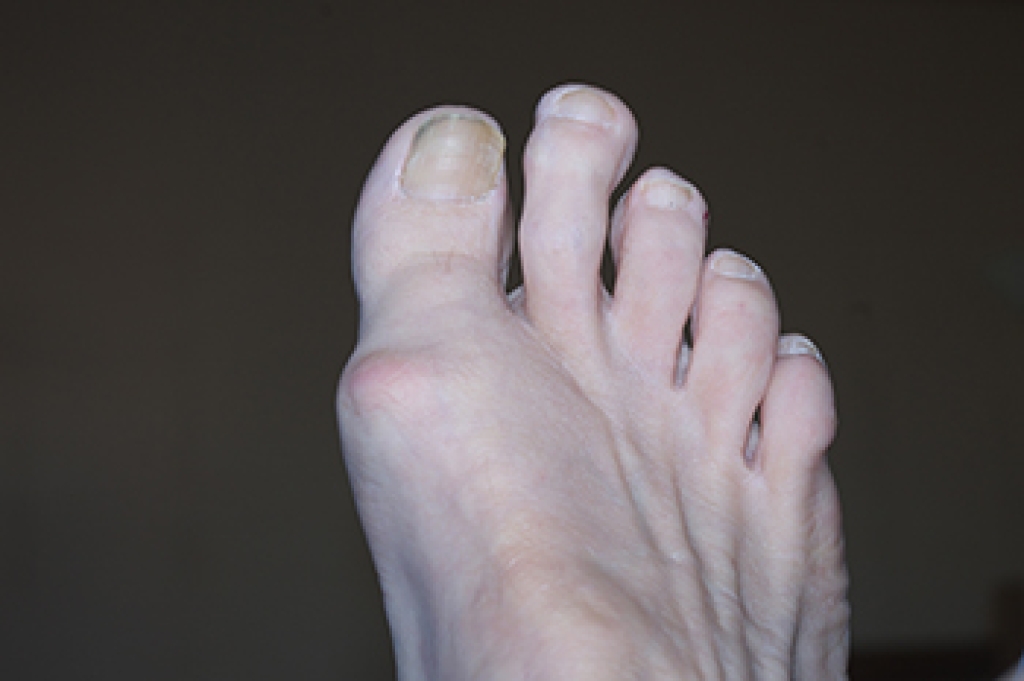
If your second toe seems to protrude a bit farther than your big toe, you might have what is commonly known as Morton’s toe. This condition may seem like a minor foot quirk, but it can lead to some uncomfortable problems. One of the primary issues associated with Morton’s toe is the increased likelihood of developing calluses on the sole of your foot and experiencing various types of foot pain. This happens because the longer second toe can alter how weight is distributed across your foot, putting extra pressure on certain areas. The condition is named after Dudley Joy Morton, who first described it in the 1930s, and is unrelated to Morton’s neuroma. In some cases, Morton’s toe can lead to more severe foot conditions, such as hammer toe or bunions, especially if your footwear does not accommodate your foot shape properly. If you are experiencing discomfort or noticing changes in your foot due to Morton’s toe, it is essential to seek help from a podiatrist who can offer various conservative treatments. These can include shoe modifications, custom orthotics, exercises, and medication, all of which can help to alleviate pain and prevent further complications. If you have Morton’s toe or are experiencing foot pain, it is suggested that you schedule an appointment with a podiatrist. 

If you have any concerns about your feet, contact Renee Rodriquez, DPM from Foot Clinic of South Texas. Our doctor can provide the care you need to keep you pain-free and on your feet.

Biomechanics in Podiatry

Podiatric biomechanics is a particular sector of specialty podiatry with licensed practitioners who are trained to diagnose and treat conditions affecting the foot, ankle and lower leg. Biomechanics deals with the forces that act against the body, causing an interference with the biological structures. It focuses on the movement of the ankle, the foot and the forces that interact with them.

A History of Biomechanics

  • Biomechanics dates back to the BC era in Egypt where evidence of professional foot care has been recorded.
  • In 1974, biomechanics gained a higher profile from the studies of Merton Root, who claimed that by changing or controlling the forces between the ankle and the foot, corrections or conditions could be implemented to gain strength and coordination in the area.

Modern technological improvements are based on past theories and therapeutic processes that provide a better understanding of podiatric concepts for biomechanics. Computers can provide accurate information about the forces and patterns of the feet and lower legs.

Understanding biomechanics of the feet can help improve and eliminate pain, stopping further stress to the foot.

If you have any questions please feel free to contact our office located in Brownsville, TX . We offer the newest diagnostic and treatment technologies for all your foot and ankle needs.

Read more about The Importance of Biomechanics in Podiatry

Connect With Us

Request Appointment Patient Portal