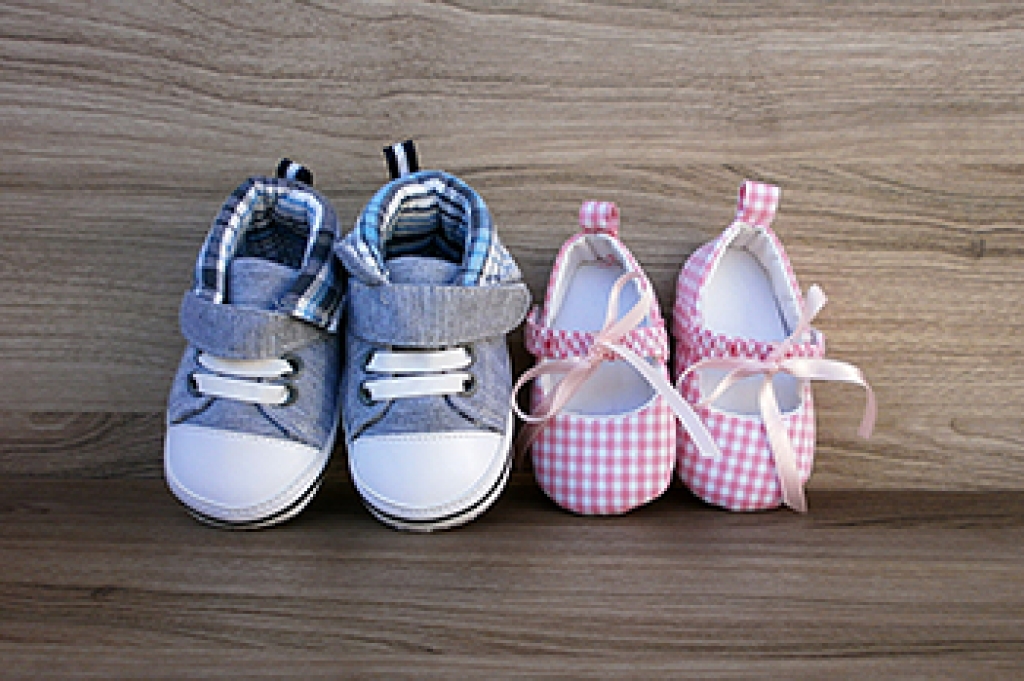
Choosing Baby’s First Shoes

Selecting the right shoes for a baby is essential for their comfort and foot development. The best time to introduce shoes is when the baby begins to walk outdoors, as they need protection from rough surfaces. Soft, flexible materials such as leather or breathable mesh allow natural movement and keep the feet comfortable. A proper fit is important to prevent discomfort, so shoes should have enough room for growth without being too loose. Supportive soles with a slight grip provide stability while allowing natural foot motion. Additionally, easy-to-fasten closures help keep the shoes secure while making them simple to put on and take off. It is vital that your child wears shoes that fit correctly while walking outside. If you would like more information or have questions about specific types of babies first shoes, it is suggested that you consult a podiatrist who can provide you with the knowledge you are seeking.

Making sure that your children maintain good foot health is very important as they grow. If you have any questions, contact Renee Rodriquez, DPM of Foot Clinic of South Texas. Our doctor can provide the care you need to keep you pain-free and on your feet.

Keeping Children's Feet Healthy

Having healthy feet during childhood can help prevent medical problems later in life, namely in the back and legs. As children grow, their feet require different types of care. Here are some things to consider...

Although babies do not walk yet, it is still very important to take care of their feet.

Avoid putting tight shoes or socks on his or her feet.

Allow the baby to stretch and kick his or her feet to feel comfortable.

As a toddler, kids are now on the move and begin to develop differently. At this age, toddlers are getting a feel for walking, so don’t be alarmed if your toddler is unsteady or ‘walks funny’. 

As your child gets older, it is important to teach them how to take care of their feet.

Show them proper hygiene to prevent infections such as fungus.

Be watchful for any pain or injury.

Have all injuries checked by a doctor as soon as possible.

Comfortable, protective shoes should always be worn, especially at play.

If you have any questions, please feel free to contact our office located in Brownsville, TX . We offer the newest diagnostic and treatment technologies for all your foot care needs.

Read more about What to Do to Keep Your Child’s Feet Healthy

Heel Pain in the Morning?

Heel pain can negatively affect your day-to-day life. Simple activities like walking can become incredibly uncomfortable or painful due to heel pain.

Don’t live with heel pain and get treated.

Common Foot Problems in Restaurant Workers

Restaurant workers spend long hours on their feet, making them prone to a variety of foot problems. Among them are plantar fasciitis, bunions, calluses, corns, and ingrown toenails. Constant standing and walking on hard surfaces place excessive pressure on the feet, leading to foot pain and fatigue. Shoes with inadequate support and cushioning can contribute to arch strain, heel pain, and the development of neuromas. Long shifts in tight or damp shoes may also increase the risk of fungal infections and toenail issues. Ankle instability and sprains are common due to quick movements and slippery floors. A podiatrist can assess foot pain, provide treatment for existing conditions, and recommend footwear that offers proper support and shock absorption. Custom orthotics may help alleviate pressure on the arches and heels, while addressing any misalignment that may contribute to discomfort. If you experience foot pain after working on your feet, it is suggested that you schedule an appointment with a podiatrist for an exam and treatment options, including guidance on proper footwear.

While working on the feet, it is important to take the proper care of them. For more information about working on your feet, contact Renee Rodriquez, DPM from Foot Clinic of South Texas. Our doctor will treat your foot and ankle needs.

Working on Your Feet

Standing on your feet for long periods of time can cause stress and pain in your feet. Your whole body may experience change in terms of posture, back pain, bunions, callouses and or plantar warts. There are ways to avoid these conditions with proper foot care, smart choices and correct posture.

Positive Changes

Negative heeled shoe – Choosing this shoe type places the heel slightly lower than the ball of the foot. These are great for overall foot health. Find shoes that fit you correctly.

Go barefoot – Our feet were not designed to be enclosed for all hours of the day. Try to periodically expose your feet to air.

Eliminate Pain

Foot Exercises – Performing simple exercises, incorporating yoga and doing stretches are beneficial. This will allow increased blood flow to the area and muscles of the foot.

Achilles tendon – Stretching the foot out flat on the floor will relax the calf muscles and tendon. These exercises can be performed almost anywhere. Make sure you add these exercises to your daily regimen. 

With a little bit of this information and knowing more about foot health, you will notice changes. Foot stretches and proper footwear will help with pain and prevent further issues.

If you have any questions please contact our office located in Brownsville, TX . We offer the newest diagnostic and treatment technologies for all your foot and ankle needs.

Read more about Working on Your Feet

Facts About Eversion Ankle Sprains

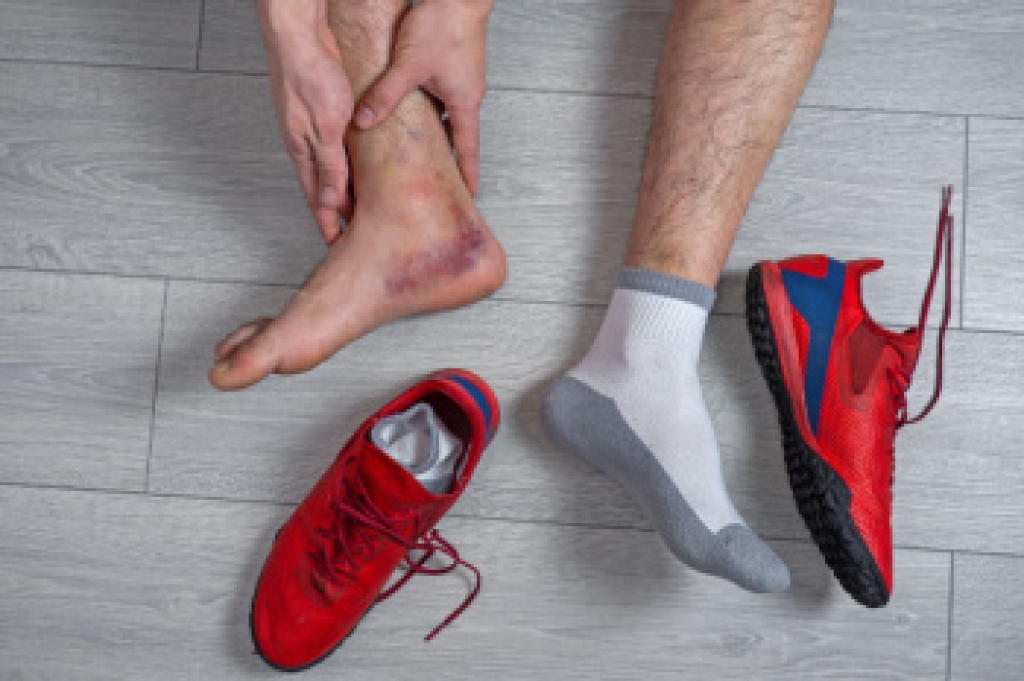
An eversion ankle sprain happens when the ankle rolls outward, stretching or tearing the deltoid ligaments on the inner side of the joint. This contrasts with the more common inversion sprain, where the ankle rolls inward, affecting the ligaments on the outer side. Eversion ankle sprains are often more severe because the deltoid ligaments are strong and require greater force to cause injury. An eversion ankle sprain can result from landing awkwardly, sudden directional changes, or twisting motions where the foot moves outward while the leg rotates inward. Symptoms include pain, swelling, and bruising on the inner ankle, whereas inversion sprains typically cause discomfort on the outer side. Eversion sprains also have a higher risk of injuries that affect the ligaments connecting the tibia and fibula above the ankle joint. These types of injuries can make walking difficult and may require extended healing time. A podiatrist can assess the severity, check for fractures, and determine if a cast, boot, or surgery is necessary. If you have sprained an ankle, it is suggested that you schedule an immediate appointment with a podiatrist for an exam, diagnosis, and treatment options.

Although ankle sprains are common, they aren’t always minor injuries. If you need your ankle injury looked at, contact Renee Rodriquez, DPM from Foot Clinic of South Texas. Our doctor can provide the care you need to keep you pain-free and on your feet.

How Does an Ankle Sprain Occur?

Ankle sprains are the result of a tear in the ligaments within the ankle. These injuries may happen when you make a rapid shifting movement while your foot is planted. A less common way to sprain your ankle is when your ankle rolls inward while your foot turns outward.

What Are the Symptoms?

  • Pain at the sight of the tear
  • Bruising/Swelling
  • Ankle area is tender to touch
  • In severe cases, may hear/feel something tear
  • Skin discoloration

Preventing a Sprain

  • Wearing appropriate shoes for the occasion
  • Stretching before exercises and sports
  • Knowing your limits

Treatment of a Sprain

In many cases, the RICE method (Rest, Ice, Compression, and Elevate) is used to treat ankle sprains. However, you should see a podiatrist to see which treatment option would work best with your injury. In severe cases, surgery may be required.

It is important to ask your doctor about rehab options after you receive treatment for your injury. Stretching, strength training, and balance exercises may help the ankle heal while also preventing further injury.

If you have any questions, please feel free to contact our office located in Brownsville, TX . We offer the newest diagnostic and treatment technologies for all your foot care needs.
Read more about Three Grades of Ankle Sprains

An Itch Not to Ignore

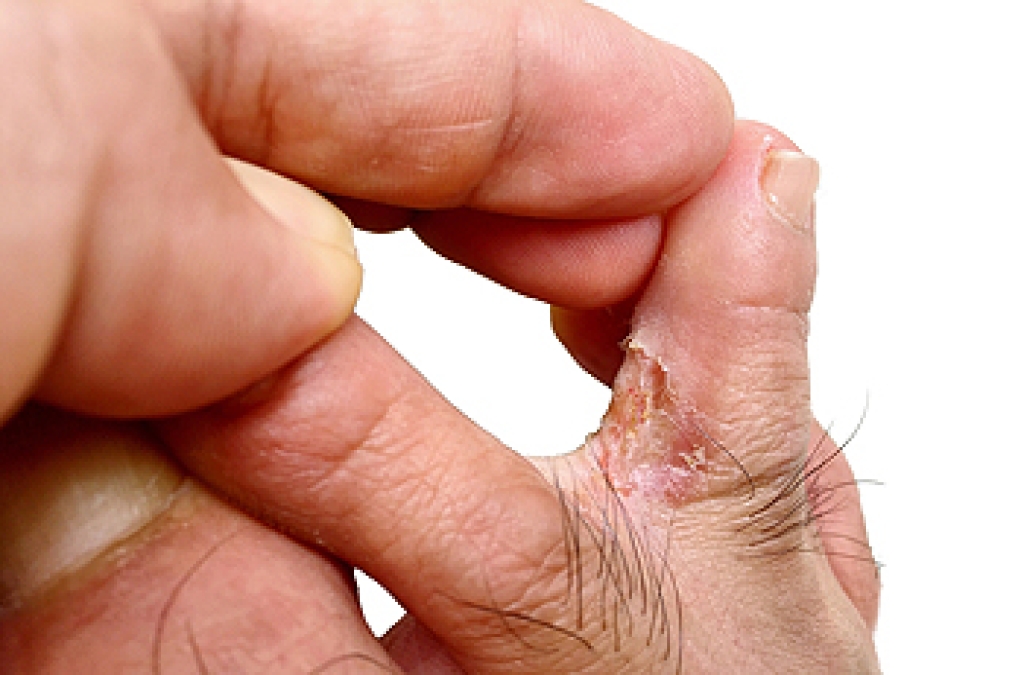
It starts as a mild itch, just a little irritation between your toes. Maybe your skin feels dry or slightly cracked. Then, before you know it, that subtle annoyance turns into relentless burning, peeling, and redness. Athlete’s foot is not just a minor inconvenience. It is a fungal invasion thriving in warm, damp spaces like sweaty socks and shared locker rooms. Many people dismiss it, thinking it is just dry skin, but, left untreated, it spreads. Blisters can form, skin can crack open, and secondary infections can take hold. Some even find the fungus creeping into their toenails, making them thick and discolored. Scratching only makes it worse, spreading the infection to hands and other areas. Mild treatments may help, but if it keeps coming back or worsens, it is suggested that you schedule an appointment with a podiatrist who can provide stronger solutions to stop the cycle and restore healthy skin.

Athlete’s Foot

Athlete’s foot is often an uncomfortable condition to experience. Thankfully, podiatrists specialize in treating athlete’s foot and offer the best treatment options. If you have any questions about athlete’s foot, consult with Renee Rodriquez, DPM from Foot Clinic of South Texas. Our doctor will assess your condition and provide you with quality treatment.

What Is Athlete’s Foot?

Tinea pedis, more commonly known as athlete’s foot, is a non-serious and common fungal infection of the foot. Athlete’s foot is contagious and can be contracted by touching someone who has it or infected surfaces. The most common places contaminated by it are public showers, locker rooms, and swimming pools. Once contracted, it grows on feet that are left inside moist, dark, and warm shoes and socks.

Prevention

The most effective ways to prevent athlete’s foot include:

  • Thoroughly washing and drying feet
  • Avoid going barefoot in locker rooms and public showers
  • Using shower shoes in public showers
  • Wearing socks that allow the feet to breathe
  • Changing socks and shoes frequently if you sweat a lot

Symptoms

Athlete’s foot initially occurs as a rash between the toes. However, if left undiagnosed, it can spread to the sides and bottom of the feet, toenails, and if touched by hand, the hands themselves. Symptoms include:

  • Redness
  • Burning
  • Itching
  • Scaly and peeling skin

Diagnosis and Treatment

Diagnosis is quick and easy. Skin samples will be taken and either viewed under a microscope or sent to a lab for testing. Sometimes, a podiatrist can diagnose it based on simply looking at it. Once confirmed, treatment options include oral and topical antifungal medications.

If you have any questions, please feel free to contact our office located in Brownsville, TX . We offer the newest diagnostic and treatment technologies for all your foot care needs.
Read more about Athlete's Foot

Connect With Us

Request Appointment Patient Portal