Causes of Itchy Feet

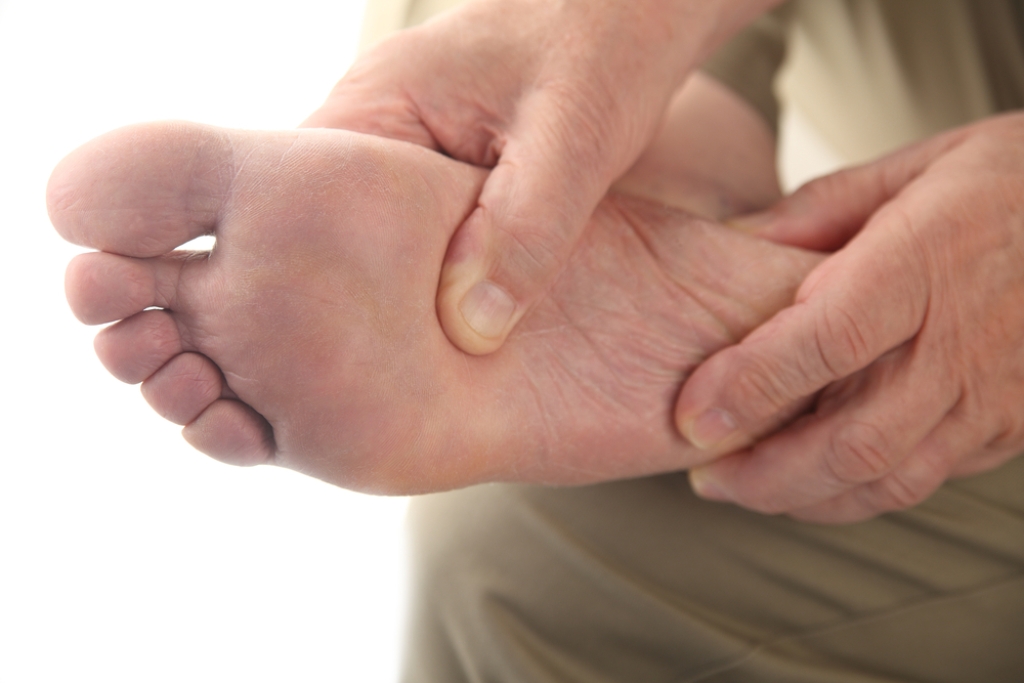
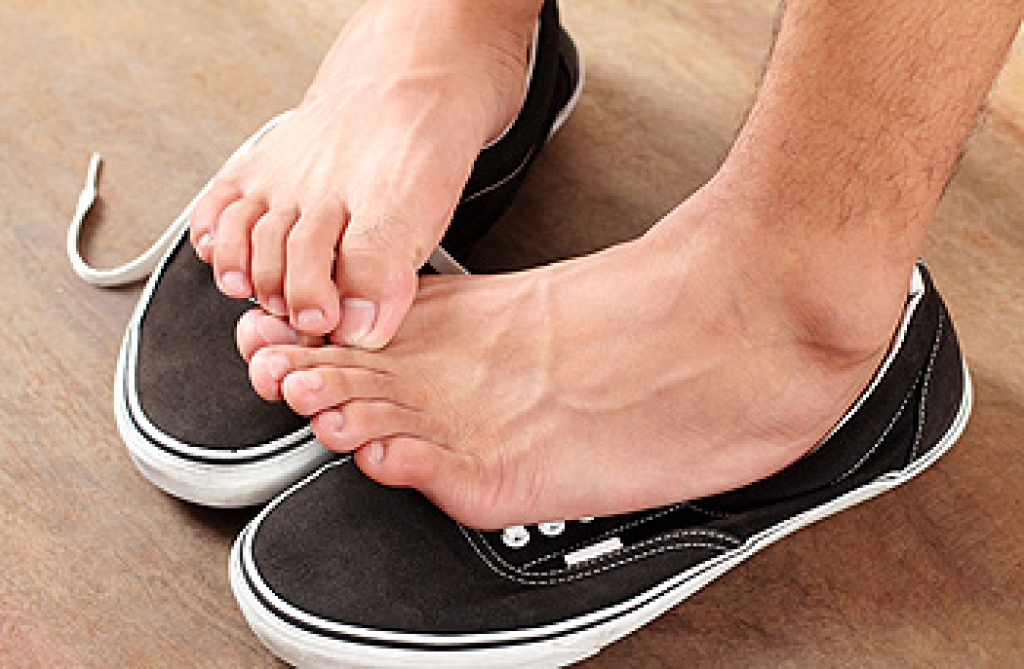
Itchy feet, also known as pruritus, can be an uncomfortable and distracting condition. Causes may include dry environments that strip the skin of moisture, infectious bacteria or fungi that irritate the skin, and underlying skin conditions, such as eczema or psoriasis. Symptoms often include redness, flaking, swelling, or persistent itching that may worsen at night. These issues can interfere with sleep, daily comfort, and overall foot health, if left untreated. A podiatrist can identify the cause of the itching through examination, testing, and tailored treatment plans to relieve symptoms and prevent recurrence. If you are struggling with itchy feet, it is suggested that you schedule an appointment with a podiatrist for effective relief solutions.

Foot Pain

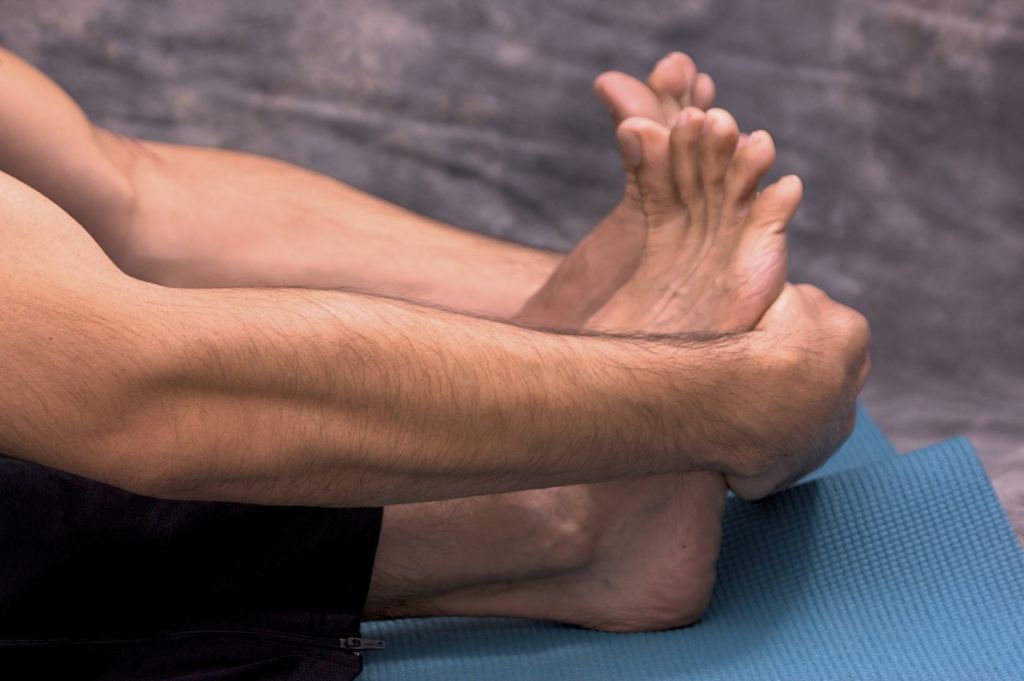
Foot pain can be extremely painful and debilitating. If you have a foot pain, consult with Renee Rodriquez, DPM from Foot Clinic of South Texas. Our doctor will assess your condition and provide you with quality foot and ankle treatment.

Causes

Foot pain is a very broad condition that could be caused by one or more ailments. The most common include:

  • Bunions
  • Hammertoes
  • Plantar Fasciitis
  • Bone Spurs
  • Corns
  • Tarsal Tunnel Syndrome
  • Ingrown Toenails
  • Arthritis (such as Gout, Rheumatoid, and Osteoarthritis)
  • Flat Feet
  • Injury (from stress fractures, broken toe, foot, ankle, Achilles tendon ruptures, and sprains)
  • And more

Diagnosis

To figure out the cause of foot pain, podiatrists utilize several different methods. This can range from simple visual inspections and sensation tests to X-rays and MRI scans. Prior medical history, family medical history, and any recent physical traumatic events will all be taken into consideration for a proper diagnosis.

Treatment

Treatment depends upon the cause of the foot pain. Whether it is resting, staying off the foot, or having surgery; podiatrists have a number of treatment options available for foot pain.

If you have any questions, please feel free to contact our office located in Brownsville, TX . We offer the newest diagnostic and treatment technologies for all your foot care needs.

Read more about Foot Pain

The Trouble with Blisters

Blisters are small pockets of fluid that form on the skin, often caused by friction, heat, or irritation. On the feet, blisters commonly appear due to wearing ill-fitting shoes, excessive walking or running, or prolonged exposure to moisture. Symptoms include raised, fluid-filled bumps that may be clear or cloudy, accompanied by redness, pain, and tenderness. Blisters can feel tight and uncomfortable, making walking difficult. If left untreated, blisters can rupture, leading to possible infection or increased pain. A podiatrist can help diagnose the cause of persistent or severe blisters and recommend appropriate treatment. Treatments may include protecting the blister with specialized dressings, draining larger blisters safely, and addressing the underlying issues such as footwear or gait problems. Preventive advice and care can reduce the risk of future blisters. If blisters are frequent, painful, or show signs of infection, it is suggested that you schedule an appointment with a podiatrist to ensure proper care and healing.

Blisters may appear as a single bubble or in a cluster. They can cause a lot of pain and may be filled with pus, blood, or watery serum. If your feet are hurting, contact Renee Rodriquez, DPM of Foot Clinic of South Texas. Our doctor can provide the care you need to keep you pain-free and on your feet.

Foot Blisters

Foot blisters are often the result of friction. This happens due to the constant rubbing from shoes, which can lead to pain.

What Are Foot Blisters?

A foot blister is a small fluid-filled pocket that forms on the upper-most layer of the skin. Blisters are filled with clear fluid and can lead to blood drainage or pus if the area becomes infected.

Symptoms

(Blister symptoms may vary depending on what is causing them)

  • Bubble of skin filled with fluid
  • Redness
  • Moderate to severe pain
  • Itching

Prevention & Treatment

In order to prevent blisters, you should be sure to wear comfortable shoes with socks that cushion your feet and absorb sweat. Breaking a blister open may increase your chances of developing an infection. However, if your blister breaks, you should wash the area with soap and water immediately and then apply a bandage to the affected area. If your blisters cause severe pain it is important that you call your podiatrist right away.

If you have any questions, please feel free to contact our office located in Brownsville, TX . We offer the newest diagnostic and treatment technologies for all your foot care needs.

Read more about Blisters on the Feet

Three Stretches for Plantar Fasciitis

Plantar fasciitis is a foot condition in which the plantar fascia ligament, which connects the heel bone to the toes, becomes inflamed, typically due to injury from overuse. The most common symptom of plantar fasciitis is pain in the heel and the arch of the affected foot. If you have this condition, performing certain stretches may help aid in your recovery from plantar fasciitis. The gastroc stretch helps stretch out the gastroc muscle and Achilles tendon. The soleus stretch helps stretch the soleus muscle and Achilles tendon. The flexor hallicus longus stretch helps stretch the bottom of the foot, inside of the ankle, and back of the calf. To learn more about how stretching can help you in your recovery from plantar fasciitis, please speak with a podiatrist. 

Plantar fasciitis can be very painful and inconvenient. If you are experiencing heel pain or symptoms of plantar fasciitis, contact Renee Rodriquez, DPM  from Foot Clinic of South Texas. Our doctor can provide the care you need to keep you pain-free and on your feet.

What Is Plantar Fasciitis?

Plantar fasciitis is the inflammation of the thick band of tissue that runs along the bottom of your foot, known as the plantar fascia, and causes mild to severe heel pain.

What Causes Plantar Fasciitis?

  • Excessive running
  • Non-supportive shoes
  • Overpronation
  • Repeated stretching and tearing of the plantar fascia

How Can It Be Treated?

  • Conservative measures – anti-inflammatories, ice packs, stretching exercises, physical therapy, orthotic devices
  • Shockwave therapy – sound waves are sent to the affected area to facilitate healing and are usually used for chronic cases of plantar fasciitis
  • Surgery – usually only used as a last resort when all else fails. The plantar fascia can be surgically detached from the heel

While very treatable, plantar fasciitis is definitely not something that should be ignored. Especially in severe cases, speaking to your doctor right away is highly recommended to avoid complications and severe heel pain. Your podiatrist can work with you to provide the appropriate treatment options tailored to your condition.

If you have any questions, please feel free to contact our office located in Brownsville, TX . We offer the newest diagnostic and treatment technologies for all your foot care needs.

Read more about Plantar Fasciitis

Are You Suffering From Nerve Damage?

Neuropathy is a condition that can lead to numbness or loss of sensation in the feet, but it can also cause pain. This condition is more likely to develop for those who are diabetic, obese, or with high blood pressure.

How to Become a Podiatrist

Doctors that treat various disorders and conditions of the feet are known as podiatrists. It is considered to be a specialized form of medicine, and research has indicated that certain foot ailments may be indicative of existing medical concerns that are present in the body such as diabetes. A podiatrist is responsible for furnishing patients with consultations, properly diagnosing foot conditions, and may also provide foot and ankle surgery. Mandatory schooling consists of earning a bachelor’s degree, followed by obtaining a doctorate from an accredited college. This is generally completed in four years, after which a three year podiatric residency must also be completed . Many podiatrists choose to practice in hospitals, become part of a group practice, or may work independently. For people that are interested in pursuing a career in podiatry, it is suggested that you consult with a podiatrist to answer any questions you may have.

If you are dealing with pain in your feet and ankles, you may want to seek help from a podiatrist. Feel free to contact Renee Rodriquez, DPM from Foot Clinic of South Texas. Our doctor can provide the care you need to keep you pain-free and on your feet.

What Is a Podiatrist?

A podiatrist is a doctor of podiatric medicine who diagnoses and treats conditions of the foot, ankle, and related structures of the leg. Your podiatrist may specialize in a certain field such as sports medicine, wound care, pediatrics, and diabetic care. Podiatrists have the ability to become board certified through training, clinical experience, and then taking an exam.

What Do Podiatrists Do?

On a daily basis, a podiatrist may perform the following activities:

  • Diagnose foot ailments such as ulcers, tumors, fractures, etc.
  • Use innovative methods to treat conditions
  • Use corrective orthotics, casts, and strappings to correct deformities
  • Correct walking patterns and balance
  • Provide individual consultations to patients

It is very important that you take care of your feet. It’s easy to take having healthy feet for granted, however foot problems tend to be among the most common health conditions. Podiatrists can help diagnose and treat a variety of feet related conditions, so it is crucial that you visit one if you need assistance.

If you have any questions, please feel free to contact our office located in Brownsville, TX . We offer the newest diagnostic and treatment technologies for all your foot care needs.

Read more about What is a Podiatrist?

Preventing Workplace Falls and Protecting Your Feet

Preventing falls at work is essential for safety and productivity. Workers should stay alert to hazards in their work areas, paying attention to conditions that may create risks. Parapet walls, ladders, and warning lines are in place to provide physical protection and help guide safe movement, but they are most effective when you actively use them as intended. Ask for training so you have the knowledge to recognize potential dangers, move through the workspace safely, and handle equipment the right way. By staying aware and applying training, you can protect yourself while completing tasks efficiently. Despite these measures, accidents can still happen, leading to foot and ankle injuries such as sprains, fractures, or tendon damage. These injuries can cause lasting pain and limit mobility, if not treated properly. A podiatrist can diagnose and provide effective care to restore function and prevent long-term complications. If you have sustained a foot or ankle injury from falling at work, it is suggested that you consult a podiatrist who can treat various foot conditions, and guide you on additional fall prevention tips.

Preventing falls among the elderly is very important. If you are older and have fallen or fear that you are prone to falling, consult with Renee Rodriquez, DPM from Foot Clinic of South Texas. Our doctor will assess your condition and provide you with quality advice and care.

Every 11 seconds, an elderly American is being treated in an emergency room for a fall related injury. Falls are the leading cause of head and hip injuries for those 65 and older. Due to decreases in strength, balance, senses, and lack of awareness, elderly persons are very susceptible to falling. Thankfully, there are a number of things older persons can do to prevent falls.

How to Prevent Falls

Some effective methods that older persons can do to prevent falls include:

  • Enrolling in strength and balance exercise program to increase balance and strength
  • Periodically having your sight and hearing checked
  • Discuss any medications you have with a doctor to see if it increases the risk of falling
  • Clearing the house of falling hazards and installing devices like grab bars and railings
  • Utilizing a walker or cane
  • Wearing shoes that provide good support and cushioning
  • Talking to family members about falling and increasing awareness

Falling can be a traumatic and embarrassing experience for elderly persons; this can make them less willing to leave the house, and less willing to talk to someone about their fears of falling. Doing such things, however, will increase the likelihood of tripping or losing one’s balance. Knowing the causes of falling and how to prevent them is the best way to mitigate the risk of serious injury.  

If you have any questions, please feel free to contact our office located in Brownsville, TX . We offer the newest diagnostic and treatment technologies for all your foot care needs.

Read more about Falls Prevention

Puncture Wounds on the Feet

Puncture wounds on the feet occur when sharp objects such as nails, glass, or animal teeth pierce the skin and penetrate into deeper tissues. While puncture wounds may seem minor, they often create narrow entry points that drive bacteria and debris beneath the surface, which increases the risk of infection. Because the foot bears weight and is exposed to the ground, puncture wounds in this area can be more complicated than similar injuries elsewhere. Complications may include abscess formation, damage to tendons or bones, or serious infection requiring advanced care. A podiatrist can evaluate the extent of the puncture wound, ensure that any foreign material is safely removed, and determine whether imaging or surgery is necessary. Proper medical care can help prevent long-term problems, such as tissue damage, joint involvement, or in severe cases, limb loss. If you have sustained a puncture wound on the foot, it is suggested that you make an appointment with a podiatrist for an exam and treatment.

Wound care is an important part in dealing with diabetes. If you have diabetes and a foot wound or would like more information about wound care for diabetics, consult with Renee Rodriquez, DPM from Foot Clinic of South Texas. Our doctor will assess your condition and provide you with quality foot and ankle treatment.

What Is Wound Care?

Wound care is the practice of taking proper care of a wound. This can range from the smallest to the largest of wounds. While everyone can benefit from proper wound care, it is much more important for diabetics. Diabetics often suffer from poor blood circulation which causes wounds to heal much slower than they would in a non-diabetic. 

What Is the Importance of Wound Care?

While it may not seem apparent with small ulcers on the foot, for diabetics, any size ulcer can become infected. Diabetics often also suffer from neuropathy, or nerve loss. This means they might not even feel when they have an ulcer on their foot. If the wound becomes severely infected, amputation may be necessary. Therefore, it is of the upmost importance to properly care for any and all foot wounds.

How to Care for Wounds

The best way to care for foot wounds is to prevent them. For diabetics, this means daily inspections of the feet for any signs of abnormalities or ulcers. It is also recommended to see a podiatrist several times a year for a foot inspection. If you do have an ulcer, run the wound under water to clear dirt from the wound; then apply antibiotic ointment to the wound and cover with a bandage. Bandages should be changed daily and keeping pressure off the wound is smart. It is advised to see a podiatrist, who can keep an eye on it.

If you have any questions please contact our office located in Brownsville, TX . We offer the newest diagnostic and treatment technologies for all your foot and ankle needs.

Read more about Wound Care

Why Foot Exercises Are Important

Strong and flexible feet play a vital role in balance, mobility, and reducing the risk of injury. Exercises designed for the feet, toes, and ankles can improve strength, flexibility, and range of motion, which may help reduce stiffness and discomfort. When the muscles in the feet are strong, they provide better support for the arches and joints. This lowers the chance of experiencing strain during daily activities or exercise. Stretching movements can also keep tendons and ligaments flexible, easing pressure on the heels and arches. Without proper conditioning, your feet may be more vulnerable to heel pain, toe cramps, and reduced mobility. A podiatrist can assess foot function, recommend targeted exercises, and guide patients in strengthening weak areas to support overall foot health. Exercises are especially valuable for anyone who spends long hours standing, wears shoes such as flip-flops, or participates in high-impact activities. If you have frequent foot pain, it is suggested that you make an appointment with a podiatrist for an exam and treatment, which may include specific exercises

Exercising your feet regularly with the proper foot wear is a great way to prevent injuries and build strength. If you have any concerns about your feet, contact Renee Rodriquez, DPM from Foot Clinic of South Texas. Our doctor can provide the care you need to keep you pain-free and on your feet.

Exercise for Your Feet

Exercise for your feet can help you gain strength, mobility and flexibility in your feet. They say that strengthening your feet can be just as rewarding as strengthening another part of the body. Your feet are very important, and we often forget about them in our daily tasks. But it is because of our feet that are we able to get going and do what we need to. For those of us fortunate enough to not have any foot problems, it is an important gesture to take care of them to ensure good health in the long run.

Some foot health exercises can include ankle pumps, tip-toeing, toe rises, lifting off the floor doing reps and sets, and flexing the toes. It is best to speak with Our doctor to determine an appropriate regimen for your needs. Everyone’s needs and bodies are different, and the activities required to maintain strength in the feet vary from individual to individual. 

Once you get into a routine of doing regular exercise, you may notice a difference in your feet and how strong they may become.

If you have any questions, please feel free to contact our office located in Brownsville, TX . We offer the newest diagnostic and treatment technologies for all your foot care needs.

Read more about Exercise for Your Feet

Get Professional Care for a Broken Foot or Ankle

Constant care and regular evaluation are important for a foot or ankle fracture. If left untreated, foot or ankle fractures can worsen over time and create more serious problems.

Don't wait to be examined if you believe you've experienced a foot or ankle fracture.

Diabetes and Its Impact on Foot Health

Diabetes can affect the feet in many ways, often starting with reduced circulation and nerve damage. Poor circulation makes it harder for blood to flow to the lower limbs, slowing the healing process of even the smallest cuts or blisters. Nerve damage, also known as neuropathy, may cause tingling, burning, or numbness in the feet, which makes it difficult to feel injuries or pressure spots. Without proper sensation, wounds may go unnoticed and become infected. Thickened skin, fungal nails, and dry skin are also more common in people with diabetes, further increasing the risk of complications. Preventive care is essential and includes daily foot inspections, wearing comfortable footwear, and regular professional checkups. If you live with diabetes and notice any changes in your feet, it is suggested that you schedule an appointment with a podiatrist for a complete evaluation and care plan.

Diabetic foot care is important in preventing foot ailments such as ulcers. If you are suffering from diabetes or have any other concerns about your feet, contact Renee Rodriquez, DPM from Foot Clinic of South Texas. Our doctor can provide the care you need to keep you pain-free and on your feet.

Diabetic Foot Care

Diabetes affects millions of people every year. The condition can damage blood vessels in many parts of the body, especially the feet. Because of this, taking care of your feet is essential if you have diabetes, and having a podiatrist help monitor your foot health is highly recommended.

The Importance of Caring for Your Feet

  • Routinely inspect your feet for bruises or sores.
  • Wear socks that fit your feet comfortably.
  • Wear comfortable shoes that provide adequate support.

Patients with diabetes should have their doctor monitor their blood levels, as blood sugar levels play such a huge role in diabetic care. Monitoring these levels on a regular basis is highly advised.

It is always best to inform your healthcare professional of any concerns you may have regarding your feet, especially for diabetic patients. Early treatment and routine foot examinations are keys to maintaining proper health, especially because severe complications can arise if proper treatment is not applied.

If you have any questions, please feel free to contact our office located in Brownsville, TX . We offer the newest diagnostic and treatment technologies for all your foot care needs.

Read more about Diabetic Foot Conditions

Connect With Us

Request Appointment Patient Portal