Causes and Symptoms of Athlete’s Foot

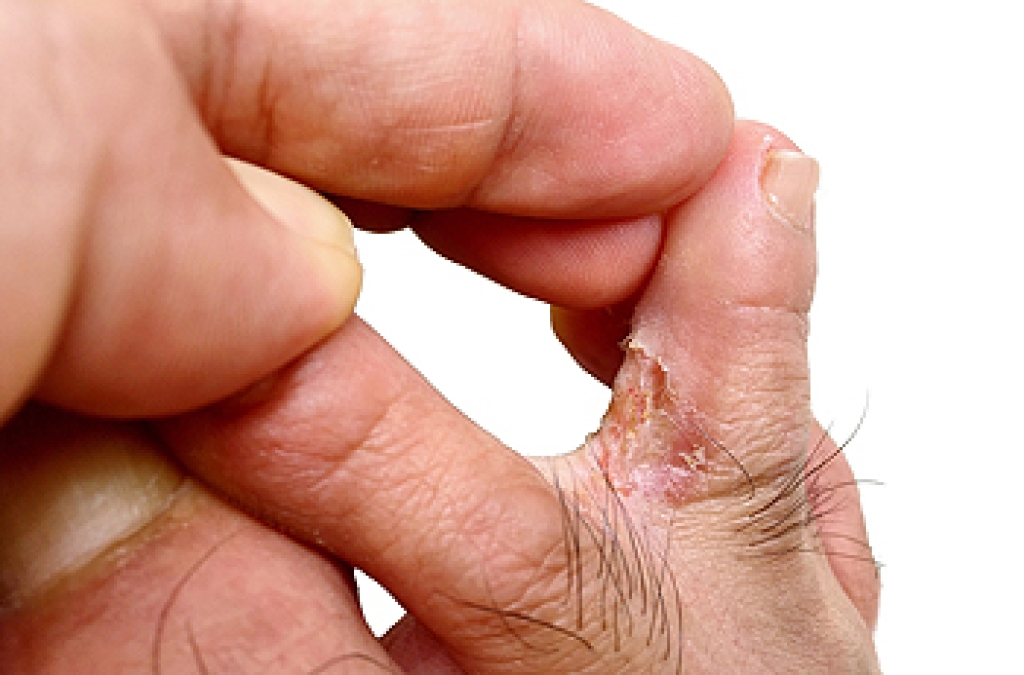
Athlete's foot is a fungal infection that primarily affects the feet. The fungi thrive in warm, moist environments, such as pools, locker rooms, and gyms. Although anyone can get athlete's foot, it is more prevalent in men. The fungi causing this infection live on the surface of the skin, particularly in sweat-prone areas, like between the toes. Symptoms of athlete's foot include dry skin, itching, and burning sensations, especially between the toes, along with red, scaly rashes. Blisters may form, which can peel or crack open, leading to exposed, raw tissue. Inflammation and a foul odor are also common signs. The infection spreads through direct contact with contaminated surfaces or skin and is more likely in people who wear closed shoes or sweat a lot. If you have a troublesome athlete's foot infection, it is suggested that you schedule an appointment with a podiatrist for advanced treatment.

Athlete’s foot is an inconvenient condition that can be easily reduced with the proper treatment. If you have any concerns about your feet and ankles, contact Renee Rodriquez, DPM from Foot Clinic of South Texas.  Our doctor will treat your foot and ankle needs.

Athlete’s Foot: The Sole Story

Athlete's foot, also known as tinea pedis, can be an extremely contagious foot infection. It is commonly contracted in public changing areas and bathrooms, dormitory style living quarters, around locker rooms and public swimming pools, or anywhere your feet often come into contact with other people.

Solutions to Combat Athlete’s Foot

  • Hydrate your feet by using lotion
  • Exfoliate
  • Buff off nails
  • Use of anti-fungal products
  • Examine your feet and visit your doctor if any suspicious blisters or cuts develop

Athlete’s foot can cause many irritating symptoms such as dry and flaking skin, itching, and redness. Some more severe symptoms can include bleeding and cracked skin, intense itching and burning, and even pain when walking. In the worst cases, Athlete’s foot can cause blistering as well. Speak to your podiatrist for a better understanding of the different causes of Athlete’s foot, as well as help in determining which treatment options are best for you.

If you have any questions please feel free to contact our office located in Brownsville, TX . We offer the newest diagnostic and treatment technologies for all your foot and ankle needs.
Read more about Athlete’s Foot

Obesity and Foot Pain

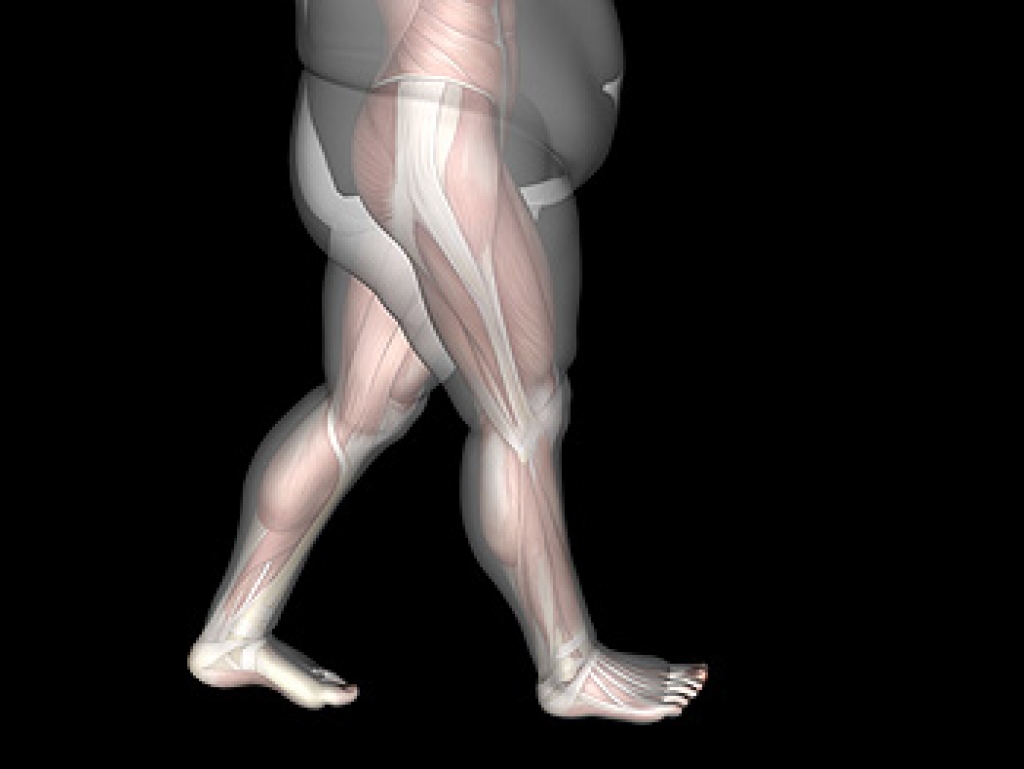
Obesity significantly impacts foot health, often leading to chronic foot pain due to the excessive weight exerting pressure on the feet. This added strain can result in conditions like plantar fasciitis, where the thick band of tissue running across the bottom of the foot becomes inflamed, causing intense heel pain. Additionally, the excess weight can contribute to flat feet, where the arches collapse, leading to further discomfort and instability. To manage foot pain associated with obesity, weight reduction through a balanced diet and regular exercise is important. Low-impact activities like swimming or cycling can help shed pounds without placing additional stress on the feet. Supportive footwear that provides adequate arch support and cushioning is also essential. If you carry excess weight and have persistent foot pain, it is suggested that you seek advice from a podiatrist. This medical professional can offer custom orthotics, recommend specific exercises to strengthen foot muscles, and provide guidance on managing foot health, ultimately enhancing mobility and quality of life.

The more you weigh, the harder your feet must work to support your body. If you’re an obese individual and are concerned about your feet, contact Renee Rodriquez, DPM from Foot Clinic of South Texas. Our doctor can provide the care you need to keep you pain-free and on your feet.

Obesity and Your Feet

People who are overweight are putting more pressure on their ankles, knees, and hips as well as their feet. This unfortunately can lead to variety of different issues.

Problems & Complications Stemming from Obesity

  • When the body is overweight, it tries to compensate by changing the way that it moves. An obese person may lean forward and put extra weight on the wrong part of the foot. This puts unnecessary stress on the feet.
  • Obese people are also more likely to develop type II diabetes which is a condition that causes a lot of foot problems. People with diabetes often don’t feel the cuts and sores that they may have on their feet, which can lead to more complicated and severe issues.
  • Plantar fasciitis is another foot condition that can be caused by obesity. Plantar fasciitis is an inflammation of the tissue along the bottom of the foot, which causes pain and stiffness while walking and climbing stairs.

If you have any questions please contact our office located in Brownsville, TX . We offer the newest diagnostic and treatment technologies for all your foot and ankle needs.
Read more about Obesity and the Feet

Gout Pain Can Be Managed

Gout is a painful, inflammatory form of arthritis. Those affected will typically feel an intense stiffness in the joints of their feet, particularly in the big toe. Schedule a visit to learn about how gout can be managed and treated.

Exercises That Can Help Seniors to Prevent Falling

Falls are a significant concern for seniors, with someone aged 65 or older experiencing a fall every second. Falls are the leading cause of injury-related death in this age group. To help prevent falls, focusing on exercises that strengthen the feet and improve balance is essential. Strengthening the muscles in your feet can enhance stability and support. Simple exercises like toe curls, where you pick up small objects with your toes, can significantly improve foot strength. Another effective exercise is heel-to-toe walking, which enhances balance by promoting coordination and proprioception. Practicing ankle circles and calf raises can also improve flexibility and strength in the lower legs and feet. Incorporating balance exercises, such as standing on one leg or using a balance board, can further reduce the risk of falls by training your body to maintain stability. It is important to check with a podiatrist before undertaking a course of exercises related to falling. For guidance on methods to prevent falling, it is suggested that you schedule an appointment with a podiatrist for an exam, diagnosis, and treatment options.

Preventing falls among the elderly is very important. If you are older and have fallen or fear that you are prone to falling, consult with Renee Rodriquez, DPM from Foot Clinic of South Texas. Our doctor will assess your condition and provide you with quality advice and care.

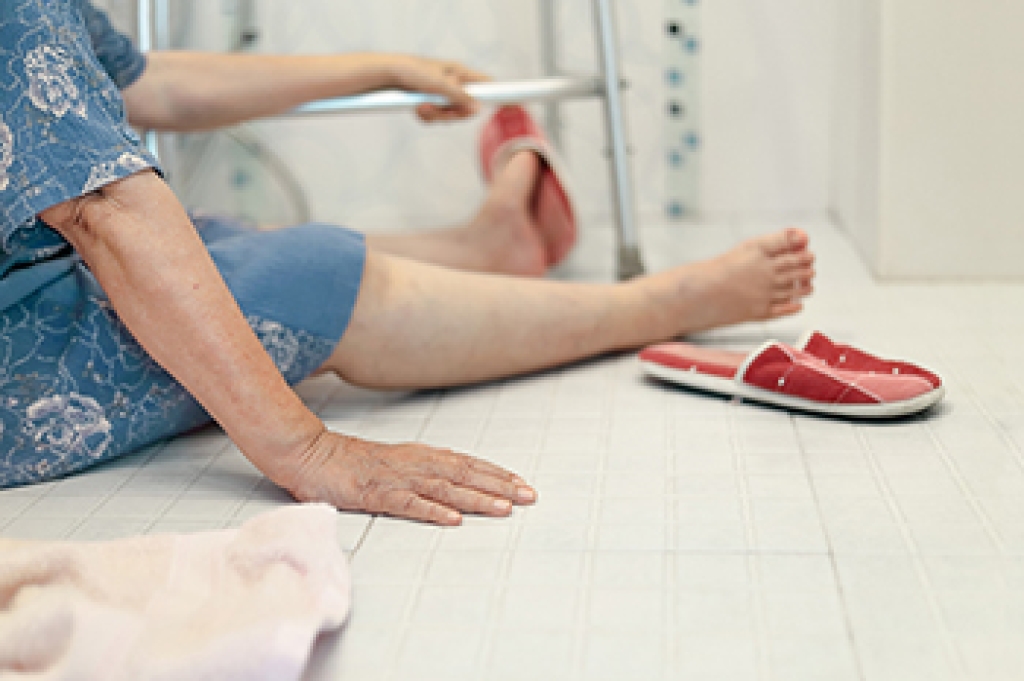
Every 11 seconds, an elderly American is being treated in an emergency room for a fall related injury. Falls are the leading cause of head and hip injuries for those 65 and older. Due to decreases in strength, balance, senses, and lack of awareness, elderly persons are very susceptible to falling. Thankfully, there are a number of things older persons can do to prevent falls.

How to Prevent Falls

Some effective methods that older persons can do to prevent falls include:

  • Enrolling in strength and balance exercise program to increase balance and strength
  • Periodically having your sight and hearing checked
  • Discuss any medications you have with a doctor to see if it increases the risk of falling
  • Clearing the house of falling hazards and installing devices like grab bars and railings
  • Utilizing a walker or cane
  • Wearing shoes that provide good support and cushioning
  • Talking to family members about falling and increasing awareness

Falling can be a traumatic and embarrassing experience for elderly persons; this can make them less willing to leave the house, and less willing to talk to someone about their fears of falling. Doing such things, however, will increase the likelihood of tripping or losing one’s balance. Knowing the causes of falling and how to prevent them is the best way to mitigate the risk of serious injury.  

If you have any questions, please feel free to contact our office located in Brownsville, TX . We offer the newest diagnostic and treatment technologies for all your foot care needs.

Read more about Falls Prevention

Choosing Running Shoes for Different Foot Types

Selecting the right running shoes depends on your foot type, which can be neutral, pronated, or supinated. Neutral feet have a balanced arch and typically benefit from shoes offering moderate cushioning and support. These shoes help absorb shock evenly during running. Pronated feet tend to roll inward excessively, requiring stability shoes with features like dual-density midsoles or medial posts to provide additional support and correct alignment. Supinated feet, which roll outward, benefit from neutral cushioned shoes with ample flexibility and cushioning to absorb impact and provide comfort. When choosing running shoes, consider arch height, gait analysis, and personal comfort preferences. Wearing shoes that are incorrect for your specific foot type may lead to developing foot pain. If this applies to you, it is strongly suggested that you consult a podiatrist who can provide relief and treatment options, and guide you toward the right pair of running shoes.

You should always make sure your running shoes fit properly in order to avoid injury. For more information, contact Renee Rodriquez, DPM from Foot Clinic of South Texas. Our doctor can provide the care you need to keep you pain-free and on your feet.

Choosing the Right Running Shoe for Your Foot Type

Improper shoe sizing can cause a myriad of problems for your feet. Shoes that don’t fit you properly can lead to muscular imbalances in your body, which can result in foot, knee, and hip injuries.

Tips for Finding the Right Running Shoe

  • Make sure you have a thumb’s width of wiggle room between the end of your longest toe and the front of the shoe.
  • There should be little to no slipping at the heel
  • Don’t assume your size in one shoe brand will be your size in another
  • Do not lace up your shoes too tightly
  • Walk around in the store with your new shoes before you buy them

If you have any questions, please feel free to contact our office located in Brownsville, TX . We offer the newest diagnostic and treatment technologies for all your foot care needs.

Read more about Choosing the Right Running Shoe

Managing Your Child's Toe Walking

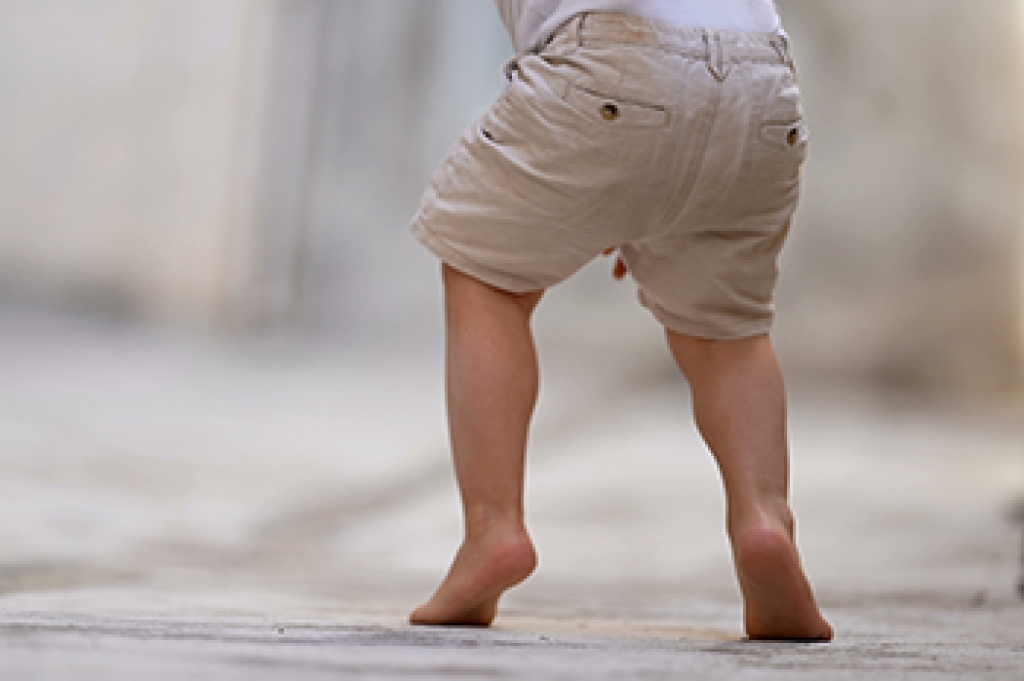
Idiopathic toe walking, as it's called, occurs when a child continues to favor their toes for walking or running. This behavior, if left unchecked, can lead to tight calf muscles and decreased ankle movement. However, there are methods to address toe walking effectively. For children under six, treatment may involve calf stretches, Achilles tendon stretches, and sit-to-stand exercises. Older children may benefit from calf stretches, marching in place, and walking uphill. Other exercises include walking on uneven surfaces, heel walking, and squats. These aim to stretch and strengthen the calf muscles, while promoting a heel-to-toe walking pattern. It is important for parents to identify toe walking early to prevent potential complications, such as muscle tightness and weakness. If your child exhibits persistent toe walking beyond three years of age, it is suggested that you schedule an appointment with a podiatrist who can assess the extent of your child's condition, and provide recommendations tailored to their specific needs. 

The health of a child’s feet is vital to their overall well-being. If you have any questions regarding foot health, contact Renee Rodriquez, DPM of Foot Clinic of South Texas. Our doctor can provide the care you need to keep you pain-free and on your feet.

Tips for Keeping Children's Feet Healthy

  • Make sure their shoes fit properly
  • Look for any signs of in-toeing or out-toeing
  • Check to see if they have Clubfoot (condition that affects your child’s foot and ankle, twisting the heel and toes inward) which is one of the most common nonmajor birth defects.
  • Lightly cover your baby’s feet (Tight covers may keep your baby from moving their feet freely, and could prevent normal development)
  • Allow your toddler to go shoeless (Shoes can be restricting for a young child’s foot)
  • Cut toenails straight across to avoid ingrown toenails
  • Keep your child’s foot clean and dry
  • Cover cuts and scrapes. Wash any scratches with soap and water and cover them with a bandage until they’ve healed.

If you have any questions, please feel free to contact our office located in Brownsville, TX . We offer the newest diagnostic and treatment technologies for all your foot care needs.

Read more about How to Care for Your Child's Feet

Risk Factors and Symptoms of Gout

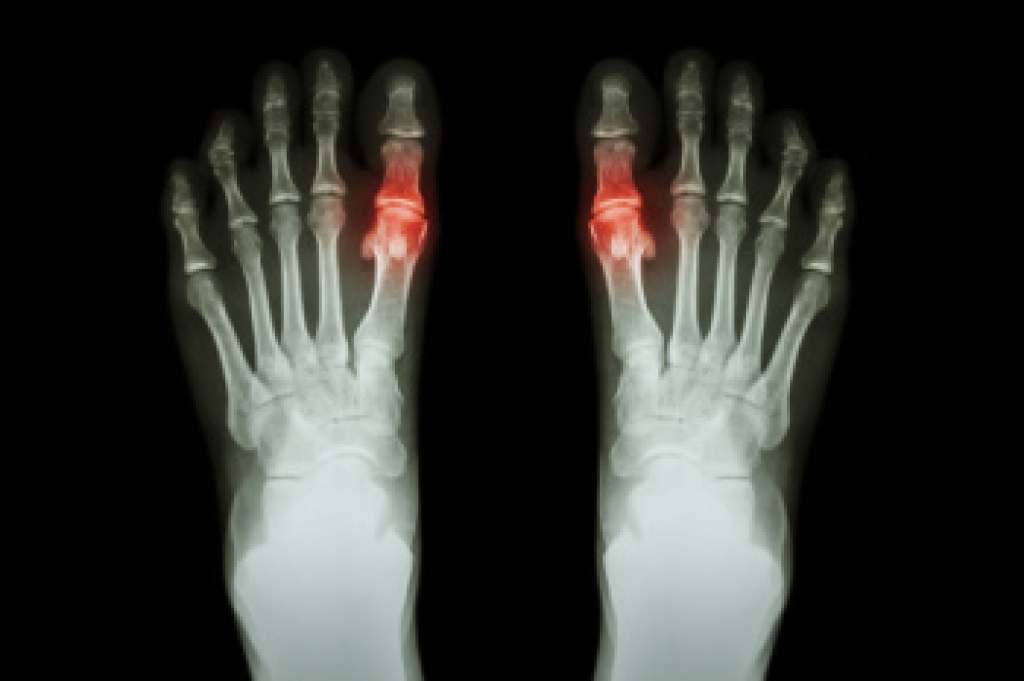
Gout is a form of arthritis caused by the buildup of uric acid crystals in the joints. This buildup occurs when the body produces too much uric acid or cannot effectively eliminate it. Risk factors for developing gout include a diet high in red meat and seafood, excessive alcohol consumption, and obesity. Certain medical conditions such as hypertension and diabetes also increase the likelihood of developing gout. Symptoms of gout often appear suddenly and include intense joint pain, redness, and swelling, typically in the big toe. The affected joint may feel warm and extremely tender to the touch. Gout attacks can be recurrent, leading to chronic pain and joint damage if left untreated. The pain from gout can be debilitating. If you have developed this condition, it is suggested that you consult a podiatrist who can offer you relief and prevention methods.

Gout is a painful condition that can be treated. If you are seeking treatment, contact Renee Rodriquez, DPM from Foot Clinic of South Texas. Our doctor will treat your foot and ankle needs.

What Is Gout?

Gout is a form of arthritis that is characterized by sudden, severe attacks of pain, redness, and tenderness in the joints. The condition usually affects the joint at the base of the big toe. A gout attack can occur at any random time, such as the middle of the night while you are asleep.

Symptoms

  • Intense Joint Pain - Usually around the large joint of your big toe, and it most severe within the first four to twelve hours
  • Lingering Discomfort - Joint discomfort may last from a few days to a few weeks
  • Inflammation and Redness -Affected joints may become swollen, tender, warm and red
  • Limited Range of Motion - May experience a decrease in joint mobility

Risk Factors

  • Genetics - If family members have gout, you’re more likely to have it
  • Medications - Diuretic medications can raise uric acid levels
  • Gender/Age - Gout is more common in men until the age of 60. It is believed that estrogen protects women until that point
  • Diet - Eating red meat and shellfish increases your risk
  • Alcohol - Having more than two alcoholic drinks per day increases your risk
  • Obesity - Obese people are at a higher risk for gout

Prior to visiting your podiatrist to receive treatment for gout, there are a few things you should do beforehand. If you have gout you should write down your symptoms--including when they started and how often you experience them, important medical information you may have, and any questions you may have. Writing down these three things will help your podiatrist in assessing your specific situation so that he or she may provide the best route of treatment for you.

If you have any questions, please feel free to contact our office located in Brownsville, TX . We offer the newest diagnostic and treatment technologies for all your foot care needs.

Read more about Everything You Need to Know About Gout

Common Causes of Heel Pain and Possible Relief Tactics

Heel pain is a frequent complaint that can significantly impact daily activities. One common cause is plantar fasciitis, which involves inflammation of the tissue that runs along the bottom of the foot, connecting the heel to the toes. Another cause is Achilles tendonitis, where the tendon connecting the calf muscles to the heel becomes irritated, often due to overuse or improper footwear. Heel spurs, which are bony growths on the heel bone, can also lead to pain and discomfort, especially during walking or standing for long periods. Conditions such as bursitis, arthritis, and nerve compression can contribute to heel pain as well. Addressing heel pain typically involves rest, wearing supportive footwear and possibly using orthotic shoe inserts. Stretching exercises can also provide relief. If you have heel pain, it is strongly suggested that you consult a podiatrist who can determine the cause and offer appropriate treatment solutions. 

Many people suffer from bouts of heel pain. For more information, contact Renee Rodriquez, DPM of Foot Clinic of South Texas. Our doctor can provide the care you need to keep you pain-free and on your feet.

Causes of Heel Pain

Heel pain is often associated with plantar fasciitis. The plantar fascia is a band of tissues that extends along the bottom of the foot. A rip or tear in this ligament can cause inflammation of the tissue.

Achilles tendonitis is another cause of heel pain. Inflammation of the Achilles tendon will cause pain from fractures and muscle tearing. Lack of flexibility is also another symptom.

Heel spurs are another cause of pain. When the tissues of the plantar fascia undergo a great deal of stress, it can lead to ligament separation from the heel bone, causing heel spurs.

Why Might Heel Pain Occur?

  • Wearing ill-fitting shoes                
  • Wearing non-supportive shoes
  • Weight change           
  • Excessive running

Treatments

Heel pain should be treated as soon as possible for immediate results. Keeping your feet in a stress-free environment will help. If you suffer from Achilles tendonitis or plantar fasciitis, applying ice will reduce the swelling. Stretching before an exercise like running will help the muscles. Using all these tips will help make heel pain a condition of the past.

If you have any questions, please feel free to contact our office located in Brownsville, TX . We offer the newest diagnostic and treatment technologies for all your foot care needs.

Read more about Heel Pain

Various Reasons for Foot Pain

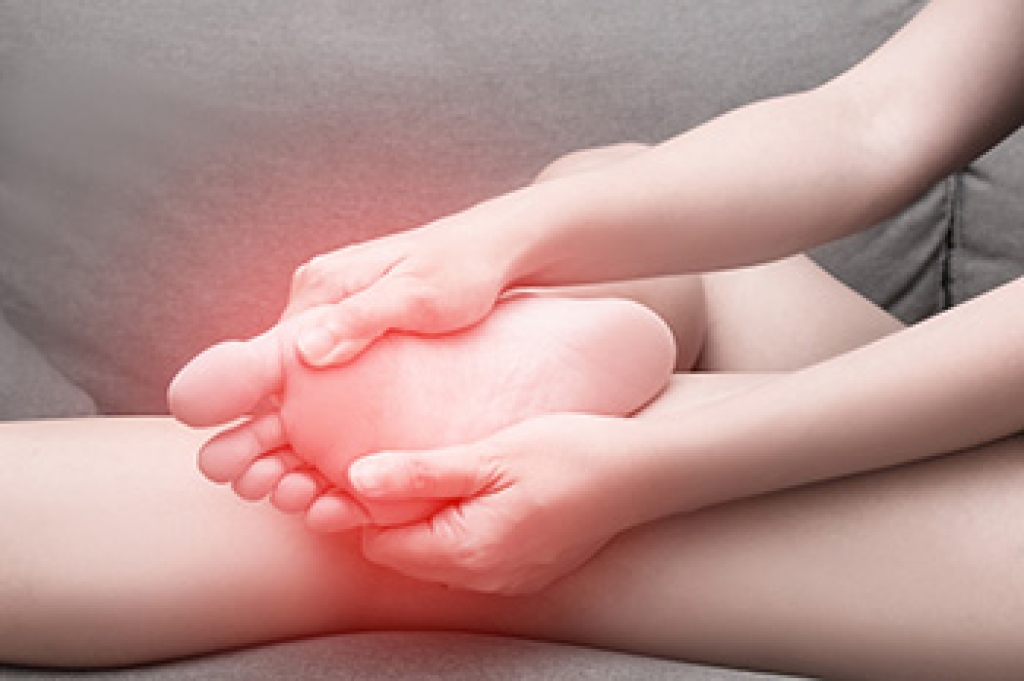
Sharp heel pain and general foot pain can result from several conditions. Plantar fasciitis, a common cause, is characterized by inflammation of the thick band of tissue running along the bottom of the foot. Bursitis, the inflammation of fluid-filled sacs that cushion the bones, can also lead to significant foot pain. Gout, a form of arthritis resulting from the accumulation of uric acid crystals, often causes sudden and intense discomfort in the big toe or ankle. Tarsal tunnel syndrome, involving compression of the tibial nerve, can create sharp, tingling pain extending into the arch. Additionally, heel spurs, which are bony growths on the underside of the heel, can cause stabbing pain, especially while walking or standing. If you have any type of foot pain, it is suggested that you consult a podiatrist who can determine the cause and offer treatment options.

Foot Pain

Foot pain can be extremely painful and debilitating. If you have a foot pain, consult with Renee Rodriquez, DPM from Foot Clinic of South Texas. Our doctor will assess your condition and provide you with quality foot and ankle treatment.

Causes

Foot pain is a very broad condition that could be caused by one or more ailments. The most common include:

  • Bunions
  • Hammertoes
  • Plantar Fasciitis
  • Bone Spurs
  • Corns
  • Tarsal Tunnel Syndrome
  • Ingrown Toenails
  • Arthritis (such as Gout, Rheumatoid, and Osteoarthritis)
  • Flat Feet
  • Injury (from stress fractures, broken toe, foot, ankle, Achilles tendon ruptures, and sprains)
  • And more

Diagnosis

To figure out the cause of foot pain, podiatrists utilize several different methods. This can range from simple visual inspections and sensation tests to X-rays and MRI scans. Prior medical history, family medical history, and any recent physical traumatic events will all be taken into consideration for a proper diagnosis.

Treatment

Treatment depends upon the cause of the foot pain. Whether it is resting, staying off the foot, or having surgery; podiatrists have a number of treatment options available for foot pain.

If you have any questions, please feel free to contact our office located in Brownsville, TX . We offer the newest diagnostic and treatment technologies for all your foot care needs.

Read more about Foot Pain

Connect With Us

Request Appointment Patient Portal