Swollen Feet and the Role of Edema

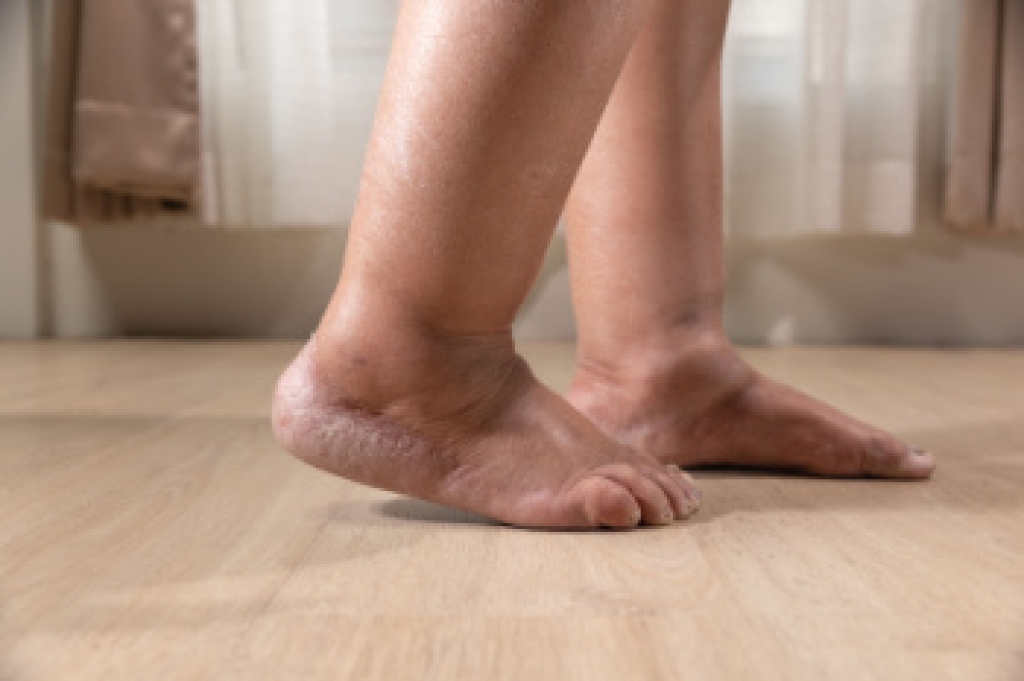
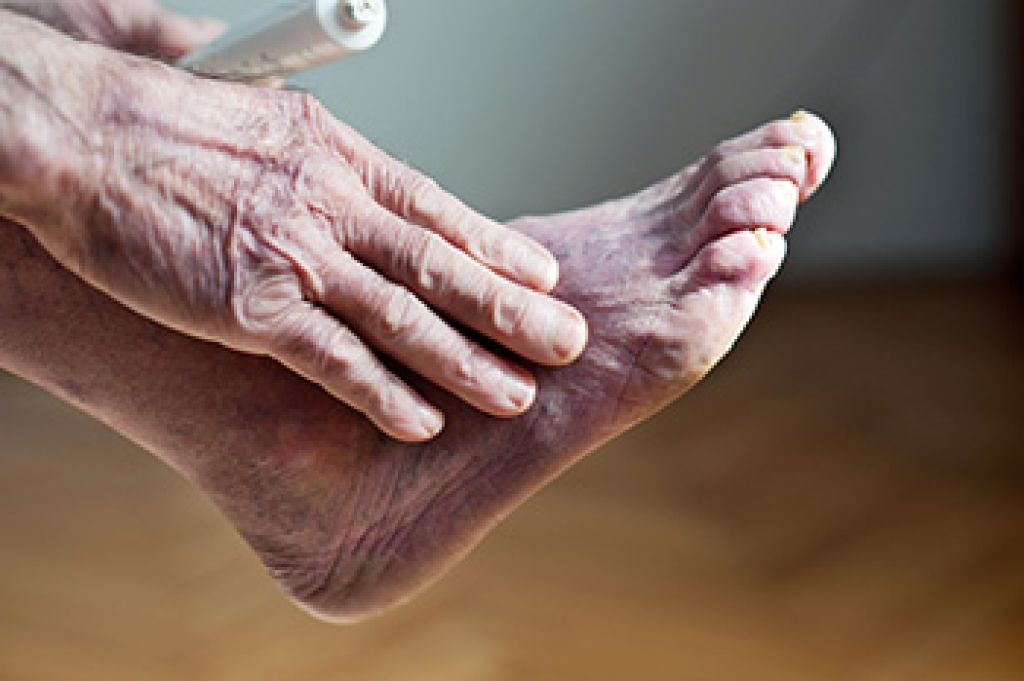
Swollen feet are a common concern and can result from a variety of underlying causes. One frequent cause is edema, which is the accumulation of fluid in the tissues. This may occur due to prolonged standing or sitting, particularly in warm weather or during travel. Medical conditions such as heart, kidney, or liver disease can also contribute to fluid retention. Injury, infection, or inflammation in the feet or ankles may lead to localized swelling. Certain medications, including those for blood pressure or diabetes, may have side effects that include swelling. Pregnancy can also cause fluid buildup due to hormonal changes and increased pressure on the veins. Identifying the cause of swelling is important for effective treatment. Swollen feet can be uncomfortable, and may signify health issues. If you have this condition, it is suggested that you contact a podiatrist who can determine if it is from an underlying health issue, and offer effective treatment solutions.

Swollen feet can be a sign of an underlying condition. If you have any concerns, contact Renee Rodriquez, DPM of Foot Clinic of South Texas. Our doctor can provide the care you need to keep you pain-free and on your feet.

Swollen feet are a common ailment among pregnant women and people who stand or sit for extended periods. Aging may increase the possibility of swollen feet and patients who are obese often notice when their feet are swelling too. There may be medical reasons why swollen feet occur:

  • Phlebitis - A condition that causes the veins to become inflamed and can also cause leg pain.
  • Liver disease - This may lead to low blood levels of albumin which is a protein. This can cause fluid in the blood to pass into the tissues and several areas of the body can become swollen.
  • Heart failure - When the heart doesn’t pump properly the blood that is normally pumped back to the heart can pool in the veins of the legs causing swollen feet.
  • Kidney disease - One of the main functions of the kidneys is releasing excess fluid in the body. This type of condition can make it difficult for the kidneys to function properly, and as a result the feet may become swollen.
  • Deep-vein thrombosis (DVT)- This is a serious condition where blood clots form in the veins of the legs. They can block the return of blood from the legs to the heart which may cause the feet to swell. It is important to be treated by a podiatrist if this condition is present.

Swollen feet can also be caused by bone and tendon conditions, including fractures, arthritis, and tendinitis. Additionally, there may be skin and toenail conditions and an infection may cause the feet to swell. Patients who take medicine to treat high blood pressure may be prone to getting swollen feet. 

Many patients elevate their feet to help relieve the swelling and this is generally a temporary remedy. When a podiatrist is consulted the reason behind the swelling can be uncovered and subsequently treated.

If you have any questions please contact our office located in Brownsville, TX . We offer the newest diagnostic and treatment technologies for all your foot and ankle needs.
Read more about Swelling of the Feet

Ways Running Can Lead to Foot Pain

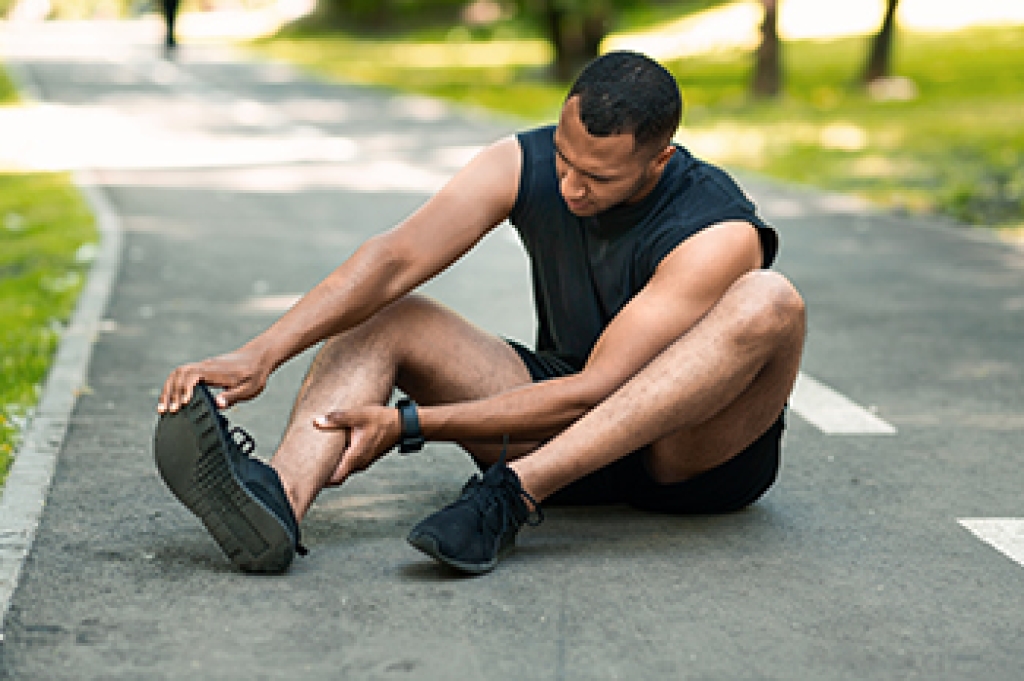
Running places repeated stress on the foot, often causing pain in the hindfoot, midfoot, or forefoot. Each section plays a vital role in absorbing shock and propelling the body forward. Foot pain from running may arise from overuse, improper footwear, or biomechanical imbalances. Hindfoot discomfort often involves the heel or Achilles tendon, while midfoot pain can result from stress to the arch or ligaments. Forefoot pain is commonly linked to conditions like metatarsalgia or neuromas. Sprains and fractures may also occur from repetitive impact or uneven terrain. Sports injuries are common, especially when training is intense or form is poor. If you like to run and are experiencing foot pain, it is suggested that you contact a podiatrist who can offer appropriate treatment solutions that can get you back to enjoying this sport.

Ankle and foot injuries are common among athletes and in many sports. They can be caused by several problems and may be potentially serious. If you are feeling pain or think you were injured in a sporting event or when exercising, consult with Renee Rodriquez, DPM from Foot Clinic of South Texas. Our doctor will assess your condition and provide you with quality foot and ankle treatment.

Common Injuries

The most common injuries that occur in sporting activities include:

  • Achilles Tendonitis
  • Achilles Tendon Rupture
  • Ankle Sprains
  • Broken Foot
  • Plantar Fasciitis
  • Stress Fractures
  • Turf Toe

Symptoms

Symptoms vary depending upon the injury and in some cases, there may be no symptoms at all. However, in most cases, some form of symptom is experienced. Pain, aching, burning, bruising, tenderness, tightness or stiffness, sensation loss, difficulty moving, and swelling are the most common symptoms.

Treatment

Just as symptoms vary depending upon the injury, so do treatment options. A common treatment method is known as the RICE method. This method involves rest, applying ice, compression and elevating the afflicted foot or ankle. If the injury appears to be more serious, surgery might be required, such as arthroscopic or reconstructive surgery. Lastly, rehabilitation or therapy might be needed to gain full functionality in the afflicted area. Any discomfort experienced by an athlete must be evaluated by a licensed, reputable medical professional.  

If you have any questions please contact our office located in Brownsville, TX . We offer the newest diagnostic and treatment technologies for all your foot and ankle needs.
Read more about Sports Related Foot and Ankle Injuries

Measuring Your Foot for the Right Shoe Size

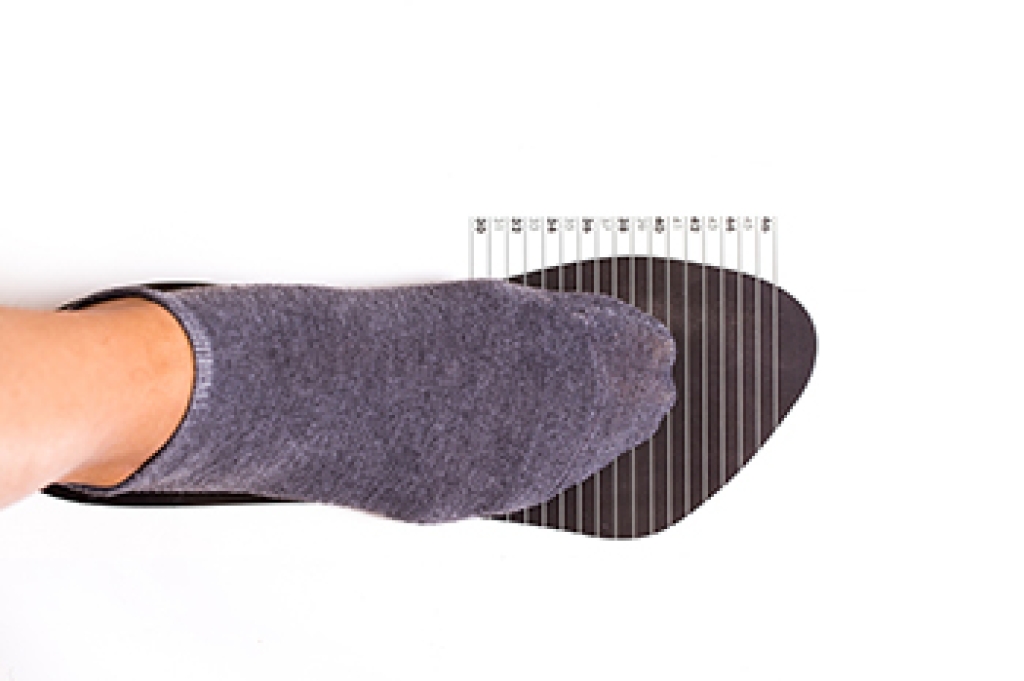
Finding the proper shoe size is important for comfort and foot health. A simple way to measure at home begins by placing your foot flat on a piece of paper while standing. Carefully trace around the outline of your foot to capture its natural shape. Use a ruler to measure from the heel to the longest toe to determine the length. Then measure across the widest part of your foot to find the width. These measurements can help guide your shoe selection, but having your feet professionally measured at a store often provides more accurate results. Feet can change in size over time, so it is helpful to check measurements regularly. Wearing the right size helps prevent discomfort and supports healthy movement throughout the day. If you have developed foot pain from wearing shoes that do not fit correctly, it is suggested that you consult a podiatrist who can offer effective relief tips, and provide more guidance on how to obtain your right shoe size.

It is important to find shoes that fit you properly in order to avoid a variety of different foot problems. For more information about treatment, contact Renee Rodriquez, DPM from Foot Clinic of South Texas. Our doctor will treat your foot and ankle needs.

Proper Shoe Fitting

Shoes have many different functions. They cushion our body weight, protect our feet, and allow us to safely play sports. You should always make sure that the shoes you wear fit you properly in order to avoid injuries and deformities such as: bunions, corns, calluses, hammertoes, plantar fasciitis, stress fractures, and more. It is important to note that although a certain pair of shoes might be a great fit for someone else, that doesn’t mean they will be a great fit for you. This is why you should always try on shoes before buying them to make sure they are worth the investment. Typically, shoes need to be replaced ever six months to one year of regular use.

Tips for Proper Shoe Fitting

  • Select a shoe that is shaped like your foot
  • Don’t buy shoes that fit too tight, expecting them to stretch to fit
  • Make sure there is enough space (3/8” to ½”) for your longest toe at the end of each shoe when you are standing up
  • Walk in the shoes to make sure they fit and feel right
  • Don’t select shoes by the size marked inside the shoe, but by how the shoe fits your foot

The shoes you buy should always feel as good as they look. Shoes that fit properly will last longer, feel better, and improve your way of life each day.

If you have any questions please contact our office located in Brownsville, TX . We offer the newest diagnostic and treatment technologies for all your foot and ankle needs.

Read more about How to Get a Proper Shoe Fit

Signs of Poor Circulation in the Feet

Poor circulation in the feet may signal an underlying medical condition that limits blood flow to the lower extremities. This issue is often seen in people with diabetes, high blood pressure, or peripheral artery disease. Symptoms of poor circulation may include cold feet, numbness, slow-healing wounds, skin discoloration, or a diminished pulse in the feet or ankles. In severe cases, poor circulation may cause muscle cramps, skin ulcers, or tissue damage due to reduced oxygen delivery. A podiatrist can perform a thorough vascular assessment and may recommend diagnostic imaging to evaluate blood flow in the feet and ankles. Medical treatment may involve prescription medication to reduce clotting, or lower cholesterol and blood pressure. In cases where arteries are blocked, surgery may be considered to restore blood flow. Addressing the root cause early can prevent serious complications like infection or gangrene. A podiatrist can also monitor your foot health over time to reduce the risk of long-term damage. If you have symptoms of poor circulation in the feet, it is suggested that you schedule an appointment with a podiatrist for an exam and appropriate treatment options.

Poor circulation is a serious condition and needs immediate medical attention. If you have any concerns with poor circulation in your feet contact Renee Rodriquez, DPM of Foot Clinic of South Texas. Our doctor will treat your foot and ankle needs.

Poor Circulation in the Feet

Poor blood circulation in the feet and legs is can be caused by peripheral artery disease (PAD), which is the result of a buildup of plaque in the arteries.

Plaque buildup or atherosclerosis results from excess calcium and cholesterol in the bloodstream. This can restrict the amount of blood which can flow through the arteries. Poor blood circulation in the feet and legs are sometimes caused by inflammation in the blood vessels, known as vasculitis.

Causes

Lack of oxygen and oxygen from poor blood circulation restricts muscle growth and development. It can also cause:

  • Muscle pain, stiffness, or weakness 
  • Numbness or cramping in the legs
  • Skin discoloration
  • Slower nail & hair growth
  • Erectile dysfunction

Those who have diabetes or smoke are at greatest risk for poor circulation, as are those who are over 50. If you have poor circulation in the feet and legs it may be caused by PAD and is important to make changes to your lifestyle in order to reduce risk of getting a heart attack or stroke. Exercise and maintaining a healthy lifestyle will dramatically improve conditions.

As always, see a podiatrist as he or she will assist in finding a regimen that suits you. A podiatrist can also prescribe you any needed medication. 

If you have any questions, please feel free to contact our office located in Brownsville, TX . We offer the newest diagnostic and treatment technologies for all your foot care needs.

Read more about Causes, Symptoms, and Treatment of Poor Blood Circulation in the Feet

Heel Pain Can Be Treated!

Do you suffer from heel pain when you get up in the morning? If so, you should seek professional help and have a proper diagnosis performed. Heel pain can be caused by several different foot-related conditions.

Causes and Treatment of Pressure Ulcers

Pressure ulcers, also called bedsores, can develop on the feet, heels, or toes when constant pressure or shear forces restrict blood flow to the skin and underlying tissues. This often happens when people are confined to bed, use wheelchairs for long periods, or cannot move certain parts of their body. Shear forces, which occur when the skin moves in one direction while the bone moves in another can stretch or tear small blood vessels. Friction and moisture further weaken the skin, making ulcers more likely to develop. Older adults, people with foot deformities, poor circulation, or diabetes and kidney disease are more prone to developing these ulcers. A podiatrist can evaluate the depth and severity of the pressure ulcer and help manage it through proper wound care, debridement to remove dead tissue, and dressing selection. If you are suffering from painful pressure ulcers, it is suggested that you schedule an appointment with a podiatrist for a diagnosis and appropriate treatment.

Wound care is an important part in dealing with diabetes. If you have diabetes and a foot wound or would like more information about wound care for diabetics, consult with Renee Rodriquez, DPM from Foot Clinic of South Texas. Our doctor will assess your condition and provide you with quality foot and ankle treatment.

What Is Wound Care?

Wound care is the practice of taking proper care of a wound. This can range from the smallest to the largest of wounds. While everyone can benefit from proper wound care, it is much more important for diabetics. Diabetics often suffer from poor blood circulation which causes wounds to heal much slower than they would in a non-diabetic. 

What Is the Importance of Wound Care?

While it may not seem apparent with small ulcers on the foot, for diabetics, any size ulcer can become infected. Diabetics often also suffer from neuropathy, or nerve loss. This means they might not even feel when they have an ulcer on their foot. If the wound becomes severely infected, amputation may be necessary. Therefore, it is of the upmost importance to properly care for any and all foot wounds.

How to Care for Wounds

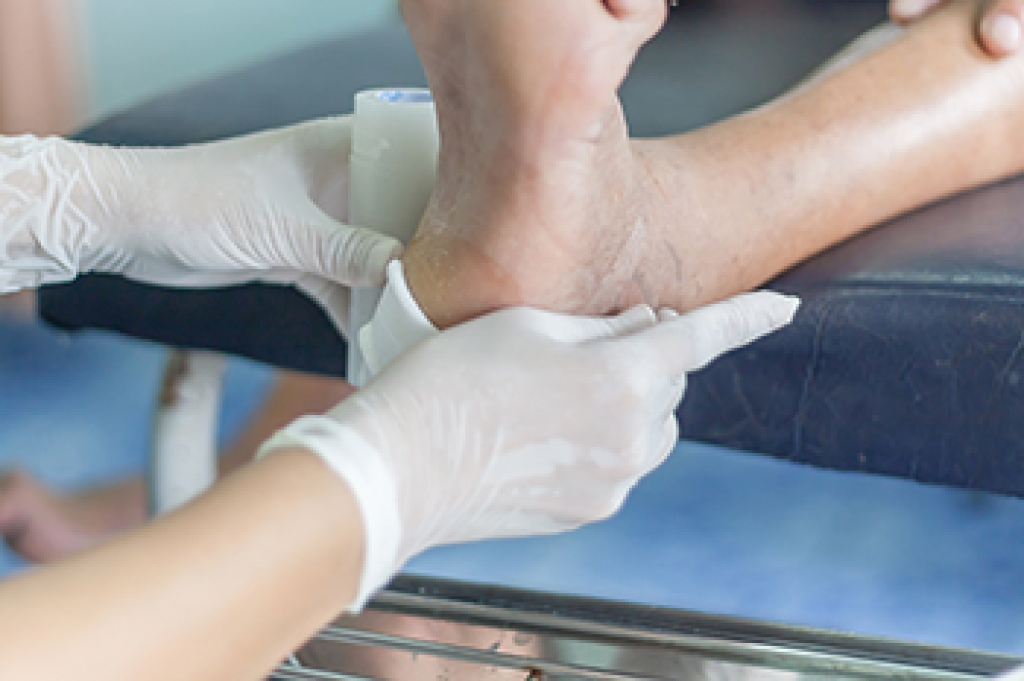
The best way to care for foot wounds is to prevent them. For diabetics, this means daily inspections of the feet for any signs of abnormalities or ulcers. It is also recommended to see a podiatrist several times a year for a foot inspection. If you do have an ulcer, run the wound under water to clear dirt from the wound; then apply antibiotic ointment to the wound and cover with a bandage. Bandages should be changed daily and keeping pressure off the wound is smart. It is advised to see a podiatrist, who can keep an eye on it.

If you have any questions please contact our office located in Brownsville, TX . We offer the newest diagnostic and treatment technologies for all your foot and ankle needs.
Read more about Wound Care

Definition and Early Signs of Gout

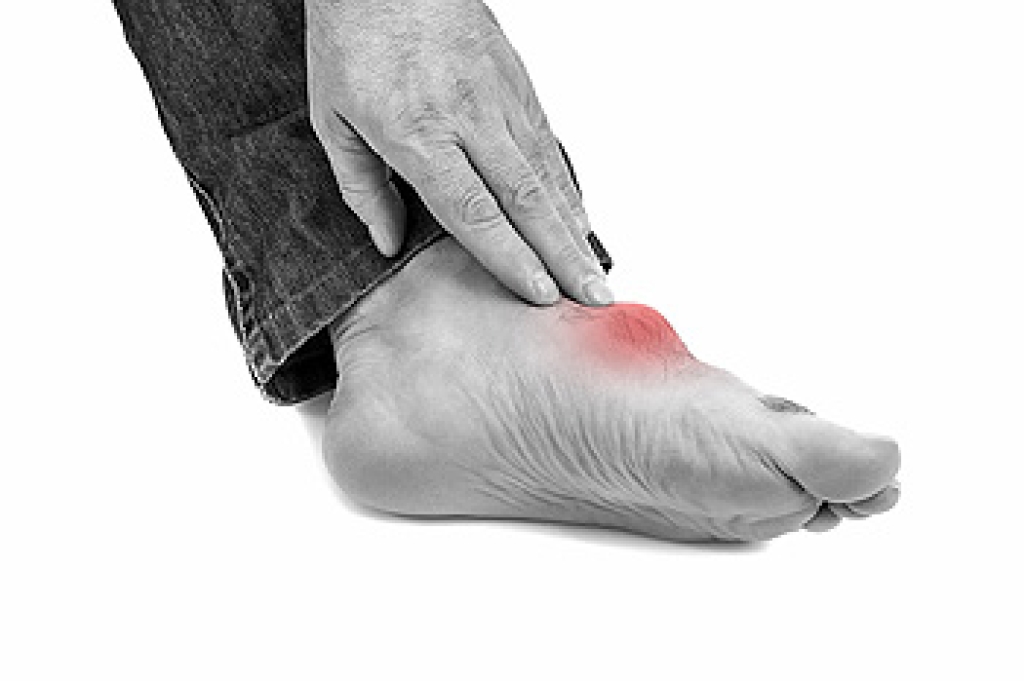
Gout is a form of inflammatory arthritis that develops when uric acid builds up in the blood and forms sharp crystals in the joints. The big toe is one of the most common locations for a gout attack due to its lower temperature and reduced circulation compared to other areas. Early signs of gout often begin suddenly and may include intense pain, swelling, redness, and warmth in the affected toe. The joint may become extremely tender, making it difficult to walk or wear shoes. These symptoms often appear during the night and can worsen quickly. Gout can be extremely painful, and may cause difficulty in completing daily activities. If you have symptoms of this condition, it is strongly suggested that you are under the care of a podiatrist who can offer you relief, management and prevention tips.

Gout is a painful condition that can be treated. If you are seeking treatment, contact Renee Rodriquez, DPM from Foot Clinic of South Texas. Our doctor will treat your foot and ankle needs.

What Is Gout?

Gout is a form of arthritis that is characterized by sudden, severe attacks of pain, redness, and tenderness in the joints. The condition usually affects the joint at the base of the big toe. A gout attack can occur at any random time, such as the middle of the night while you are asleep.

Symptoms

  • Intense Joint Pain - Usually around the large joint of your big toe, and it most severe within the first four to twelve hours
  • Lingering Discomfort - Joint discomfort may last from a few days to a few weeks
  • Inflammation and Redness -Affected joints may become swollen, tender, warm and red
  • Limited Range of Motion - May experience a decrease in joint mobility

Risk Factors

  • Genetics - If family members have gout, you’re more likely to have it
  • Medications - Diuretic medications can raise uric acid levels
  • Gender/Age - Gout is more common in men until the age of 60. It is believed that estrogen protects women until that point
  • Diet - Eating red meat and shellfish increases your risk
  • Alcohol - Having more than two alcoholic drinks per day increases your risk
  • Obesity - Obese people are at a higher risk for gout

Prior to visiting your podiatrist to receive treatment for gout, there are a few things you should do beforehand. If you have gout you should write down your symptoms--including when they started and how often you experience them, important medical information you may have, and any questions you may have. Writing down these three things will help your podiatrist in assessing your specific situation so that he or she may provide the best route of treatment for you.

If you have any questions, please feel free to contact our office located in Brownsville, TX . We offer the newest diagnostic and treatment technologies for all your foot care needs.

Read more about Everything You Need to Know About Gout

Causes and Treatment of Cracked Heels

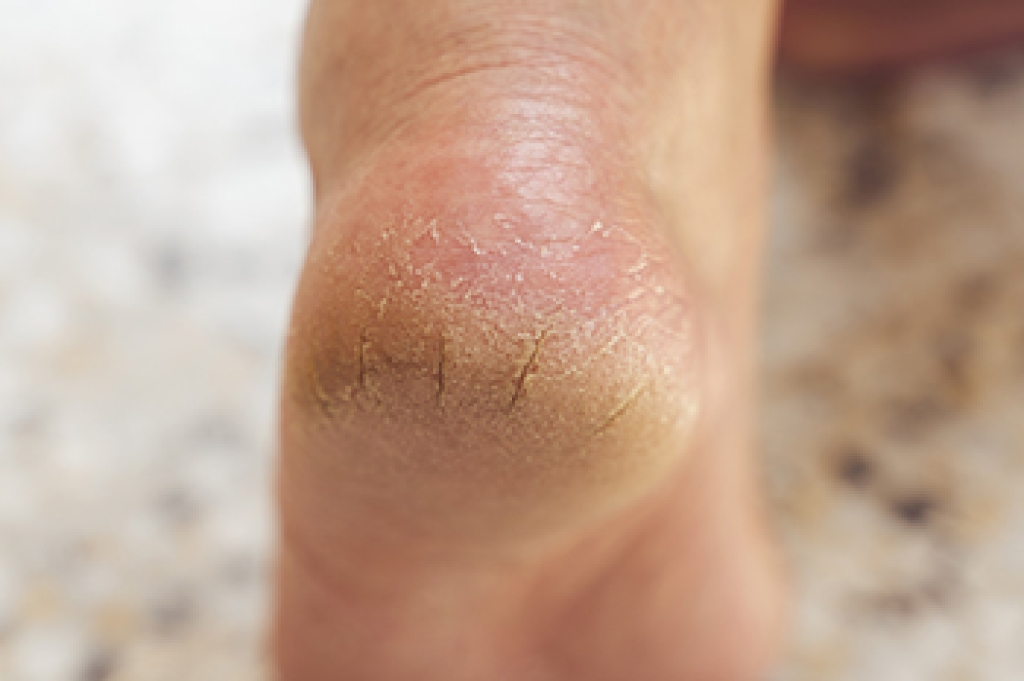
Cracked heels, or heel fissures, occur when the skin on the bottom of the feet becomes excessively dry and splits under pressure. Initially, these cracks may be superficial, causing minimal discomfort. However, without proper care, heel fissures can deepen, leading to pain, bleeding, and an increased risk of infection. Factors contributing to cracked heels include prolonged standing, wearing open-back shoes, walking barefoot, obesity, and medical conditions such as diabetes. Symptoms often involve discomfort while standing or walking, itching, and visible flaking of the skin. To address this issue, a podiatrist can remove thickened skin, apply dressings to minimize skin movement, and recommend appropriate footwear to alleviate pressure on the heels. If you have painful heel fissures, it is suggested that you schedule an appointment with a podiatrist for an exam and appropirate treatment.​

Cracked heels are unsightly and can cause further damage to your shoes and feet. If you have any concerns, contact Renee Rodriquez, DPM from Foot Clinic of South Texas. Our doctor can provide the care you need to keep you pain-free and on your feet.

Cracked Heels

Cracked heels appear unappealing and can make it harder for you walk around in sandals. Aside from looking unpleasant, cracked heels can also tear stockings, socks, and wear out your shoes. There are several methods to help restore a cracked heel and prevent further damage.

How Do You Get Them?

Dry skin is the number one culprit in creating cracked heels. Many athletes, walkers, joggers, and even swimmers suffer from cracked heels. Age and skin oil production play a role to getting cracked heels as well.

Promote Healing

Over the counter medicines can help, especially for those that need instant relief or who suffer from chronic dry feet.

Wear Socks – Wearing socks with medicated creams helps lock in moisture.

Moisturizers – Applying both day and night will help alleviate dryness which causes cracking.

Pumice Stones – These exfoliate and remove dead skin, which allows for smoother moisturizer application and better absorption into the skin. 

Change in Diet

Eating healthy with a well-balanced diet will give the skin a fresh and radiant look. Your body responds to the kinds of food you ingest. Omega-3 fatty acids and zinc supplements can also revitalize skin tissue.

Most importantly, seek professional help if unsure how to proceed in treating cracked heels. A podiatrist will help you with any questions or information needed. 

If you have any questions, please feel free to contact our office located in Brownsville, TX . We offer the newest diagnostic and treatment technologies for all your foot care needs.

Read more about Solutions for Cracked Heels

Choosing Baby’s First Shoes

Selecting the right shoes for a baby is essential for their comfort and foot development. The best time to introduce shoes is when the baby begins to walk outdoors, as they need protection from rough surfaces. Soft, flexible materials such as leather or breathable mesh allow natural movement and keep the feet comfortable. A proper fit is important to prevent discomfort, so shoes should have enough room for growth without being too loose. Supportive soles with a slight grip provide stability while allowing natural foot motion. Additionally, easy-to-fasten closures help keep the shoes secure while making them simple to put on and take off. It is vital that your child wears shoes that fit correctly while walking outside. If you would like more information or have questions about specific types of babies first shoes, it is suggested that you consult a podiatrist who can provide you with the knowledge you are seeking.

Making sure that your children maintain good foot health is very important as they grow. If you have any questions, contact Renee Rodriquez, DPM of Foot Clinic of South Texas. Our doctor can provide the care you need to keep you pain-free and on your feet.

Keeping Children's Feet Healthy

Having healthy feet during childhood can help prevent medical problems later in life, namely in the back and legs. As children grow, their feet require different types of care. Here are some things to consider...

Although babies do not walk yet, it is still very important to take care of their feet.

Avoid putting tight shoes or socks on his or her feet.

Allow the baby to stretch and kick his or her feet to feel comfortable.

As a toddler, kids are now on the move and begin to develop differently. At this age, toddlers are getting a feel for walking, so don’t be alarmed if your toddler is unsteady or ‘walks funny’. 

As your child gets older, it is important to teach them how to take care of their feet.

Show them proper hygiene to prevent infections such as fungus.

Be watchful for any pain or injury.

Have all injuries checked by a doctor as soon as possible.

Comfortable, protective shoes should always be worn, especially at play.

If you have any questions, please feel free to contact our office located in Brownsville, TX . We offer the newest diagnostic and treatment technologies for all your foot care needs.

Read more about What to Do to Keep Your Child’s Feet Healthy

Heel Pain in the Morning?

Heel pain can negatively affect your day-to-day life. Simple activities like walking can become incredibly uncomfortable or painful due to heel pain.

Don’t live with heel pain and get treated.

Connect With Us

Request Appointment Patient Portal