Understanding the Importance of Pronation

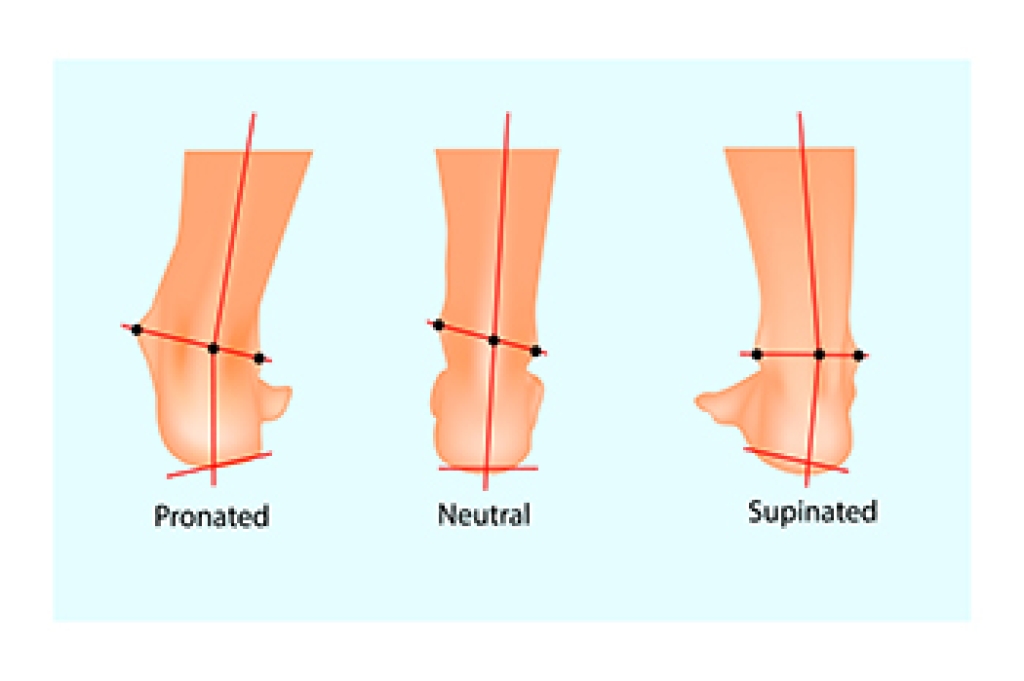
Pronation is the natural motion your foot makes as it rolls inward when walking or running, helping to absorb shock and distribute weight evenly. In neutral pronation, the heel strikes the ground first, the arch lowers slightly to cushion impact, and weight is smoothly transferred forward to push off the toes. This balanced motion keeps the feet and ankles aligned, supporting efficient movement. When overpronation occurs, the foot rolls too far inward, often placing excess strain on the arch, heel, and big toe. This can lead to plantar fasciitis or arch pain. Underpronation, also called supination, means the foot rolls outward with each step. This can increase stress on the smaller toes and outer edge of the foot. Both abnormal patterns may contribute to ankle instability, repetitive injuries, or uneven wear on the feet. A podiatrist can evaluate your gait, identify pronation issues, and recommend proper treatment. If you are experiencing foot pain that may be linked to your gait, it is suggested that you make an appointment with a podiatrist for a diagnosis and treatment.

If you have any concerns about your feet, contact Renee Rodriquez, DPM from Foot Clinic of South Texas. Our doctor can provide the care you need to keep you pain-free and on your feet.

Biomechanics in Podiatry

Podiatric biomechanics is a particular sector of specialty podiatry with licensed practitioners who are trained to diagnose and treat conditions affecting the foot, ankle and lower leg. Biomechanics deals with the forces that act against the body, causing an interference with the biological structures. It focuses on the movement of the ankle, the foot and the forces that interact with them.

A History of Biomechanics

  • Biomechanics dates back to the BC era in Egypt where evidence of professional foot care has been recorded.
  • In 1974, biomechanics gained a higher profile from the studies of Merton Root, who claimed that by changing or controlling the forces between the ankle and the foot, corrections or conditions could be implemented to gain strength and coordination in the area.

Modern technological improvements are based on past theories and therapeutic processes that provide a better understanding of podiatric concepts for biomechanics. Computers can provide accurate information about the forces and patterns of the feet and lower legs.

Understanding biomechanics of the feet can help improve and eliminate pain, stopping further stress to the foot.

If you have any questions please feel free to contact our office located in Brownsville, TX . We offer the newest diagnostic and treatment technologies for all your foot and ankle needs.
Read more about Biomechanics in Podiatry

We Can Treat Your Foot or Ankle Pain

Foot or ankle pain can negatively affect your day-to-day life and can occur due to several different conditions. Pain can also be an indicator of a more serious underlying condition, which is why you should seek professional help as soon as you notice any abnormalities in your feet.

Causes of Poor Foot Circulation

Poor circulation in the feet occurs when blood flow is reduced, preventing tissues from receiving enough oxygen and nutrients. This condition can lead to discomfort and complications, if left untreated. Causes include peripheral artery disease, diabetes, smoking, and sitting for long periods of time. Symptoms may involve numbness, tingling, cold feet, swelling, or slow healing wounds. Risk factors include age, high cholesterol, obesity, and a sedentary lifestyle. A podiatrist can evaluate circulation, identify underlying issues, and recommend treatments such as lifestyle changes, footwear guidance, or medical treatments to improve blood flow. If you are experiencing signs of poor circulation in your feet, it is suggested that you consult a podiatrist who can help you to manage this condition.

While poor circulation itself isn’t a condition; it is a symptom of another underlying health condition you may have. If you have any concerns with poor circulation in your feet contact Renee Rodriquez, DPM of Foot Clinic of South Texas. Our doctor will treat your foot and ankle needs.

Poor Circulation in the Feet

Peripheral artery disease (PAD) can potentially lead to poor circulation in the lower extremities. PAD is a condition that causes the blood vessels and arteries to narrow. In a linked condition called atherosclerosis, the arteries stiffen up due to a buildup of plaque in the arteries and blood vessels. These two conditions can cause a decrease in the amount of blood that flows to your extremities, therefore resulting in pain.

Symptoms

Some of the most common symptoms of poor circulation are:

  • Numbness
  • Tingling
  • Throbbing or stinging pain in limbs
  • Pain
  • Muscle Cramps

Treatment for poor circulation often depends on the underlying condition that causes it. Methods for treatment may include insulin for diabetes, special exercise programs, surgery for varicose veins, or compression socks for swollen legs.

As always, see a podiatrist as he or she will assist in finding a regimen that suits you. A podiatrist can also prescribe you any needed medication. 

If you have any questions, please feel free to contact our office located in Brownsville, TX . We offer the newest diagnostic and treatment technologies for all your foot care needs.

Read more about Causes Symptoms and Treatment for Poor Circulation in the Feet

Burning Feet and How a Podiatrist Can Help

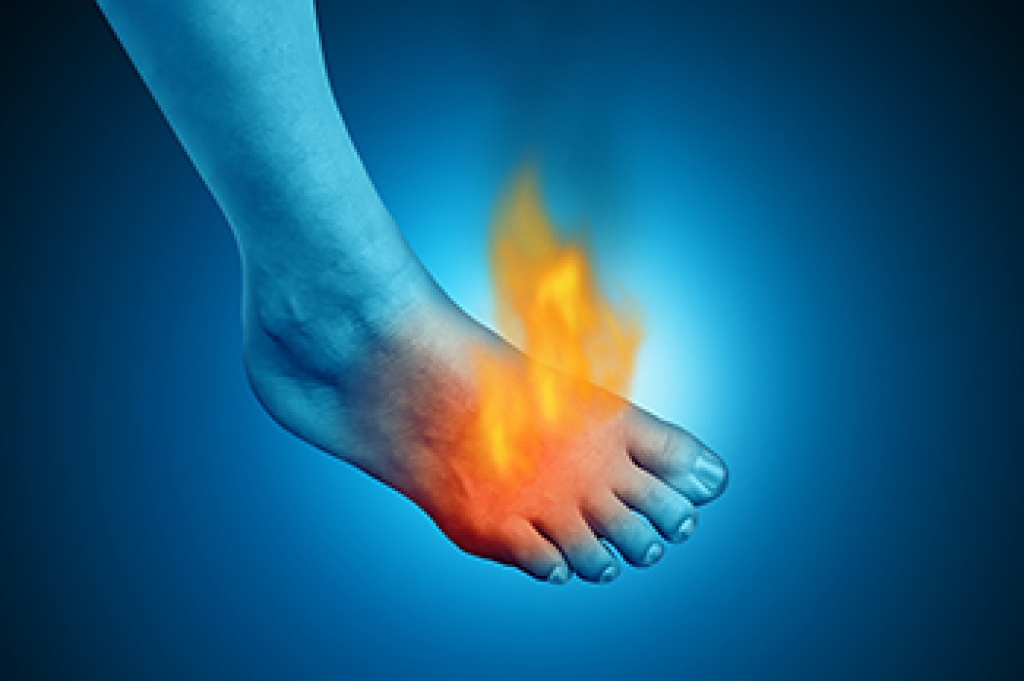
Burning feet is a sensation of heat, tingling, or discomfort that can affect daily life. It may result from nerve damage, diabetes and small fiber neuropathy. Alcohol abuse and or complex regional pain syndrome, which can occur after an accident or surgery, are other causes. These conditions can impair nerve function that leads to persistent or worsening symptoms. A podiatrist can perform a thorough evaluation to determine the cause, using diagnostic tests and medical history to guide treatment. Management may include addressing underlying conditions, improving circulation, and recommending specialized footwear or orthotics. If you have persistent burning in your feet, it is suggested that you consult a podiatrist who can provide a proper diagnosis and offer effective relief and management tips.

Foot Pain

Foot pain can be extremely painful and debilitating. If you have a foot pain, consult with Renee Rodriquez, DPM from Foot Clinic of South Texas. Our doctor will assess your condition and provide you with quality foot and ankle treatment.

Causes

Foot pain is a very broad condition that could be caused by one or more ailments. The most common include:

  • Bunions
  • Hammertoes
  • Plantar Fasciitis
  • Bone Spurs
  • Corns
  • Tarsal Tunnel Syndrome
  • Ingrown Toenails
  • Arthritis (such as Gout, Rheumatoid, and Osteoarthritis)
  • Flat Feet
  • Injury (from stress fractures, broken toe, foot, ankle, Achilles tendon ruptures, and sprains)
  • And more

Diagnosis

To figure out the cause of foot pain, podiatrists utilize several different methods. This can range from simple visual inspections and sensation tests to X-rays and MRI scans. Prior medical history, family medical history, and any recent physical traumatic events will all be taken into consideration for a proper diagnosis.

Treatment

Treatment depends upon the cause of the foot pain. Whether it is resting, staying off the foot, or having surgery; podiatrists have a number of treatment options available for foot pain.

If you have any questions, please feel free to contact our office located in Brownsville, TX . We offer the newest diagnostic and treatment technologies for all your foot care needs.

Read more about Foot Pain

Walking Versus Running Shoes and Choosing the Right Fit for Your Feet

Walking and running shoes may look similar, but they serve different purposes and offer unique features. Running shoes typically provide more cushioning to absorb greater impact and often have a higher heel drop to support forward motion. Walking shoes have firmer soles for stability and even weight distribution. Durability also varies, as running shoes are designed to withstand repetitive, high-impact forces. Wearing the wrong type can lead to discomfort or injury. A podiatrist can assess your gait, foot structure, and activity level to recommend the most suitable footwear or custom orthotics. If you have sustained a foot injury from wearing the wrong type of shoes, it is suggested that you consult a podiatrist who can treat various foot injuries and guide you on the proper shoes to wear for your desired walking or running style.

For more information about walking shoes versus running shoes, consult with Renee Rodriquez, DPM from Foot Clinic of South Texas. Our doctor can measure your feet to determine what your needs are and help you find an appropriate pair of footwear.

Foot Health: The Differences between Walking & Running Shoes

There are great ways to stay in shape: running and walking are two great exercises to a healthy lifestyle. It is important to know that running shoes and walking shoes are not interchangeable. There is a key difference on how the feet hit the ground when someone is running or walking. This is why one should be aware that a shoe is designed differently for each activity.

You may be asking yourself what the real differences are between walking and running shoes and the answers may shock you.

Differences

Walking doesn’t involve as much stress or impact on the feet as running does. However, this doesn’t mean that you should be any less prepared. When you’re walking, you land on your heels and have your foot roll forward. This rolling motion requires additional support to the feet.

Flexibility – Walking shoes are designed to have soft, flexible soles. This allows the walker to push off easily with each step.

If you have any questions, please feel free to contact our office located in Brownsville, TX . We offer the newest diagnostic and treatment technologies for all your foot care needs.

Read more about Walking Shoes vs. Running Shoes

Connect With Us

Request Appointment Patient Portal