
How Being Overweight Affects the Feet

Studies show that carrying extra weight puts a significant amount of pressure on the feet, leading to various issues. For instance, overweight individuals are more likely to experience general foot pain and especially discomfort in the bottom of the heels when walking. Additionally, their feet might appear flatter, and they may have difficulty moving them as freely as they should. This is because extra weight can alter the foot's mechanics, causing it to roll inward more during walking. Furthermore, it is important to note that it is not just about the overall weight but also where the body stores fat. Excess fat, particularly around the feet, can increase foot pain. A podiatrist can offer personalized strategies to alleviate discomfort and improve foot function. If you are experiencing foot problems that may be connected to your weight, it is suggested that you schedule an appointment with a podiatrist for help. 

Obesity has become very problematic at this point in time and can have extremely negative effects on the feet. If you’re an obese individual and are concerned about your feet, contact Renee Rodriquez, DPM from Foot Clinic of South Texas. Our doctor can provide the care you need to keep you pain-free and on your feet.

Obesity and Your Feet

Since your feet are what support your entire weight when standing, any additional weight can result in pain and swelling. Being overweight is one of the main contributors to foot complications.

Problems & Complications

Extra Weight – Even putting on just a few extra pounds could create serious complications for your feet. As your weight increases, your balance and body will shift, creating new stresses on your feet. This uneven weight distribution can cause pain, even while doing the simplest tasks, such as walking.

Diabetes – People who are overweight are at serious risk of developing type-2 diabetes, which has a drastic impact on the health of your feet. As you get older, your diabetes might worsen, which could lead to loss of feeling in your feet, sores, and bruises. You could also become more prone to various infections.

Plantar fasciitis – Pressure and stress that is placed on muscles, joints, and tendons can trigger plantar fasciitis, which is an inflammation of tissue that forms along the bottom of the foot. 

If you have any questions, please feel free to contact our office located in Brownsville, TX . We offer the newest diagnostic and treatment technologies for all your foot care needs.

Read more about How Obesity Affects Your Feet

Are You Suffering From Nerve Damage?

Neuropathy is a condition that can lead to numbness or loss of sensation in the feet, but it can also cause pain. This condition is more likely to develop for those who are diabetic, obese, or with high blood pressure.

Treatment Methods for Morton's Neuroma

Morton's Neuroma, a benign tumor that grows in the nerve cells between the third and fourth toe, can be a painful and debilitating condition. Fortunately, a number of effective treatment options are available to relieve discomfort from Morton's neuroma. Conservative measures include wearing shoes with adequate room across the ball of the foot or using foot pads and arch supports. Custom orthotics can provide relief by reducing pressure on the affected nerve. Steroid injections into the painful area also can help alleviate inflammation and pain. In more severe cases, surgical interventions may be considered. Nerve decompression therapy, which involves reducing pressure on the nerves by cutting tendons that press on the nerves, can be effective. In some cases, removal of the affected nerve may be necessary to stop the pain altogether. If you are enduring pain from Morton's neuroma, it is suggested that you schedule an appointment with a podiatrist to determine the most appropriate treatment based on the severity of your symptoms.

Morton’s neuroma is a very uncomfortable condition to live with. If you think you have Morton’s neuroma, contact Renee Rodriquez, DPM of Foot Clinic of South Texas. Our doctor will attend to all of your foot care needs and answer any of your related questions.  

Morton’s Neuroma

Morton's neuroma is a painful foot condition that commonly affects the areas between the second and third or third and fourth toe, although other areas of the foot are also susceptible. Morton’s neuroma is caused by an inflamed nerve in the foot that is being squeezed and aggravated by surrounding bones.

What Increases the Chances of Having Morton’s Neuroma?

  • Ill-fitting high heels or shoes that add pressure to the toe or foot
  • Jogging, running or any sport that involves constant impact to the foot
  • Flat feet, bunions, and any other foot deformities

Morton’s neuroma is a very treatable condition. Orthotics and shoe inserts can often be used to alleviate the pain on the forefront of the feet. In more severe cases, corticosteroids can also be prescribed. In order to figure out the best treatment for your neuroma, it’s recommended to seek the care of a podiatrist who can diagnose your condition and provide different treatment options.

If you have any questions, please feel free to contact our office located in Brownsville, TX . We offer the newest diagnostic and treatment technologies for all your foot care needs.
Read more about Morton's Neuroma

Children’s Growing Pains or Serious Foot Concern?

Growing pains are a normal part of development in childhood. Children may experience mild aches or discomfort in the legs and feet due to the rapid growth phases they go through. Typically, these pains occur at night and don’t continue into the following day. However, when children’s foot pain deviates from these patterns, such as being localized, persistent, or severe, it may indicate a more profound issue. For instance, pain that worsens with activity could suggest Sever's disease, an inflammation of the heel's growth plate. Swelling, redness, or tenderness could point towards juvenile idiopathic arthritis. Something else may be amiss if there is a noticeable change in a child’s gait, like limping or reluctance to engage in previously enjoyed activities. If you’re unsure about whether your child is experiencing normal growing pains or something more, it is time for a visit with a foot doctor, otherwise known as a podiatrist. This type of doctor can diagnose any issues, and offer appropriate care and intervention to ensure the best foot health for your child

Making sure that your children maintain good foot health is very important as they grow. If you have any questions, contact Renee Rodriquez, DPM of Foot Clinic of South Texas. Our doctor can provide the care you need to keep you pain-free and on your feet.

Keeping Children's Feet Healthy

Having healthy feet during childhood can help prevent medical problems later in life, namely in the back and legs. As children grow, their feet require different types of care. Here are some things to consider...

Although babies do not walk yet, it is still very important to take care of their feet.

Avoid putting tight shoes or socks on his or her feet.

Allow the baby to stretch and kick his or her feet to feel comfortable.

As a toddler, kids are now on the move and begin to develop differently. At this age, toddlers are getting a feel for walking, so don’t be alarmed if your toddler is unsteady or ‘walks funny’. 

As your child gets older, it is important to teach them how to take care of their feet.

Show them proper hygiene to prevent infections such as fungus.

Be watchful for any pain or injury.

Have all injuries checked by a doctor as soon as possible.

Comfortable, protective shoes should always be worn, especially at play.

If you have any questions, please feel free to contact our office located in Brownsville, TX . We offer the newest diagnostic and treatment technologies for all your foot care needs.
Read more about What to Do to Keep Your Child’s Feet Healthy

Various Ways of Testing for Gout

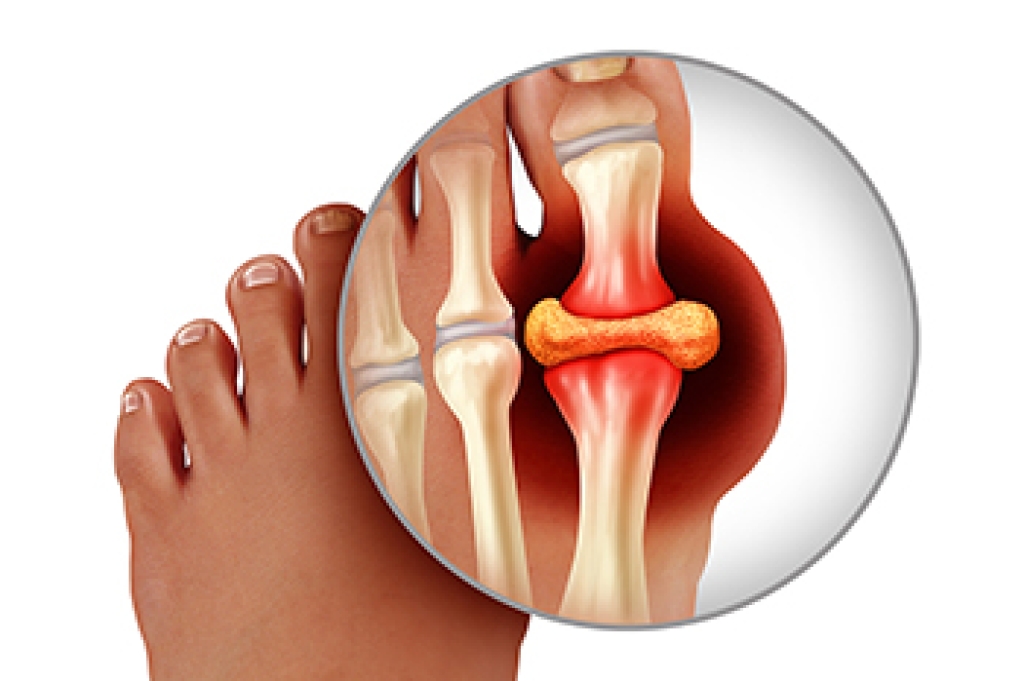
Gout, a painful form of arthritis, often causes intense swelling in a single joint, typically the big toe. Gout is the result of high levels of uric acid in the blood. The uric acid forms crystals in the joints that result in sudden and severe pain, called flare ups. Diagnostic lab tests for gout examine blood or joint fluid for uric acid levels or crystals, though not all cases show elevated uric acid levels. Imaging tests like X-rays, ultrasounds, or special CT scans can help show joint damage or uric acid crystals. Monitoring lab tests can track uric acid levels over time, with additional assessments of kidney function through creatinine and blood urea nitrogen, or BUN, tests. A urinalysis is used to detect uric acid in urine. Regular imaging tests monitor joint health to detect any damage caused by untreated gout. A podiatrist can conduct the appropriate diagnostic tests for gout. If you are experiencing toe joint pain or suspect gout, it is suggested that you schedule an appointment with a podiatrist.

Gout is a foot condition that requires certain treatment and care. If you are seeking treatment, contact Renee Rodriquez, DPM from Foot Clinic of South Texas. Our doctor will treat your foot and ankle needs.

What Is Gout?

Gout is a type of arthritis caused by a buildup of uric acid in the bloodstream. It often develops in the foot, especially the big toe area, although it can manifest in other parts of the body as well. Gout can make walking and standing very painful and is especially common in diabetics and the obese.

People typically get gout because of a poor diet. Genetic predisposition is also a factor. The children of parents who have had gout frequently have a chance of developing it themselves.

Gout can easily be identified by redness and inflammation of the big toe and the surrounding areas of the foot. Other symptoms include extreme fatigue, joint pain, and running high fevers. Sometimes corticosteroid drugs can be prescribed to treat gout, but the best way to combat this disease is to get more exercise and eat a better diet.

If you have any questions, please feel free to contact our office located in Brownsville, TX . We offer the newest diagnostic and treatment technologies for all your foot care needs.

Read more about Gout

Connect With Us

Request Appointment Patient Portal