Foot Structure and Skin May Change in Elderly Feet

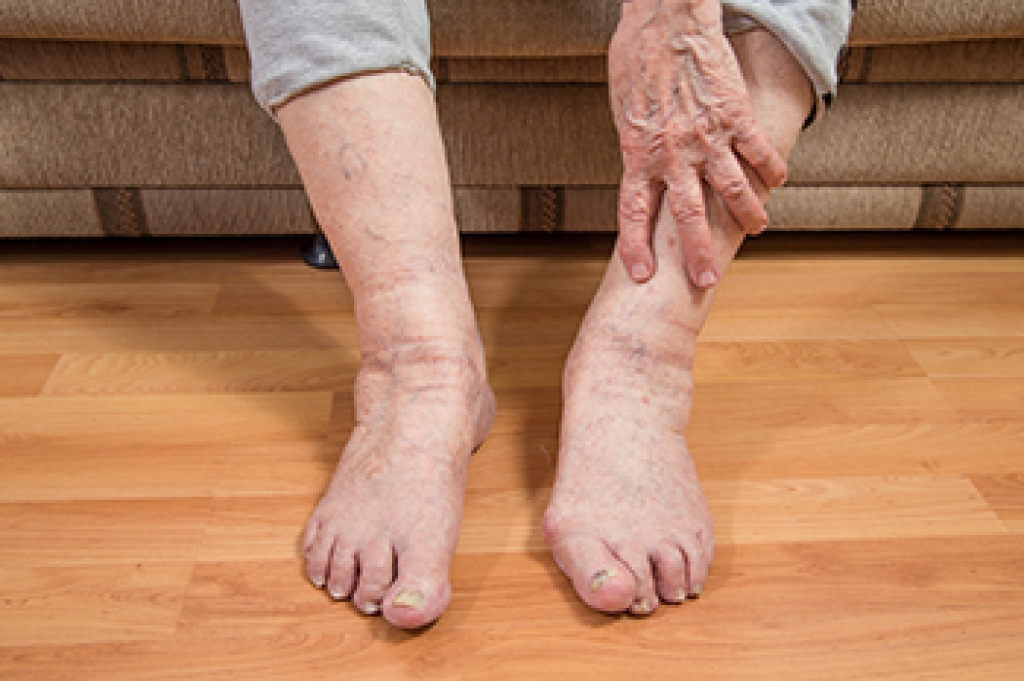
Many elderly people endure foot pain, which may impact mobility and completing daily activities. Research has shown there may be increased soft tissue stiffness in the foot, in addition to having a limited range of motion as one ages. With advanced age, the foot can lose overall strength and may become protonated as a result of reduced joint mobility. The risk of falling may increase, foot pain may develop, and it may be difficult to complete weight bearing activities. Approximately one in five people lose the ability to leave their house because of devastating foot pain. The skin may change thickness, and can add friction to the feet while walking. Recent reviews have confirmed the overall loss of elastin, which can result in thicker and dryer skin on the skin. In summation, the skin condition and foot structure may change in elderly feet, and may cause foot conditions that did not exist in their youth. If you would like more information about how the feet change as the aging process occurs, please consult with a podiatrist.

If you have any concerns about your feet, contact Renee Rodriquez, DPM from Foot Clinic of South Texas. Our doctor can provide the care you need to keep you pain-free and on your feet.

Biomechanics in Podiatry

Podiatric biomechanics is a particular sector of specialty podiatry with licensed practitioners who are trained to diagnose and treat conditions affecting the foot, ankle and lower leg. Biomechanics deals with the forces that act against the body, causing an interference with the biological structures. It focuses on the movement of the ankle, the foot and the forces that interact with them.

A History of Biomechanics

  • Biomechanics dates back to the BC era in Egypt where evidence of professional foot care has been recorded.
  • In 1974, biomechanics gained a higher profile from the studies of Merton Root, who claimed that by changing or controlling the forces between the ankle and the foot, corrections or conditions could be implemented to gain strength and coordination in the area.

Modern technological improvements are based on past theories and therapeutic processes that provide a better understanding of podiatric concepts for biomechanics. Computers can provide accurate information about the forces and patterns of the feet and lower legs.

Understanding biomechanics of the feet can help improve and eliminate pain, stopping further stress to the foot.

If you have any questions please feel free to contact our office located in Brownsville, TX . We offer the newest diagnostic and treatment technologies for all your foot and ankle needs.
Read more about The Importance of Biomechanics in Podiatry

Healthy and Beautiful Feet in the Warmer Months

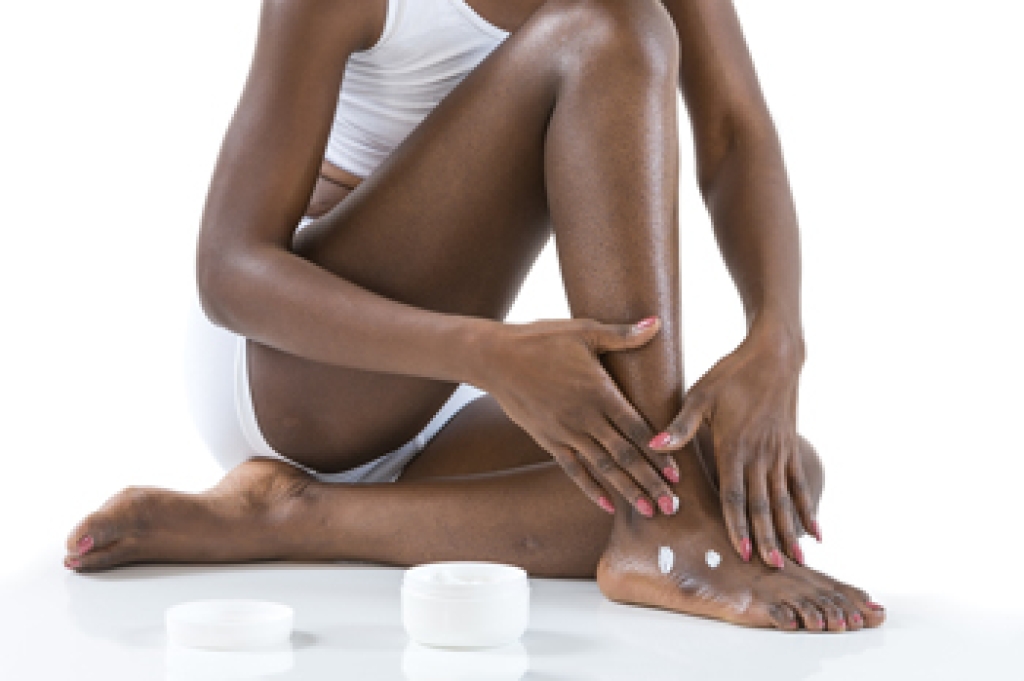
Warmer weather means that your feet will be more exposed to the elements. Practicing a little daily care will help keep your feet healthy and beautiful all year round. Keeping your feet moisturized is important in any season. To avoid your exposed heels from drying out and cracking, apply a topical emollient or occlusive moisturizer at night and cover your feet with socks to lock in moisture. Keeping your toenails groomed properly will not only help you avoid ingrown toenails, but will help make them look great in sandals as well. Trim your toenails flush with the tip of your toe and straight across. After a shower, when your cuticles are naturally softer, you can gently press them back with your finger wrapped in the edge of a towel for a professionally groomed look. Regardless of the season, the best foot care tip is to wear comfortable shoes that fit properly to avoid blisters, corns and calluses, in addition to other foot conditions. It is suggested you consult with a podiatrist for additional foot care tips, or before embarking on any foot care regimen if you have diabetes, nerve damage or poor circulation.

Everyday foot care is very important to prevent infection and other foot ailments. If you need your feet checked, contact Renee Rodriquez, DPM from Foot Clinic of South Texas. Our doctor can provide the care you need to keep you pain-free and on your feet.

Everyday Foot Care

Often, people take care of their bodies, face and hair more so than they do for their feet. But the feet are a very important aspect of our bodies, and one that we should pay more attention to. Without our feet, we would not be able to perform most daily tasks.

It is best to check your feet regularly to make sure there are no new bruises or cuts that you may not have noticed before. For dry feet, moisturizer can easily be a remedy and can be applied as often as necessary to the affected areas. Wearing shoes that fit well can also help you maintain good foot health, as well as making it easier to walk and do daily activities without the stress or pain of ill-fitting shoes, high heels, or even flip flops. Wearing clean socks with closed shoes is important to ensure that sweat and bacteria do not accumulate within the shoe. Clean socks help to prevent Athlete’s foot, fungi problems, bad odors, and can absorb sweat.

If you have any questions, please feel free to contact our office located in Brownsville, TX . We offer the newest diagnostic and treatment technologies for all your foot care needs.

Read more about Everyday Foot Care

Can Bunions Be Prevented?

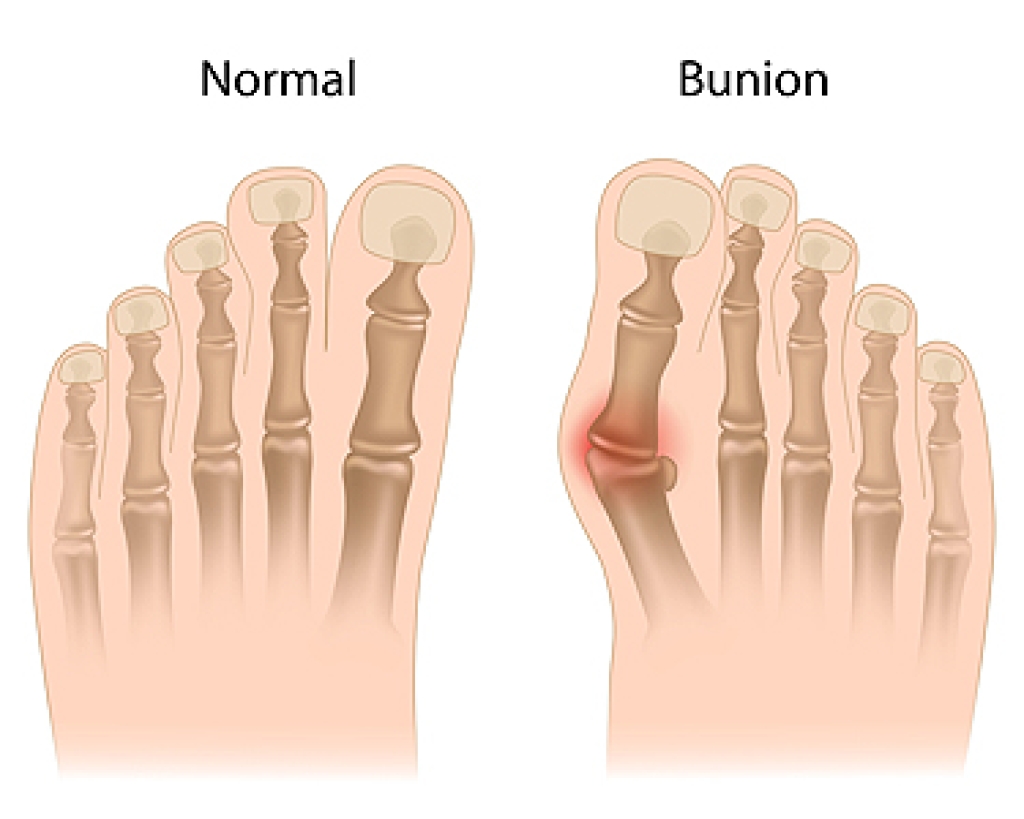
Women are more prone to developing bunions than men. This may be a result of wearing high heels or shoes that do not have adequate room in the toe area. A bunion appears as a bony lump on the side of the big toe and is considered to be a foot deformity. This protrusion causes the bone in the big toe to gradually move toward the other toes and can produce pain and discomfort. People who develop bunions may eventually get osteoarthritis in the big toe, which can be the source of chronic pain. Additionally, the risk of getting a bunion may increase in patients who have short calf muscles or a shortened Achilles tendon, and medical conditions such as rheumatoid arthritis and flat feet. Bunions may be prevented by wearing shoes that are comfortable and flat. It may help to frequently walk barefoot, which may be beneficial in strengthening the muscles in the overall foot. If you have developed a bunion, it is strongly suggested that you speak with a podiatrist who can provide you with correct treatment options, which may include surgery for permanent removal. 

If you are suffering from bunions, contact Renee Rodriquez, DPM of Foot Clinic of South Texas. Our doctor can provide the care you need to keep you pain-free and on your feet.

What Is a Bunion?

A bunion is formed of swollen tissue or an enlargement of boney growth, usually located at the base joint of the toe that connects to the foot. The swelling occurs due to the bones in the big toe shifting inward, which impacts the other toes of the foot. This causes the area around the base of the big toe to become inflamed and painful.

Why Do Bunions Form?

Genetics – Susceptibility to bunions are often hereditary

Stress on the feet – Poorly fitted and uncomfortable footwear that places stress on feet, such as heels, can worsen existing bunions

How Are Bunions Diagnosed?

Podiatrists often perform two tests – blood tests and x-rays – when trying to diagnose bunions, especially in the early stages of development. Blood tests help determine if the foot pain is being caused by something else, such as arthritis, while x-rays provide a clear picture of your bone structure to your provider.

How Are Bunions Treated?

  • Refrain from wearing heels or similar shoes that cause discomfort
  • Select wider shoes that can provide more comfort and reduce pain
  • Anti-inflammatory and pain management drugs
  • Orthotics or foot inserts
  • Surgery

If you have any questions, please feel free to contact our office located in Brownsville, TX . We offer the newest diagnostic and treatment technologies for all your foot care needs.

Read more about Bunions

How Did I Get an Ingrown Toenail?

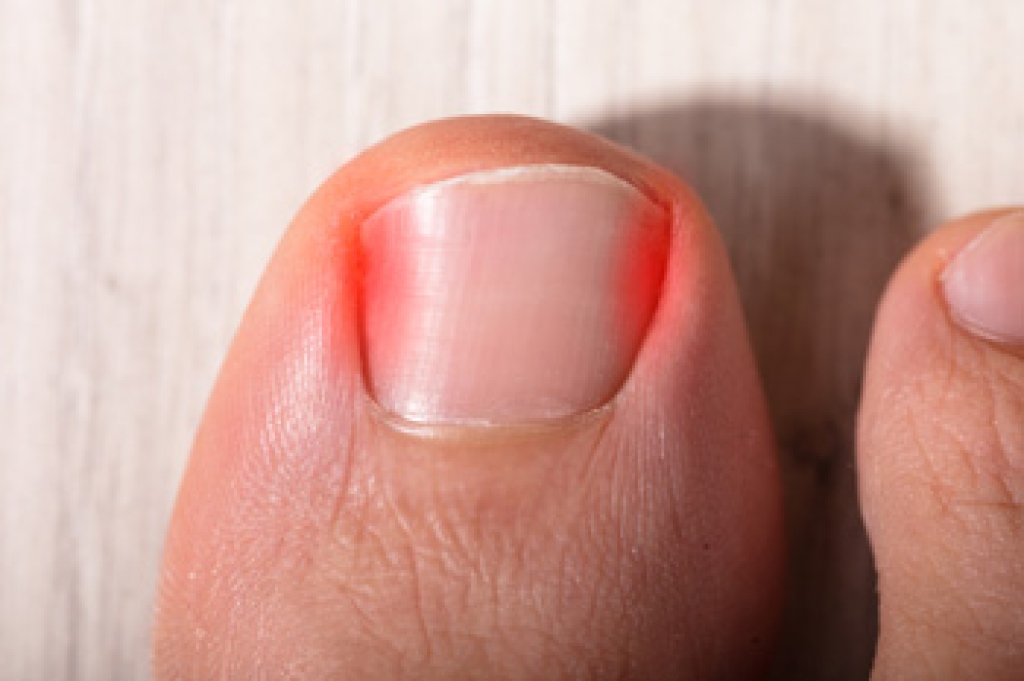
The medical term for an ingrown toenail is onychocryptosis. It is a painful foot condition that occurs when the toenail grows into the skin on the side of the nail. It can happen as a result of wearing shoes that do not fit properly. Additionally, it may happen from cutting the toenails incorrectly. The proper way to trim toenails is to cut them straight across, and not rounded. Ingrown toenails typically affect the big toe, and research has shown it is a more common condition among men rather than women. Incurring a foot injury may lead to developing an ingrown toenail. This can happen if the foot is jammed against a piece of furniture, or has become damaged from a heavy object dropping on it. Common symptoms of an ingrown toenail include redness, tenderness, and pain. It may feel better when the affected toe is soaked in warm water, which can make it easier to gently pull the skin away from the nail. It is suggested that if you have an ingrown toenail you are under the care of a podiatrist who can offer you proper treatment methods.

Ingrown toenails can become painful if they are not treated properly. For more information about ingrown toenails, contact Renee Rodriquez, DPM of Foot Clinic of South Texas. Our doctor can provide the care you need to keep you pain-free and on your feet.

Ingrown Toenails

Ingrown toenails occur when a toenail grows sideways into the bed of the nail, causing pain, swelling, and possibly infection.

Causes

  • Bacterial infections
  • Improper nail cutting such as cutting it too short or not straight across
  • Trauma to the toe, such as stubbing, which causes the nail to grow back irregularly
  • Ill-fitting shoes that bunch the toes too close together
  • Genetic predisposition

Prevention

Because ingrown toenails are not something found outside of shoe-wearing cultures, going barefoot as often as possible will decrease the likeliness of developing ingrown toenails. Wearing proper fitting shoes and using proper cutting techniques will also help decrease your risk of developing ingrown toenails.

Treatment

Ingrown toenails are a very treatable foot condition. In minor cases, soaking the affected area in salt or antibacterial soaps will not only help with the ingrown nail itself, but also help prevent any infections from occurring. In more severe cases, surgery is an option. In either case, speaking to your podiatrist about this condition will help you get a better understanding of specific treatment options that are right for you.

If you have any questions, please feel free to contact our office located in Brownsville, TX . We offer the newest diagnostic and treatment technologies for all your foot care needs.

Read more about Ingrown Toenails

Connect With Us

Request Appointment Patient Portal