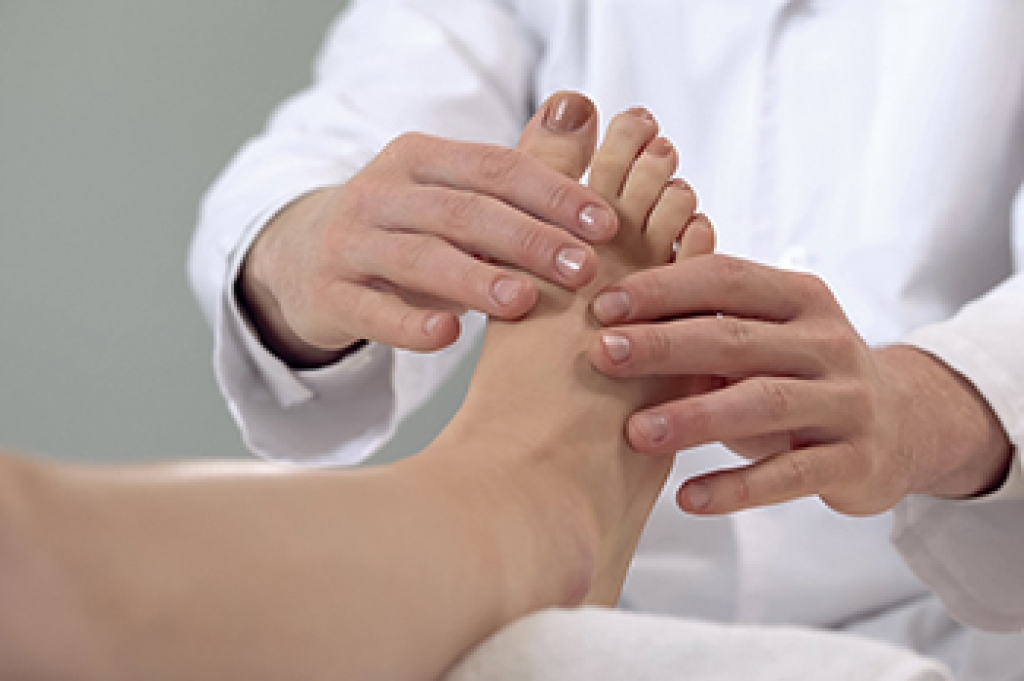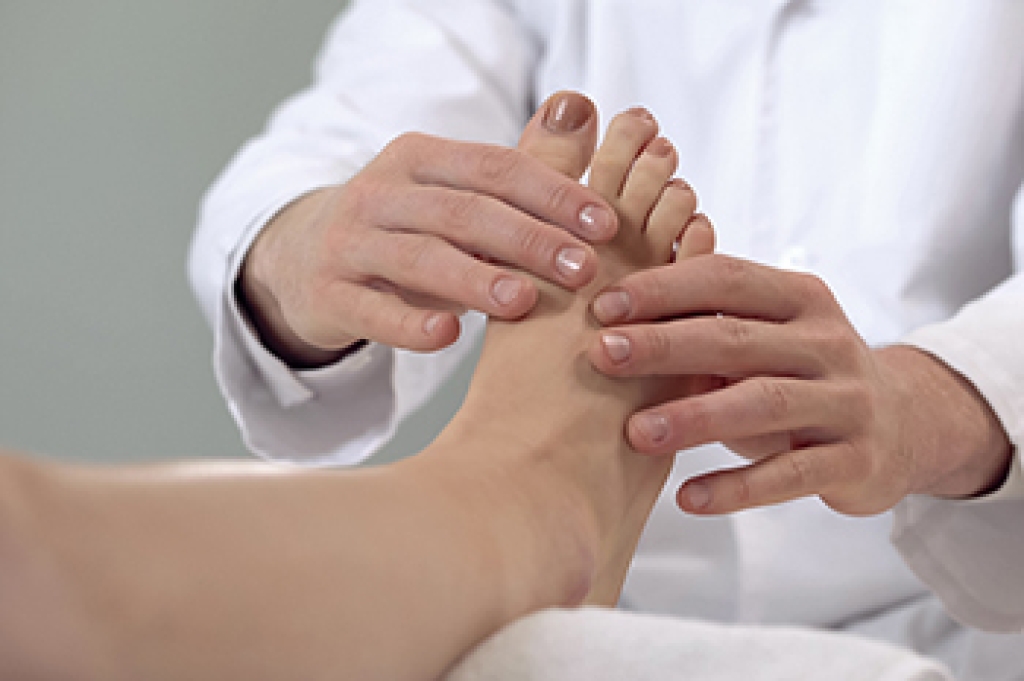
What Is Tarsal Tunnel Syndrome?

People who have the foot condition known as tarsal tunnel syndrome often have symptoms that consist of numbness or a sensation that feels like pins and needles in the heel of their foot. This feeling may spread to the arch of the foot and can cause pain and discomfort. The condition is defined as the posterior tibial nerve becoming compressed and trapped inside the ankle. Patients who have flat feet may experience tarsal tunnel syndrome and this may result from the foot rolling. Specific medical conditions like osteoarthritis and diabetes may contribute to the onset of this ailment. Mild relief may come from taking certain medications including anti-inflammatory pills, which are typically prescribed. Performing exercises that can strengthen the foot once the inflammation has subsided may help to make it easier to accomplish daily activities. If you suffer from this ailment, please confer with a podiatrist who can guide you toward the best treatment techniques for you.       

Tarsal tunnel syndrome can be very uncomfortable to live with. If you are experiencing tarsal tunnel syndrome, contact Renee Rodriquez, DPM of Foot Clinic of South Texas. Our doctor can provide the care you need to keep you pain-free and on your feet.

Tarsal Tunnel Syndrome

Tarsal tunnel syndrome, which can also be called tibial nerve dysfunction, is an uncommon condition of misfiring peripheral nerves in the foot. The tibial nerve is the peripheral nerve in the leg responsible for sensation and movement of the foot and calf muscles. In tarsal tunnel syndrome, the tibial nerve is damaged, causing problems with movement and feeling in the foot of the affected leg.

Common Cause of Tarsal Tunnel Syndrome

  • Involves pressure or an injury, direct pressure on the tibial nerve for an extended period of time, sometimes caused by other body structures close by or near the knee.
  • Diseases that damage nerves, including diabetes, may cause tarsal tunnel syndrome.
  • At times, tarsal tunnel syndrome can appear without an obvious cause in some cases.

The Effects of Tarsal Tunnel Syndrome

  • Different sensations, an afflicted person may experience pain, tingling, burning or other unusual sensations in the foot of the affected leg.
  • The foot muscles, toes and ankle become weaker, and curling your toes or flexing your foot can become difficult.
  • If condition worsens, infections and ulcers may develop on the foot that is experiencing the syndrome.

A physical exam of the leg can help identify the presence of tarsal tunnel syndrome. Medical tests, such as a nerve biopsy, are also used to diagnose the condition. Patients may receive physical therapy and prescriptive medication. In extreme cases, some may require surgery.

If you have any questions please contact our office located in Brownsville, TX . We offer the newest diagnostic and treatment technologies for all your foot and ankle needs.
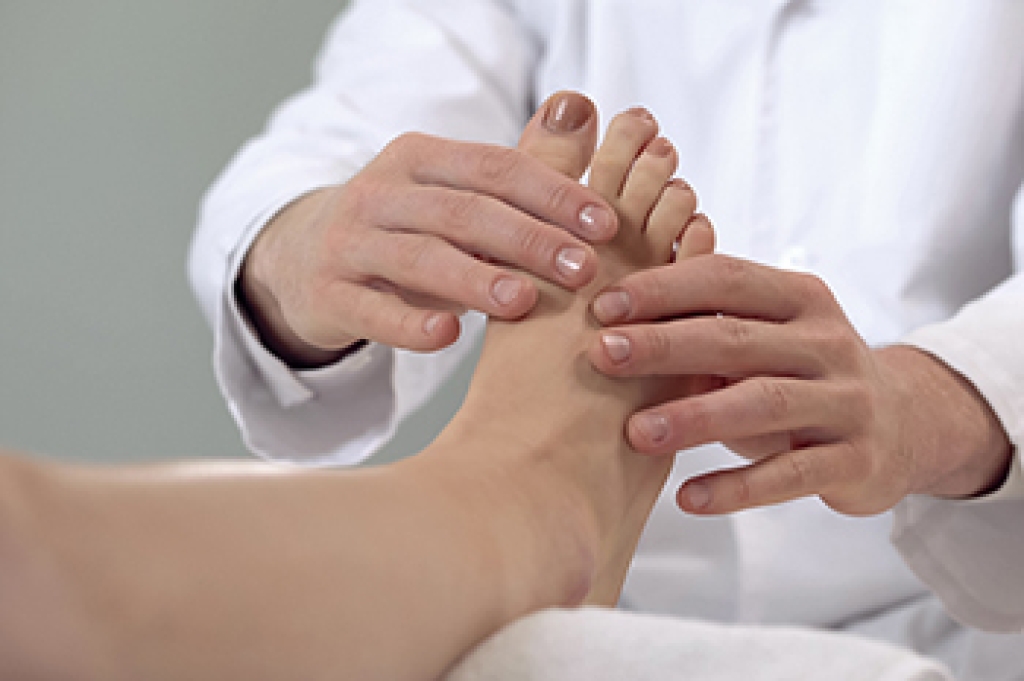

Read more about Tarsal Tunnel Syndrome

Can Pins and Needles Occur From PAD?

Peripheral artery disease (PAD) can cause numbness and a pins and needles sensation in the feet. This happens as a result of arteries that have become blocked, and it can be common among diabetic patients. Additional symptoms can include foot wounds that will not heal, poor toenail growth, and the feet may feel cold. People who enjoy working out may find the pain gradually diminished after exercises are completed, and this can be because of increased blood flow to the muscles. PAD is diagnosed by performing a test that is known as an ankle-brachial index (ABI). This is an effective method for comparing the blood pressure in the arms to the blood pressure in the legs. There may be more testing that is required if the results are abnormal. Additionally, many patients are unaware they may have PAD and may easily be mistaken for arthritis. If you have any of the symptoms mentioned, it is advised that you consult with a podiatrist who can diagnose PAD and offer various treatment techniques. 

Peripheral artery disease can pose a serious risk to your health. It can increase the risk of stroke and heart attack. If you have symptoms of peripheral artery disease, consult with Renee Rodriquez, DPM from Foot Clinic of South Texas. Our doctor will assess your condition and provide you with quality foot and ankle treatment.

Peripheral artery disease (PAD) is when arteries are constricted due to plaque (fatty deposits) build-up. This results in less blood flow to the legs and other extremities. The main cause of PAD is atherosclerosis, in which plaque builds up in the arteries.

Symptoms

Symptoms of PAD include:

  • Claudication (leg pain from walking)
  • Numbness in legs
  • Decrease in growth of leg hair and toenails
  • Paleness of the skin
  • Erectile dysfunction
  • Sores and wounds on legs and feet that won’t heal
  • Coldness in one leg

It is important to note that a majority of individuals never show any symptoms of PAD.

Diagnosis

While PAD occurs in the legs and arteries, Podiatrists can diagnose PAD. Podiatrists utilize a test called an ankle-brachial index (ABI). An ABI test compares blood pressure in your arm to you ankle to see if any abnormality occurs. Ultrasound and imaging devices may also be used.

Treatment

Fortunately, lifestyle changes such as maintaining a healthy diet, exercising, managing cholesterol and blood sugar levels, and quitting smoking, can all treat PAD. Medications that prevent clots from occurring can be prescribed. Finally, in some cases, surgery may be recommended.

If you have any questions, please feel free to contact our office located in Brownsville, TX . We offer the newest diagnostic and treatment technologies for all your foot care needs.

Read more about Peripheral Artery Disease

Are You Suffering From Nerve Damage?

Neuropathy is a condition that can lead to numbness or loss of sensation in the feet, but it can also cause pain. This condition is more likely to develop for those who are diabetic, obese, or with high blood pressure.

Diagnosing a Broken Foot

One should always take a broken foot seriously. When someone breaks or fractures the foot, they may experience a wide range of unpleasant symptoms. For example, the individual might notice a sensation of tenderness, a loss of feeling around the affected area, visible changes to the skin like bruising or swelling, and a cracking sound whenever the foot is moved. A medical professional, such as a podiatrist, can help diagnose your broken foot in different ways. For example, a simple examination of your foot might be performed whereby skin breaks and foot movement are analyzed. Additionally, to diagnose your broken foot, an X-ray, MRI, or CT scan might be performed. Through these procedures, pictures are taken of the affected foot with the aid of contrast liquid. This kind of liquid essentially improves how visible your foot will be in a picture. Lastly, to diagnose your broken foot, a medical professional may perform what is known as a bone scan. No matter how a diagnosis is performed, you should contact a podiatrist if you suspect a broken foot. A podiatrist will help you identify and treat the problem.

A broken foot requires immediate medical attention and treatment. If you need your feet checked, contact Renee Rodriquez, DPM from Foot Clinic of South Texas. Our doctor can provide the care you need to keep you pain-free and on your feet.

Broken Foot Causes, Symptoms, and Treatment

A broken foot is caused by one of the bones in the foot typically breaking when bended, crushed, or stretched beyond its natural capabilities. Usually the location of the fracture indicates how the break occurred, whether it was through an object, fall, or any other type of injury. 

Common Symptoms of Broken Feet:

  • Bruising
  • Pain
  • Redness
  • Swelling
  • Blue in color
  • Numbness
  • Cold
  • Misshapen
  • Cuts
  • Deformities

Those that suspect they have a broken foot shoot seek urgent medical attention where a medical professional could diagnose the severity.

Treatment for broken bones varies depending on the cause, severity and location. Some will require the use of splints, casts or crutches while others could even involve surgery to repair the broken bones. Personal care includes the use of ice and keeping the foot stabilized and elevated.

If you have any questions, please feel free to contact our office located in Brownsville, TX . We offer the newest diagnostic and treatment technologies for all your foot care needs.

Read more about Causes, Symptoms, and Treatment for a Broken Foot

How to Find the Right Shoes

The shoes you wear play an important role in the health of your feet. Improperly fitting shoes can contribute to the development of corns, calluses, bunions, and hammertoes. Besides reducing the pain from a foot deformity or gait problem, well-fitted shoes can also help prevent these conditions from becoming worse. Following are a few ways to increase the chances of finding the right shoe for your feet. Try on shoes at the end of the day, when your feet will be the largest. Bring with you any orthotics you may need, as well as the socks or foot coverings you are likely to wear with that shoe. Have your feet measured, and if one foot is larger, choose that size. Stand in the shoes, and walk around a bit to see how they feel. If the shoe is too tight or too loose in the store, try a different size or a different style. Look for shoes with ample room in the toe box, and avoid high heels. Also look for shoes with mesh uppers that allow the feet to breathe and those that provide cushioning to the heel and ball of the foot. If you have preexisting conditions of the feet, it is a good idea to seek the guidance of a podiatrist before purchasing your footwear. 

Finding a properly-fitting shoe is important in reducing injuries and preventing foot problems. For more information about treatment, contact Renee Rodriquez, DPM from Foot Clinic of South Texas. Our doctor will treat your foot and ankle needs.

Proper Shoe Fitting

A common concern when it comes to foot health, having properly fitted shoes can help prevent injuries to the foot. Out feet affect our posture and gait, which in turn affects the biomechanics and overall bodily structure. With 33 joints, 26 bones, and over 100 ligaments, the potential for serious injury is much greater than one realizes. Although the feet cease growth in adulthood, they still change shape as they mature. Here are some factors to consider when it comes to investing in proper fitting shoes:

  • Be sure the shoes fit correctly right away
  • Ensure the ball of your foot fits comfortably in the widest portion of the shoes
  • Even though they may look fashionable, improper fitting shoes can either create adverse conditions or exacerbate existing ones you may already have
  • Walk along a carpeted surface to ensure the shoes comfortably fit during normal activity

Keeping in mind how shoes fit the biomechanics of your body, properly-fitting shoes are vitally important. Fortunately, it is not difficult to acquire footwear that fits correctly. Be sure to wear shoes that support the overall structure of your body. Do your feet a favor and invest in several pairs of well-fitted shoes today.

If you have any questions, please feel free to contact our office located in Brownsville, TX . We offer the newest diagnostic and treatment technologies for all your foot care needs.

Read more about Proper Shoe Fitting

Connect With Us

Request Appointment Patient Portal