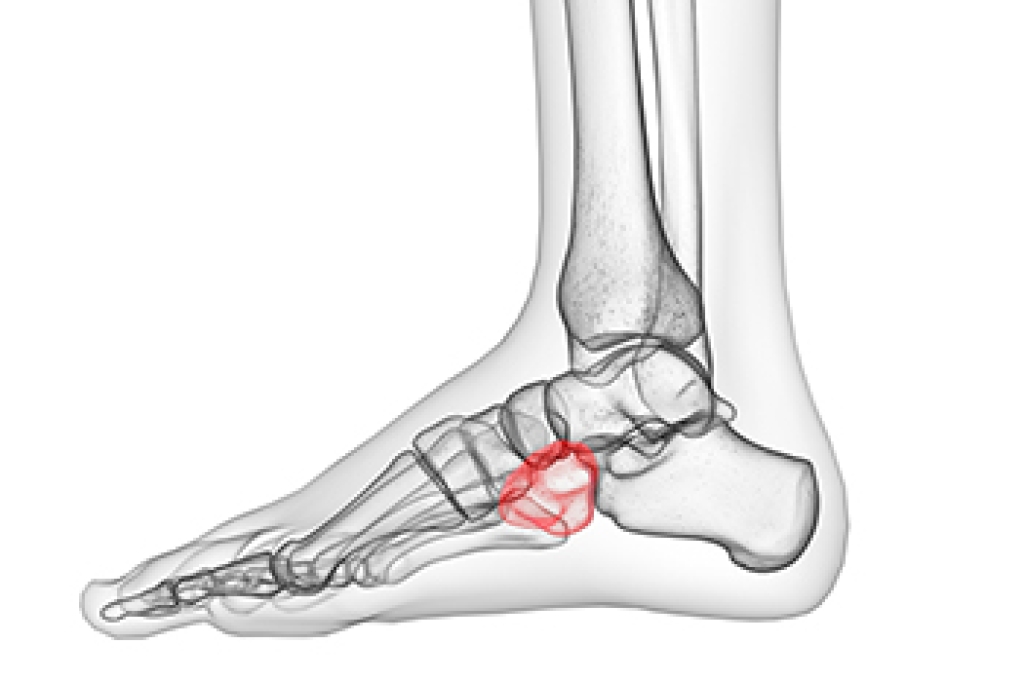
Cuboid Syndrome and Its Treatment

Cuboid syndrome, common among athletes and ballet dancers, occurs when the cuboid bone becomes partially dislocated due to repetitive injury, ankle sprain, or trauma. The cuboid is one of the five bones that make up the midfoot. It is important to the distribution of body weight and the stabilization of the outer midfoot. Cuboid syndrome can lead to difficulty walking. Additionally, some people experience aching pain on the outside of the foot, swelling, and increased pain when pressure is applied to the foot. One may also experience decreased motion, and ankle movement can be painful. A podiatrist’s expertise is needed for diagnosis, since so many of these symptoms mimic those of other afflictions. Treatment includes relocation of the bone, rest, and immobilization with tape, in addition to performing foot exercises for strength and flexibility. If you have troubling discomfort on the outside of the foot, it is suggested that you make an appointment with a podiatrist for a proper exam and care.

Cuboid syndrome, also known as cuboid subluxation, occurs when the joints and ligaments near the cuboid bone in the foot become torn. If you have cuboid syndrome, consult with Renee Rodriquez, DPM from Foot Clinic of South Texas. Our doctor will assess your condition and provide you with quality foot and ankle treatment.

Cuboid syndrome is a common cause of lateral foot pain, which is pain on the outside of the foot. The condition may happen suddenly due to an ankle sprain, or it may develop slowly overtime from repetitive tension through the bone and surrounding structures.

Causes

The most common causes of cuboid syndrome include:

  • Injury – The most common cause of this ailment is an ankle sprain.
  • Repetitive Strain – Tension placed through the peroneus longus muscle from repetitive activities such as jumping and running may cause excessive traction on the bone causing it to sublux.
  • Altered Foot Biomechanics – Most people suffering from cuboid subluxation have flat feet.

Symptoms

A common symptom of cuboid syndrome is pain along the outside of the foot which can be felt in the ankle and toes. This pain may create walking difficulties and may cause those with the condition to walk with a limp.

Diagnosis

Diagnosis of cuboid syndrome is often difficult, and it is often misdiagnosed. X-rays, MRIs and CT scans often fail to properly show the cuboid subluxation. Although there isn’t a specific test used to diagnose cuboid syndrome, your podiatrist will usually check if pain is felt while pressing firmly on the cuboid bone of your foot.

Treatment

Just as the range of causes varies widely, so do treatments. Some more common treatments are ice therapy, rest, exercise, taping, and orthotics.

If you have any questions, please feel free to contact our office located in Brownsville, TX . We offer the newest diagnostic and treatment technologies for all your foot care needs.

Read more about All About Cuboid Syndrome

It's Time for Beautiful Feet

You don't need an excuse to have beautiful nails. Step outside without worrying about the appearance of your feet.

When to See a Podiatrist for Wound Care

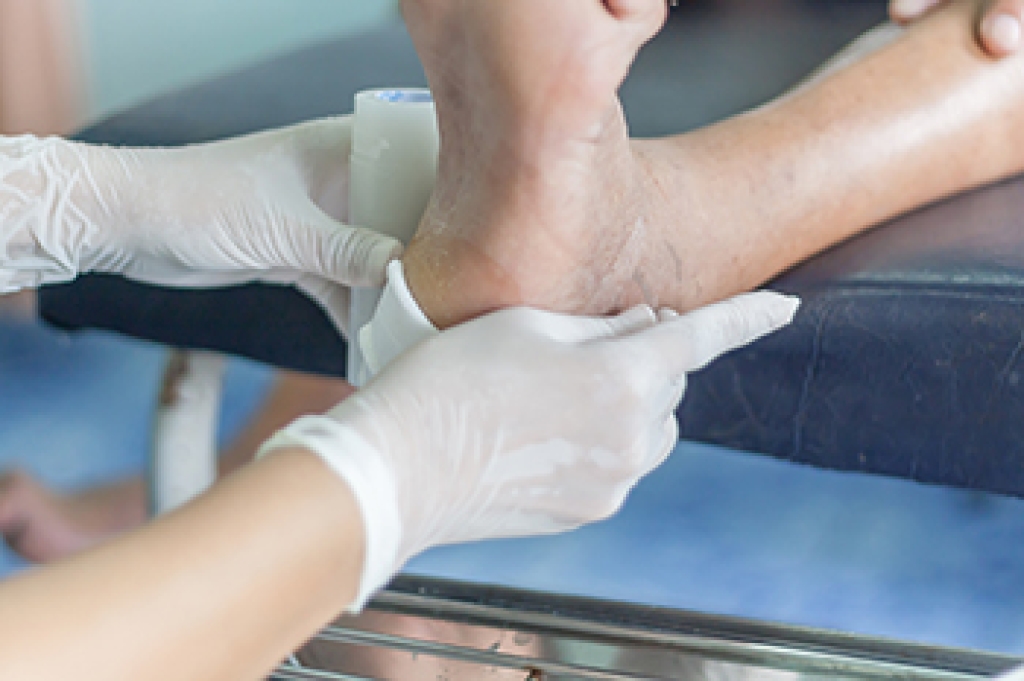
As the summer months begin, the risks of cutting or otherwise wounding your feet may increase. Wearing sandals or flip flops, as well as going barefoot more often can increase the chances of having to deal with foot wounds. If you are bleeding profusely from a wound, immediate medical attention is vital. There also may be times when a podiatrist is needed to attend to foot wounds, including punctures, lacerations, toenail injuries, and broken toes. When you step on a nail or other sharp object, the puncture wound may appear small and may not bleed very much. But because the depth of the wound can be a source of infection as well as damage to nerves and tendons, attention from this foot doctor is suggested. Abrasions or scrapes may bleed and ooze fluids, making it difficult to clear it from debris. To avoid infection setting in, it is suggested that you make an appointment with a podiatrist. Similarly, if you have a skin injury and have diabetes or vascular disease, seeing a podiatrist as soon as possible is strongly suggested. 

Wound care is an important part in dealing with diabetes. If you have diabetes and a foot wound or would like more information about wound care for diabetics, consult with Renee Rodriquez, DPM from Foot Clinic of South Texas. Our doctor will assess your condition and provide you with quality foot and ankle treatment.

What Is Wound Care?

Wound care is the practice of taking proper care of a wound. This can range from the smallest to the largest of wounds. While everyone can benefit from proper wound care, it is much more important for diabetics. Diabetics often suffer from poor blood circulation which causes wounds to heal much slower than they would in a non-diabetic. 

What Is the Importance of Wound Care?

While it may not seem apparent with small ulcers on the foot, for diabetics, any size ulcer can become infected. Diabetics often also suffer from neuropathy, or nerve loss. This means they might not even feel when they have an ulcer on their foot. If the wound becomes severely infected, amputation may be necessary. Therefore, it is of the upmost importance to properly care for any and all foot wounds.

How to Care for Wounds

The best way to care for foot wounds is to prevent them. For diabetics, this means daily inspections of the feet for any signs of abnormalities or ulcers. It is also recommended to see a podiatrist several times a year for a foot inspection. If you do have an ulcer, run the wound under water to clear dirt from the wound; then apply antibiotic ointment to the wound and cover with a bandage. Bandages should be changed daily and keeping pressure off the wound is smart. It is advised to see a podiatrist, who can keep an eye on it.

If you have any questions please contact our office located in Brownsville, TX . We offer the newest diagnostic and treatment technologies for all your foot and ankle needs.

Read more about Wound Care

Reasons for Cracked Heels

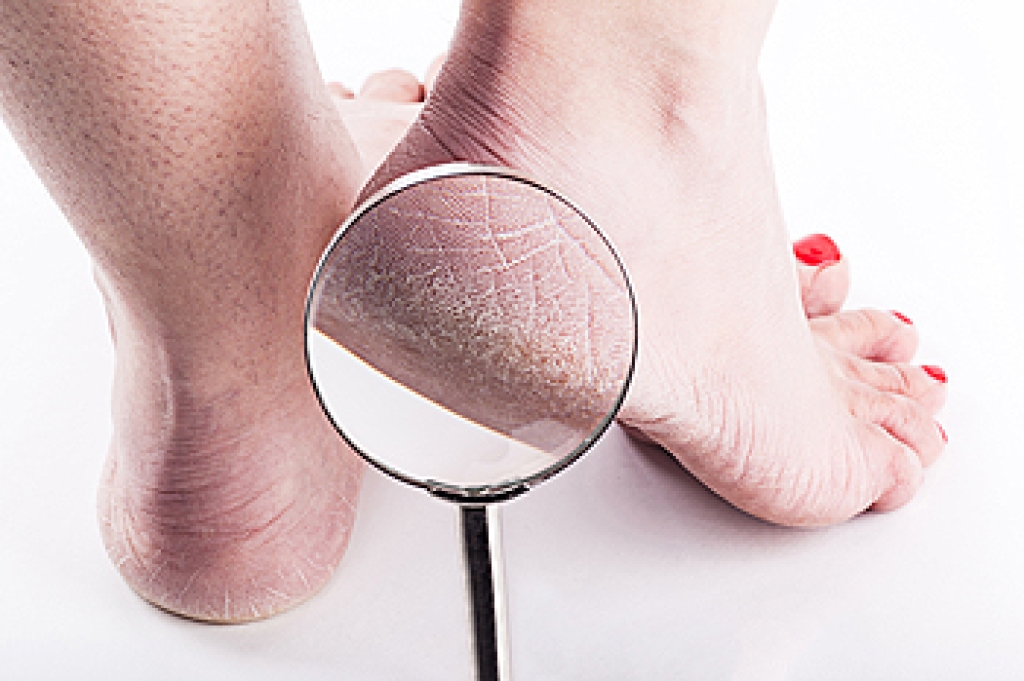
Mildly cracked heels are generally not a serious foot condition unless they develop into fissures, which may bleed and become infected. Cracked heels are caused by standing on hard or uneven surfaces for most of the day, or from wearing shoes that do not have a back. Flip-flops fall into this category, and it is beneficial to limit wearing these types of shoes. Patients who have existing medical conditions, such as psoriasis, diabetes, or a thyroid disorder, may be prone to getting cracked heels. One of the first signs that cracked heels may be developing is the hard, thickened skin surrounding the heel. This is referred to as a callus and can be yellow or brown in color. Cracks can form over the callus and can become worse when pressure of standing or running is exerted. Effective prevention methods can include washing and drying the feet daily, followed by applying a good moisturizer on them. If you have cracked heels that are causing problems, it is suggested that you speak with a podiatrist who can successfully treat this condition.

Cracked heels are unsightly and can cause further damage to your shoes and feet. If you have any concerns, contact Renee Rodriquez, DPM from Foot Clinic of South Texas. Our doctor can provide the care you need to keep you pain-free and on your feet.

Cracked Heels

Cracked heels appear unappealing and can make it harder for you walk around in sandals. Aside from looking unpleasant, cracked heels can also tear stockings, socks, and wear out your shoes. There are several methods to help restore a cracked heel and prevent further damage.

How Do You Get Them?

Dry skin is the number one culprit in creating cracked heels. Many athletes, walkers, joggers, and even swimmers suffer from cracked heels. Age and skin oil production play a role to getting cracked heels as well.

Promote Healing

Over the counter medicines can help, especially for those that need instant relief or who suffer from chronic dry feet.

Wear Socks – Wearing socks with medicated creams helps lock in moisture.

Moisturizers – Applying both day and night will help alleviate dryness which causes cracking.

Pumice Stones – These exfoliate and remove dead skin, which allows for smoother moisturizer application and better absorption into the skin. 

Change in Diet

Eating healthy with a well-balanced diet will give the skin a fresh and radiant look. Your body responds to the kinds of food you ingest. Omega-3 fatty acids and zinc supplements can also revitalize skin tissue.

Most importantly, seek professional help if unsure how to proceed in treating cracked heels. A podiatrist will help you with any questions or information needed. 

If you have any questions, please feel free to contact our office located in Brownsville, TX . We offer the newest diagnostic and treatment technologies for all your foot care needs.
Read more about Solutions for Cracked Heels

Symptoms of Tarsal Tunnel Syndrome

Tarsal tunnel syndrome is a foot condition that can be painful. The tibial nerve is found inside the tarsal tunnel, and an injury can cause this nerve to become compressed. It may also occur from having an abnormal foot structure, such as flat feet or a bone spur. The tibial nerve is located in the ankle and allows movement and feeling in various parts of the foot. The tarsal tunnel lies in the back of the inside of the ankle, and when this nerve is irritated in this narrow tunnel, tarsal tunnel syndrome can develop. Some of the symptoms that are associated with this foot condition can consist of a tingling or numbing sensation on the sole of the foot, and the toes may be difficult to move. Treatment generally begins with resting the foot and eliminating any activities that can cause discomfort. Some patients choose to wear orthotics, which may help reduce some of the symptoms. If the pain is severe and daily activities are difficult to accomplish, surgery may be an option to enlarge the tarsal tunnel. If you have this syndrome, it is suggested that you visit a podiatrist who can guide you toward the treatment that is best for you.

Tarsal tunnel syndrome can be very uncomfortable to live with. If you are experiencing tarsal tunnel syndrome, contact Renee Rodriquez, DPM of Foot Clinic of South Texas. Our doctor can provide the care you need to keep you pain-free and on your feet.

Tarsal Tunnel Syndrome

Tarsal tunnel syndrome, which can also be called tibial nerve dysfunction, is an uncommon condition of misfiring peripheral nerves in the foot. The tibial nerve is the peripheral nerve in the leg responsible for sensation and movement of the foot and calf muscles. In tarsal tunnel syndrome, the tibial nerve is damaged, causing problems with movement and feeling in the foot of the affected leg.

Common Cause of Tarsal Tunnel Syndrome

  • Involves pressure or an injury, direct pressure on the tibial nerve for an extended period of time, sometimes caused by other body structures close by or near the knee.
  • Diseases that damage nerves, including diabetes, may cause tarsal tunnel syndrome.
  • At times, tarsal tunnel syndrome can appear without an obvious cause in some cases.

The Effects of Tarsal Tunnel Syndrome

  • Different sensations, an afflicted person may experience pain, tingling, burning or other unusual sensations in the foot of the affected leg.
  • The foot muscles, toes and ankle become weaker, and curling your toes or flexing your foot can become difficult.
  • If condition worsens, infections and ulcers may develop on the foot that is experiencing the syndrome.

A physical exam of the leg can help identify the presence of tarsal tunnel syndrome. Medical tests, such as a nerve biopsy, are also used to diagnose the condition. Patients may receive physical therapy and prescriptive medication. In extreme cases, some may require surgery.

If you have any questions please contact our office located in Brownsville, TX . We offer the newest diagnostic and treatment technologies for all your foot and ankle needs.

Read more about Treating Tarsal Tunnel Syndrome

Connect With Us

Request Appointment Patient Portal