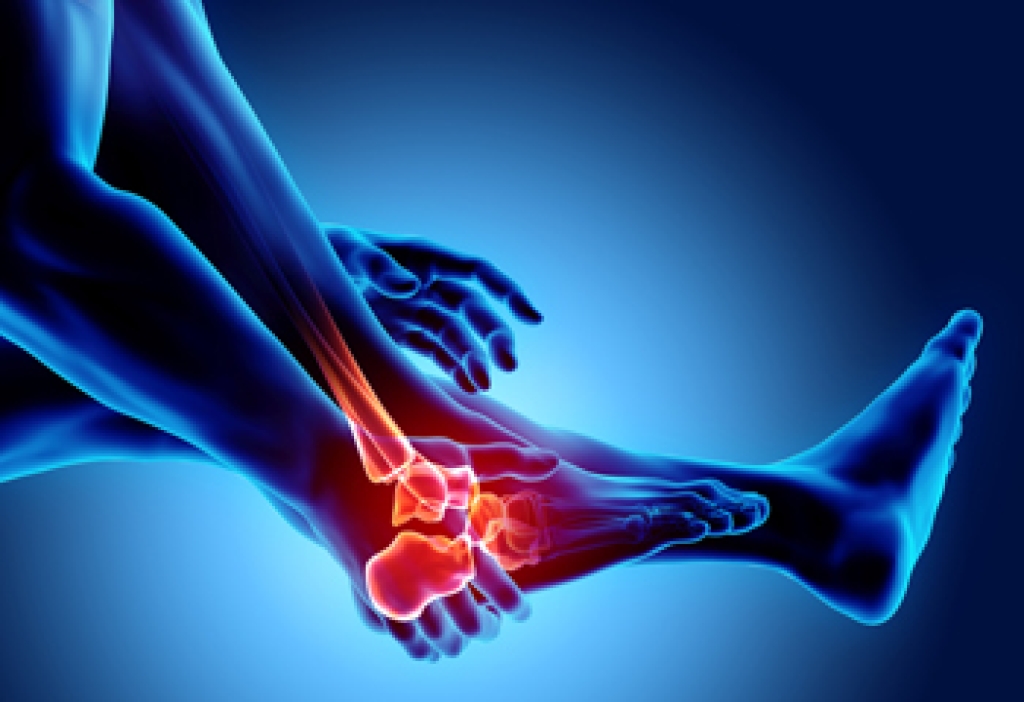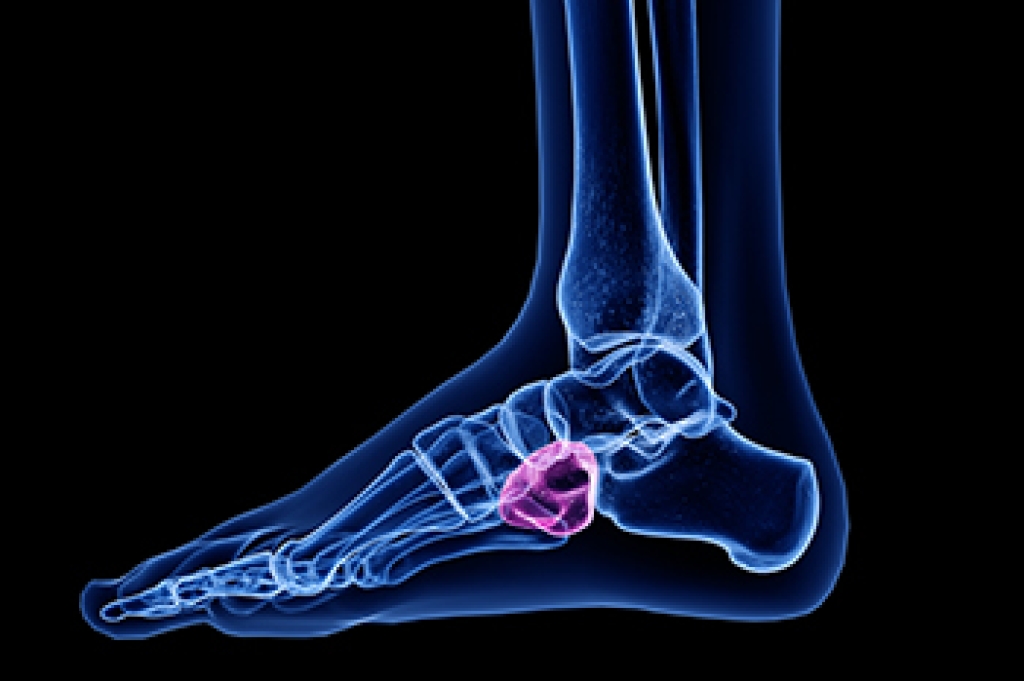
What Is Cuboid Syndrome?

Cuboid syndrome causes lateral, or side, midfoot pain. It is thought to be a result of injury to the calcaneocuboid joint because of a recurrent or forceful impact on the cuboid bone. The cuboid is a small midfoot bone that connects the outer metatarsals to the heel bone. A person with cuboid syndrome usually has swelling, lateral foot pain, and an unnatural gait. This can happen from running over a protrusion in the ground, such as a tree root, spraining one’s ankle that does not respond to treatment, or from peroneal tendinopathy, which is overuse of the peroneal tendons. Diagnosis is often made by taking a history of the patient, asking about any injuries incurred, and examining the foot. If you are suffering from lateral midfoot pain, it is a good idea to see a podiatrist for a proper diagnosis and treatment.

Cuboid syndrome, also known as cuboid subluxation, occurs when the joints and ligaments near the cuboid bone in the foot become torn. If you have cuboid syndrome, consult with Renee Rodriquez, DPM from Foot Clinic of South Texas. Our doctor will assess your condition and provide you with quality foot and ankle treatment.

Cuboid syndrome is a common cause of lateral foot pain, which is pain on the outside of the foot. The condition may happen suddenly due to an ankle sprain, or it may develop slowly overtime from repetitive tension through the bone and surrounding structures.

Causes

The most common causes of cuboid syndrome include:

  • Injury – The most common cause of this ailment is an ankle sprain.
  • Repetitive Strain – Tension placed through the peroneus longus muscle from repetitive activities such as jumping and running may cause excessive traction on the bone causing it to sublux.
  • Altered Foot Biomechanics – Most people suffering from cuboid subluxation have flat feet.

Symptoms

A common symptom of cuboid syndrome is pain along the outside of the foot which can be felt in the ankle and toes. This pain may create walking difficulties and may cause those with the condition to walk with a limp.

Diagnosis

Diagnosis of cuboid syndrome is often difficult, and it is often misdiagnosed. X-rays, MRIs and CT scans often fail to properly show the cuboid subluxation. Although there isn’t a specific test used to diagnose cuboid syndrome, your podiatrist will usually check if pain is felt while pressing firmly on the cuboid bone of your foot.

Treatment

Just as the range of causes varies widely, so do treatments. Some more common treatments are ice therapy, rest, exercise, taping, and orthotics.

If you have any questions, please feel free to contact our office located in Brownsville, TX . We offer the newest diagnostic and treatment technologies for all your foot care needs.
Read more about Cuboid Syndrome

Stiff Shoes for Broken Toes

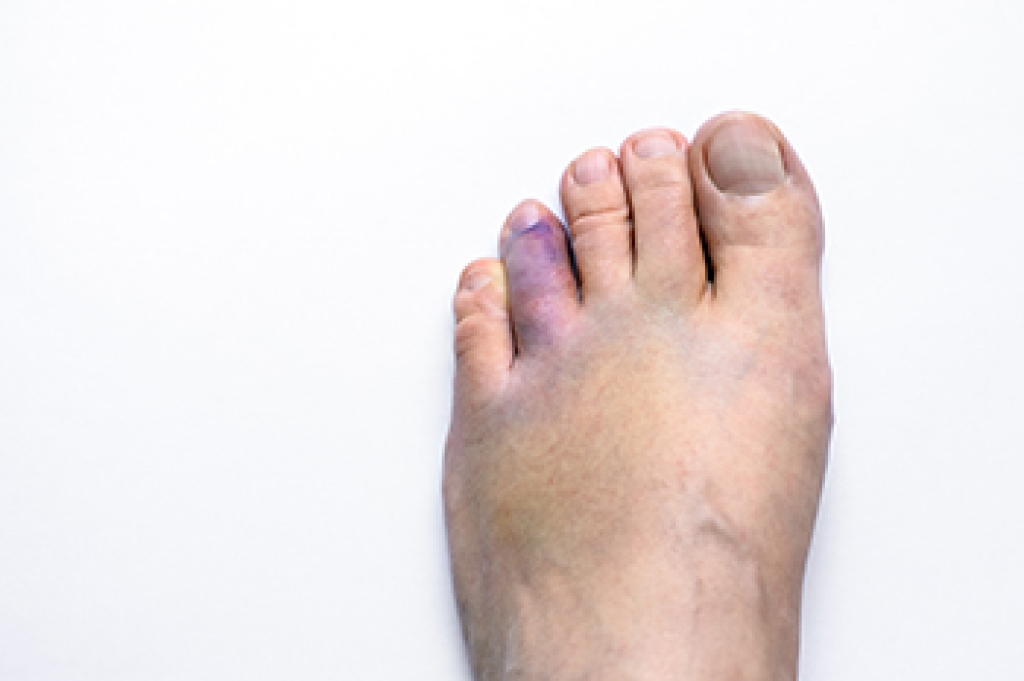
Broken, or fractured, toes are certainly nothing to take too lightly. As a result of breaking one’s toe, an individual can experience annoying symptoms such as pain, swelling, and discoloration of some sort. To help facilitate the healing process for broken toes, a medical professional like a podiatrist might recommend that the patient wears what is called a stiff-soled shoe. After a sufficient amount of time has passed, wearing this kind of shoe is helpful because it essentially minimizes the extent to which the toes move during physical activities, like walking. Consequently, the negative symptoms that are associated with broken toes are mitigated in the process. It is highly recommended that you contact a podiatrist if you think you have fractured your toes because this doctor can help you address any problems you might have. 

A broken toe can be very painful and lead to complications if not properly fixed. If you have any concerns about your feet, contact Renee Rodriquez, DPM from Foot Clinic of South Texas. Our doctor will treat your foot and ankle needs.

What to Know About a Broken Toe

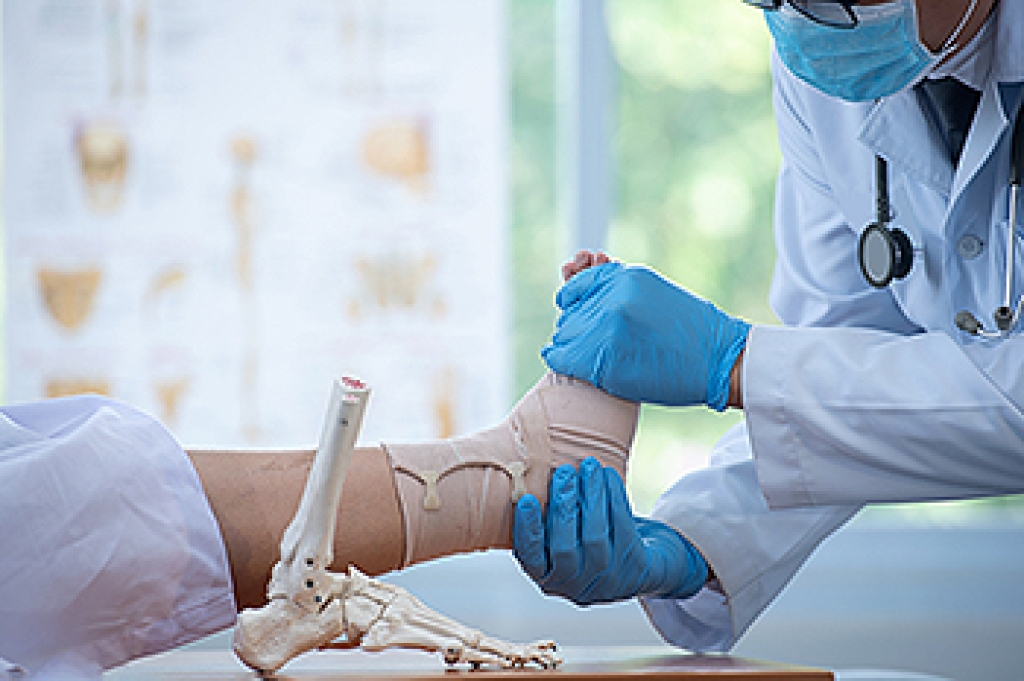
Although most people try to avoid foot trauma such as banging, stubbing, or dropping heavy objects on their feet, the unfortunate fact is that it is a common occurrence. Given the fact that toes are positioned in front of the feet, they typically sustain the brunt of such trauma. When trauma occurs to a toe, the result can be a painful break (fracture).

Symptoms of a Broken Toe

  • Throbbing pain
  • Swelling
  • Bruising on the skin and toenail
  • The inability to move the toe
  • Toe appears crooked or disfigured
  • Tingling or numbness in the toe

Generally, it is best to stay off of the injured toe with the affected foot elevated.

Severe toe fractures may be treated with a splint, cast, and in some cases, minor surgery. Due to its position and the pressure it endures with daily activity, future complications can occur if the big toe is not properly treated.

If you have any questions, please feel free to contact our office located in Brownsville, TX . We offer the newest diagnostic and treatment technologies for all your foot care needs.
Read more about What to Know About a Broken Toe

Are Bunions Affecting Your Everyday Life?

Have you noticed a bony protrusion on the side of your big toe? If so, you may have developed the foot condition known as a bunion. Don't let bunions interfere with your daily activities.

Various Reasons and Ankle Breaks

There are several bones in the ankle that can break from a foot injury. Falling is a common reason to incur a broken ankle, or if it suddenly rolls inward or outward. These types of actions can stretch the ankle joint beyond its normal range, and ligaments may tear. The symptoms that many people experience with a broken ankle can consist of immediate bruising and swelling, and it is extremely difficult to walk. Additional symptoms can include a numbing sensation, and bruising may gradually radiate to the entire foot. A crack, break, or chip in the ankle are considered to fall in the category of a broken ankle, and an X-ray is generally performed that can determine the extent of the injury. This is followed by wearing a protective boot or cast, which can help to complete daily activities. The recovery time for a broken ankle can take several weeks, and this timeframe may be increased if there are complications. If you have broken your ankle, it is advised that you consult with a podiatrist who can provide you with the treatment method that is correct for you.

Broken ankles need immediate treatment. If you are seeking treatment, contact Renee Rodriquez, DPM from Foot Clinic of South Texas. Our doctor can provide the care you need to keep you pain-free and on your feet. 

Broken Ankles
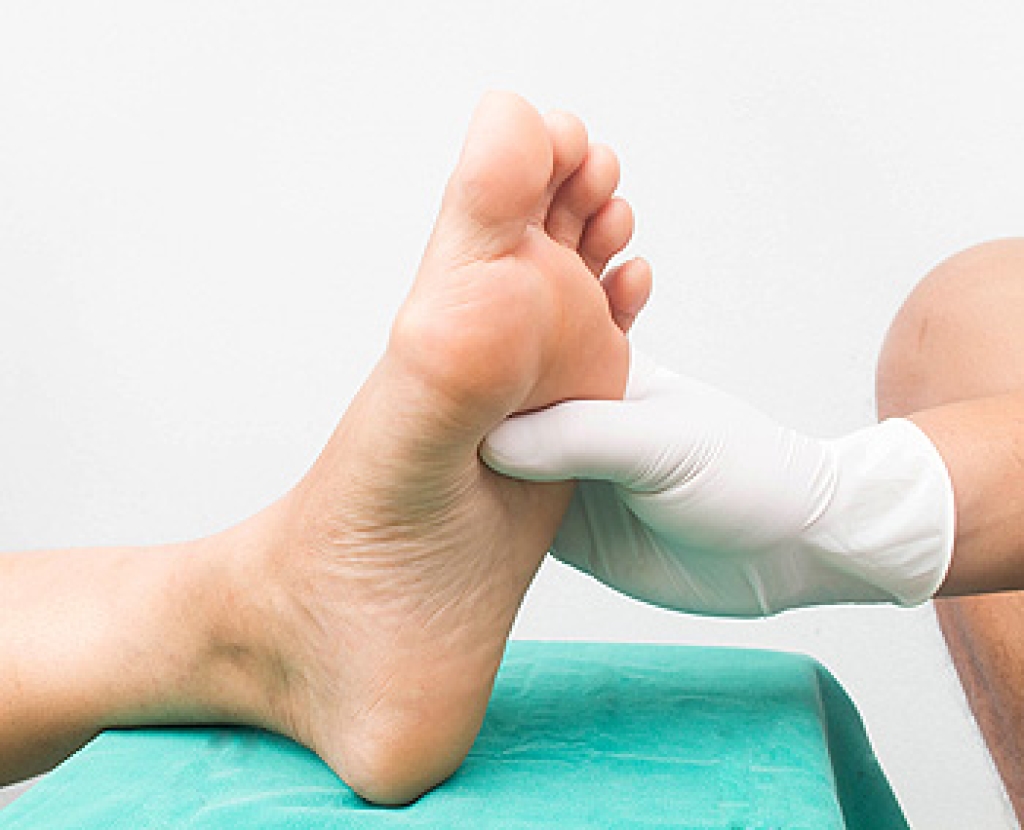
A broken ankle is experienced when a person fractures their tibia or fibula in the lower leg and ankle area. Both of these bones are attached at the bottom of the leg and combine to form what we know to be our ankle.

When a physician is referring to a break of the ankle, he or she is usually referring to a break in the area where the tibia and fibula are joined to create our ankle joint. Ankles are more prone to fractures because the ankle is an area that suffers a lot of pressure and stress. There are some obvious signs when a person experiences a fractured ankle, and the following symptoms may be present.

Symptoms of a Fractured Ankle

  • Excessive pain when the area is touched or when any pressure is placed on the ankle
  • Swelling around the area
  • Bruising of the area
  • Area appears to be deformed

If you suspect an ankle fracture, it is recommended to seek treatment as soon as possible. The sooner you have your podiatrist diagnose the fracture, the quicker you’ll be on the way towards recovery.

If you have any questions, please feel free to contact our office located in Brownsville, TX . We offer the newest diagnostic and treatment technologies for all your foot care needs.
Read more about All About Broken Ankles

Obesity and Diabetic Foot Care

Due to a particular person’s background, they may be at an increased risk of experiencing poor foot health. For example, individuals who are obese or overweight are one such category of people. Patients living with diabetes make up another category. However, when an individual is both obese and diabetic, they assume a comparatively large amount of risk for developing some kind of foot affliction. Obese diabetics may have poor foot health if they do not take proper measures because their chance of experiencing peripheral neuropathy is higher than the average individual. Additionally, obese diabetics are also more likely to experience peripheral arterial disease, which may also be damaging. If you are someone who struggles with both obesity and diabetes, it is strongly suggested that you contact a podiatrist who can help you manage these conditions. Schedule an appointment with your podiatrist today.


Diabetic foot care is important in preventing foot ailments such as ulcers. If you are suffering from diabetes or have any other concerns about your feet, contact Renee Rodriquez, DPM from Foot Clinic of South Texas. Our doctor can provide the care you need to keep you pain-free and on your feet.

Diabetic Foot Care

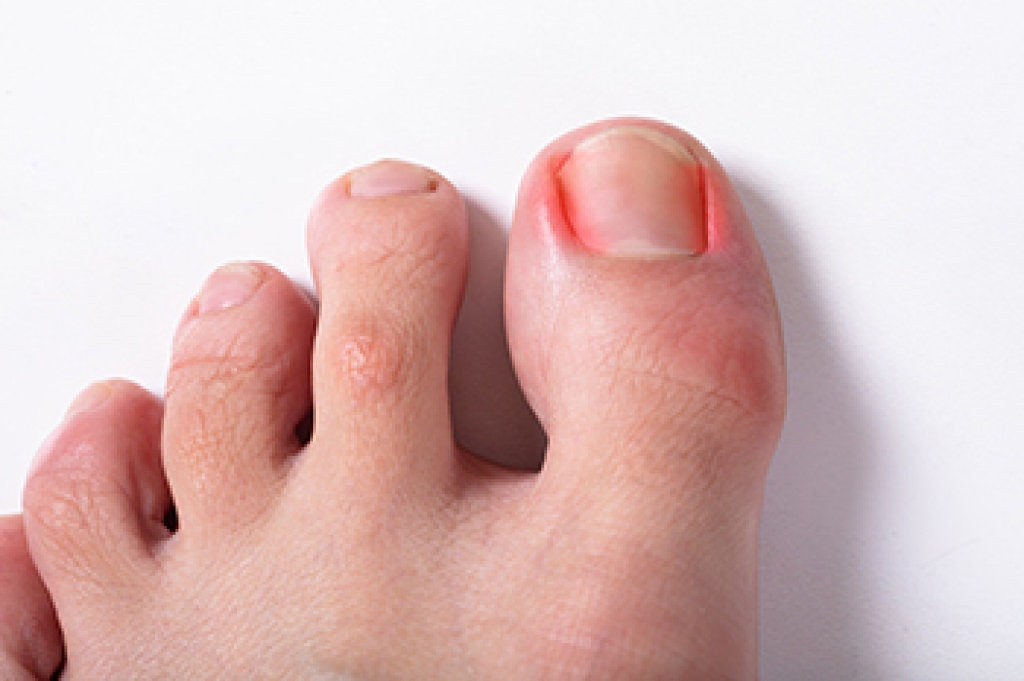
Diabetes affects millions of people every year. The condition can damage blood vessels in many parts of the body, especially the feet. Because of this, taking care of your feet is essential if you have diabetes, and having a podiatrist help monitor your foot health is highly recommended.

The Importance of Caring for Your Feet

  • Routinely inspect your feet for bruises or sores.
  • Wear socks that fit your feet comfortably.
  • Wear comfortable shoes that provide adequate support.

Patients with diabetes should have their doctor monitor their blood levels, as blood sugar levels play such a huge role in diabetic care. Monitoring these levels on a regular basis is highly advised.

It is always best to inform your healthcare professional of any concerns you may have regarding your feet, especially for diabetic patients. Early treatment and routine foot examinations are keys to maintaining proper health, especially because severe complications can arise if proper treatment is not applied.

If you have any questions, please feel free to contact our office located in Brownsville, TX . We offer the newest diagnostic and treatment technologies for all your foot care needs.
Read more about How to Care for Diabetic Foot

Relief Solutions for an Ingrown Toenail

An ingrown toenail is a nail that grows into the skin instead of over it. It is a painful foot condition that generally affects the big toe. It may become infected if prompt medical treatment is not received. There are several reasons an ingrown toenail may develop. These can consist of wearing shoes or socks that are too tight, trimming the toenails incorrectly, or enduring a toe injury. It may become swollen and red, and pus may drain if it becomes infected. Some patients find relief when the affected foot is soaked in warm water, followed by gently pushing the skin away from the nail with a piece of cotton. It is also beneficial to wear shoes that are slightly larger to keep the nail away from the inside of the shoe. Ingrown toenails can be recurring so it is suggested that you visit a podiatrist for a permanent solution and this may include minor surgery for partial or full removal of the nail.

Ingrown toenails may initially present themselves as a minor discomfort, but they may progress into an infection in the skin without proper treatment. For more information about ingrown toenails, contact Renee Rodriquez, DPM of Foot Clinic of South Texas. Our doctor can provide the care you need to keep you pain-free and on your feet.

Ingrown Toenails

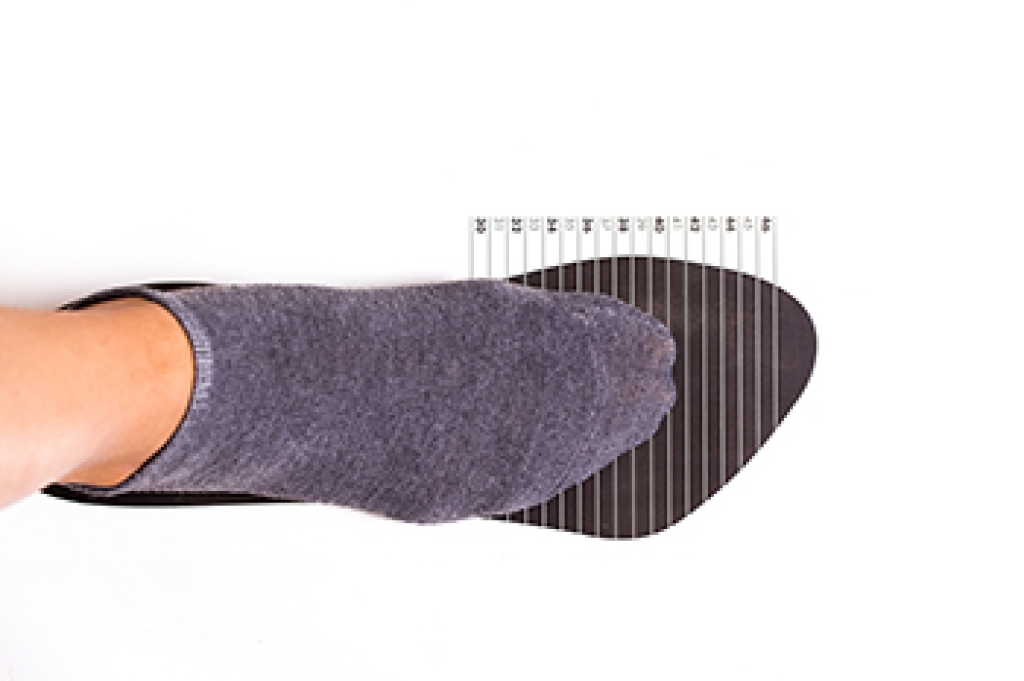
Ingrown toenails are caused when the corner or side of a toenail grows into the soft flesh surrounding it. They often result in redness, swelling, pain, and in some cases, infection. This condition typically affects the big toe and may recur if it is not treated properly.

Causes

  • Improper toenail trimming
  • Genetics
  • Improper shoe fitting
  • Injury from pedicures or nail picking
  • Abnormal gait
  • Poor hygiene

You are more likely to develop an ingrown toenail if you are obese, have diabetes, arthritis, or have any fungal infection in your nails. Additionally, people who have foot or toe deformities are at a higher risk of developing an ingrown toenail.

Symptoms

Some symptoms of ingrown toenails are redness, swelling, and pain. In rare cases, there may be a yellowish drainage coming from the nail.

Treatment

Ignoring an ingrown toenail can have serious complications. Infections of the nail border can progress to a deeper soft-tissue infection, which can then turn into a bone infection. You should always speak with your podiatrist if you suspect you have an ingrown toenail, especially if you have diabetes or poor circulation.

If you have any questions, please feel free to contact our office located in Brownsville, TX . We offer the newest diagnostic and treatment technologies for all your foot care needs.
Read more about Ingrown Toenail Care

Are You Wearing Shoes That Are Too Small?

Wearing shoes that are too small can cause serious health problems. As one ages, the arch of the foot falls and feet flatten and spread. This often requires wider and maybe longer shoes. If the edges of the shoes can be felt with the toes, the shoes are probably too tight. There should be plenty of room for the toes to move freely inside the shoes. Shoes should be purchased near the end of the day as the feet tend to swell as the day goes on. If shoes rub or pinch any part of the foot, they are likely too small as well. Most people do not really know their accurate shoe size as they do not often have their feet measured and different brands and models of shoes differ in size. Make sure to have a professional measure your feet and provide options if your feet are different sizes. It is recommended that the shoe size fit the longer foot. If you want to make sure you are wearing shoes that fit well and are best for your feet, consult with a podiatrist who is an expert in everything related to feet and ankles.

Getting the right shoe size is an important part of proper foot health. Seek the assistance of Renee Rodriquez, DPM from Foot Clinic of South Texas. Our doctor will provide the care you need to keep you pain-free and on your feet.

Getting the Right Shoe Size

There are many people who wear shoes that are the incorrect size, negatively affecting their feet and posture. Selecting the right shoes is not a difficult process, so long as you keep several things in mind when it comes to choosing the right pair.

  • When visiting the shoe store, use the tools available to measure your foot.
  • Be sure there is ‘wiggle room’. There should be about an inch between your toes and the tip of your shoes.
  • Do not always assume you are the same size, as manufacturers run differently.
  • Purchase shoes later in the day, as your feet swell as the day progresses.
  • If a shoe is not comfortable, it is not suitable. Most shoes can’t be ‘broken in’, and comfort should be the ultimate goal when it comes to choosing the right pair of shoes

As our feet hold our body weight and keep us moving, it is important to treat them right. Picking the right pair of shoes can provide your feet comfort and mobility without pain.

If you have any questions, please feel free to contact our office located in Brownsville, TX . We offer the newest diagnostic and treatment technologies for all your foot care needs.

Read more about Getting the Right Shoe Size: To Keep Your Feet Happy

Choosing the Correct Running Shoe

It is beneficial to decide which type of running is desired before choosing the right running shoe. An important factor to look for is comfort and it is helpful to try the shoes on to find the most fitting pair. Various running styles can range from sprints to longer runs, in addition to types of running consisting of treadmill or street running. Shoes that have extra cushioning may be adequate for easier running and may not be suitable for sprints because of how heavy they can be. People who enjoy trail running may choose shoes that have soles with extra tread, as compared to flatter soles that are found on road shoes. When running is done on hard surfaces, it may add strain to the ankles. For this reason, shoes that have additional support features might be the better choice and may help to prevent injury too. If you are considering purchasing running shoes, please consult with a podiatrist who can successfully guide you in choosing the right running shoe.

If you are a runner, wearing the right running shoe is essential. For more information, contact Renee Rodriquez, DPM from Foot Clinic of South Texas. Our doctor can provide the care you need to keep you pain-free and on your feet.

Choosing the Right Running Shoe for Your Foot Type

To increase performance and avoid the risk of injury, it is important to choose the right running shoe based on your foot type. The general design of running shoes revolves around pronation, which is how the ankle rolls from outside to inside when the foot strikes the ground.

  • Neutral runners are able to choose from a wide variety of shoes, including minimalist shoes or even going barefoot.
  • Runners who overpronate, or experience an over-abundance of ankle rolling, should choose shoes that provide extra motion control and stability.
  • Runners who underpronate, or supinate, have feet that have high arches and lack flexibility, preventing shock absorption. They require shoes with more flexibility and cushion.

If you have any questions, please feel free to contact our office located in Brownsville, TX . We offer the newest diagnostic and treatment technologies for all your foot care needs.
Read more about Choosing the Right Running Shoe for Your Foot Type

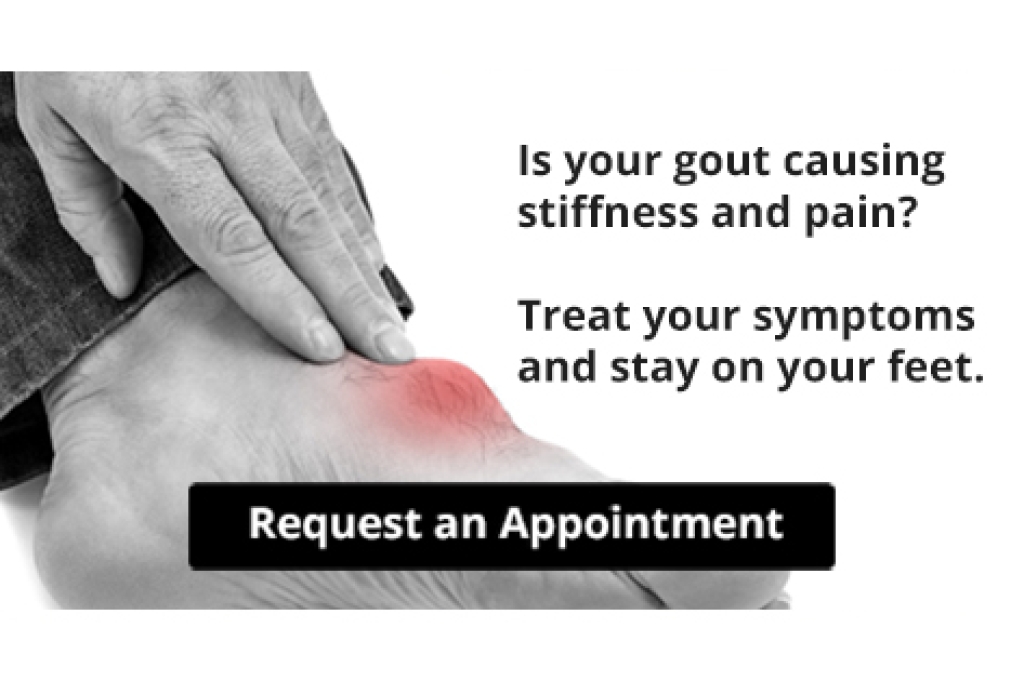
Gout Pain Can Be Managed

Gout is a painful, inflammatory form of arthritis. Those affected will typically feel an intense stiffness in the joints of their feet, particularly in the big toe. Schedule a visit to learn about how gout can be managed and treated.

Recognizing Early Signs of Foot Arthritis

Arthritis can affect many parts of the body, including the joints of your feet. There are several types of arthritis that can affect the feet, the most common being osteoarthritis. The joints are covered with articular cartilage, connective tissue that covers the surface of bones in joints. This cartilage reduces friction with joint movement. Arthritis will cause the joints to wear down and lose this cartilage, resulting in the bones rubbing against each other. Soft tissues in joints might also become worn, and this can cause stiff joints that will not function properly. Early signs of foot arthritis include pain, swelling, and stiffness. This ailment can cause acute, or sudden, symptoms or chronic, or long-lasting, symptoms. When osteoarthritis affects the feet, it is usually the joint in the big toe that is first impacted. However, this kind of arthritis can also affect the midfoot. If you have pain in your feet for any reason, or think you might have arthritis, see a podiatrist who can properly evaluate your condition and offer treatment options to provide relief.

Arthritis can be a difficult condition to live with. If you are seeking treatment, contact Renee Rodriquez, DPM from Foot Clinic of South Texas. Our doctor can provide the care you need to keep you pain-free and on your feet.

Arthritic Foot Care  

Arthritis is a joint disorder that involves the inflammation of different joints in your body, such as those in your feet. Arthritis is often caused by a degenerative joint disease and causes mild to severe pain in all affected areas. In addition to this, swelling and stiffness in the affected joints can also be a common symptom of arthritis.

In many cases, wearing ill-fitting shoes can worsen the effects and pain of arthritis. Wearing shoes that have a lower heel and extra room can help your feet feel more comfortable. In cases of rheumatoid arthritis, the arch in your foot may become problematic. Buying shoes with proper arch support that contour to your feet can help immensely.

Alleviating Arthritic Pain

  • Exercises that stretch the foot can prevent further pain and injury and increase mobility
  • Most of the pain can be alleviated with anti-inflammatory drugs, heat, and topical medications
  • Massages can help temporarily alleviate pain.

It is best to see your doctor for the treatment that is right for your needs and symptoms. Conditions vary, and a podiatrist can help you determine the right method of care for your feet.

If you have any questions please feel free to contact our office located in Brownsville, TX . We offer the newest diagnostic tools and technology to treat your foot and ankle needs.

Read more about Arthritic Foot Care

Connect With Us

Request Appointment Patient Portal