Causes and Treatment of Pressure Ulcers

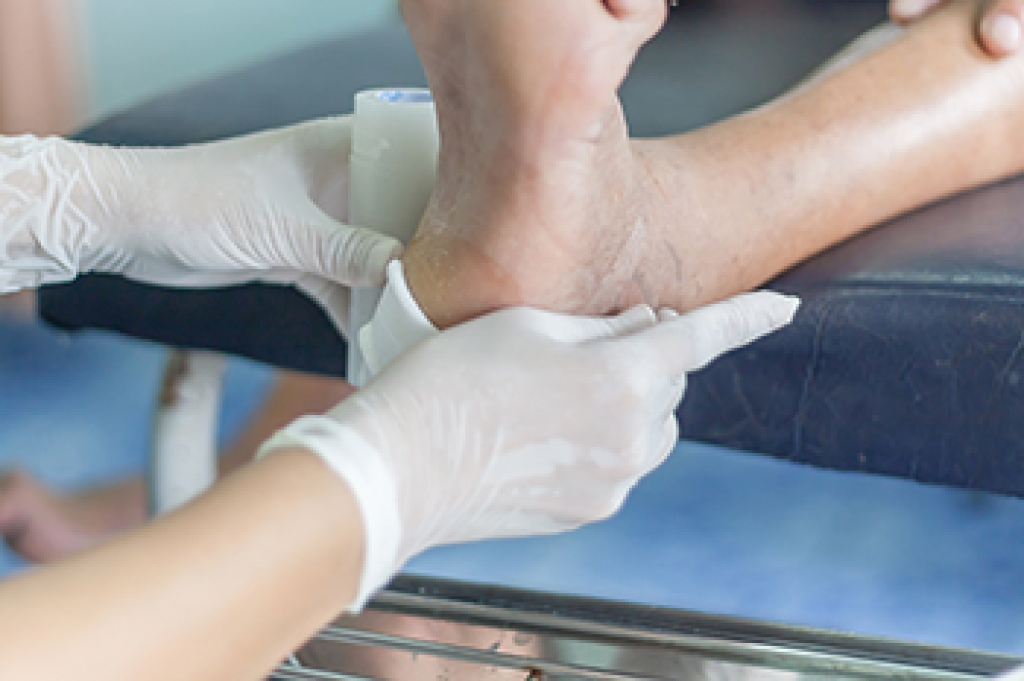
Pressure ulcers, also called bedsores, can develop on the feet, heels, or toes when constant pressure or shear forces restrict blood flow to the skin and underlying tissues. This often happens when people are confined to bed, use wheelchairs for long periods, or cannot move certain parts of their body. Shear forces, which occur when the skin moves in one direction while the bone moves in another can stretch or tear small blood vessels. Friction and moisture further weaken the skin, making ulcers more likely to develop. Older adults, people with foot deformities, poor circulation, or diabetes and kidney disease are more prone to developing these ulcers. A podiatrist can evaluate the depth and severity of the pressure ulcer and help manage it through proper wound care, debridement to remove dead tissue, and dressing selection. If you are suffering from painful pressure ulcers, it is suggested that you schedule an appointment with a podiatrist for a diagnosis and appropriate treatment.

Wound care is an important part in dealing with diabetes. If you have diabetes and a foot wound or would like more information about wound care for diabetics, consult with Renee Rodriquez, DPM from Foot Clinic of South Texas. Our doctor will assess your condition and provide you with quality foot and ankle treatment.

What Is Wound Care?

Wound care is the practice of taking proper care of a wound. This can range from the smallest to the largest of wounds. While everyone can benefit from proper wound care, it is much more important for diabetics. Diabetics often suffer from poor blood circulation which causes wounds to heal much slower than they would in a non-diabetic. 

What Is the Importance of Wound Care?

While it may not seem apparent with small ulcers on the foot, for diabetics, any size ulcer can become infected. Diabetics often also suffer from neuropathy, or nerve loss. This means they might not even feel when they have an ulcer on their foot. If the wound becomes severely infected, amputation may be necessary. Therefore, it is of the upmost importance to properly care for any and all foot wounds.

How to Care for Wounds

The best way to care for foot wounds is to prevent them. For diabetics, this means daily inspections of the feet for any signs of abnormalities or ulcers. It is also recommended to see a podiatrist several times a year for a foot inspection. If you do have an ulcer, run the wound under water to clear dirt from the wound; then apply antibiotic ointment to the wound and cover with a bandage. Bandages should be changed daily and keeping pressure off the wound is smart. It is advised to see a podiatrist, who can keep an eye on it.

If you have any questions please contact our office located in Brownsville, TX . We offer the newest diagnostic and treatment technologies for all your foot and ankle needs.
Read more about Wound Care

Definition and Early Signs of Gout

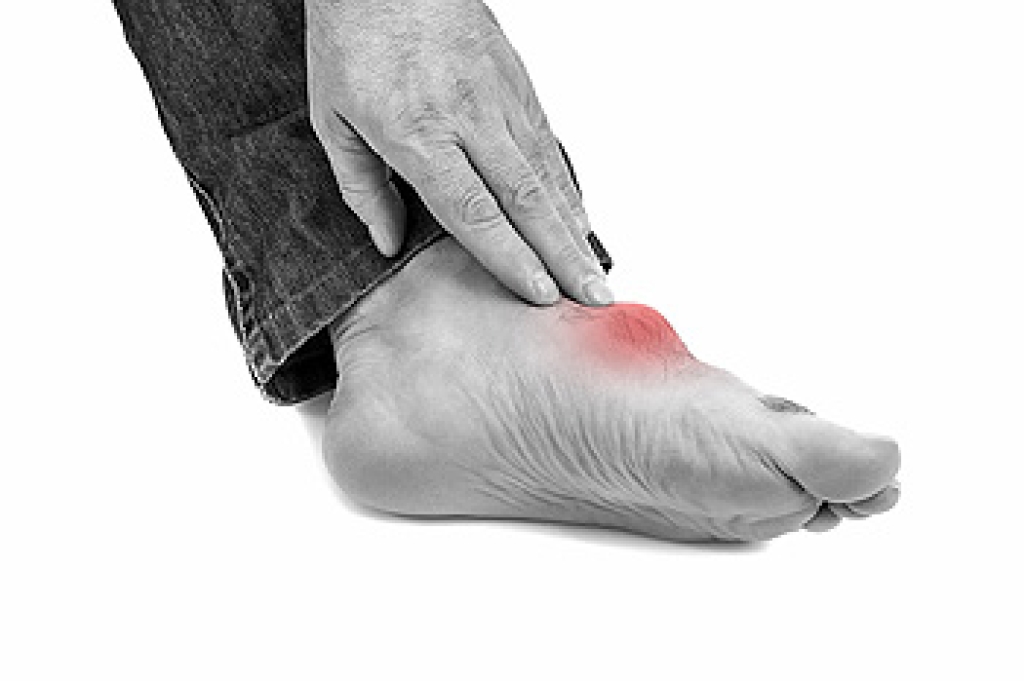
Gout is a form of inflammatory arthritis that develops when uric acid builds up in the blood and forms sharp crystals in the joints. The big toe is one of the most common locations for a gout attack due to its lower temperature and reduced circulation compared to other areas. Early signs of gout often begin suddenly and may include intense pain, swelling, redness, and warmth in the affected toe. The joint may become extremely tender, making it difficult to walk or wear shoes. These symptoms often appear during the night and can worsen quickly. Gout can be extremely painful, and may cause difficulty in completing daily activities. If you have symptoms of this condition, it is strongly suggested that you are under the care of a podiatrist who can offer you relief, management and prevention tips.

Gout is a painful condition that can be treated. If you are seeking treatment, contact Renee Rodriquez, DPM from Foot Clinic of South Texas. Our doctor will treat your foot and ankle needs.

What Is Gout?

Gout is a form of arthritis that is characterized by sudden, severe attacks of pain, redness, and tenderness in the joints. The condition usually affects the joint at the base of the big toe. A gout attack can occur at any random time, such as the middle of the night while you are asleep.

Symptoms

  • Intense Joint Pain - Usually around the large joint of your big toe, and it most severe within the first four to twelve hours
  • Lingering Discomfort - Joint discomfort may last from a few days to a few weeks
  • Inflammation and Redness -Affected joints may become swollen, tender, warm and red
  • Limited Range of Motion - May experience a decrease in joint mobility

Risk Factors

  • Genetics - If family members have gout, you’re more likely to have it
  • Medications - Diuretic medications can raise uric acid levels
  • Gender/Age - Gout is more common in men until the age of 60. It is believed that estrogen protects women until that point
  • Diet - Eating red meat and shellfish increases your risk
  • Alcohol - Having more than two alcoholic drinks per day increases your risk
  • Obesity - Obese people are at a higher risk for gout

Prior to visiting your podiatrist to receive treatment for gout, there are a few things you should do beforehand. If you have gout you should write down your symptoms--including when they started and how often you experience them, important medical information you may have, and any questions you may have. Writing down these three things will help your podiatrist in assessing your specific situation so that he or she may provide the best route of treatment for you.

If you have any questions, please feel free to contact our office located in Brownsville, TX . We offer the newest diagnostic and treatment technologies for all your foot care needs.

Read more about Everything You Need to Know About Gout

Causes and Treatment of Cracked Heels

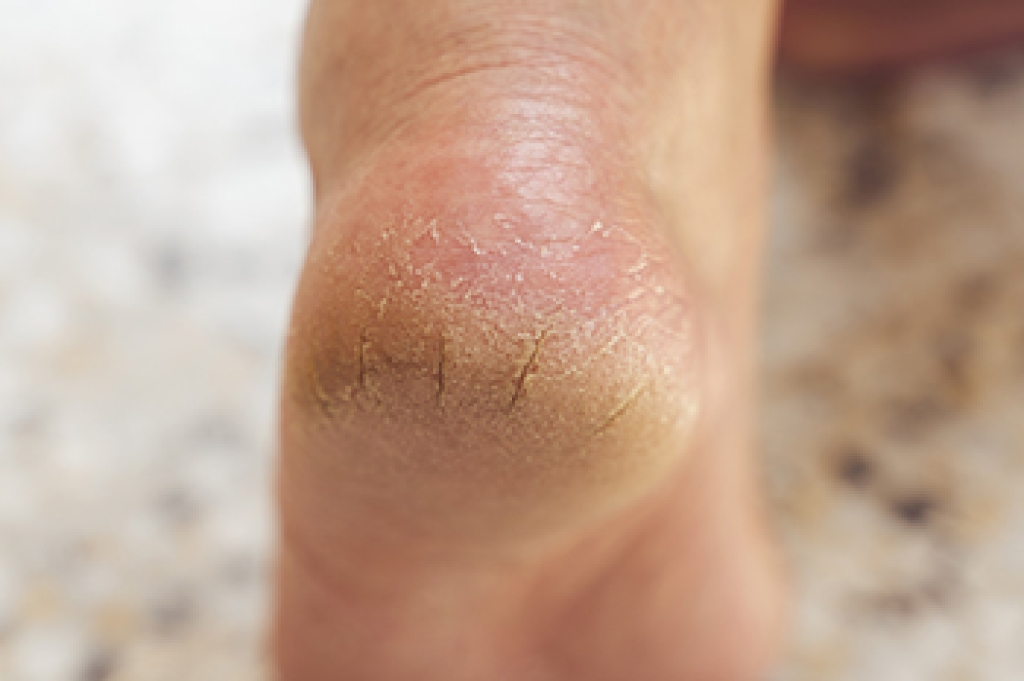
Cracked heels, or heel fissures, occur when the skin on the bottom of the feet becomes excessively dry and splits under pressure. Initially, these cracks may be superficial, causing minimal discomfort. However, without proper care, heel fissures can deepen, leading to pain, bleeding, and an increased risk of infection. Factors contributing to cracked heels include prolonged standing, wearing open-back shoes, walking barefoot, obesity, and medical conditions such as diabetes. Symptoms often involve discomfort while standing or walking, itching, and visible flaking of the skin. To address this issue, a podiatrist can remove thickened skin, apply dressings to minimize skin movement, and recommend appropriate footwear to alleviate pressure on the heels. If you have painful heel fissures, it is suggested that you schedule an appointment with a podiatrist for an exam and appropirate treatment.​

Cracked heels are unsightly and can cause further damage to your shoes and feet. If you have any concerns, contact Renee Rodriquez, DPM from Foot Clinic of South Texas. Our doctor can provide the care you need to keep you pain-free and on your feet.

Cracked Heels

Cracked heels appear unappealing and can make it harder for you walk around in sandals. Aside from looking unpleasant, cracked heels can also tear stockings, socks, and wear out your shoes. There are several methods to help restore a cracked heel and prevent further damage.

How Do You Get Them?

Dry skin is the number one culprit in creating cracked heels. Many athletes, walkers, joggers, and even swimmers suffer from cracked heels. Age and skin oil production play a role to getting cracked heels as well.

Promote Healing

Over the counter medicines can help, especially for those that need instant relief or who suffer from chronic dry feet.

Wear Socks – Wearing socks with medicated creams helps lock in moisture.

Moisturizers – Applying both day and night will help alleviate dryness which causes cracking.

Pumice Stones – These exfoliate and remove dead skin, which allows for smoother moisturizer application and better absorption into the skin. 

Change in Diet

Eating healthy with a well-balanced diet will give the skin a fresh and radiant look. Your body responds to the kinds of food you ingest. Omega-3 fatty acids and zinc supplements can also revitalize skin tissue.

Most importantly, seek professional help if unsure how to proceed in treating cracked heels. A podiatrist will help you with any questions or information needed. 

If you have any questions, please feel free to contact our office located in Brownsville, TX . We offer the newest diagnostic and treatment technologies for all your foot care needs.

Read more about Solutions for Cracked Heels

Choosing Baby’s First Shoes

Selecting the right shoes for a baby is essential for their comfort and foot development. The best time to introduce shoes is when the baby begins to walk outdoors, as they need protection from rough surfaces. Soft, flexible materials such as leather or breathable mesh allow natural movement and keep the feet comfortable. A proper fit is important to prevent discomfort, so shoes should have enough room for growth without being too loose. Supportive soles with a slight grip provide stability while allowing natural foot motion. Additionally, easy-to-fasten closures help keep the shoes secure while making them simple to put on and take off. It is vital that your child wears shoes that fit correctly while walking outside. If you would like more information or have questions about specific types of babies first shoes, it is suggested that you consult a podiatrist who can provide you with the knowledge you are seeking.

Making sure that your children maintain good foot health is very important as they grow. If you have any questions, contact Renee Rodriquez, DPM of Foot Clinic of South Texas. Our doctor can provide the care you need to keep you pain-free and on your feet.

Keeping Children's Feet Healthy

Having healthy feet during childhood can help prevent medical problems later in life, namely in the back and legs. As children grow, their feet require different types of care. Here are some things to consider...

Although babies do not walk yet, it is still very important to take care of their feet.

Avoid putting tight shoes or socks on his or her feet.

Allow the baby to stretch and kick his or her feet to feel comfortable.

As a toddler, kids are now on the move and begin to develop differently. At this age, toddlers are getting a feel for walking, so don’t be alarmed if your toddler is unsteady or ‘walks funny’. 

As your child gets older, it is important to teach them how to take care of their feet.

Show them proper hygiene to prevent infections such as fungus.

Be watchful for any pain or injury.

Have all injuries checked by a doctor as soon as possible.

Comfortable, protective shoes should always be worn, especially at play.

If you have any questions, please feel free to contact our office located in Brownsville, TX . We offer the newest diagnostic and treatment technologies for all your foot care needs.

Read more about What to Do to Keep Your Child’s Feet Healthy

Heel Pain in the Morning?

Heel pain can negatively affect your day-to-day life. Simple activities like walking can become incredibly uncomfortable or painful due to heel pain.

Don’t live with heel pain and get treated.

Common Foot Problems in Restaurant Workers

Restaurant workers spend long hours on their feet, making them prone to a variety of foot problems. Among them are plantar fasciitis, bunions, calluses, corns, and ingrown toenails. Constant standing and walking on hard surfaces place excessive pressure on the feet, leading to foot pain and fatigue. Shoes with inadequate support and cushioning can contribute to arch strain, heel pain, and the development of neuromas. Long shifts in tight or damp shoes may also increase the risk of fungal infections and toenail issues. Ankle instability and sprains are common due to quick movements and slippery floors. A podiatrist can assess foot pain, provide treatment for existing conditions, and recommend footwear that offers proper support and shock absorption. Custom orthotics may help alleviate pressure on the arches and heels, while addressing any misalignment that may contribute to discomfort. If you experience foot pain after working on your feet, it is suggested that you schedule an appointment with a podiatrist for an exam and treatment options, including guidance on proper footwear.

While working on the feet, it is important to take the proper care of them. For more information about working on your feet, contact Renee Rodriquez, DPM from Foot Clinic of South Texas. Our doctor will treat your foot and ankle needs.

Working on Your Feet

Standing on your feet for long periods of time can cause stress and pain in your feet. Your whole body may experience change in terms of posture, back pain, bunions, callouses and or plantar warts. There are ways to avoid these conditions with proper foot care, smart choices and correct posture.

Positive Changes

Negative heeled shoe – Choosing this shoe type places the heel slightly lower than the ball of the foot. These are great for overall foot health. Find shoes that fit you correctly.

Go barefoot – Our feet were not designed to be enclosed for all hours of the day. Try to periodically expose your feet to air.

Eliminate Pain

Foot Exercises – Performing simple exercises, incorporating yoga and doing stretches are beneficial. This will allow increased blood flow to the area and muscles of the foot.

Achilles tendon – Stretching the foot out flat on the floor will relax the calf muscles and tendon. These exercises can be performed almost anywhere. Make sure you add these exercises to your daily regimen. 

With a little bit of this information and knowing more about foot health, you will notice changes. Foot stretches and proper footwear will help with pain and prevent further issues.

If you have any questions please contact our office located in Brownsville, TX . We offer the newest diagnostic and treatment technologies for all your foot and ankle needs.

Read more about Working on Your Feet

Facts About Eversion Ankle Sprains

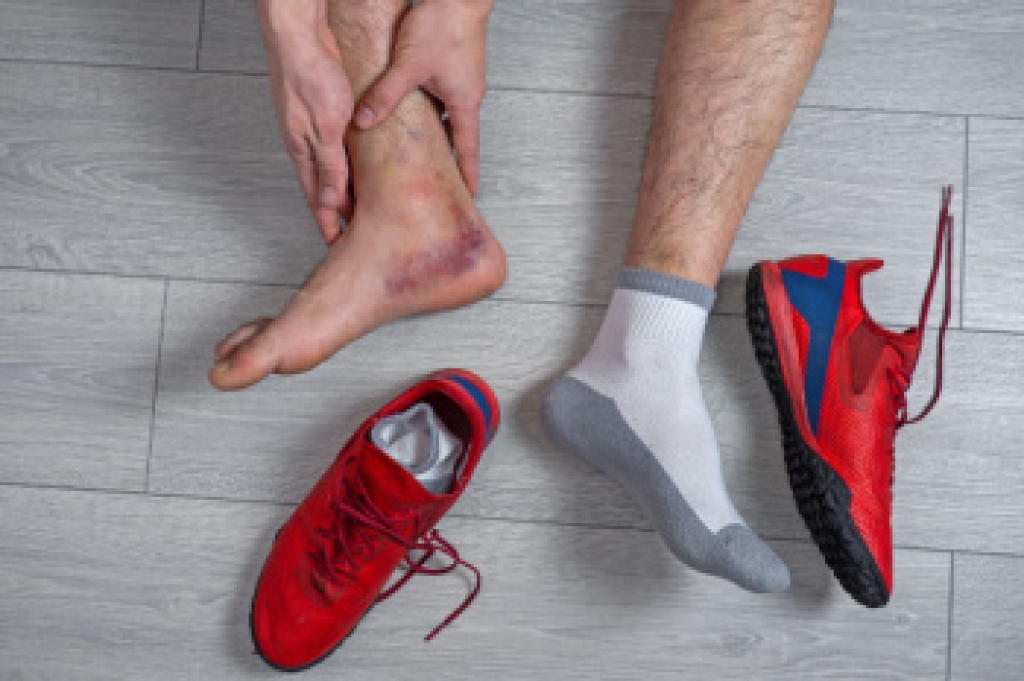
An eversion ankle sprain happens when the ankle rolls outward, stretching or tearing the deltoid ligaments on the inner side of the joint. This contrasts with the more common inversion sprain, where the ankle rolls inward, affecting the ligaments on the outer side. Eversion ankle sprains are often more severe because the deltoid ligaments are strong and require greater force to cause injury. An eversion ankle sprain can result from landing awkwardly, sudden directional changes, or twisting motions where the foot moves outward while the leg rotates inward. Symptoms include pain, swelling, and bruising on the inner ankle, whereas inversion sprains typically cause discomfort on the outer side. Eversion sprains also have a higher risk of injuries that affect the ligaments connecting the tibia and fibula above the ankle joint. These types of injuries can make walking difficult and may require extended healing time. A podiatrist can assess the severity, check for fractures, and determine if a cast, boot, or surgery is necessary. If you have sprained an ankle, it is suggested that you schedule an immediate appointment with a podiatrist for an exam, diagnosis, and treatment options.

Although ankle sprains are common, they aren’t always minor injuries. If you need your ankle injury looked at, contact Renee Rodriquez, DPM from Foot Clinic of South Texas. Our doctor can provide the care you need to keep you pain-free and on your feet.

How Does an Ankle Sprain Occur?

Ankle sprains are the result of a tear in the ligaments within the ankle. These injuries may happen when you make a rapid shifting movement while your foot is planted. A less common way to sprain your ankle is when your ankle rolls inward while your foot turns outward.

What Are the Symptoms?

  • Pain at the sight of the tear
  • Bruising/Swelling
  • Ankle area is tender to touch
  • In severe cases, may hear/feel something tear
  • Skin discoloration

Preventing a Sprain

  • Wearing appropriate shoes for the occasion
  • Stretching before exercises and sports
  • Knowing your limits

Treatment of a Sprain

In many cases, the RICE method (Rest, Ice, Compression, and Elevate) is used to treat ankle sprains. However, you should see a podiatrist to see which treatment option would work best with your injury. In severe cases, surgery may be required.

It is important to ask your doctor about rehab options after you receive treatment for your injury. Stretching, strength training, and balance exercises may help the ankle heal while also preventing further injury.

If you have any questions, please feel free to contact our office located in Brownsville, TX . We offer the newest diagnostic and treatment technologies for all your foot care needs.

Read more about Three Grades of Ankle Sprains

An Itch Not to Ignore

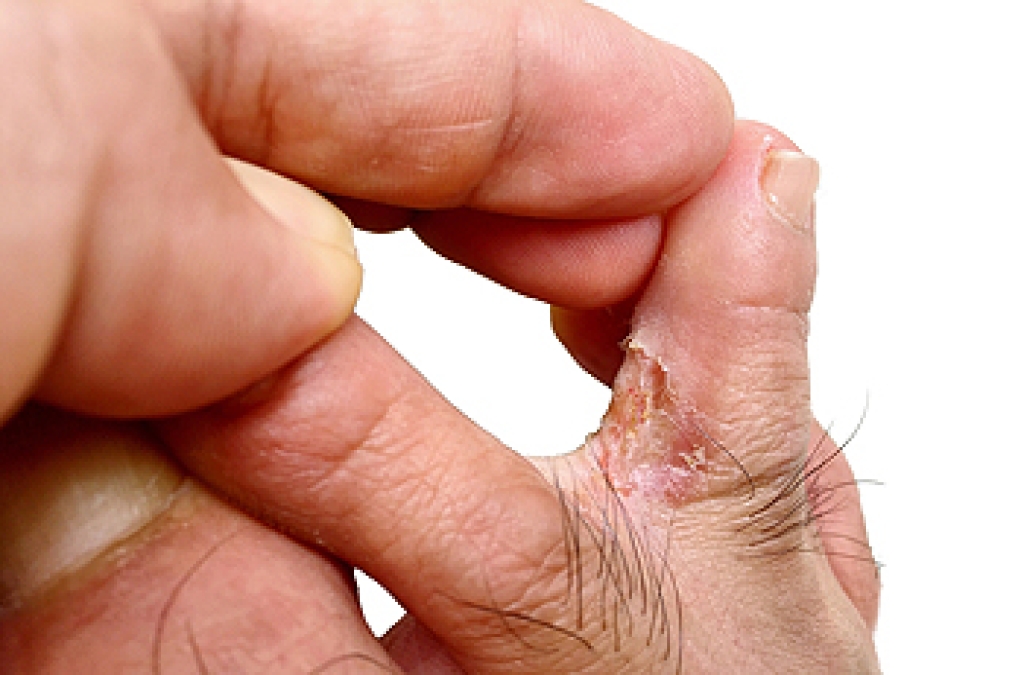
It starts as a mild itch, just a little irritation between your toes. Maybe your skin feels dry or slightly cracked. Then, before you know it, that subtle annoyance turns into relentless burning, peeling, and redness. Athlete’s foot is not just a minor inconvenience. It is a fungal invasion thriving in warm, damp spaces like sweaty socks and shared locker rooms. Many people dismiss it, thinking it is just dry skin, but, left untreated, it spreads. Blisters can form, skin can crack open, and secondary infections can take hold. Some even find the fungus creeping into their toenails, making them thick and discolored. Scratching only makes it worse, spreading the infection to hands and other areas. Mild treatments may help, but if it keeps coming back or worsens, it is suggested that you schedule an appointment with a podiatrist who can provide stronger solutions to stop the cycle and restore healthy skin.

Athlete’s Foot

Athlete’s foot is often an uncomfortable condition to experience. Thankfully, podiatrists specialize in treating athlete’s foot and offer the best treatment options. If you have any questions about athlete’s foot, consult with Renee Rodriquez, DPM from Foot Clinic of South Texas. Our doctor will assess your condition and provide you with quality treatment.

What Is Athlete’s Foot?

Tinea pedis, more commonly known as athlete’s foot, is a non-serious and common fungal infection of the foot. Athlete’s foot is contagious and can be contracted by touching someone who has it or infected surfaces. The most common places contaminated by it are public showers, locker rooms, and swimming pools. Once contracted, it grows on feet that are left inside moist, dark, and warm shoes and socks.

Prevention

The most effective ways to prevent athlete’s foot include:

  • Thoroughly washing and drying feet
  • Avoid going barefoot in locker rooms and public showers
  • Using shower shoes in public showers
  • Wearing socks that allow the feet to breathe
  • Changing socks and shoes frequently if you sweat a lot

Symptoms

Athlete’s foot initially occurs as a rash between the toes. However, if left undiagnosed, it can spread to the sides and bottom of the feet, toenails, and if touched by hand, the hands themselves. Symptoms include:

  • Redness
  • Burning
  • Itching
  • Scaly and peeling skin

Diagnosis and Treatment

Diagnosis is quick and easy. Skin samples will be taken and either viewed under a microscope or sent to a lab for testing. Sometimes, a podiatrist can diagnose it based on simply looking at it. Once confirmed, treatment options include oral and topical antifungal medications.

If you have any questions, please feel free to contact our office located in Brownsville, TX . We offer the newest diagnostic and treatment technologies for all your foot care needs.

Read more about Athlete's Foot

Causes and Prevention of Black Toenails

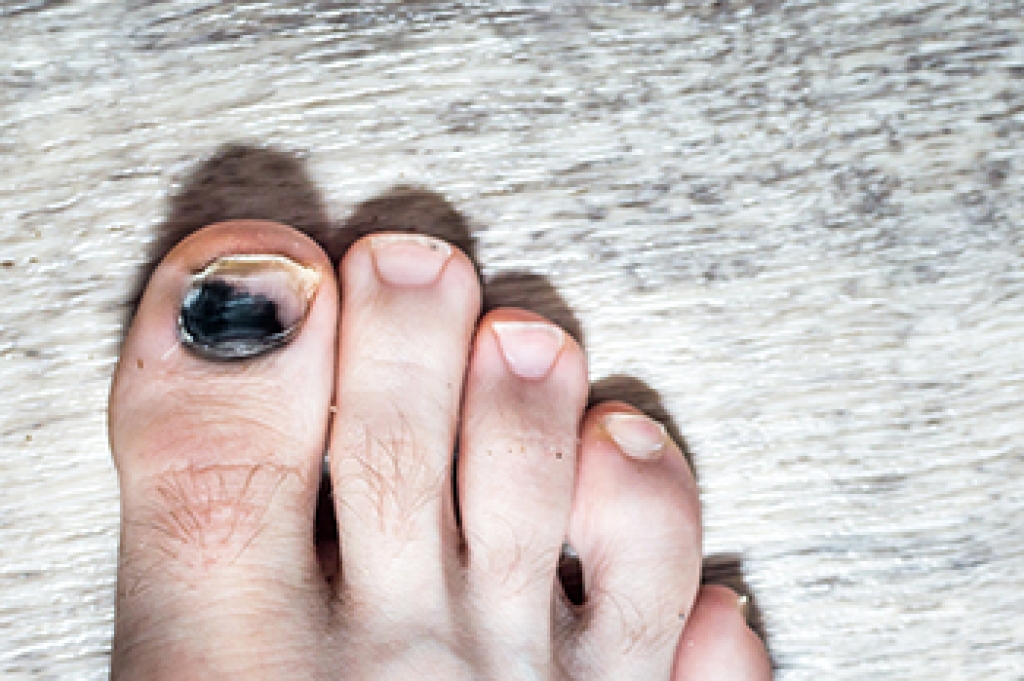
A black toenail occurs when the nail becomes discolored, often appearing dark or bruised. This condition is usually caused by repeated trauma, such as from wearing tight shoes or excessive running, which leads to bleeding under the nail. Fungal infections, underlying health conditions, or injuries from dropping a heavy object on the toe can also contribute to nail discoloration. In some cases, a black toenail may indicate a more serious medical concern. Preventing black toenails involves wearing properly fitted shoes with adequate toe space, keeping nails trimmed, and maintaining good foot hygiene. Reducing repetitive stress on the toes and seeking prompt treatment for any infections or injuries can also help. If discoloration persists or is accompanied by pain and swelling, it is suggested that you consult a podiatrist who can offer effective relief tips, in addition to ruling out any serious conditions.

Toe pain can disrupt your daily activities. If you have any concerns, contact Renee Rodriquez, DPM of Foot Clinic of South Texas. Our doctor can provide the care you need to keep you pain-free and on your feet.

What Causes Toe Pain?

Most severe toe pain is caused due to a sports injury, trauma from dropping something heavy on the toe, or bumping into something rigid. Other problems can develop over time for various reasons.

Toe pain can be caused by one or more ailments. The most common include:

  • Trauma
  • Sports injury
  • Wearing shoes that are too tight
  • Arthritis
  • Gout
  • Corns and calluses
  • Hammertoe
  • Bunions
  • Blisters
  • Ingrown toenails
  • Sprains
  • Fractures (broken bones)
  • Dislocations

When to See a Podiatrist

  • Severe pain
  • Persistent pain that lasts more than a week
  • Signs of infection
  • Continued swelling
  • Pain that prevents walking

Diagnosis

In many cases the cause of toe pain is obvious, but in others, a podiatrist may want to use more advanced methods to determine the problem. These can range from simple visual inspections and sensation tests to X-rays and MRI scans. Prior medical history, family medical history, and any recent physical traumatic events will all be taken into consideration for a proper diagnosis.

Treatment

Treatments for toe pain and injuries vary and may include shoe inserts, padding, taping, medicines, injections, and in some cases, surgery. If you believe that you have broken a toe, please see a podiatrist as soon as possible.

If you have any questions please contact our office located in Brownsville, TX . We offer the newest diagnostic and treatment technologies for all your foot and ankle needs.

Read more about Toe Pain

It's Time for Beautiful Feet

You don't need an excuse to have beautiful nails. Step outside without worrying about the appearance of your feet.

Connect With Us

Request Appointment Patient Portal