
Foot Pain Can Be Inconvenient

The feet are responsible for multiple functions of the body. These include balancing the body’s weight, and allowing mobility by walking and running. Many people do not pay attention to their feet unless they develop foot pain. There are various reasons why foot pain can happen, ranging from a broken bone to arthritis. Each foot has 26 bones, numerous ligaments, muscles, and tendons, and an injury or medical condition can cause foot pain.  For example, one common painful foot deformity is a bunion. This is a hard lump that forms on the side of the big toe may cause the other toes to shift together. If you have foot pain for any reason, it is strongly suggested that you confer with a podiatrist who can pinpoint the cause, and treat it accordingly.

Foot Pain

Foot pain can be extremely painful and debilitating. If you have a foot pain, consult with Renee Rodriquez, DPM from Foot Clinic of South Texas. Our doctor will assess your condition and provide you with quality foot and ankle treatment.

Causes

Foot pain is a very broad condition that could be caused by one or more ailments. The most common include:

  • Bunions
  • Hammertoes
  • Plantar Fasciitis
  • Bone Spurs
  • Corns
  • Tarsal Tunnel Syndrome
  • Ingrown Toenails
  • Arthritis (such as Gout, Rheumatoid, and Osteoarthritis)
  • Flat Feet
  • Injury (from stress fractures, broken toe, foot, ankle, Achilles tendon ruptures, and sprains)
  • And more

Diagnosis

To figure out the cause of foot pain, podiatrists utilize several different methods. This can range from simple visual inspections and sensation tests to X-rays and MRI scans. Prior medical history, family medical history, and any recent physical traumatic events will all be taken into consideration for a proper diagnosis.

Treatment

Treatment depends upon the cause of the foot pain. Whether it is resting, staying off the foot, or having surgery; podiatrists have a number of treatment options available for foot pain.

If you have any questions, please feel free to contact our office located in Brownsville, TX . We offer the newest diagnostic and treatment technologies for all your foot care needs.


Read more about Foot Pain

Do Your Child's Feet Hurt?

Have your child's feet been examined lately? Healthy feet are happy feet. If your child is complaining of foot pain, it may be a sign of underlying problems.

Genetics and Wearing High Heels May Cause Bunions

People who have bunions report it can be one of the most painful foot conditions to have. It is defined as a bony protrusion that forms on the side of the big toe, and will gradually become larger if treatment is not received. A bunion can be caused by genetic reasons, or from wearing shoes that have a tapered toe area. High heels can fit into this category, and it is beneficial to choose shoes that have a lower heel if these types of shoes need to be worn. Corns and calluses may form on top of the toes, as they touch the top of the shoe. This can be uncomfortable, and mild relief may be felt when the shoes that are worn can accommodate the bunion. If the bunion becomes severe and causes the inability to complete daily activities, surgery may be an option to consider for removal and permanent relief. If you see a bunion that is starting to form, it is suggested that you contact a podiatrist who offers you treatment options that are right for you. 

If you are suffering from bunion pain, contact Renee Rodriquez, DPM of Foot Clinic of South Texas. Our doctor can provide the care you need to keep you pain-free and on your feet.

What Is a Bunion?

Bunions are painful bony bumps that usually develop on the inside of the foot at the joint of the big toe. As the deformity increases over time, it may become painful to walk and wear shoes. Women are more likely to exacerbate existing bunions since they often wear tight, narrow shoes that shift their toes together. Bunion pain can be relieved by wearing wider shoes with enough room for the toes.

Causes

  • Genetics – some people inherit feet that are more prone to bunion development
  • Inflammatory Conditions - rheumatoid arthritis and polio may cause bunion development

Symptoms

  • Redness and inflammation
  • Pain and tenderness
  • Callus or corns on the bump
  • Restricted motion in the big toe

In order to diagnose your bunion, your podiatrist may ask about your medical history, symptoms, and general health. Your doctor might also order an x-ray to take a closer look at your feet. Nonsurgical treatment options include orthotics, padding, icing, changes in footwear, and medication. If nonsurgical treatments don’t alleviate your bunion pain, surgery may be necessary.

If you have any questions, please feel free to contact our office located in Brownsville, TX . We offer the newest diagnostic and treatment technologies for all your foot care needs.

Read more about What Are Bunions?

What Is an Ankle Avulsion Fracture?

An avulsion fracture of the ankle occurs when an injured ligament or tendon brings with it a portion of the bone. This takes place at the site where the ligament or tendon attaches to the bone. Because symptoms of an ankle avulsion fracture are similar to those of a sprain, an X-ray or other imaging test may be needed to determine the cause of the problem. Symptoms include pain, immediate swelling, bruising, and difficulty in moving the ankle. The healing time for an ankle avulsion fracture is between six and eight weeks, but depending on the severity it may take even longer. In severe cases, surgery may be required to repair the joint with screws and metal plates. A cast will be required to stabilize and immobilize the ankle joint as the bone heals. When that is removed, a series of stretching, strengthening, and range of motion exercises will be needed. As with all ankle injuries, it is important that the joint heals completely to avoid further problems. For treatment of an ankle avulsion fracture or more information about this injury, it is suggested that you make an appointment with a podiatrist.

Broken ankles need immediate treatment. If you are seeking treatment, contact Renee Rodriquez, DPM from Foot Clinic of South Texas. Our doctor can provide the care you need to keep you pain-free and on your feet. 

Broken Ankles
A broken ankle is experienced when a person fractures their tibia or fibula in the lower leg and ankle area. Both of these bones are attached at the bottom of the leg and combine to form what we know to be our ankle.

When a physician is referring to a break of the ankle, he or she is usually referring to a break in the area where the tibia and fibula are joined to create our ankle joint. Ankles are more prone to fractures because the ankle is an area that suffers a lot of pressure and stress. There are some obvious signs when a person experiences a fractured ankle, and the following symptoms may be present.

Symptoms of a Fractured Ankle

  • Excessive pain when the area is touched or when any pressure is placed on the ankle
  • Swelling around the area
  • Bruising of the area
  • Area appears to be deformed

If you suspect an ankle fracture, it is recommended to seek treatment as soon as possible. The sooner you have your podiatrist diagnose the fracture, the quicker you’ll be on the way towards recovery.

If you have any questions, please feel free to contact our office located in Brownsville, TX . We offer the newest diagnostic and treatment technologies for all your foot care needs.
Read more about All About Broken Ankle

How to Take Care of Your Feet

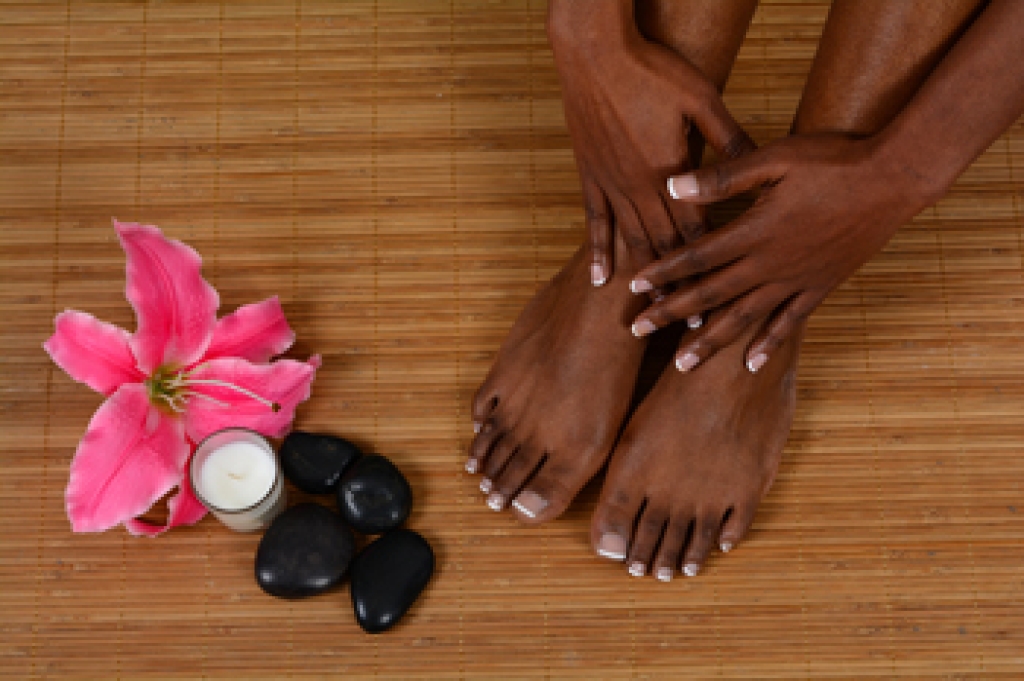
We underestimate how much time we spend on our feet and how much wear and tear they go through. When we stop and think about just how much our feet do for us, we can more fully appreciate the need to spend some time and energy taking care of them. A foot care routine can easily be implemented, and the payoffs are substantial. A proper foot care routine starts with looking at the feet more frequently to assess whether there are cuts, cracked heels, corns, or blisters that need to be tended to. Those with diabetes need to use particular care in examining their feet for developments that can turn into infections. Good regular foot care includes washing, drying, and moisturizing the feet each day, wearing shoes that are comfortable and the right size, and keeping the toenails trimmed by cutting them straight across and rounding the edges with a nail file. A pampering foot massage and a pedicure are icing on the cake in foot care. If you want to know more about how you can take care of your feet, it is suggested that you talk to a podiatrist about what other things you can do to maintain their health and functioning.

Everyday foot care is very important to prevent infection and other foot ailments. If you need your feet checked, contact Renee Rodriquez, DPM from Foot Clinic of South Texas. Our doctor can provide the care you need to keep you pain-free and on your feet.

Everyday Foot Care

Often, people take care of their bodies, face and hair more so than they do for their feet. But the feet are a very important aspect of our bodies, and one that we should pay more attention to. Without our feet, we would not be able to perform most daily tasks.

It is best to check your feet regularly to make sure there are no new bruises or cuts that you may not have noticed before. For dry feet, moisturizer can easily be a remedy and can be applied as often as necessary to the affected areas. Wearing shoes that fit well can also help you maintain good foot health, as well as making it easier to walk and do daily activities without the stress or pain of ill-fitting shoes, high heels, or even flip flops. Wearing clean socks with closed shoes is important to ensure that sweat and bacteria do not accumulate within the shoe. Clean socks help to prevent Athlete’s foot, fungi problems, bad odors, and can absorb sweat.

If you have any questions, please feel free to contact our office located in Brownsville, TX . We offer the newest diagnostic and treatment technologies for all your foot care needs.

Read more about Every Day Foot Care

Treatment Options for Sprained Ankles

When you think of sprained ankles, athletes often come to mind, but anyone can incur this painful injury. Simply stepping unexpectedly off of a curb can cause an ankle sprain. A sprain is the overstretching, tearing, or rupturing of ligaments that hold the ankle together. Experts suggest immobilizing the affected ankle immediately, to stabilize the joint, and reduce existing swelling. If the sprain is mild, utilizing the rest, ice, compression, and elevation first aid techniques can help. If putting weight on the injured foot is extremely painful, the sprain is likely to be more severe, possibly causing recovery time to increase. Unfortunately, healing from a sprained ankle can generally take several months. An essential part of healing a sprained ankle is performing stretching and strengthening exercises to help the joint become more stable. In addition, wearing an ankle brace or using crutches may help with mobility. A podiatrist can offer more advanced treatment options, including prescribing anti-inflammatory medications, recommending appropriate orthotic devices, and performing surgery to repair the ligament, if needed. If you believe you have sprained an ankle, it is suggested that you contact a podiatrist for an exam and treatment options. 

Ankle sprains are common but need immediate attention. If you need your feet checked, contact Renee Rodriquez, DPM from Foot Clinic of South Texas. Our doctor can provide the care you need to keep you pain-free and on your feet.

How Does an Ankle Sprain Occur?

Ankle sprains take place when the ligaments in your ankle are torn or stretched beyond their limits. There are multiple ways that the ankle can become injured, including twisting or rolling over onto your ankle, putting undue stress on it, or causing trauma to the ankle itself.

What Are the Symptoms?

  • Mild to moderate bruising
  • Limited mobility
  • Swelling
  • Discoloration of the skin (depending on severity)

Preventing a Sprain

  • Wearing appropriate shoes for the occasion
  • Stretching before exercises and sports
  • Knowing your limits

Treatment of a Sprain

Treatment of a sprain depends on the severity.  Many times, people are told to rest and remain off their feet completely, while others are given an air cast. If the sprain is very severe, surgery may be required.

If you have suffered an ankle sprain previously, you may want to consider additional support such as a brace and regular exercises to strengthen the ankle.

If you have any questions please feel free to contact our office located in Brownsville, TX . We offer the newest diagnostic tools and technology to treat your foot and ankle needs.

Read more about Three Grades of Ankle Sprains

Why Live with Pain and Numbness in Your Feet?

Suffering from this type of pain? You may have the foot condition known as Morton's neuroma. Morton's neuroma may develop as a result of ill-fitting footwear and existing foot deformities. We can help.

Athlete's Foot in Swimmers

Athlete's foot is a particular kind of fungal infection that impacts the feet. When an individual has athlete’s foot, they may experience redness and flakiness at the site of infection, which is typically between the toes. Some groups of people might be more susceptible to athlete’s foot than others. For example, swimmers are one such group of people. The fungus causing athlete’s foot thrives in warm, moist environments, like the sides of pools and in shower areas of locker rooms. Additionally, since many swimmers walk around pool sides barefoot, they can easily pick up the fungus that causes athlete’s foot. If you are a swimmer that is looking to prevent the onset of athlete's foot, it is highly suggested that you contact a podiatrist today for more information.

Athlete’s foot is an inconvenient condition that can be easily reduced with the proper treatment. If you have any concerns about your feet and ankles, contact Renee Rodriquez, DPM from Foot Clinic of South Texas.  Our doctor will treat your foot and ankle needs.

Athlete’s Foot: The Sole Story

Athlete's foot, also known as tinea pedis, can be an extremely contagious foot infection. It is commonly contracted in public changing areas and bathrooms, dormitory style living quarters, around locker rooms and public swimming pools, or anywhere your feet often come into contact with other people.

Solutions to Combat Athlete’s Foot

  • Hydrate your feet by using lotion
  • Exfoliate
  • Buff off nails
  • Use of anti-fungal products
  • Examine your feet and visit your doctor if any suspicious blisters or cuts develop

Athlete’s foot can cause many irritating symptoms such as dry and flaking skin, itching, and redness. Some more severe symptoms can include bleeding and cracked skin, intense itching and burning, and even pain when walking. In the worst cases, Athlete’s foot can cause blistering as well. Speak to your podiatrist for a better understanding of the different causes of Athlete’s foot, as well as help in determining which treatment options are best for you.

If you have any questions please feel free to contact our office located in Brownsville, TX . We offer the newest diagnostic and treatment technologies for all your foot and ankle needs.

Read more about Athlete's Foot

Possible Reasons for Ankle Pain

The ankle is a complex joint. It is made up of bones, muscles, ligaments, and tendons. It is connected to two bones in the lower leg called the tibia and fibula at the ankle joint or talus. The tibia is the shinbone, and the fibula is the lower leg bone. Ligaments and tendons connect the talus to the heel and other foot bones. There are also blood vessels, nerves, and other tissues in the ankle area, which can be impacted by different diseases. Ankle pain is a symptom often felt by active people and athletes. However, all people may experience ankle pain. Reasons for such pain vary. It is important to understand its root cause to be treated properly. Ankle pain is unlikely to be a result of a bone fracture. Such pain can be associated with edema or leg swelling, nerve-related issues, arthritis, or a sprain, strain, or tendonitis. If you are suffering from ankle pain that does not resolve itself with rest or worsens, it is suggested that you see a podiatrist for a proper evaluation and treatment plan.

Ankle pain can have many different causes and the pain may potentially be serious. If you have ankle pain, consult with Renee Rodriquez, DPM from Foot Clinic of South Texas. Our doctor will assess your condition and provide you with quality foot and ankle treatment.

Ankle pain is any condition that causes pain in the ankle. Due to the fact that the ankle consists of tendons, muscles, bones, and ligaments, ankle pain can come from a number of different conditions.

Causes

The most common causes of ankle pain include:

  • Types of arthritis (rheumatoid, osteoarthritis, and gout)
  • Ankle sprains
  • Broken ankles
  • Achilles tendinitis
  • Achilles tendon rupture
  • Stress fractures
  • Tarsal tunnel syndrome
  • Plantar fasciitis

Symptoms

Symptoms of ankle injury vary based upon the condition. Pain may include general pain and discomfort, swelling, aching, redness, bruising, burning or stabbing sensations, and/or loss of sensation.

Diagnosis

Due to the wide variety of potential causes of ankle pain, podiatrists will utilize a number of different methods to properly diagnose ankle pain. This can include asking for personal and family medical histories and of any recent injuries. Further diagnosis may include sensation tests, a physical examination, and potentially x-rays or other imaging tests.

Treatment

Just as the range of causes varies widely, so do treatments. Some more common treatments are rest, ice packs, keeping pressure off the foot, orthotics and braces, medication for inflammation and pain, and surgery.

If you have any questions please feel free to contact our office located in Brownsville, TX . We offer the newest diagnostic tools and technology to treat your foot and ankle needs.

Read more about Ankle Pain

Risk Factors of Gout

Certainly, no one wants to develop a case of gout. This pesky affliction of the foot is essentially a type of arthritis in the foot. There can be inflammation as a result of the condition, and pain is another common symptom associated with gout. Many patients are interested to know what risk factors typically put an individual at an increased risk of developing gout. The answer is that several different things can cause gout. For example, certain risk factors that are associated with gout include being an older man, being obese, and having a genetic disposition to the foot condition. Additionally, many of the gout risk factors concern dietary choices, specifically, the consumption of red meat, such as pork and beef, which might put one at an increased risk of developing gout. Other foods such as seafood, alcohol, and liver are also associated with gout. If you are suffering from gout, it is suggested that you schedule an appointment with a podiatrist today for treatment and prevention options. 

Gout is a foot condition that requires certain treatment and care. If you are seeking treatment, contact Renee Rodriquez, DPM from Foot Clinic of South Texas. Our doctor will treat your foot and ankle needs.

What Is Gout?

Gout is a type of arthritis caused by a buildup of uric acid in the bloodstream. It often develops in the foot, especially the big toe area, although it can manifest in other parts of the body as well. Gout can make walking and standing very painful and is especially common in diabetics and the obese.

People typically get gout because of a poor diet. Genetic predisposition is also a factor. The children of parents who have had gout frequently have a chance of developing it themselves.

Gout can easily be identified by redness and inflammation of the big toe and the surrounding areas of the foot. Other symptoms include extreme fatigue, joint pain, and running high fevers. Sometimes corticosteroid drugs can be prescribed to treat gout, but the best way to combat this disease is to get more exercise and eat a better diet.

If you have any questions, please feel free to contact our office located in Brownsville, TX . We offer the newest diagnostic and treatment technologies for all your foot care needs.

Read more about Gout

Connect With Us

Request Appointment Patient Portal