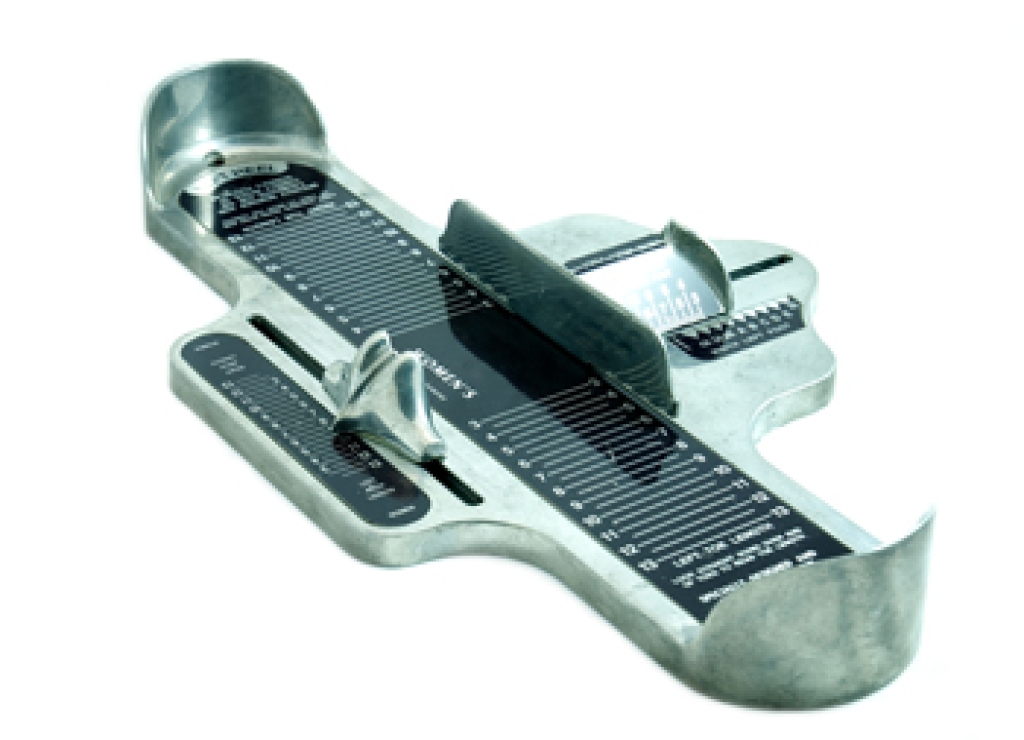
Two Methods to Measure the Feet

There are many reasons why people buy shoes. They may be needed to perform in high-intensity activities or for casual everyday walking. Whatever the reason, wearing shoes that fit correctly and adequately support the feet is beneficial. Research has shown that approximately two-thirds of people worldwide may have poor foot health from wearing shoes that do not fit correctly. It is helpful to have an accurate foot measurement before purchasing shoes. This can be done by measuring the feet at the end of the day when they are at their largest and while wearing socks. Stand on a piece of paper taped to the floor and begin by tracing the outline of the foot, which may be easier if done by another person. After measuring the length and width, the correct shoe size can be found using a conversion chart. Alternatively, many shoe stores have a Brannock device, which is generally successful in determining the correct shoe size. If you have additional questions about buying shoes that fit correctly, it is suggested that you speak with a podiatrist who can help you find the knowledge you seek.

Getting the right shoe size is an important part of proper foot health. Seek the assistance of Renee Rodriquez, DPM from Foot Clinic of South Texas. Our doctor will provide the care you need to keep you pain-free and on your feet.

Getting the Right Shoe Size

There are many people who wear shoes that are the incorrect size, negatively affecting their feet and posture. Selecting the right shoes is not a difficult process, so long as you keep several things in mind when it comes to choosing the right pair.

  • When visiting the shoe store, use the tools available to measure your foot.
  • Be sure there is ‘wiggle room’. There should be about an inch between your toes and the tip of your shoes.
  • Do not always assume you are the same size, as manufacturers run differently.
  • Purchase shoes later in the day, as your feet swell as the day progresses.
  • If a shoe is not comfortable, it is not suitable. Most shoes can’t be ‘broken in’, and comfort should be the ultimate goal when it comes to choosing the right pair of shoes

As our feet hold our body weight and keep us moving, it is important to treat them right. Picking the right pair of shoes can provide your feet comfort and mobility without pain.

If you have any questions, please feel free to contact our office located in Brownsville, TX . We offer the newest diagnostic and treatment technologies for all your foot care needs.
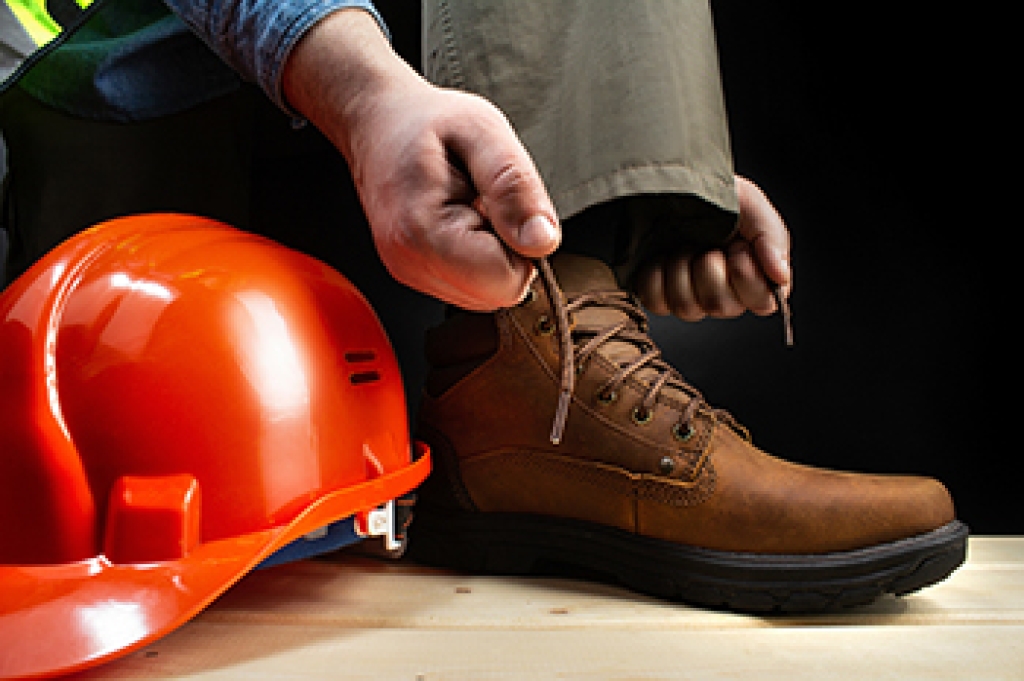

Read more about Getting the Right Shoe Size

Various Shoes for Specific Occupations

Many jobs require employees to have adequate foot protection. Accidents may easily happen in the working environment, such as slipping on wet surfaces, being exposed to electrical hazards, or operating jack hammers. It is beneficial to choose shoes or boots that are slip resistant, and having a steel toe may be necessary for specific occupations. When purchasing shoes, it is helpful to try them on at the end of the day when the feet are at their largest. It is important that the feet are properly measured and shoes are tried on before completing the purchase. It is beneficial to replace existing shoes if they become cracked, damaged, or if water has seeped into the shoes. If you would like additional information about what type of shoes to buy for your workday, it is suggested that you confer with a podiatrist who can provide you with correct knowledge.

While working on the feet, it is important to take the proper care of them. For more information about working on your feet, contact Renee Rodriquez, DPM from Foot Clinic of South Texas. Our doctor will treat your foot and ankle needs.

Working on Your Feet

Standing on your feet for long periods of time can cause stress and pain in your feet. Your whole body may experience change in terms of posture, back pain, bunions, callouses and or plantar warts. There are ways to avoid these conditions with proper foot care, smart choices and correct posture.

Positive Changes

Negative heeled shoe – Choosing this shoe type places the heel slightly lower than the ball of the foot. These are great for overall foot health. Find shoes that fit you correctly.

Go barefoot – Our feet were not designed to be enclosed for all hours of the day. Try to periodically expose your feet to air.

Eliminate Pain

Foot Exercises – Performing simple exercises, incorporating yoga and doing stretches are beneficial. This will allow increased blood flow to the area and muscles of the foot.

Achilles tendon – Stretching the foot out flat on the floor will relax the calf muscles and tendon. These exercises can be performed almost anywhere. Make sure you add these exercises to your daily regimen. 

With a little bit of this information and knowing more about foot health, you will notice changes. Foot stretches and proper footwear will help with pain and prevent further issues.

If you have any questions please contact our office located in Brownsville, TX . We offer the newest diagnostic and treatment technologies for all your foot and ankle needs.

Read more about How to Handle a Long Work Day on Your Feet

Are You Suffering From Ingrown Toenails?

If left untreated, an ingrown toenail can lead to more serious concerns, such as an infection. Knowing proper nail care can help in the prevention of an ingrown toenail. Give us a call, and get treated!

Benefits of Bunion Surgery

Many people who have developed bunions opt to have surgery performed for permanent removal. This type of foot surgery may be preferred if the bunion is severe, causes pain, or interferes with daily activities. The goal of having bunion surgery can consist of resuming regular walking again, improving foot mobility, and it can restore normalcy to the appearance of the foot. Most bunion surgeries involve realigning the joints, ligaments, and tendons. Surgery may also correct the position of the big toe. After surgery, recovery begins with keeping the foot stable for several weeks by applying bandages and splints. A boot or shoe may be worn that is designed to take pressure off the front of the foot. If you have a severe bunion and are considering having surgery performed, it is suggested that you confer with a podiatrist who can help you with making this decision.

Foot surgery is sometimes necessary to treat a foot ailment. To learn more, contact Renee Rodriquez, DPM of Foot Clinic of South Texas. Our doctor will assist you with all of your foot and ankle needs.

When Is Surgery Necessary?

Foot and ankle surgery is generally reserved for cases in which less invasive, conservative procedures have failed to alleviate the problem. Some of the cases in which surgery may be necessary include:

  • Removing foot deformities like bunions and bone spurs
  • Severe arthritis that has caused bone issues
  • Cosmetic reconstruction

What Types of Surgery Are There?

The type of surgery you receive will depend on the nature of the problem you have. Some of the possible surgeries include:

  • Bunionectomy for painful bunions
  • Surgical fusion for realignment of bones
  • Neuropathy decompression surgery to treat nerve damage

Benefits of Surgery

Although surgery is usually a last resort, it can provide more complete pain relief compared to non-surgical methods and may allow you to finally resume full activity.

Surgical techniques have also become increasingly sophisticated. Techniques like endoscopic surgery allow for smaller incisions and faster recovery times.

If you have any questions, please feel free to contact our office located in Brownsville, TX . We offer the newest diagnostic and treatment technologies for all your foot care needs.

Read more about Foot Surgery

Risk Factors for Ulcers

Diabetic patients can often be at an increased risk of developing foot conditions. For example, diabetic patients can be susceptible to what is known as foot ulcers. Ulcers are essentially open sores that do not easily heal in a timely fashion. There are many things that can potentially increase a diabetic’s susceptibility to developing ulcers. For example, if a diabetic wears shoes that do not fit correctly because they are too tight for that individual, then they might be more likely to develop ulcers. Also, obesity or being overweight is another risk factor that is linked to an increased risk of foot ulcers as a diabetic. Lastly, excessive alcohol consumption as a diabetic is strongly linked to the development of ulcers among those who suffer from diabetes. If you are living with diabetes, then it is highly suggested that you contact a podiatrist today for treatment and advice.

Wound care is an important part in dealing with diabetes. If you have diabetes and a foot wound or would like more information about wound care for diabetics, consult with Renee Rodriquez, DPM from Foot Clinic of South Texas. Our doctor will assess your condition and provide you with quality foot and ankle treatment.

What Is Wound Care?

Wound care is the practice of taking proper care of a wound. This can range from the smallest to the largest of wounds. While everyone can benefit from proper wound care, it is much more important for diabetics. Diabetics often suffer from poor blood circulation which causes wounds to heal much slower than they would in a non-diabetic. 

What Is the Importance of Wound Care?

While it may not seem apparent with small ulcers on the foot, for diabetics, any size ulcer can become infected. Diabetics often also suffer from neuropathy, or nerve loss. This means they might not even feel when they have an ulcer on their foot. If the wound becomes severely infected, amputation may be necessary. Therefore, it is of the upmost importance to properly care for any and all foot wounds.

How to Care for Wounds

The best way to care for foot wounds is to prevent them. For diabetics, this means daily inspections of the feet for any signs of abnormalities or ulcers. It is also recommended to see a podiatrist several times a year for a foot inspection. If you do have an ulcer, run the wound under water to clear dirt from the wound; then apply antibiotic ointment to the wound and cover with a bandage. Bandages should be changed daily and keeping pressure off the wound is smart. It is advised to see a podiatrist, who can keep an eye on it.

If you have any questions please contact our office located in Brownsville, TX . We offer the newest diagnostic and treatment technologies for all your foot and ankle needs.

Read more about Wound Care

Foot Blisters and Socks

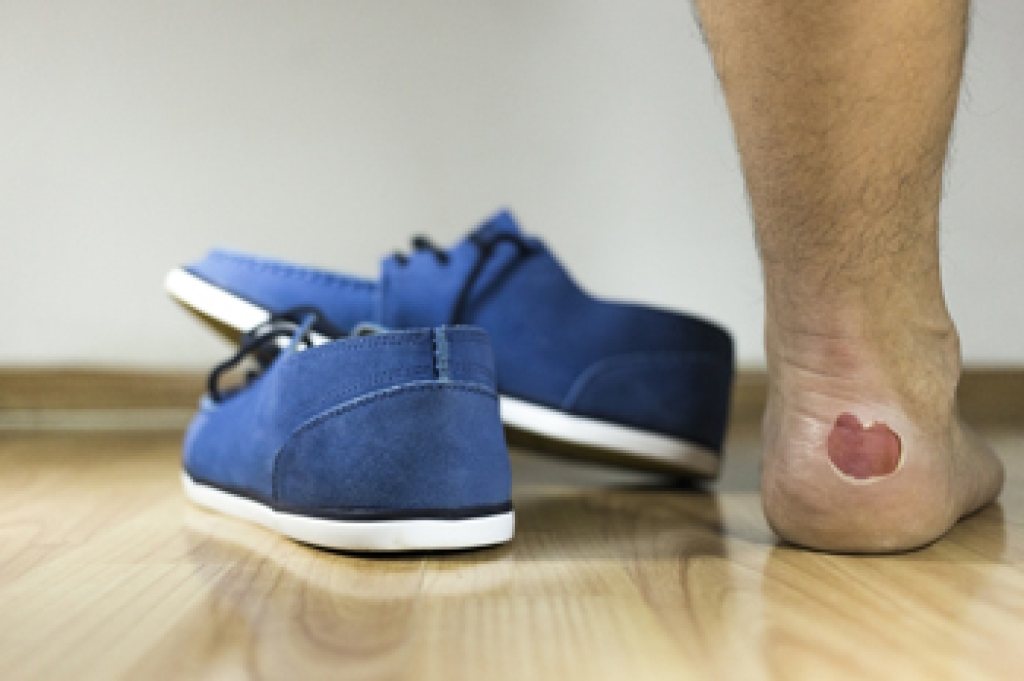
Blisters are pesky and uncomfortable pieces of skin that can develop on one’s feet when moisture and friction combine. Sometimes, friction can be caused by the rubbing of a shoe on the foot. Many patients of podiatrists will wonder to what extent socks influence or contribute to the development of blisters. The answer is complicated. Socks obviously do not cause blister formation, but friction and moisture do. It is important to note that socks by themselves do not necessarily prevent the formation of blisters. However, wearing socks that help keep the foot dry and protected can help combat blister formation. Also, thicker socks can sometimes provide more blister protection than thinner socks can. If you are someone that struggles with blisters on your feet, it is suggested that you contact a podiatrist and schedule an appointment.

Blisters are prone to making everyday activities extremely uncomfortable. If your feet are hurting, contact Renee Rodriquez, DPM of Foot Clinic of South Texas. Our doctor can provide the care you need to keep you pain-free and on your feet.

Foot Blisters

Foot blisters develop as a result of constantly wearing tight or ill-fitting footwear. This happens due to the constant rubbing from the shoe, which can often lead to pain.

What Are Foot Blisters?

A foot blister is a small fluid-filled pocket that forms on the upper-most layer of the skin. Blisters are filled with clear fluid and can lead to blood drainage or pus if the area becomes infected.

How Do Blisters Form?

Blisters on the feet are often the result of constant friction of skin and material, usually by shoe rubbing. Walking in sandals, boots, or shoes that don’t fit properly for long periods of time can result in a blister. Having consistent foot moisture and humidity can easily lead to blister formation.

Prevention & Treatment

It is important to properly care for the affected area in order to prevent infection and ease the pain. Do not lance the blister and use a Band-Aid to provide pain relief. Also, be sure to keep your feet dry and wear proper fitting shoes. If you see blood or pus in a blister, seek assistance from a podiatrist.

If you have any questions, please feel free to contact our office located in Brownsville, TX . We offer the newest diagnostic and treatment technologies for all your foot care needs.
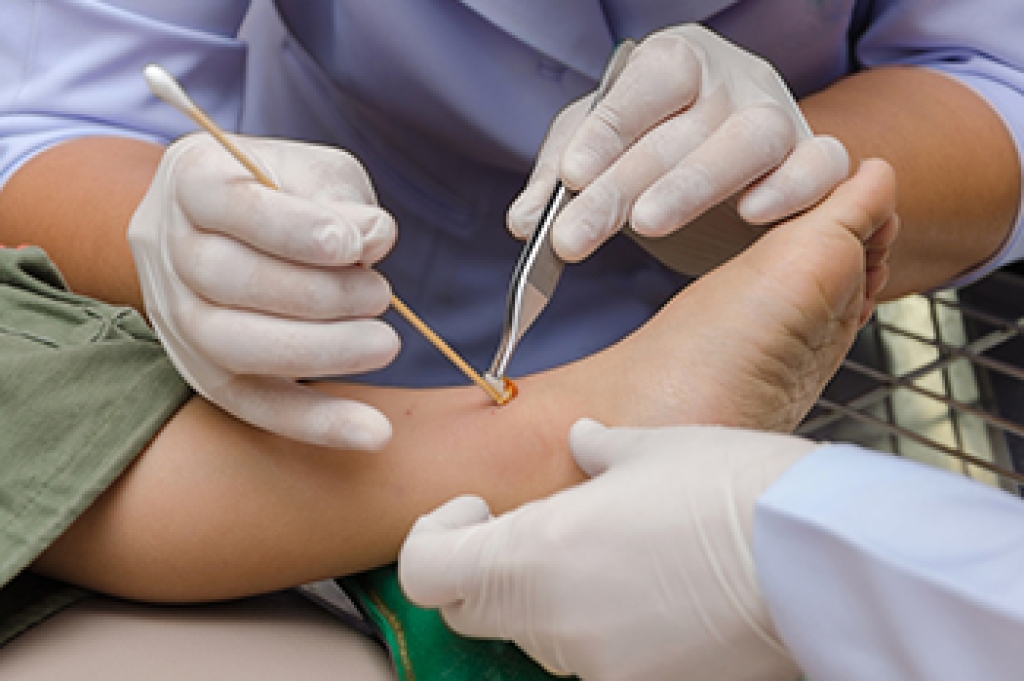
Read more about Blisters

Treatment for Severe Ankle Sprains

Most ankle sprains heal in roughly six weeks, and podiatrists recommend using the rest, ice, compression, and elevation method to help this process along. However, if someone sustains a more severe ankle sprain, termed as a Grade 3 sprain, more serious measures may be needed and healing may take longer. With a Grade 3 sprain, the ligament has been torn completely, and swelling is significant. The ankle is tender and black and blue. Motion is extremely limited, and bearing weight is out of the question. At this point, it is essential to have immediate medical help from a podiatrist. Because the joint is unstable, a cast, brace, or protective boot will likely be prescribed. Crutches also may be required. In addition, a series of exercises to increase strength and help reduce the chances of a re-injury is generally suggested. If you have experienced a severe ankle sprain, it is suggested that you visit a podiatrist as soon as possible.

Although ankle sprains are common, they aren’t always minor injuries. If you need your ankle injury looked at, contact Renee Rodriquez, DPM from Foot Clinic of South Texas. Our doctor can provide the care you need to keep you pain-free and on your feet.

How Does an Ankle Sprain Occur?

Ankle sprains are the result of a tear in the ligaments within the ankle. These injuries may happen when you make a rapid shifting movement while your foot is planted. A less common way to sprain your ankle is when your ankle rolls inward while your foot turns outward.

What Are the Symptoms?

  • Pain at the sight of the tear
  • Bruising/Swelling
  • Ankle area is tender to touch
  • In severe cases, may hear/feel something tear
  • Skin discoloration

Preventing a Sprain

  • Wearing appropriate shoes for the occasion
  • Stretching before exercises and sports
  • Knowing your limits

Treatment of a Sprain

In many cases, the RICE method (Rest, Ice, Compression, and Elevate) is used to treat ankle sprains. However, you should see a podiatrist to see which treatment option would work best with your injury. In severe cases, surgery may be required.

It is important to ask your doctor about rehab options after you receive treatment for your injury. Stretching, strength training, and balance exercises may help the ankle heal while also preventing further injury.

If you have any questions, please feel free to contact our office located in Brownsville, TX . We offer the newest diagnostic and treatment technologies for all your foot care needs.
Read more about Ankle Sprains

Let the Expert Treat Your Ingrown Toenails

Ingrown toenails can be painful and can make wearing shoes or walking uncomfortable. Seek professional help if you believe you've developed an ingrown toenail and be treated safely. 

Yoga Foot Stretches

Stretching the feet can be important for a number of different reasons. First, stretching the feet strengthens the muscles in the feet, making them stronger and more resilient. Second, stretching the feet can also improve one’s stability and mobility. Stretching the feet can be accomplished in many different settings, and yoga is one important way. While standing up straight on a yoga mat, an individual can stretch their toes by placing them against a yoga block. Alternatively, a person might stretch their toes while on a mat by placing them on top of a tennis ball. Another important yoga stretch that incorporates the feet is by sitting on one’s knees and tucking the toes under, so that the toes are stretched out onto the yoga mat. If you are someone that wants to perform more foot stretches as part of your daily routine, consider taking up yoga. It is suggested to contact a podiatrist for more information.

Stretching the feet is a great way to prevent injuries. If you have any concerns with your feet consult with Renee Rodriquez, DPM from Foot Clinic of South Texas. Our doctor will assess your condition and provide you with quality foot and ankle treatment.

Stretching the Feet

Being the backbone of the body, the feet carry your entire weight and can easily become overexerted, causing cramps and pain. As with any body part, stretching your feet can serve many benefits. From increasing flexibility to even providing some pain relief, be sure to give your feet a stretch from time to time. This is especially important for athletes or anyone performing aerobic exercises, but anyone experiencing foot pain or is on their feet constantly should also engage in this practice.

Great ways to stretch your feet:

  • Crossing one leg over the others and carefully pull your toes back. Do 10-20 repetitions and repeat the process for each foot
  • Face a wall with your arms out and hands flat against the wall. Step back with one foot and keep it flat on the floor while moving the other leg forward. Lean towards the wall until you feel a stretch. Hold for 30 seconds and perform 10 repetitions for each foot
  • Be sure not to overextend or push your limbs too hard or you could risk pulling or straining your muscle

Individuals who tend to their feet by regular stretching every day should be able to minimize foot pain and prevent new problems from arising.

If you have any questions please contact our office located in Brownsville, TX . We offer the newest diagnostic and treatment technologies for all your foot and ankle needs.

Read more about How to Stretch Your Feet

What Podiatrists Do

A podiatrist is a medical professional that specializes in the diagnosis and treatment of foot conditions. In some states, podiatrists can also treat ankle and lower limb issues. Podiatrists must obtain a 4-year bachelor’s degree, attend four years of podiatric medical school, and undergo residency training for three or more years in hospitals or clinics. After completing training, they must pass a series of board certification exams. Once fully licensed in their state, they can show the letters DPM after their names, which stands for Doctor of Podiatric Medicine. If they choose to specialize, they must complete a fellowship and pass certification exams in the area(s) of specialization. This can include a variety of sub-specialties, including but not limited to orthotics, diabetes, and pediatric foot care. Though podiatrists are not technically physicians, they undergo as much training as medical doctors. Podiatrists differ from orthopedists in that they treat lower limb disorders and not musculoskeletal disorders of the body. If you are suffering from pain, numbness, or swelling in your feet or have any questions related to the feet, it is suggested that you make an appointment with a podiatrist who can talk to you at length.

If you are experiencing pain in the feet or ankles, don’t join the stubborn majority refusing treatment. Feel free to contact Renee Rodriquez, DPM from Foot Clinic of South Texas. Our doctor can provide the care you need to keep you pain-free and on your feet.

What Is a Podiatrist?

Someone would seek the care of a podiatrist if they have suffered a foot injury or have common foot ailments such as heal spurs, bunions, arch problems, deformities, ingrown toenails, corns, foot and ankle problems, etc.

Podiatric Treatment

A podiatrist will treat the problematic areas of the feet, ankle or lower leg by prescribing the following:

  • Physical therapy
  • Drugs
  • Orthotic inserts or soles
  • Surgery on lower extremity fractures

A common podiatric procedure a podiatrist will use is a scanner or force plate which will allow the podiatrist to know the designs of orthotics. Patients are then told to follow a series of tasks to complete the treatment. The computer will scan the foot a see which areas show weight distribution and pressure points. The podiatrist will read the analysis and then determine which treatment plans are available.

If you have any questions, please feel free to contact our office located in Brownsville, TX . We offer the newest diagnostic and treatment technologies for all your foot care needs.

Read more about What is a Podiatrist?

Connect With Us

Request Appointment Patient Portal