
Children’s Growing Pains or Serious Foot Concern?

Growing pains are a normal part of development in childhood. Children may experience mild aches or discomfort in the legs and feet due to the rapid growth phases they go through. Typically, these pains occur at night and don’t continue into the following day. However, when children’s foot pain deviates from these patterns, such as being localized, persistent, or severe, it may indicate a more profound issue. For instance, pain that worsens with activity could suggest Sever's disease, an inflammation of the heel's growth plate. Swelling, redness, or tenderness could point towards juvenile idiopathic arthritis. Something else may be amiss if there is a noticeable change in a child’s gait, like limping or reluctance to engage in previously enjoyed activities. If you’re unsure about whether your child is experiencing normal growing pains or something more, it is time for a visit with a foot doctor, otherwise known as a podiatrist. This type of doctor can diagnose any issues, and offer appropriate care and intervention to ensure the best foot health for your child

Making sure that your children maintain good foot health is very important as they grow. If you have any questions, contact Renee Rodriquez, DPM of Foot Clinic of South Texas. Our doctor can provide the care you need to keep you pain-free and on your feet.

Keeping Children's Feet Healthy

Having healthy feet during childhood can help prevent medical problems later in life, namely in the back and legs. As children grow, their feet require different types of care. Here are some things to consider...

Although babies do not walk yet, it is still very important to take care of their feet.

Avoid putting tight shoes or socks on his or her feet.

Allow the baby to stretch and kick his or her feet to feel comfortable.

As a toddler, kids are now on the move and begin to develop differently. At this age, toddlers are getting a feel for walking, so don’t be alarmed if your toddler is unsteady or ‘walks funny’. 

As your child gets older, it is important to teach them how to take care of their feet.

Show them proper hygiene to prevent infections such as fungus.

Be watchful for any pain or injury.

Have all injuries checked by a doctor as soon as possible.

Comfortable, protective shoes should always be worn, especially at play.

If you have any questions, please feel free to contact our office located in Brownsville, TX . We offer the newest diagnostic and treatment technologies for all your foot care needs.

Read more about What to Do to Keep Your Child’s Feet Healthy

Various Ways of Testing for Gout

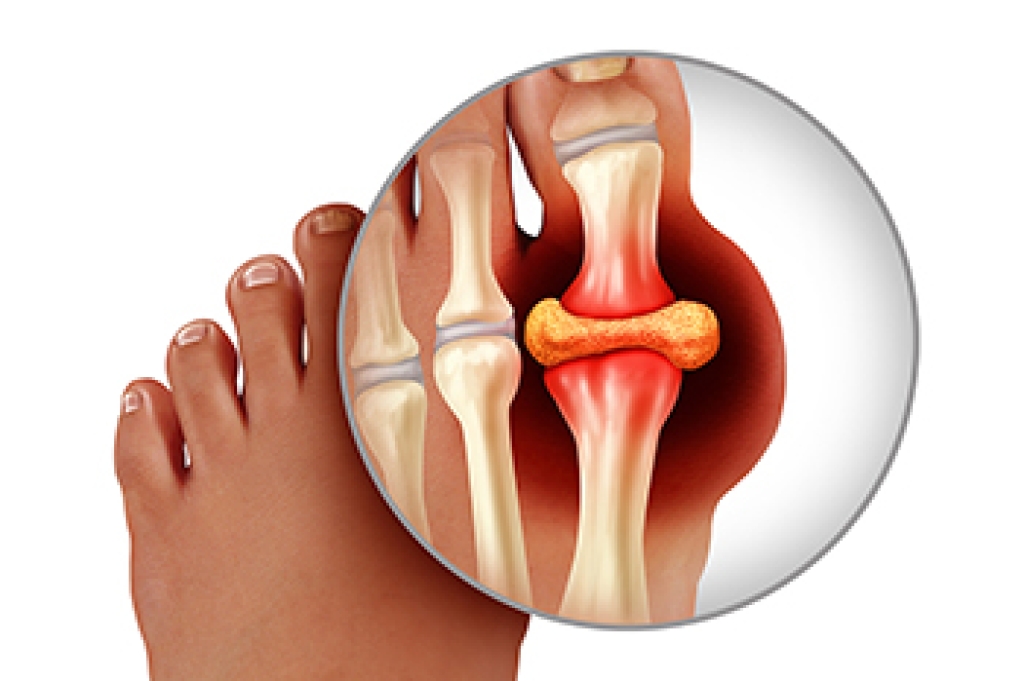
Gout, a painful form of arthritis, often causes intense swelling in a single joint, typically the big toe. Gout is the result of high levels of uric acid in the blood. The uric acid forms crystals in the joints that result in sudden and severe pain, called flare ups. Diagnostic lab tests for gout examine blood or joint fluid for uric acid levels or crystals, though not all cases show elevated uric acid levels. Imaging tests like X-rays, ultrasounds, or special CT scans can help show joint damage or uric acid crystals. Monitoring lab tests can track uric acid levels over time, with additional assessments of kidney function through creatinine and blood urea nitrogen, or BUN, tests. A urinalysis is used to detect uric acid in urine. Regular imaging tests monitor joint health to detect any damage caused by untreated gout. A podiatrist can conduct the appropriate diagnostic tests for gout. If you are experiencing toe joint pain or suspect gout, it is suggested that you schedule an appointment with a podiatrist.

Gout is a foot condition that requires certain treatment and care. If you are seeking treatment, contact Renee Rodriquez, DPM from Foot Clinic of South Texas. Our doctor will treat your foot and ankle needs.

What Is Gout?

Gout is a type of arthritis caused by a buildup of uric acid in the bloodstream. It often develops in the foot, especially the big toe area, although it can manifest in other parts of the body as well. Gout can make walking and standing very painful and is especially common in diabetics and the obese.

People typically get gout because of a poor diet. Genetic predisposition is also a factor. The children of parents who have had gout frequently have a chance of developing it themselves.

Gout can easily be identified by redness and inflammation of the big toe and the surrounding areas of the foot. Other symptoms include extreme fatigue, joint pain, and running high fevers. Sometimes corticosteroid drugs can be prescribed to treat gout, but the best way to combat this disease is to get more exercise and eat a better diet.

If you have any questions, please feel free to contact our office located in Brownsville, TX . We offer the newest diagnostic and treatment technologies for all your foot care needs.

Read more about Gout

Swollen Feet During Pregnancy

Swelling, or edema, in the feet, is a common occurrence during pregnancy. Swelling of the feet is primarily attributed to hormonal fluctuations, increased blood volume, and fluid retention. The surge in progesterone slows digestion and circulation, leading to fluid accumulation, particularly in the lower extremities. Additionally, the body's heightened blood volume, necessary to support fetal growth and prepare for labor, worsens this swelling. Swelling can begin as early as the fifth month, especially in women exposed to hot climates or extended periods of standing. Taking regular short walks, avoiding prolonged sitting or standing, and opting for comfortable footwear can help alleviate discomfort. Dietary modifications, including potassium-rich foods and reduced sodium intake, may also help manage swelling. If you are troubled by swelling or other foot ailments during pregnancy, it is suggested that you make an appointment with a podiatrist for an exam and treatment options.

Pregnant women with swollen feet can be treated with a variety of different methods that are readily available. For more information about other cures for swollen feet during pregnancy, consult with Renee Rodriquez, DPM from Foot Clinic of South Texas. Our doctor will attend to all of your foot and ankle needs.

What Foot Problems Can Arise During Pregnancy?

One problem that can occur is overpronation, which occurs when the arch of the foot flattens and tends to roll inward.  This can cause pain and discomfort in your heels while you’re walking or even just standing up, trying to support your baby.  

Another problem is edema, or swelling in the extremities. This often affects the feet during pregnancy but tends to occur in the later stages. 

How Can I Keep My Feet Healthy During Pregnancy?

  • Wearing orthotics can provide extra support for the feet and help distribute weight evenly
  • Minimize the amount of time spent walking barefoot
  • Wear shoes with good arch support
  • Wear shoes that allow for good circulation to the feet
  • Elevate feet if you experience swelling
  • Massage your feet
  • Get regular, light exercise, such as walking, to promote blood circulation to the feet

If you have any questions, please feel free to contact our office located in Brownsville, TX . We offer the newest diagnostic and treatment technologies for all your foot care needs.

Read more about Pregnancy and Foot Health

Get Professional Care for a Broken Foot or Ankle

Constant care and regular evaluation are important for a foot or ankle fracture. If left untreated, foot or ankle fractures can worsen over time and create more serious problems.

Don't wait to be examined if you believe you've experienced a foot or ankle fracture.

Causes and Treatments for Plantar Fasciitis

Heel pain is often caused by plantar fasciitis, which is an inflammation of the fascia running along the sole of the foot. Diagnosis of plantar fasciitis relies on symptoms such as morning pain and can be exacerbated by factors like obesity, flat feet, or excessive standing on hard surfaces. There are various relief techniques that affected individuals can take advantage of, and a podiatrist can guide you toward the methods that are best for you. If you have chronic heel pain, it is suggested that you schedule an appointment with this type of doctor who can perform an accurate diagnosis and get you the right treatment. 

Many people suffer from bouts of heel pain. For more information, contact Renee Rodriquez, DPM of Foot Clinic of South Texas. Our doctor can provide the care you need to keep you pain-free and on your feet.

Causes of Heel Pain

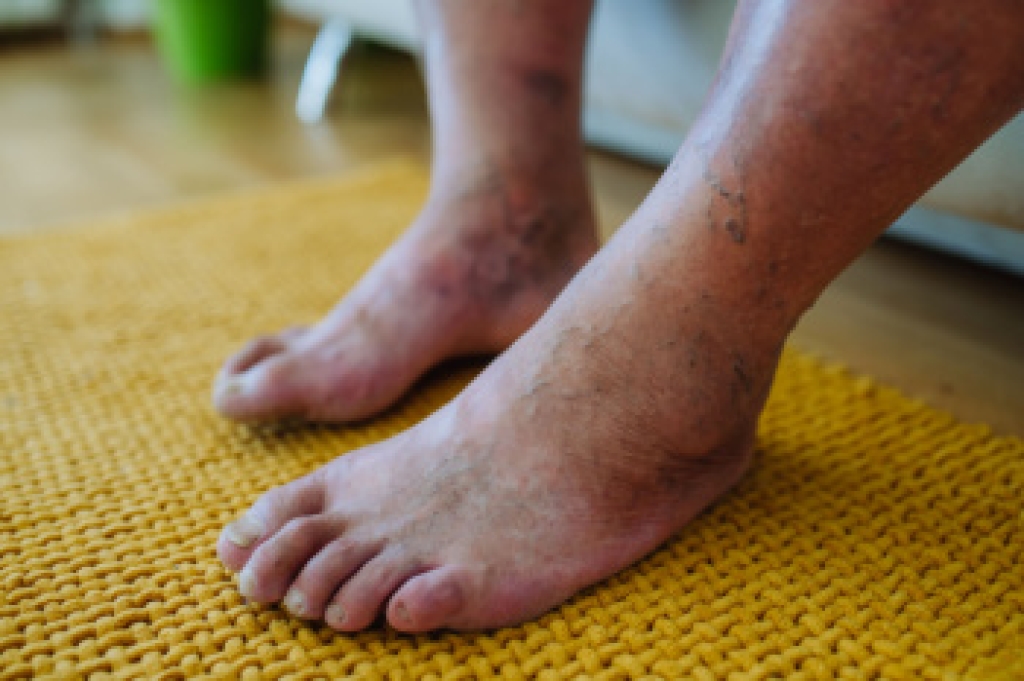
Heel pain is often associated with plantar fasciitis. The plantar fascia is a band of tissues that extends along the bottom of the foot. A rip or tear in this ligament can cause inflammation of the tissue.

Achilles tendonitis is another cause of heel pain. Inflammation of the Achilles tendon will cause pain from fractures and muscle tearing. Lack of flexibility is also another symptom.

Heel spurs are another cause of pain. When the tissues of the plantar fascia undergo a great deal of stress, it can lead to ligament separation from the heel bone, causing heel spurs.

Why Might Heel Pain Occur?

  • Wearing ill-fitting shoes                
  • Wearing non-supportive shoes
  • Weight change           
  • Excessive running

Treatments

Heel pain should be treated as soon as possible for immediate results. Keeping your feet in a stress-free environment will help. If you suffer from Achilles tendonitis or plantar fasciitis, applying ice will reduce the swelling. Stretching before an exercise like running will help the muscles. Using all these tips will help make heel pain a condition of the past.

If you have any questions, please feel free to contact our office located in Brownsville, TX . We offer the newest diagnostic and treatment technologies for all your foot care needs.
Read more about Heel Pain

Education on Diabetic Foot Care

Educating diabetic patients about foot care is vital for preventing serious complications. Diabetes can lead to nerve damage and poor circulation in the feet, increasing the risk of infections and ulcers. Proper foot care practices, such as daily inspection, keeping feet clean and dry, trimming nails carefully, and wearing appropriate footwear, can help diabetic individuals avoid these issues. Additionally, understanding the importance of regular foot examinations by podiatrists can aid in early detection and treatment of any problems. Podiatrists play a vital role in assessing foot health, providing specialized care, and offering valuable guidance on preventive measures. If you have diabetes, it is strongly suggested that you schedule regular appointments with a podiatrist for examinations and important education that may help to prevent serious consequences of diabetes in the feet.

Diabetic foot care is important in preventing foot ailments such as ulcers. If you are suffering from diabetes or have any other concerns about your feet, contact Renee Rodriquez, DPM from Foot Clinic of South Texas. Our doctor can provide the care you need to keep you pain-free and on your feet.

Diabetic Foot Care

Diabetes affects millions of people every year. The condition can damage blood vessels in many parts of the body, especially the feet. Because of this, taking care of your feet is essential if you have diabetes, and having a podiatrist help monitor your foot health is highly recommended.

The Importance of Caring for Your Feet

  • Routinely inspect your feet for bruises or sores.
  • Wear socks that fit your feet comfortably.
  • Wear comfortable shoes that provide adequate support.

Patients with diabetes should have their doctor monitor their blood levels, as blood sugar levels play such a huge role in diabetic care. Monitoring these levels on a regular basis is highly advised.

It is always best to inform your healthcare professional of any concerns you may have regarding your feet, especially for diabetic patients. Early treatment and routine foot examinations are keys to maintaining proper health, especially because severe complications can arise if proper treatment is not applied.

If you have any questions, please feel free to contact our office located in Brownsville, TX . We offer the newest diagnostic and treatment technologies for all your foot care needs.

Read more about Diabetic Foot Conditions

Understanding Pain and Discomfort of Toe Arthritis

Arthritis in the toe, a common ailment affecting many individuals, manifests through various symptoms that can significantly impact daily life. Persistent toe pain, particularly during movement or weight-bearing activities, are hallmark symptoms of toe arthritis. Individuals may experience stiffness and limited range of motion in the affected toe, making tasks like walking, bending, and standing challenging and painful. Swelling and inflammation surrounding the toe joint are also common symptoms of arthritis, indicating underlying joint damage and inflammation. As arthritis progresses, individuals may notice changes in the appearance and alignment of the toe, such as swelling, deformities, and bone spurs. Additionally, toe arthritis can cause instability and weakness in the affected joint, leading to difficulty bearing weight and maintaining balance. If you are experiencing toe pain, it is strongly suggested that you consult a podiatrist who can diagnose the cause, and offer appropriate relief and treatment options.

Toe pain can disrupt your daily activities. If you have any concerns, contact Renee Rodriquez, DPM of Foot Clinic of South Texas. Our doctor can provide the care you need to keep you pain-free and on your feet.

What Causes Toe Pain?

Most severe toe pain is caused due to a sports injury, trauma from dropping something heavy on the toe, or bumping into something rigid. Other problems can develop over time for various reasons.

Toe pain can be caused by one or more ailments. The most common include:

  • Trauma
  • Sports injury
  • Wearing shoes that are too tight
  • Arthritis
  • Gout
  • Corns and calluses
  • Hammertoe
  • Bunions
  • Blisters
  • Ingrown toenails
  • Sprains
  • Fractures (broken bones)
  • Dislocations

When to See a Podiatrist

  • Severe pain
  • Persistent pain that lasts more than a week
  • Signs of infection
  • Continued swelling
  • Pain that prevents walking

Diagnosis

In many cases the cause of toe pain is obvious, but in others, a podiatrist may want to use more advanced methods to determine the problem. These can range from simple visual inspections and sensation tests to X-rays and MRI scans. Prior medical history, family medical history, and any recent physical traumatic events will all be taken into consideration for a proper diagnosis.

Treatment

Treatments for toe pain and injuries vary and may include shoe inserts, padding, taping, medicines, injections, and in some cases, surgery. If you believe that you have broken a toe, please see a podiatrist as soon as possible.

If you have any questions please contact our office located in Brownsville, TX . We offer the newest diagnostic and treatment technologies for all your foot and ankle needs.

Read more about Toe Pain

Walking and Peripheral Artery Disease

Peripheral artery disease, or PAD, can cause crampy, painful sensations in the legs during walking, often dismissed as mere exertion or aging. However, it is important not to overlook these symptoms, as PAD stems from fatty deposits that obstruct blood flow in the arteries outside the heart and brain. The lack of blood flow to the lower extremities can result in serious foot problems. Risk factors of peripheral artery disease include smoking, high cholesterol, high blood pressure, and diabetes. Classic PAD pain, known as claudication, typically occurs in the calf and subsides with rest. But other signs, like coldness, discoloration, or slow-healing sores in the feet may indicate inadequate blood supply, necessitating prompt treatment. Early detection via tests like the ankle-brachial index is vital, with lifestyle changes, such as quitting smoking, maintaining a healthy diet, and regular exercise, playing a key role in PAD management. Walking enhances blood flow in smaller leg arteries, creating alternative pathways to alleviate pain. Health experts recommend at least 30 minutes of walking, three times a week, for individuals with peripheral artery disease, to help slow the progression and associated complications. For help with the foot problems linked to PAD, it is suggested that you schedule an appointment with a podiatrist as quickly as possible.

Peripheral artery disease can pose a serious risk to your health. It can increase the risk of stroke and heart attack. If you have symptoms of peripheral artery disease, consult with Renee Rodriquez, DPM from Foot Clinic of South Texas. Our doctor will assess your condition and provide you with quality foot and ankle treatment.

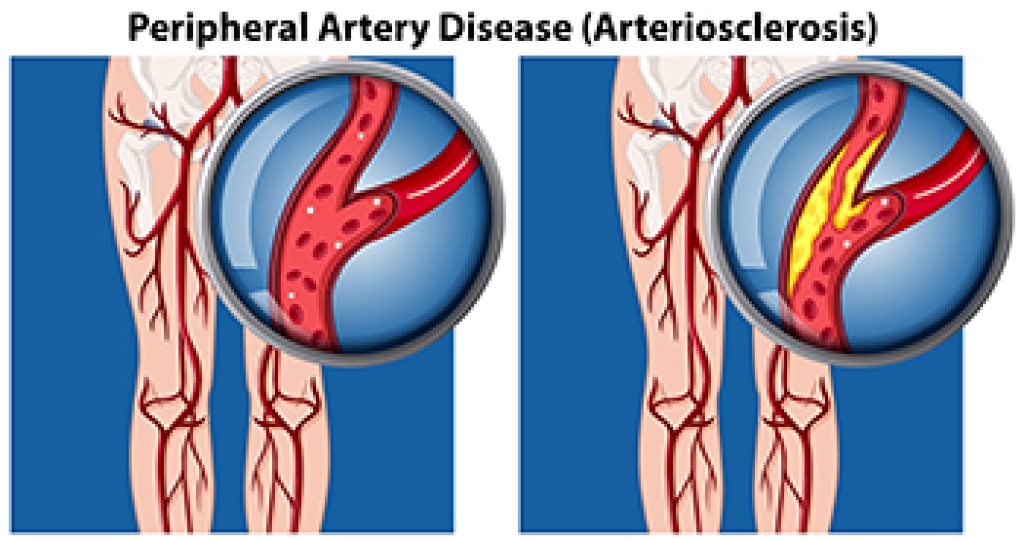
Peripheral artery disease (PAD) is when arteries are constricted due to plaque (fatty deposits) build-up. This results in less blood flow to the legs and other extremities. The main cause of PAD is atherosclerosis, in which plaque builds up in the arteries.

Symptoms

Symptoms of PAD include:

  • Claudication (leg pain from walking)
  • Numbness in legs
  • Decrease in growth of leg hair and toenails
  • Paleness of the skin
  • Erectile dysfunction
  • Sores and wounds on legs and feet that won’t heal
  • Coldness in one leg

It is important to note that a majority of individuals never show any symptoms of PAD.

Diagnosis

While PAD occurs in the legs and arteries, Podiatrists can diagnose PAD. Podiatrists utilize a test called an ankle-brachial index (ABI). An ABI test compares blood pressure in your arm to you ankle to see if any abnormality occurs. Ultrasound and imaging devices may also be used.

Treatment

Fortunately, lifestyle changes such as maintaining a healthy diet, exercising, managing cholesterol and blood sugar levels, and quitting smoking, can all treat PAD. Medications that prevent clots from occurring can be prescribed. Finally, in some cases, surgery may be recommended.

If you have any questions, please feel free to contact our office located in Brownsville, TX . We offer the newest diagnostic and treatment technologies for all your foot care needs.
Read more about Peripheral Artery Disease

Diagnosing a Lisfranc Fracture

Lisfranc fractures, occurring deep within the midfoot, present a diagnostic challenge due to their intricate location amidst a multitude of bones and tendons. Often misdiagnosed, these fractures result from either broken bones or torn ligaments supporting the midfoot structure. A Lisfranc fracture can range from mild muscle tears to complex fractures that involve multiple bones and joints. Lisfranc fractures are commonly mistaken for a simple foot sprain and can lead to prolonged pain and complications if left untreated. Low-energy incidents, like missteps or falls during routine activities, typically cause these fractures. High-energy traumas from elevated falls also can result in this type of injury. An accurate diagnosis of a Lisfranc fracture is challenging and requires a thorough evaluation by a podiatrist, using advanced imaging techniques. Proper treatment of Lisfranc fractures, ranging from conservative measures to surgical intervention, is essential for optimal recovery, as ignoring the injury or attempting to walk it off can worsen damage and prolong healing time. If you are experiencing severe pain in the midfoot area, it is suggested that you schedule an appointment with a podiatrist as quickly as possible for a complete exam and diagnosis.

A broken foot requires immediate medical attention and treatment. If you need your feet checked, contact Renee Rodriquez, DPM from Foot Clinic of South Texas. Our doctor can provide the care you need to keep you pain-free and on your feet.

Broken Foot Causes, Symptoms, and Treatment

A broken foot is caused by one of the bones in the foot typically breaking when bended, crushed, or stretched beyond its natural capabilities. Usually the location of the fracture indicates how the break occurred, whether it was through an object, fall, or any other type of injury. 

Common Symptoms of Broken Feet:

  • Bruising
  • Pain
  • Redness
  • Swelling
  • Blue in color
  • Numbness
  • Cold
  • Misshapen
  • Cuts
  • Deformities

Those that suspect they have a broken foot shoot seek urgent medical attention where a medical professional could diagnose the severity.

Treatment for broken bones varies depending on the cause, severity and location. Some will require the use of splints, casts or crutches while others could even involve surgery to repair the broken bones. Personal care includes the use of ice and keeping the foot stabilized and elevated.

If you have any questions, please feel free to contact our office located in Brownsville, TX . We offer the newest diagnostic and treatment technologies for all your foot care needs.

Read more about Causes, Symptoms, and Treatment for a Broken Foot

We Can Treat Your Foot or Ankle Pain

Foot or ankle pain can negatively affect your day-to-day life and can occur due to several different conditions. Pain can also be an indicator of a more serious underlying condition, which is why you should seek professional help as soon as you notice any abnormalities in your feet.

Connect With Us

Request Appointment Patient Portal