
Causes and Symptoms of Athlete’s Foot

Athlete’s foot, medically known as tinea pedis, is a fungal skin infection that can affect anyone regardless of their athletic pursuits. This highly contagious fungus spreads easily from person to person, and thrives in moist environments such as pools, locker rooms, and public showers. The fungus responsible commonly affects the feet, causing redness, itching, and skin flakiness between the toes. Other symptoms of athlete's foot include burning or stinging sensations, blisters, and thick or discolored toenails. Symptoms may differ, depending on the type of athlete’s foot infection. Toe web infection typically results in skin peeling and cracking between the fourth and fifth toes. Moccasin type infection presents as thick, cracked skin on the bottom of the foot, often near the heel. It is sometimes accompanied by a foul odor. Vesicular type infection leads to blisters on the sole of the foot. If you suspect you have athlete’s foot, it is suggested that you seek prompt treatment from a podiatrist to limit the spread of infection.

Athlete’s Foot

Athlete’s foot is often an uncomfortable condition to experience. Thankfully, podiatrists specialize in treating athlete’s foot and offer the best treatment options. If you have any questions about athlete’s foot, consult with Renee Rodriquez, DPM from Foot Clinic of South Texas. Our doctor will assess your condition and provide you with quality treatment.

What Is Athlete’s Foot?

Tinea pedis, more commonly known as athlete’s foot, is a non-serious and common fungal infection of the foot. Athlete’s foot is contagious and can be contracted by touching someone who has it or infected surfaces. The most common places contaminated by it are public showers, locker rooms, and swimming pools. Once contracted, it grows on feet that are left inside moist, dark, and warm shoes and socks.

Prevention

The most effective ways to prevent athlete’s foot include:

  • Thoroughly washing and drying feet
  • Avoid going barefoot in locker rooms and public showers
  • Using shower shoes in public showers
  • Wearing socks that allow the feet to breathe
  • Changing socks and shoes frequently if you sweat a lot

Symptoms

Athlete’s foot initially occurs as a rash between the toes. However, if left undiagnosed, it can spread to the sides and bottom of the feet, toenails, and if touched by hand, the hands themselves. Symptoms include:

  • Redness
  • Burning
  • Itching
  • Scaly and peeling skin

Diagnosis and Treatment

Diagnosis is quick and easy. Skin samples will be taken and either viewed under a microscope or sent to a lab for testing. Sometimes, a podiatrist can diagnose it based on simply looking at it. Once confirmed, treatment options include oral and topical antifungal medications.

If you have any questions, please feel free to contact our office located in Brownsville, TX . We offer the newest diagnostic and treatment technologies for all your foot care needs.


Read more about How to Deal with Athlete's Foot

Do You Suffer From Painful Feet?

Painful deformities, such as hammertoes, can be treated. Stop living with foot pain, and have beautiful feet again!

When Do I Need to See a Podiatrist?

Foot problems can signal underlying health issues that can worsen if ignored. For instance, neuropathy, resulting from nerve damage, can lead to numbness in the feet and make it hard to detect injuries. Conditions like diabetes frequently result in neuropathy, but a podiatrist is medically trained to offer treatments to manage symptoms. Changes in foot color can signal underlying issues like infections or poor circulation, and identifying and addressing these issues early is essential for effective treatment. Bunions, a deformity of the big toe, can cause discomfort and reduce mobility, but a podiatrist can recommend suitable footwear and a variety of treatment options to alleviate discomfort. Whether from high-impact exercises or wearing improper footwear, foot soreness should not be ignored. Podiatrists can prescribe custom orthotics to help alleviate pain and improve gait problems. Various musculoskeletal disorders can cause foot pain, and podiatrists can provide medication, foot padding, and other treatments to manage symptoms and improve mobility. If you have foot problems that interfere with daily activities, it is suggested that you schedule an appointment with a podiatrist.

If you are experiencing pain in the feet or ankles, don’t join the stubborn majority refusing treatment. Feel free to contact Renee Rodriquez, DPM from Foot Clinic of South Texas. Our doctor can provide the care you need to keep you pain-free and on your feet.

What Is a Podiatrist?

Someone would seek the care of a podiatrist if they have suffered a foot injury or have common foot ailments such as heal spurs, bunions, arch problems, deformities, ingrown toenails, corns, foot and ankle problems, etc.

Podiatric Treatment

A podiatrist will treat the problematic areas of the feet, ankle or lower leg by prescribing the following:

  • Physical therapy
  • Drugs
  • Orthotic inserts or soles
  • Surgery on lower extremity fractures

A common podiatric procedure a podiatrist will use is a scanner or force plate which will allow the podiatrist to know the designs of orthotics. Patients are then told to follow a series of tasks to complete the treatment. The computer will scan the foot a see which areas show weight distribution and pressure points. The podiatrist will read the analysis and then determine which treatment plans are available.

If you have any questions, please feel free to contact our office located in Brownsville, TX . We offer the newest diagnostic and treatment technologies for all your foot care needs.

Read more about What is a Podiatrist?

Symptoms of a Broken Foot

A broken foot often results from a sudden or traumatic injury and requires early recognition for appropriate treatment. While symptoms may overlap with less severe injuries like sprains, specific signs of a broken foot indicate a more serious issue needing immediate medical attention. Sensations of bones out of place or grinding within the foot may signal a break, warranting minimal movement to prevent further damage. Swelling, often accompanied by extreme pain, is common with a broken foot, persisting longer and more pronounced than a sprain. Bruising near the fracture site, spreading over time, indicates a broken foot, and requires evaluation from a podiatrist if persistent or worsening. Difficulty bearing weight on the foot, in addition to restricted movement and intense pain, suggests a broken bone. Immediate medical attention aids in accurate diagnosis and treatment planning. Seeking prompt evaluation from a podiatrist is imperative, and X-rays are essential for confirmation. Treatment typically involves immobilization with a splint or cast to support proper healing. If you suspect a broken bone in your foot, it is suggested that you make an emergency appointment with a podiatrist for an exam and diagnosis.

A broken foot requires immediate medical attention and treatment. If you need your feet checked, contact Renee Rodriquez, DPM from Foot Clinic of South Texas. Our doctor can provide the care you need to keep you pain-free and on your feet.

Broken Foot Causes, Symptoms, and Treatment

A broken foot is caused by one of the bones in the foot typically breaking when bended, crushed, or stretched beyond its natural capabilities. Usually the location of the fracture indicates how the break occurred, whether it was through an object, fall, or any other type of injury. 

Common Symptoms of Broken Feet:

  • Bruising
  • Pain
  • Redness
  • Swelling
  • Blue in color
  • Numbness
  • Cold
  • Misshapen
  • Cuts
  • Deformities

Those that suspect they have a broken foot shoot seek urgent medical attention where a medical professional could diagnose the severity.

Treatment for broken bones varies depending on the cause, severity and location. Some will require the use of splints, casts or crutches while others could even involve surgery to repair the broken bones. Personal care includes the use of ice and keeping the foot stabilized and elevated.

If you have any questions, please feel free to contact our office located in Brownsville, TX . We offer the newest diagnostic and treatment technologies for all your foot care needs.
Read more about Causes, Symptoms, and Treatment for a Broken Foot

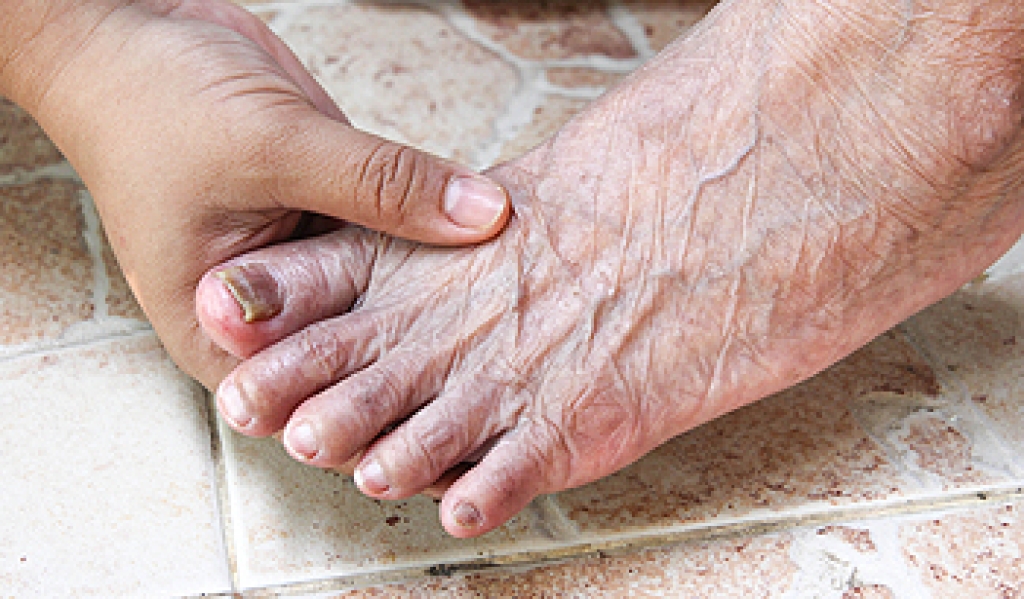
Causes of Foot Pain in Seniors

Foot pain among older adults is a common issue, often caused by wearing improper footwear and physical changes in the feet as a result of aging. Wearing ill-fitting shoes, such as those that are too small, narrow, or high-heeled, can lead to discomfort and an increased risk of falls. Over time, the natural cushioning under the heel and ball of the foot decreases and arches become flatter, all of which can contribute to foot pain. Furthermore, as the joints in the feet stiffen and skin becomes drier, vulnerability to foot infections increases. Many underlying health conditions, including diabetes, arthritis, neuropathy, poor circulation, and obesity can add to foot problems in older adults. A podiatrist can help to determine the cause or causes of foot pain in seniors, and is followed by a suggested program of treatment. Options may include wearing proper footwear, prescribing foot exercises, and creating custom orthotic devices to reduce the foot pain. If you are experiencing foot problems associated with aging, it is suggested that you schedule an appointment with a podiatrist.

Proper foot care is something many older adults forget to consider. If you have any concerns about your feet and ankles, contact Renee Rodriquez, DPM from Foot Clinic of South Texas. Our doctor can provide the care you need to keep you pain-free and on your feet.

The Elderly and Their Feet

As we age we start to notice many changes in our body, but the elder population may not notice them right away. Medical conditions may prevent the elderly to take notice of their foot health right away. Poor vision is a lead contributor to not taking action for the elderly.

Common Conditions 

  • Neuropathy – can reduce feeling in the feet and can hide many life-threatening medical conditions.
  • Reduced flexibility – prevents the ability of proper toenail trimming, and foot cleaning. If left untreated, it may lead to further medical issues.
  • Foot sores – amongst the older population can be serious before they are discovered. Some of the problematic conditions they may face are:
  • Gouging toenails affecting nearby toe
  • Shoes that don’t fit properly
  • Pressure sores
  • Loss of circulation in legs & feet
  • Edema & swelling of feet and ankles

Susceptible Infections

Diabetes and poor circulation can cause general loss of sensitivity over the years, turning a simple cut into a serious issue.

If you have any questions, please feel free to contact our office located in Brownsville, TX . We offer the newest diagnostic and treatment technologies for all your foot care needs.

Read more about Elderly and their Feet

Connect With Us

Request Appointment Patient Portal