
Can Bunions Be Prevented?

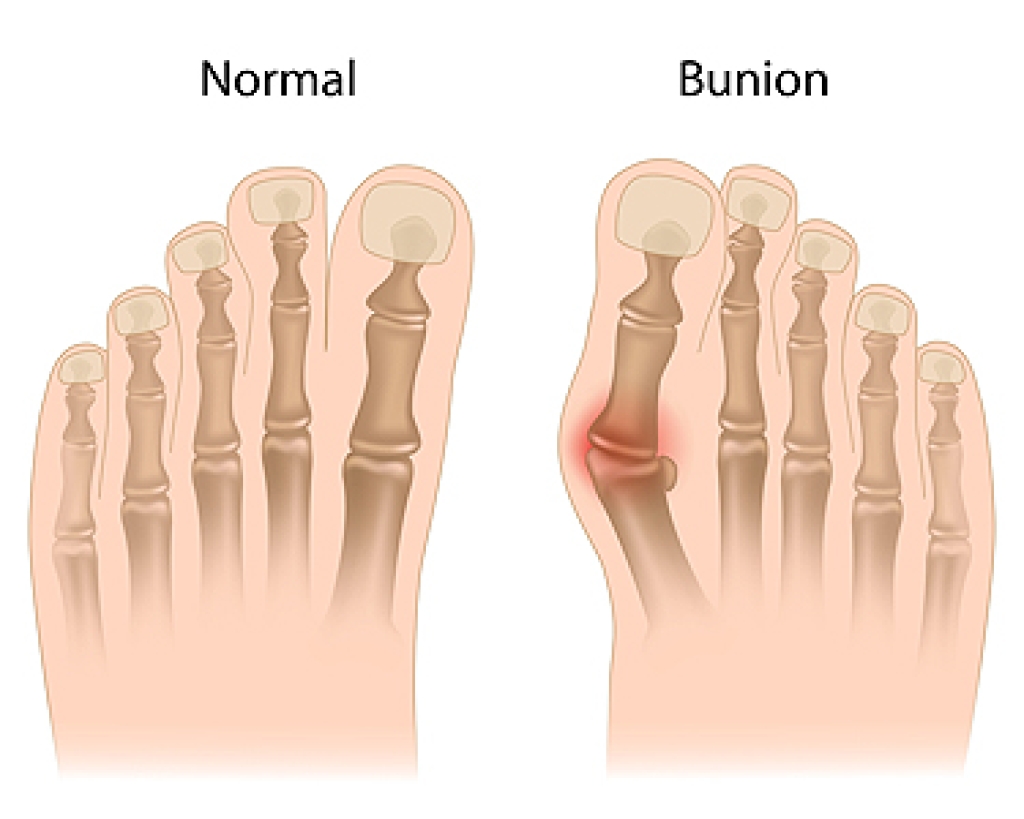
Women are more prone to developing bunions than men. This may be a result of wearing high heels or shoes that do not have adequate room in the toe area. A bunion appears as a bony lump on the side of the big toe and is considered to be a foot deformity. This protrusion causes the bone in the big toe to gradually move toward the other toes and can produce pain and discomfort. People who develop bunions may eventually get osteoarthritis in the big toe, which can be the source of chronic pain. Additionally, the risk of getting a bunion may increase in patients who have short calf muscles or a shortened Achilles tendon, and medical conditions such as rheumatoid arthritis and flat feet. Bunions may be prevented by wearing shoes that are comfortable and flat. It may help to frequently walk barefoot, which may be beneficial in strengthening the muscles in the overall foot. If you have developed a bunion, it is strongly suggested that you speak with a podiatrist who can provide you with correct treatment options, which may include surgery for permanent removal. 

If you are suffering from bunions, contact Renee Rodriquez, DPM of Foot Clinic of South Texas. Our doctor can provide the care you need to keep you pain-free and on your feet.

What Is a Bunion?

A bunion is formed of swollen tissue or an enlargement of boney growth, usually located at the base joint of the toe that connects to the foot. The swelling occurs due to the bones in the big toe shifting inward, which impacts the other toes of the foot. This causes the area around the base of the big toe to become inflamed and painful.

Why Do Bunions Form?

Genetics – Susceptibility to bunions are often hereditary

Stress on the feet – Poorly fitted and uncomfortable footwear that places stress on feet, such as heels, can worsen existing bunions

How Are Bunions Diagnosed?

Podiatrists often perform two tests – blood tests and x-rays – when trying to diagnose bunions, especially in the early stages of development. Blood tests help determine if the foot pain is being caused by something else, such as arthritis, while x-rays provide a clear picture of your bone structure to your provider.

How Are Bunions Treated?

  • Refrain from wearing heels or similar shoes that cause discomfort
  • Select wider shoes that can provide more comfort and reduce pain
  • Anti-inflammatory and pain management drugs
  • Orthotics or foot inserts
  • Surgery

If you have any questions, please feel free to contact our office located in Brownsville, TX . We offer the newest diagnostic and treatment technologies for all your foot care needs.
Read more about Bunions

How Did I Get an Ingrown Toenail?

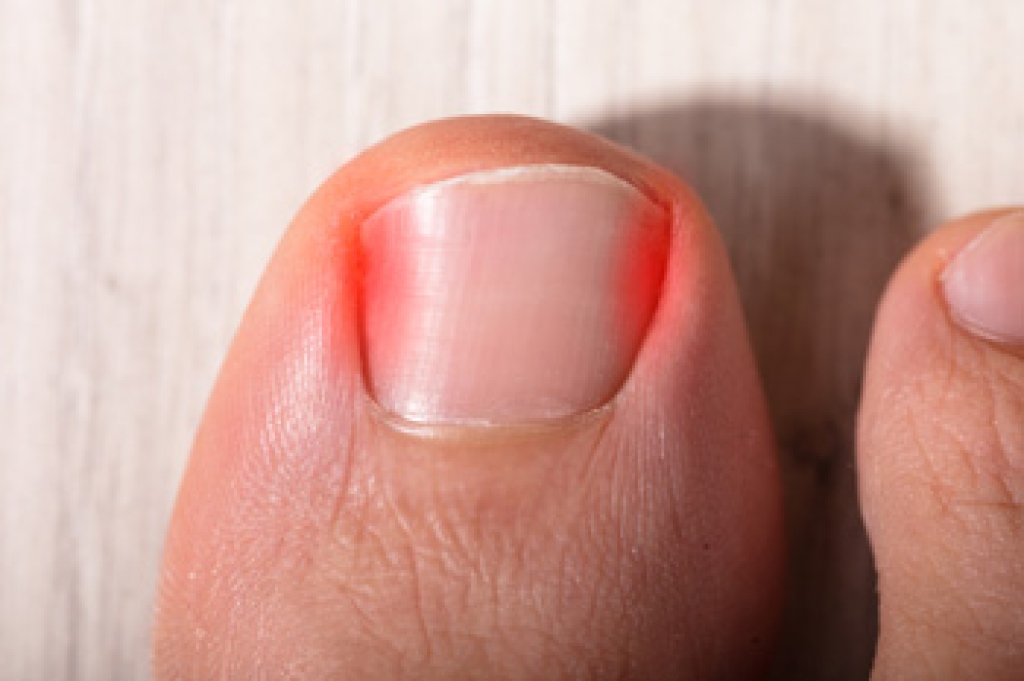
The medical term for an ingrown toenail is onychocryptosis. It is a painful foot condition that occurs when the toenail grows into the skin on the side of the nail. It can happen as a result of wearing shoes that do not fit properly. Additionally, it may happen from cutting the toenails incorrectly. The proper way to trim toenails is to cut them straight across, and not rounded. Ingrown toenails typically affect the big toe, and research has shown it is a more common condition among men rather than women. Incurring a foot injury may lead to developing an ingrown toenail. This can happen if the foot is jammed against a piece of furniture, or has become damaged from a heavy object dropping on it. Common symptoms of an ingrown toenail include redness, tenderness, and pain. It may feel better when the affected toe is soaked in warm water, which can make it easier to gently pull the skin away from the nail. It is suggested that if you have an ingrown toenail you are under the care of a podiatrist who can offer you proper treatment methods.

Ingrown toenails can become painful if they are not treated properly. For more information about ingrown toenails, contact Renee Rodriquez, DPM of Foot Clinic of South Texas. Our doctor can provide the care you need to keep you pain-free and on your feet.

Ingrown Toenails

Ingrown toenails occur when a toenail grows sideways into the bed of the nail, causing pain, swelling, and possibly infection.

Causes

  • Bacterial infections
  • Improper nail cutting such as cutting it too short or not straight across
  • Trauma to the toe, such as stubbing, which causes the nail to grow back irregularly
  • Ill-fitting shoes that bunch the toes too close together
  • Genetic predisposition

Prevention

Because ingrown toenails are not something found outside of shoe-wearing cultures, going barefoot as often as possible will decrease the likeliness of developing ingrown toenails. Wearing proper fitting shoes and using proper cutting techniques will also help decrease your risk of developing ingrown toenails.

Treatment

Ingrown toenails are a very treatable foot condition. In minor cases, soaking the affected area in salt or antibacterial soaps will not only help with the ingrown nail itself, but also help prevent any infections from occurring. In more severe cases, surgery is an option. In either case, speaking to your podiatrist about this condition will help you get a better understanding of specific treatment options that are right for you.

If you have any questions, please feel free to contact our office located in Brownsville, TX . We offer the newest diagnostic and treatment technologies for all your foot care needs.

Read more about Ingrown Toenails

Are Flip Flops Dangerous to Wear?

There are benefits that many people enjoy while wearing flip flops. These can include feeling fresh air on the feet, additionally, they are easy to wear, and come in a variety of colors and styles. Despite these benefits, frequently wearing flip flops can lead to specific foot conditions. These types of shoes offer little or no arch support, and can lead to developing plantar fasciitis. The toes can become fatigued from gripping the top of the shoe to keep it on the foot. There is also limited ankle support which may increase the risk of falling. Cracked heels can develop from wearing these shoes that do not have a back or strap. Many people who choose to wear flip flops take shorter steps, and this can lead to altering the gait, or walking style. If you would like more information about the dangers of wearing flip flops, please consult with a podiatrist.

Flip-flops are not always the best choice of footwear. If you have any concerns about your feet or ankles, contact Renee Rodriquez, DPM from Foot Clinic of South Texas. Our doctor will assist you with all of your foot and ankle needs.

Flip-Flops and Feet

When the weather starts warming up, people enjoy wearing flip-flops.  Flip-flops are comfortable, stylish, and easy to slip on and off; they're perfect for any summer beach goer.  However, these shoes can cause harm to the feet.

How Can Flip-Flops Affect Me Long-Term?

  • Ankle problems
  • Hip problems
  • Lower back problems
  • Pain in the balls of the feet
  • Problems with foot arches
  • Changes in the way you walk

Are There Injuries Associated with Flip-Flops?

Yes.  Since flip-flops are relatively weak and do not provide the same amount of support as sneakers, people who wear flip-flops regularly are more susceptible to injuries. On top of that, the open nature of the shoe makes your feet more prone to other problems, such as cuts and even infections.  Common injuries and ailments include:

  • Sprained ankles
  • Blisters
  • Infections
  • Cuts and Scrapes

I like Wearing Flip-Flops. Are There Safe Alternatives?

When buying flip-flops, try to find ones that have sturdy soles and that are made of high-quality materials that will support for your feet.  These flip-flops will cost more but will also last longer as a result.

If you have any questions, please feel free to contact our office located in Brownsville, TX . We offer the newest diagnostic and treatment technologies for all your foot care needs.

Read more about Flip Flops and Your Feet

Common Causes of Foot Pain

We are all bound to have occasional bouts of pain in our feet because we use them so much. Foot pain mainly results from overuse, but an underlying medical condition or injury can exacerbate it. Many foot problems can lead to painful feet. One of the most common heel conditions is plantar fasciitis, which is an inflammation of the thick band of tissue called the plantar fascia which runs lengthwise across the bottom of the feet. Calluses, which are thick layers of skin that form from friction on the soles of the feet are another condition that can cause foot pain in addition to metatarsalgia, a painful inflammation of the ball of the foot. Other foot ailments can include Morton’s neuroma, a thickening of the tissue surrounding a nerve in the ball of the foot leading to the toes, tendinitis, or inflammation of a tendon. Turf toe is a sprain in the main joint of the big toe, and tarsal tunnel syndrome occurs when the posterior tibial nerve is compressed inside the tarsal tunnel- a narrow passage in the ankle surrounded by bones and a connecting ligament. Many people have flat feet, which is noticeable when the feet lie flat on the ground when standing. It is best to consult with a podiatrist if you are experiencing any kind of foot pain, especially if the pain worsens, or if you have diabetes and an open wound is not healing.


Foot Pain

Foot pain can be extremely painful and debilitating. If you have a foot pain, consult with Renee Rodriquez, DPM from Foot Clinic of South Texas. Our doctor will assess your condition and provide you with quality foot and ankle treatment.

Causes

Foot pain is a very broad condition that could be caused by one or more ailments. The most common include:

  • Bunions
  • Hammertoes
  • Plantar Fasciitis
  • Bone Spurs
  • Corns
  • Tarsal Tunnel Syndrome
  • Ingrown Toenails
  • Arthritis (such as Gout, Rheumatoid, and Osteoarthritis)
  • Flat Feet
  • Injury (from stress fractures, broken toe, foot, ankle, Achilles tendon ruptures, and sprains)
  • And more

Diagnosis

To figure out the cause of foot pain, podiatrists utilize several different methods. This can range from simple visual inspections and sensation tests to X-rays and MRI scans. Prior medical history, family medical history, and any recent physical traumatic events will all be taken into consideration for a proper diagnosis.

Treatment

Treatment depends upon the cause of the foot pain. Whether it is resting, staying off the foot, or having surgery; podiatrists have a number of treatment options available for foot pain.

If you have any questions, please feel free to contact our office located in Brownsville, TX . We offer the newest diagnostic and treatment technologies for all your foot care needs.

Read more about Foot Pain

Connect With Us

Request Appointment Patient Portal