Education on Diabetic Foot Care

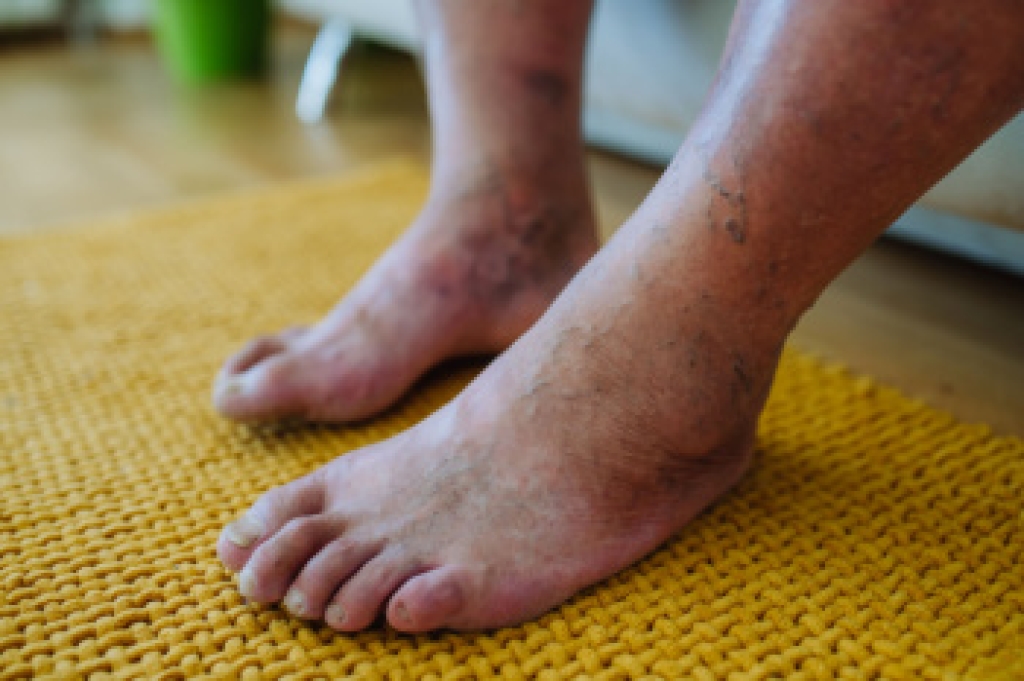
Educating diabetic patients about foot care is vital for preventing serious complications. Diabetes can lead to nerve damage and poor circulation in the feet, increasing the risk of infections and ulcers. Proper foot care practices, such as daily inspection, keeping feet clean and dry, trimming nails carefully, and wearing appropriate footwear, can help diabetic individuals avoid these issues. Additionally, understanding the importance of regular foot examinations by podiatrists can aid in early detection and treatment of any problems. Podiatrists play a vital role in assessing foot health, providing specialized care, and offering valuable guidance on preventive measures. If you have diabetes, it is strongly suggested that you schedule regular appointments with a podiatrist for examinations and important education that may help to prevent serious consequences of diabetes in the feet.

Diabetic foot care is important in preventing foot ailments such as ulcers. If you are suffering from diabetes or have any other concerns about your feet, contact Renee Rodriquez, DPM from Foot Clinic of South Texas. Our doctor can provide the care you need to keep you pain-free and on your feet.

Diabetic Foot Care

Diabetes affects millions of people every year. The condition can damage blood vessels in many parts of the body, especially the feet. Because of this, taking care of your feet is essential if you have diabetes, and having a podiatrist help monitor your foot health is highly recommended.

The Importance of Caring for Your Feet

  • Routinely inspect your feet for bruises or sores.
  • Wear socks that fit your feet comfortably.
  • Wear comfortable shoes that provide adequate support.

Patients with diabetes should have their doctor monitor their blood levels, as blood sugar levels play such a huge role in diabetic care. Monitoring these levels on a regular basis is highly advised.

It is always best to inform your healthcare professional of any concerns you may have regarding your feet, especially for diabetic patients. Early treatment and routine foot examinations are keys to maintaining proper health, especially because severe complications can arise if proper treatment is not applied.

If you have any questions, please feel free to contact our office located in Brownsville, TX . We offer the newest diagnostic and treatment technologies for all your foot care needs.

Read more about Diabetic Foot Conditions

Understanding Pain and Discomfort of Toe Arthritis

Arthritis in the toe, a common ailment affecting many individuals, manifests through various symptoms that can significantly impact daily life. Persistent toe pain, particularly during movement or weight-bearing activities, are hallmark symptoms of toe arthritis. Individuals may experience stiffness and limited range of motion in the affected toe, making tasks like walking, bending, and standing challenging and painful. Swelling and inflammation surrounding the toe joint are also common symptoms of arthritis, indicating underlying joint damage and inflammation. As arthritis progresses, individuals may notice changes in the appearance and alignment of the toe, such as swelling, deformities, and bone spurs. Additionally, toe arthritis can cause instability and weakness in the affected joint, leading to difficulty bearing weight and maintaining balance. If you are experiencing toe pain, it is strongly suggested that you consult a podiatrist who can diagnose the cause, and offer appropriate relief and treatment options.

Toe pain can disrupt your daily activities. If you have any concerns, contact Renee Rodriquez, DPM of Foot Clinic of South Texas. Our doctor can provide the care you need to keep you pain-free and on your feet.

What Causes Toe Pain?

Most severe toe pain is caused due to a sports injury, trauma from dropping something heavy on the toe, or bumping into something rigid. Other problems can develop over time for various reasons.

Toe pain can be caused by one or more ailments. The most common include:

  • Trauma
  • Sports injury
  • Wearing shoes that are too tight
  • Arthritis
  • Gout
  • Corns and calluses
  • Hammertoe
  • Bunions
  • Blisters
  • Ingrown toenails
  • Sprains
  • Fractures (broken bones)
  • Dislocations

When to See a Podiatrist

  • Severe pain
  • Persistent pain that lasts more than a week
  • Signs of infection
  • Continued swelling
  • Pain that prevents walking

Diagnosis

In many cases the cause of toe pain is obvious, but in others, a podiatrist may want to use more advanced methods to determine the problem. These can range from simple visual inspections and sensation tests to X-rays and MRI scans. Prior medical history, family medical history, and any recent physical traumatic events will all be taken into consideration for a proper diagnosis.

Treatment

Treatments for toe pain and injuries vary and may include shoe inserts, padding, taping, medicines, injections, and in some cases, surgery. If you believe that you have broken a toe, please see a podiatrist as soon as possible.

If you have any questions please contact our office located in Brownsville, TX . We offer the newest diagnostic and treatment technologies for all your foot and ankle needs.

Read more about Toe Pain

Walking and Peripheral Artery Disease

Peripheral artery disease, or PAD, can cause crampy, painful sensations in the legs during walking, often dismissed as mere exertion or aging. However, it is important not to overlook these symptoms, as PAD stems from fatty deposits that obstruct blood flow in the arteries outside the heart and brain. The lack of blood flow to the lower extremities can result in serious foot problems. Risk factors of peripheral artery disease include smoking, high cholesterol, high blood pressure, and diabetes. Classic PAD pain, known as claudication, typically occurs in the calf and subsides with rest. But other signs, like coldness, discoloration, or slow-healing sores in the feet may indicate inadequate blood supply, necessitating prompt treatment. Early detection via tests like the ankle-brachial index is vital, with lifestyle changes, such as quitting smoking, maintaining a healthy diet, and regular exercise, playing a key role in PAD management. Walking enhances blood flow in smaller leg arteries, creating alternative pathways to alleviate pain. Health experts recommend at least 30 minutes of walking, three times a week, for individuals with peripheral artery disease, to help slow the progression and associated complications. For help with the foot problems linked to PAD, it is suggested that you schedule an appointment with a podiatrist as quickly as possible.

Peripheral artery disease can pose a serious risk to your health. It can increase the risk of stroke and heart attack. If you have symptoms of peripheral artery disease, consult with Renee Rodriquez, DPM from Foot Clinic of South Texas. Our doctor will assess your condition and provide you with quality foot and ankle treatment.

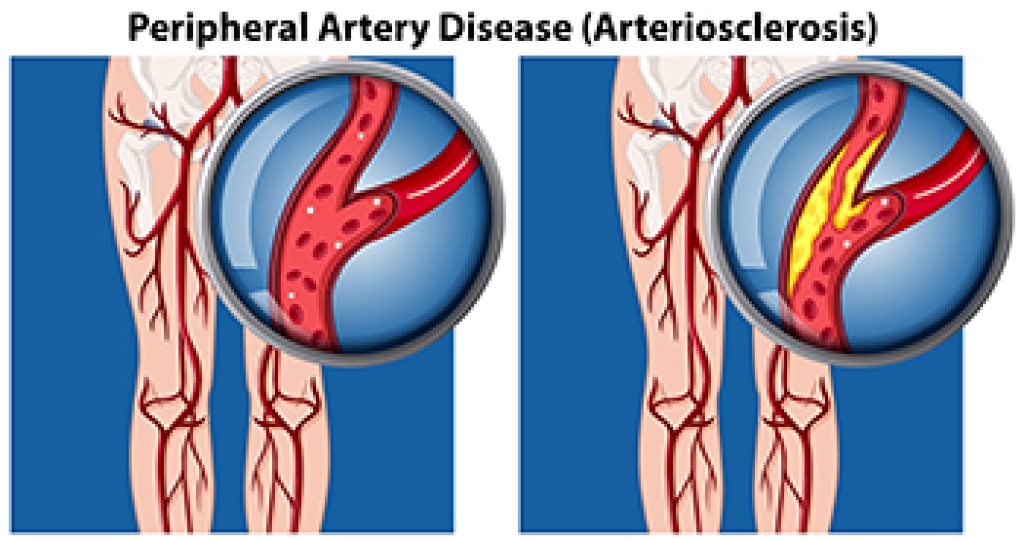
Peripheral artery disease (PAD) is when arteries are constricted due to plaque (fatty deposits) build-up. This results in less blood flow to the legs and other extremities. The main cause of PAD is atherosclerosis, in which plaque builds up in the arteries.

Symptoms

Symptoms of PAD include:

  • Claudication (leg pain from walking)
  • Numbness in legs
  • Decrease in growth of leg hair and toenails
  • Paleness of the skin
  • Erectile dysfunction
  • Sores and wounds on legs and feet that won’t heal
  • Coldness in one leg

It is important to note that a majority of individuals never show any symptoms of PAD.

Diagnosis

While PAD occurs in the legs and arteries, Podiatrists can diagnose PAD. Podiatrists utilize a test called an ankle-brachial index (ABI). An ABI test compares blood pressure in your arm to you ankle to see if any abnormality occurs. Ultrasound and imaging devices may also be used.

Treatment

Fortunately, lifestyle changes such as maintaining a healthy diet, exercising, managing cholesterol and blood sugar levels, and quitting smoking, can all treat PAD. Medications that prevent clots from occurring can be prescribed. Finally, in some cases, surgery may be recommended.

If you have any questions, please feel free to contact our office located in Brownsville, TX . We offer the newest diagnostic and treatment technologies for all your foot care needs.

Read more about Peripheral Artery Disease

Diagnosing a Lisfranc Fracture

Lisfranc fractures, occurring deep within the midfoot, present a diagnostic challenge due to their intricate location amidst a multitude of bones and tendons. Often misdiagnosed, these fractures result from either broken bones or torn ligaments supporting the midfoot structure. A Lisfranc fracture can range from mild muscle tears to complex fractures that involve multiple bones and joints. Lisfranc fractures are commonly mistaken for a simple foot sprain and can lead to prolonged pain and complications if left untreated. Low-energy incidents, like missteps or falls during routine activities, typically cause these fractures. High-energy traumas from elevated falls also can result in this type of injury. An accurate diagnosis of a Lisfranc fracture is challenging and requires a thorough evaluation by a podiatrist, using advanced imaging techniques. Proper treatment of Lisfranc fractures, ranging from conservative measures to surgical intervention, is essential for optimal recovery, as ignoring the injury or attempting to walk it off can worsen damage and prolong healing time. If you are experiencing severe pain in the midfoot area, it is suggested that you schedule an appointment with a podiatrist as quickly as possible for a complete exam and diagnosis.

A broken foot requires immediate medical attention and treatment. If you need your feet checked, contact Renee Rodriquez, DPM from Foot Clinic of South Texas. Our doctor can provide the care you need to keep you pain-free and on your feet.

Broken Foot Causes, Symptoms, and Treatment

A broken foot is caused by one of the bones in the foot typically breaking when bended, crushed, or stretched beyond its natural capabilities. Usually the location of the fracture indicates how the break occurred, whether it was through an object, fall, or any other type of injury. 

Common Symptoms of Broken Feet:

  • Bruising
  • Pain
  • Redness
  • Swelling
  • Blue in color
  • Numbness
  • Cold
  • Misshapen
  • Cuts
  • Deformities

Those that suspect they have a broken foot shoot seek urgent medical attention where a medical professional could diagnose the severity.

Treatment for broken bones varies depending on the cause, severity and location. Some will require the use of splints, casts or crutches while others could even involve surgery to repair the broken bones. Personal care includes the use of ice and keeping the foot stabilized and elevated.

If you have any questions, please feel free to contact our office located in Brownsville, TX . We offer the newest diagnostic and treatment technologies for all your foot care needs.

Read more about Causes, Symptoms, and Treatment for a Broken Foot

We Can Treat Your Foot or Ankle Pain

Foot or ankle pain can negatively affect your day-to-day life and can occur due to several different conditions. Pain can also be an indicator of a more serious underlying condition, which is why you should seek professional help as soon as you notice any abnormalities in your feet.

Causes of Bone Spurs on the Heel

Heel bone spurs, medically known as osteophytes, are abnormal growths that can result in pain and restricted movement. Often unnoticed until visible on an X-ray, heel bone spurs are associated with degenerative joint diseases, such as osteoarthritis, where the breakdown of joint cartilage prompts the body to form new bone as a reparative measure. This process leads to the development of bone spurs along the edges of affected joints, particularly in the heel region. Besides aging, various factors contribute to heel bone spurs, including injuries and overuse, common among runners and dancers. Other factors are hereditary predisposition, obesity, and congenital bone issues. Many people may have heel bone spurs without symptoms, but others can experience pain and loss of joint mobility if the spur rubs against bones or presses on a nerve. If you suspect you have a heel bone spur or are experiencing unexplained heel pain, it is suggested that you schedule an appointment with a podiatrist for a comprehensive evaluation and the appropriate treatment plan.

Heel spurs can be incredibly painful and sometimes may make you unable to participate in physical activities. To get medical care for your heel spurs, contact Renee Rodriquez, DPM from Foot Clinic of South Texas. Our doctor will do everything possible to treat your condition.

Heels Spurs

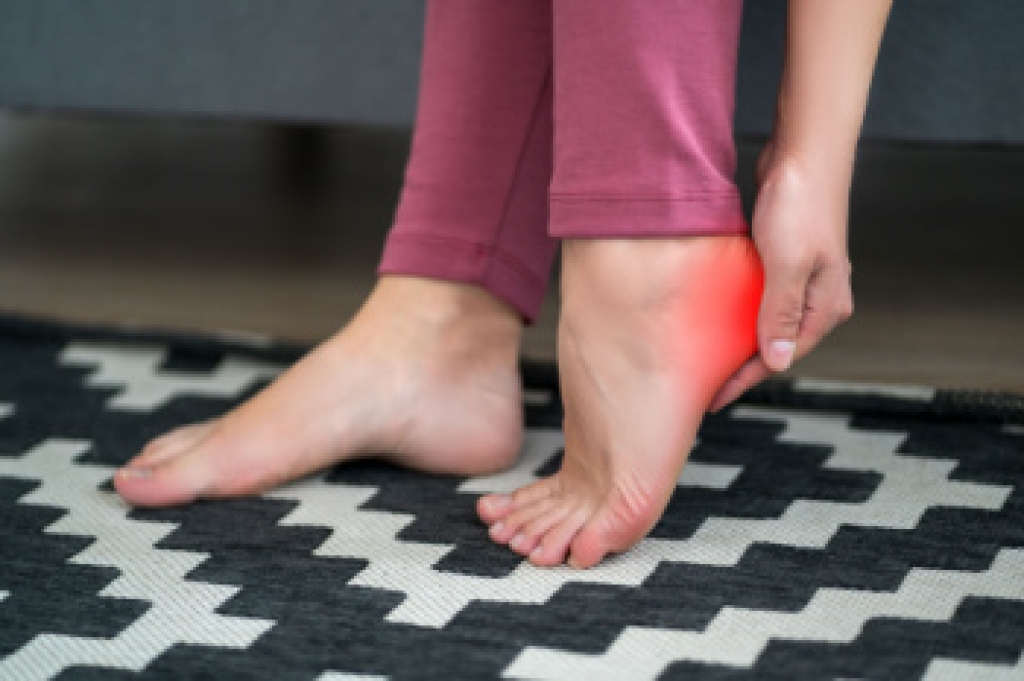
Heel spurs are formed by calcium deposits on the back of the foot where the heel is. This can also be caused by small fragments of bone breaking off one section of the foot, attaching onto the back of the foot. Heel spurs can also be bone growth on the back of the foot and may grow in the direction of the arch of the foot.

Older individuals usually suffer from heel spurs and pain sometimes intensifies with age. One of the main condition's spurs are related to is plantar fasciitis.

Pain

The pain associated with spurs is often because of weight placed on the feet. When someone is walking, their entire weight is concentrated on the feet. Bone spurs then have the tendency to affect other bones and tissues around the foot. As the pain continues, the feet will become tender and sensitive over time.

Treatments

There are many ways to treat heel spurs. If one is suffering from heel spurs in conjunction with pain, there are several methods for healing. Medication, surgery, and herbal care are some options.

If you have any questions, please feel free to contact our office located in Brownsville, TX . We offer the newest diagnostic and treatment technologies for all your foot care needs.
Read more about Heel Spurs

A Comprehensive Approach Toward Preventing Running Injuries

Ensuring a safe and injury-free running experience involves adopting effective prevention techniques that prioritize the well-being of your muscles and joints. Start with a proper warm-up routine, incorporating dynamic stretches to prepare your body for the demands of running. Gradually increase the intensity and duration of your runs, allowing your muscles to adapt to the stress gradually. Invest in well-fitted running shoes that provide adequate support and cushioning, considering factors like arch type and pronation. Cross-training activities, such as strength training and flexibility exercises, play a critical role in enhancing overall muscle balance and resilience. Paying attention to your running form and maintaining a posture that minimizes impact on joints may help to reduce the risk of injury. Adequate rest and recovery are equally vital, and listening to your body allows it time to recuperate between runs. By adopting a holistic approach that encompasses warm-ups, proper gear, cross-training, form correction, and rest, you can significantly reduce the likelihood of running-related injuries and enjoy a sustained and fulfilling running journey. If you have sustained a foot or ankle injury from running, it is suggested that you speak to a podiatrist.

All runners should take extra precaution when trying to avoid injury. If you have any concerns about your feet, contact Renee Rodriquez, DPM of Foot Clinic of South Texas. Our doctor will treat your foot and ankle needs.

How to Prevent Running Injuries

There are a lot of mistakes a runner can make prior to a workout that can induce injury. A lot of athletes tend to overstretch before running, instead of saving those workouts for a post-run routine. Deep lunges and hand-to-toe hamstring pulls should be performed after a workout instead of during a warmup. Another common mistake is jumping into an intense routine before your body is physically prepared for it. You should try to ease your way into long-distance running instead of forcing yourself to rush into it.

More Tips for Preventing Injury

  • Incorporate Strength Training into Workouts - This will help improve the body’s overall athleticism
  • Improve and Maintain Your Flexibility – Stretching everyday will help improve overall performance
  • “Warm Up” Before Running and “Cool Down” Afterward – A warm up of 5-10 minutes helps get rid of lactic acid in the muscles and prevents delayed muscle soreness
  • Cross-Training is Crucial
  • Wear Proper Running Shoes
  • Have a Formal Gait Analysis – Poor biomechanics can easily cause injury

If you have any questions, please feel free to contact our office located in Brownsville, TX . We offer the newest diagnostic and treatment technologies for all your foot care needs.

Read more about Preventing Running Injuries

Occupational Hazards of Plantar Fasciitis

Plantar fasciitis is prevalent in manufacturing environments, with several factors influencing its occurrence. These can include forefoot pronation during physical examination, high metatarsal pressure in gait assessments, and prolonged standing on hard surfaces. The rotation of footwear during the workweek appears to reduce the likelihood of developing plantar fasciitis. Using shoe orthoses with medial longitudinal arch and metatarsal pads can serve as a preventive or treatment approach. Implementing workstations that reduce the time spent walking or standing on hard surfaces, such as offering cushioning mats or alternating sitting and standing postures, may help lower the risk of plantar fasciitis. If you work in manufacturing and have developed heel pain, it is suggested that you schedule an appointment with a podiatrist for a proper diagnosis, treatment, and additional preventative advice.

Plantar fasciitis can be very painful and inconvenient. If you are experiencing heel pain or symptoms of plantar fasciitis, contact Renee Rodriquez, DPM  from Foot Clinic of South Texas. Our doctor can provide the care you need to keep you pain-free and on your feet.

What Is Plantar Fasciitis?

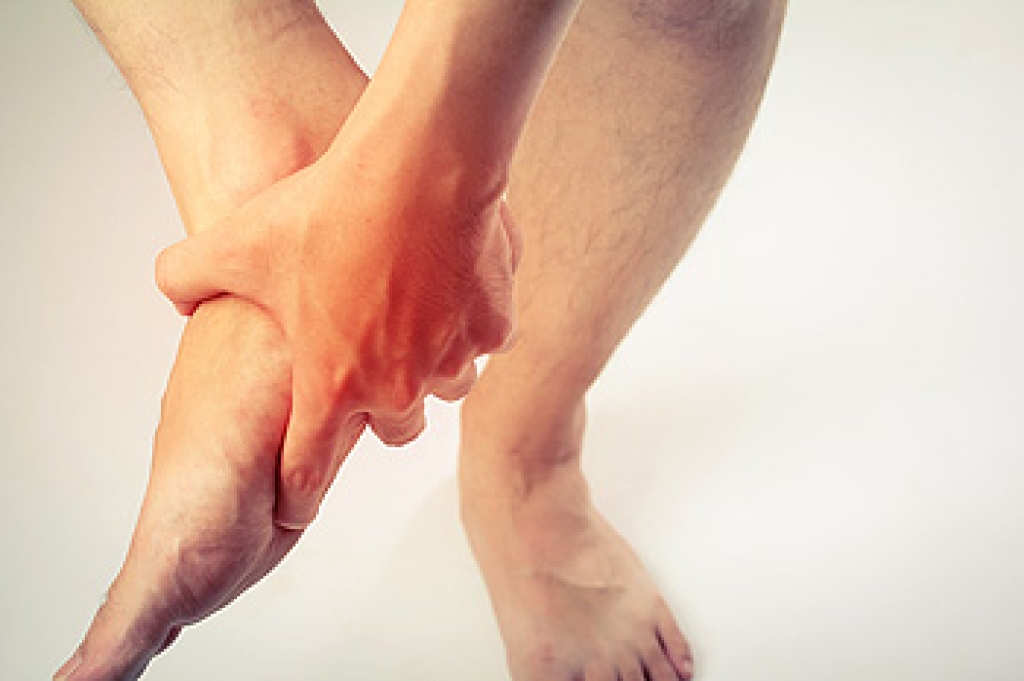
Plantar fasciitis is the inflammation of the thick band of tissue that runs along the bottom of your foot, known as the plantar fascia, and causes mild to severe heel pain.

What Causes Plantar Fasciitis?

  • Excessive running
  • Non-supportive shoes
  • Overpronation
  • Repeated stretching and tearing of the plantar fascia

How Can It Be Treated?

  • Conservative measures – anti-inflammatories, ice packs, stretching exercises, physical therapy, orthotic devices
  • Shockwave therapy – sound waves are sent to the affected area to facilitate healing and are usually used for chronic cases of plantar fasciitis
  • Surgery – usually only used as a last resort when all else fails. The plantar fascia can be surgically detached from the heel

While very treatable, plantar fasciitis is definitely not something that should be ignored. Especially in severe cases, speaking to your doctor right away is highly recommended to avoid complications and severe heel pain. Your podiatrist can work with you to provide the appropriate treatment options tailored to your condition.

If you have any questions, please feel free to contact our office located in Brownsville, TX . We offer the newest diagnostic and treatment technologies for all your foot care needs.
Read more about Plantar Fasciitis

Risks for Foot Blisters

Several factors contribute to the risk of developing foot blisters. The most evident risk factors include friction, pressure, and overuse. High friction levels and frequent cycles of material or objects over the skin increase the likelihood of blister formation. Additionally, carrying heavy loads exerts more pressure on the feet, which has been shown to increase blister incidence. Skin characteristics can also play a role, as thicker and stiffer skin, particularly on the soles of the feet, may be prone to blistering. Skin moisture affects friction levels, with increased moisture leading to higher friction. If you have irritating foot blisters, it is suggested that you schedule an appointment with a podiatrist who can provide you with relief options.

Blisters may appear as a single bubble or in a cluster. They can cause a lot of pain and may be filled with pus, blood, or watery serum. If your feet are hurting, contact Renee Rodriquez, DPM of Foot Clinic of South Texas. Our doctor can provide the care you need to keep you pain-free and on your feet.

Foot Blisters

Foot blisters are often the result of friction. This happens due to the constant rubbing from shoes, which can lead to pain.

What Are Foot Blisters?

A foot blister is a small fluid-filled pocket that forms on the upper-most layer of the skin. Blisters are filled with clear fluid and can lead to blood drainage or pus if the area becomes infected.

Symptoms

(Blister symptoms may vary depending on what is causing them)

  • Bubble of skin filled with fluid
  • Redness
  • Moderate to severe pain
  • Itching

Prevention & Treatment

In order to prevent blisters, you should be sure to wear comfortable shoes with socks that cushion your feet and absorb sweat. Breaking a blister open may increase your chances of developing an infection. However, if your blister breaks, you should wash the area with soap and water immediately and then apply a bandage to the affected area. If your blisters cause severe pain it is important that you call your podiatrist right away.

If you have any questions, please feel free to contact our office located in Brownsville, TX . We offer the newest diagnostic and treatment technologies for all your foot care needs.
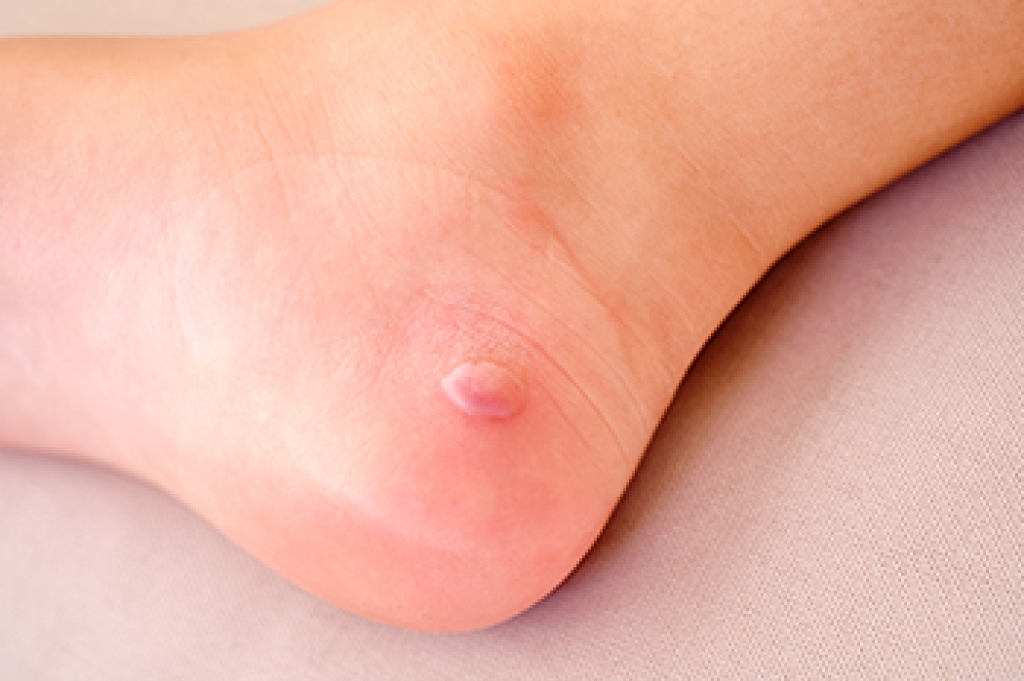
Read more about Blisters

Keep Your Feet Healthy So You Can Stay Active

Have your feet inspected by a professional before starting a new sport or physical activity. Taking charge of your foot health will keep you in good physical condition and can help you avoid a potential injury, such as a fracture or sprained ankle.

Prevent injuries and see a foot specialist.

Connect With Us

Request Appointment Patient Portal