Managing Your Child's Toe Walking

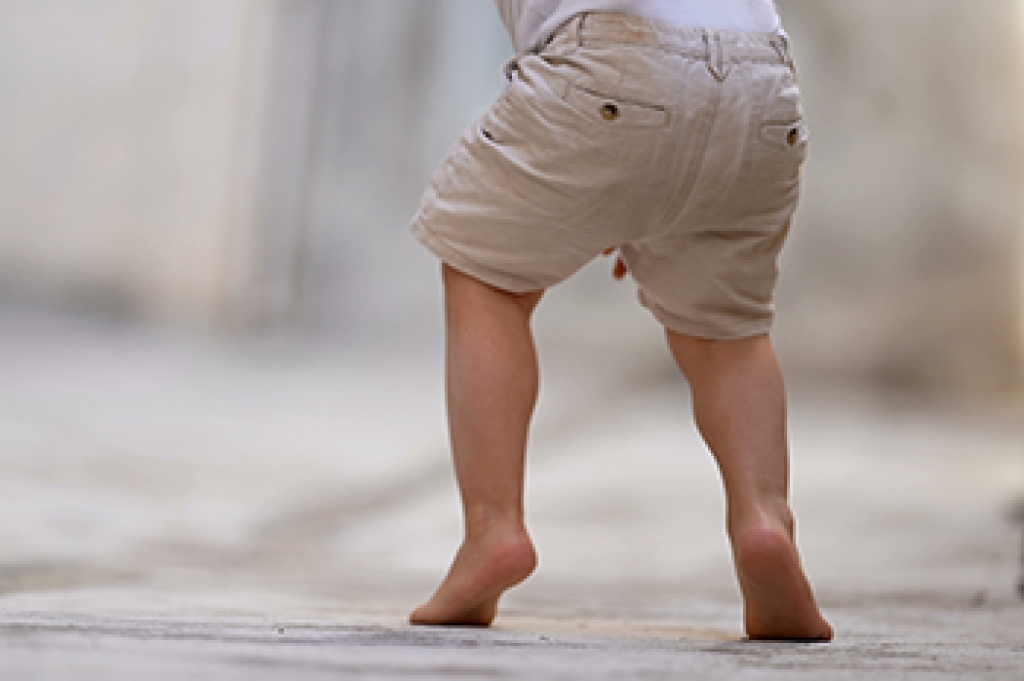
Idiopathic toe walking, as it's called, occurs when a child continues to favor their toes for walking or running. This behavior, if left unchecked, can lead to tight calf muscles and decreased ankle movement. However, there are methods to address toe walking effectively. For children under six, treatment may involve calf stretches, Achilles tendon stretches, and sit-to-stand exercises. Older children may benefit from calf stretches, marching in place, and walking uphill. Other exercises include walking on uneven surfaces, heel walking, and squats. These aim to stretch and strengthen the calf muscles, while promoting a heel-to-toe walking pattern. It is important for parents to identify toe walking early to prevent potential complications, such as muscle tightness and weakness. If your child exhibits persistent toe walking beyond three years of age, it is suggested that you schedule an appointment with a podiatrist who can assess the extent of your child's condition, and provide recommendations tailored to their specific needs. 

The health of a child’s feet is vital to their overall well-being. If you have any questions regarding foot health, contact Renee Rodriquez, DPM of Foot Clinic of South Texas. Our doctor can provide the care you need to keep you pain-free and on your feet.

Tips for Keeping Children's Feet Healthy

  • Make sure their shoes fit properly
  • Look for any signs of in-toeing or out-toeing
  • Check to see if they have Clubfoot (condition that affects your child’s foot and ankle, twisting the heel and toes inward) which is one of the most common nonmajor birth defects.
  • Lightly cover your baby’s feet (Tight covers may keep your baby from moving their feet freely, and could prevent normal development)
  • Allow your toddler to go shoeless (Shoes can be restricting for a young child’s foot)
  • Cut toenails straight across to avoid ingrown toenails
  • Keep your child’s foot clean and dry
  • Cover cuts and scrapes. Wash any scratches with soap and water and cover them with a bandage until they’ve healed.

If you have any questions, please feel free to contact our office located in Brownsville, TX . We offer the newest diagnostic and treatment technologies for all your foot care needs.

Read more about How to Care for Your Child's Feet

Risk Factors and Symptoms of Gout

Gout is a form of arthritis caused by the buildup of uric acid crystals in the joints. This buildup occurs when the body produces too much uric acid or cannot effectively eliminate it. Risk factors for developing gout include a diet high in red meat and seafood, excessive alcohol consumption, and obesity. Certain medical conditions such as hypertension and diabetes also increase the likelihood of developing gout. Symptoms of gout often appear suddenly and include intense joint pain, redness, and swelling, typically in the big toe. The affected joint may feel warm and extremely tender to the touch. Gout attacks can be recurrent, leading to chronic pain and joint damage if left untreated. The pain from gout can be debilitating. If you have developed this condition, it is suggested that you consult a podiatrist who can offer you relief and prevention methods.

Gout is a painful condition that can be treated. If you are seeking treatment, contact Renee Rodriquez, DPM from Foot Clinic of South Texas. Our doctor will treat your foot and ankle needs.

What Is Gout?

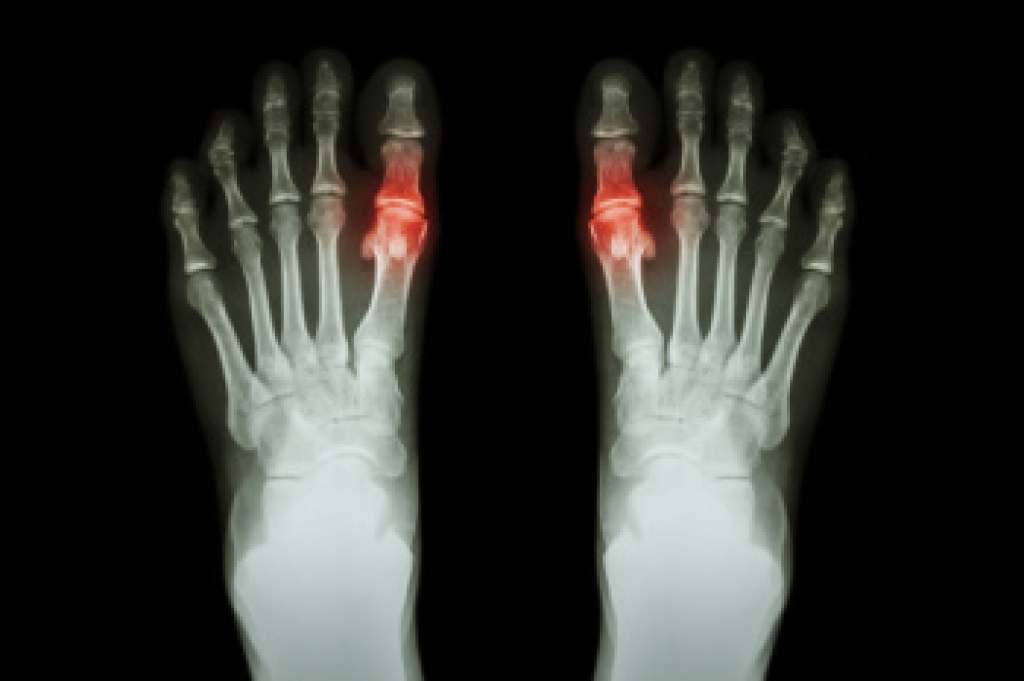
Gout is a form of arthritis that is characterized by sudden, severe attacks of pain, redness, and tenderness in the joints. The condition usually affects the joint at the base of the big toe. A gout attack can occur at any random time, such as the middle of the night while you are asleep.

Symptoms

  • Intense Joint Pain - Usually around the large joint of your big toe, and it most severe within the first four to twelve hours
  • Lingering Discomfort - Joint discomfort may last from a few days to a few weeks
  • Inflammation and Redness -Affected joints may become swollen, tender, warm and red
  • Limited Range of Motion - May experience a decrease in joint mobility

Risk Factors

  • Genetics - If family members have gout, you’re more likely to have it
  • Medications - Diuretic medications can raise uric acid levels
  • Gender/Age - Gout is more common in men until the age of 60. It is believed that estrogen protects women until that point
  • Diet - Eating red meat and shellfish increases your risk
  • Alcohol - Having more than two alcoholic drinks per day increases your risk
  • Obesity - Obese people are at a higher risk for gout

Prior to visiting your podiatrist to receive treatment for gout, there are a few things you should do beforehand. If you have gout you should write down your symptoms--including when they started and how often you experience them, important medical information you may have, and any questions you may have. Writing down these three things will help your podiatrist in assessing your specific situation so that he or she may provide the best route of treatment for you.

If you have any questions, please feel free to contact our office located in Brownsville, TX . We offer the newest diagnostic and treatment technologies for all your foot care needs.

Read more about Everything You Need to Know About Gout

Common Causes of Heel Pain and Possible Relief Tactics

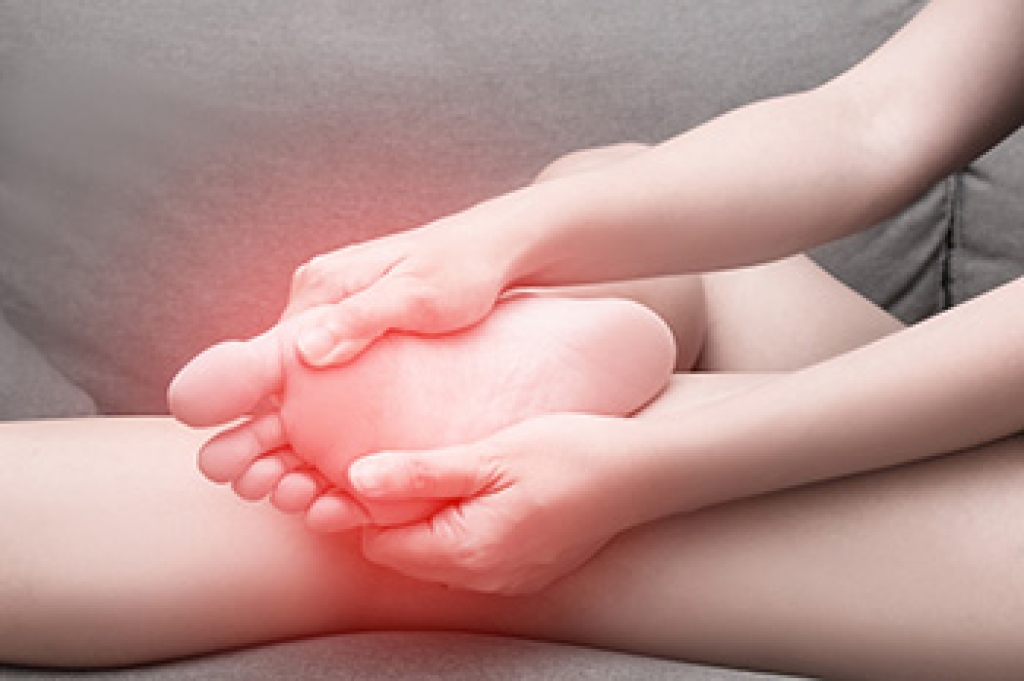
Heel pain is a frequent complaint that can significantly impact daily activities. One common cause is plantar fasciitis, which involves inflammation of the tissue that runs along the bottom of the foot, connecting the heel to the toes. Another cause is Achilles tendonitis, where the tendon connecting the calf muscles to the heel becomes irritated, often due to overuse or improper footwear. Heel spurs, which are bony growths on the heel bone, can also lead to pain and discomfort, especially during walking or standing for long periods. Conditions such as bursitis, arthritis, and nerve compression can contribute to heel pain as well. Addressing heel pain typically involves rest, wearing supportive footwear and possibly using orthotic shoe inserts. Stretching exercises can also provide relief. If you have heel pain, it is strongly suggested that you consult a podiatrist who can determine the cause and offer appropriate treatment solutions. 

Many people suffer from bouts of heel pain. For more information, contact Renee Rodriquez, DPM of Foot Clinic of South Texas. Our doctor can provide the care you need to keep you pain-free and on your feet.

Causes of Heel Pain

Heel pain is often associated with plantar fasciitis. The plantar fascia is a band of tissues that extends along the bottom of the foot. A rip or tear in this ligament can cause inflammation of the tissue.

Achilles tendonitis is another cause of heel pain. Inflammation of the Achilles tendon will cause pain from fractures and muscle tearing. Lack of flexibility is also another symptom.

Heel spurs are another cause of pain. When the tissues of the plantar fascia undergo a great deal of stress, it can lead to ligament separation from the heel bone, causing heel spurs.

Why Might Heel Pain Occur?

  • Wearing ill-fitting shoes                
  • Wearing non-supportive shoes
  • Weight change           
  • Excessive running

Treatments

Heel pain should be treated as soon as possible for immediate results. Keeping your feet in a stress-free environment will help. If you suffer from Achilles tendonitis or plantar fasciitis, applying ice will reduce the swelling. Stretching before an exercise like running will help the muscles. Using all these tips will help make heel pain a condition of the past.

If you have any questions, please feel free to contact our office located in Brownsville, TX . We offer the newest diagnostic and treatment technologies for all your foot care needs.
Read more about Heel Pain

Various Reasons for Foot Pain

Sharp heel pain and general foot pain can result from several conditions. Plantar fasciitis, a common cause, is characterized by inflammation of the thick band of tissue running along the bottom of the foot. Bursitis, the inflammation of fluid-filled sacs that cushion the bones, can also lead to significant foot pain. Gout, a form of arthritis resulting from the accumulation of uric acid crystals, often causes sudden and intense discomfort in the big toe or ankle. Tarsal tunnel syndrome, involving compression of the tibial nerve, can create sharp, tingling pain extending into the arch. Additionally, heel spurs, which are bony growths on the underside of the heel, can cause stabbing pain, especially while walking or standing. If you have any type of foot pain, it is suggested that you consult a podiatrist who can determine the cause and offer treatment options.

Foot Pain

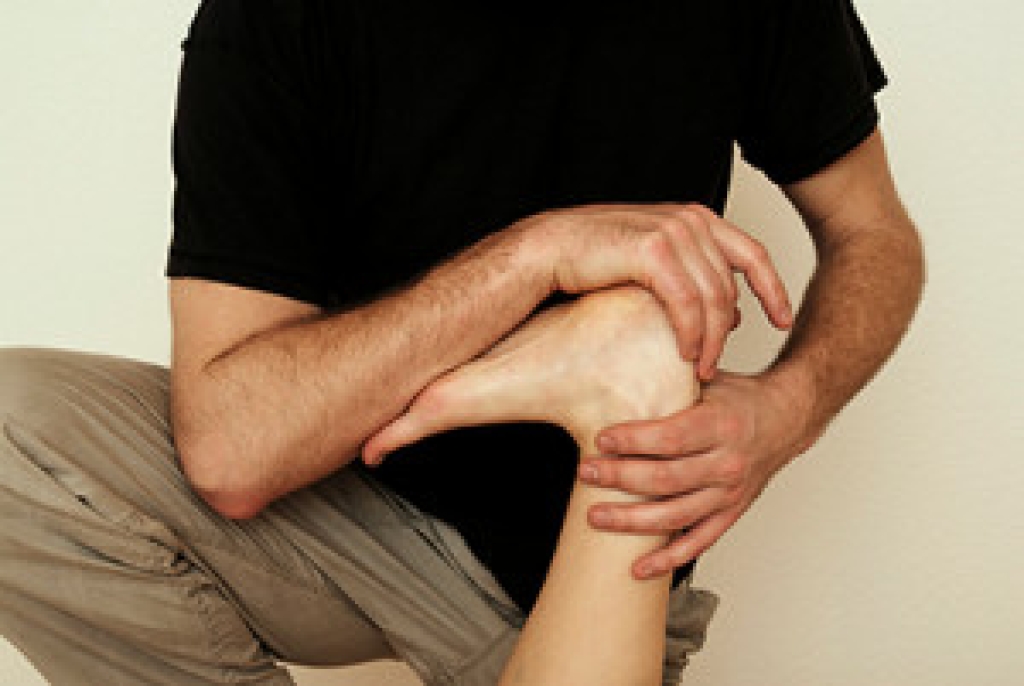
Foot pain can be extremely painful and debilitating. If you have a foot pain, consult with Renee Rodriquez, DPM from Foot Clinic of South Texas. Our doctor will assess your condition and provide you with quality foot and ankle treatment.

Causes

Foot pain is a very broad condition that could be caused by one or more ailments. The most common include:

  • Bunions
  • Hammertoes
  • Plantar Fasciitis
  • Bone Spurs
  • Corns
  • Tarsal Tunnel Syndrome
  • Ingrown Toenails
  • Arthritis (such as Gout, Rheumatoid, and Osteoarthritis)
  • Flat Feet
  • Injury (from stress fractures, broken toe, foot, ankle, Achilles tendon ruptures, and sprains)
  • And more

Diagnosis

To figure out the cause of foot pain, podiatrists utilize several different methods. This can range from simple visual inspections and sensation tests to X-rays and MRI scans. Prior medical history, family medical history, and any recent physical traumatic events will all be taken into consideration for a proper diagnosis.

Treatment

Treatment depends upon the cause of the foot pain. Whether it is resting, staying off the foot, or having surgery; podiatrists have a number of treatment options available for foot pain.

If you have any questions, please feel free to contact our office located in Brownsville, TX . We offer the newest diagnostic and treatment technologies for all your foot care needs.
Read more about Foot Pain

Exercises May Help Arch Pain

Arch pain is discomfort or inflammation in the arch of the foot, often caused by overuse, flat feet, high arches, or plantar fasciitis. It can manifest as a dull ache or a sharp, stabbing pain, particularly during or after physical activity. Foot exercises can help alleviate arch pain by strengthening and stretching the muscles and tissues in the feet. One beneficial exercise is the towel curl, where you sit with your foot on a towel and use your toes to scrunch the towel towards you, repeating 10 to 15 times per foot. Another exercise is the calf stretch. This is done by facing a wall while standing, placing one foot behind the other, and bending the front knee while keeping the back leg straight. Hold for 15 to 30 seconds, and repeat several times. A third exercise is the arch roll, which is practiced by placing a tennis ball or a frozen water bottle to roll under your foot for a few minutes each day. For persistent or severe arch pain, it is suggested that you visit a podiatrist for a proper diagnosis and treatment. 

Why Stretching Is Important for Your Feet

Stretching the feet is a great way to prevent injuries. If you have any concerns with your feet consult with Renee Rodriquez, DPM from Foot Clinic of South Texas. Our doctor will assess your condition and provide you with quality foot and ankle treatment.

Stretching the Feet

Stretching the muscles in the foot is an important part in any physical activity. Feet that are tight can lead to less flexibility and make you more prone to injury. One of the most common forms of foot pain, plantar fasciitis, can be stretched out to help ease the pain. Stretching can not only ease pain from plantar fasciitis but also prevent it as well. However, it is important to see a podiatrist first to determine if stretching is right for you. Podiatrists can also recommend other ways to stretch your feet. Once you know whether stretching is right for you, here are some excellent stretches you can do.

  • Using a foam roller or any cylindrical object (a water bottle or soda can will do), roll the object under your foot back and forth. You should also exert pressure on the object. Be sure to do this to both feet for a minute. Do this exercise three times each.
  • Similar to the previous exercise, take a ball, such as a tennis ball, and roll it under your foot while seated and exert pressure on it.
  • Grab a resistance band or towel and take a seat. If you are using a towel, fold it length wise. Next put either one between the ball of your foot and heel and pull with both hands on each side towards you. Hold this for 15 seconds and then switch feet. Do this three times for each foot.
  • Finally hold your big toe while crossing one leg over the other. Pull the toe towards you and hold for 15 seconds. Once again do this three times per foot.

It is best to go easy when first stretching your foot and work your way up. If your foot starts hurting, stop exercising to ice and rest the foot. It is advised that you then see a podiatrist for help.

If you have any questions please contact our office located in Brownsville, TX . We offer the newest diagnostic and treatment technologies for all your foot and ankle needs.

Read more about How to Stretch Your Feet

How to Avoid Development of Blisters

Preventing blisters is important for maintaining healthy feet. One way to avoid the development of blisters is by wearing well-fitted shoes that don't rub or cause friction against your skin. Additionally, it is suggested to change socks throughout the day, as wet or sweaty feet are more likely to blister. If you are aware of a spot that may become sore when engaging in daily activities that can cause friction, such as walking, or running, consider padding the inflamed area to reduce pressure. Applying cushioning pads where blisters commonly form can provide extra protection and reduce friction. Keeping up with foot hygiene can also decrease the risk of developing a blister on the foot. Keep your toenails trimmed and smooth to prevent them from catching on your socks or shoes, which can cause rubbing and blisters. If you notice any redness or hot spots on your feet, take immediate action to prevent blisters from forming. If you have a blister, especially if it is large, painful, or showing signs of infection, it is suggested to visit a podiatrist for safe treatment.

Blisters are prone to making everyday activities extremely uncomfortable. If your feet are hurting, contact Renee Rodriquez, DPM of Foot Clinic of South Texas. Our doctor can provide the care you need to keep you pain-free and on your feet.

Foot Blisters

Foot blisters develop as a result of constantly wearing tight or ill-fitting footwear. This happens due to the constant rubbing from the shoe, which can often lead to pain.

What Are Foot Blisters?

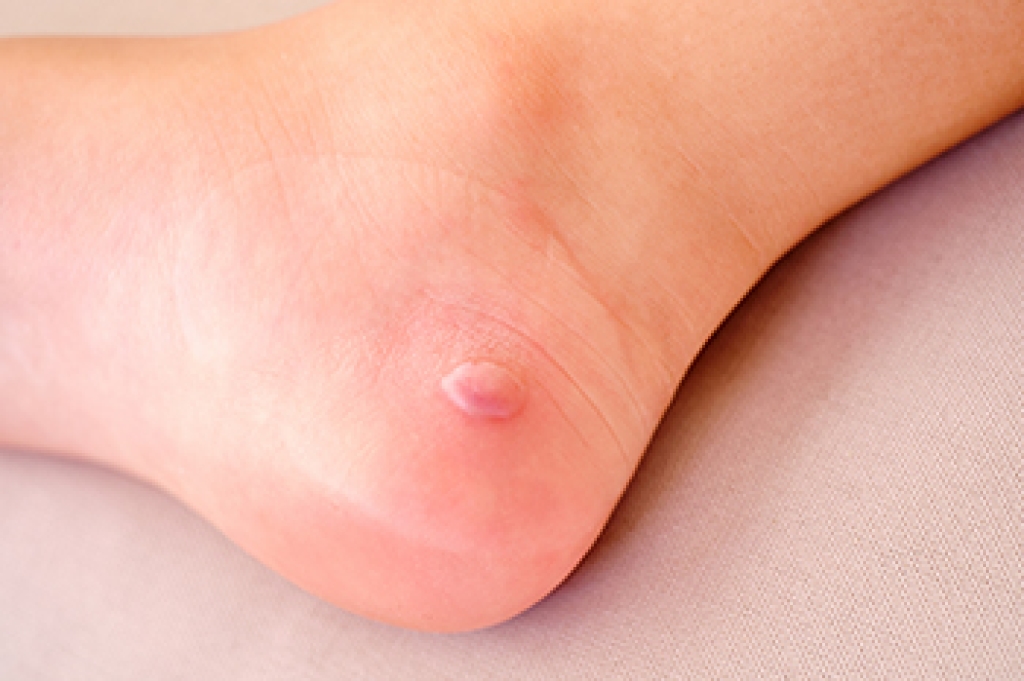
A foot blister is a small fluid-filled pocket that forms on the upper-most layer of the skin. Blisters are filled with clear fluid and can lead to blood drainage or pus if the area becomes infected.

How Do Blisters Form?

Blisters on the feet are often the result of constant friction of skin and material, usually by shoe rubbing. Walking in sandals, boots, or shoes that don’t fit properly for long periods of time can result in a blister. Having consistent foot moisture and humidity can easily lead to blister formation.

Prevention & Treatment

It is important to properly care for the affected area in order to prevent infection and ease the pain. Do not lance the blister and use a Band-Aid to provide pain relief. Also, be sure to keep your feet dry and wear proper fitting shoes. If you see blood or pus in a blister, seek assistance from a podiatrist.

If you have any questions, please feel free to contact our office located in Brownsville, TX . We offer the newest diagnostic and treatment technologies for all your foot care needs.

Read more about Blisters on the Feet

Plantar Warts Can Be Treated!

Plantar warts are small growths that develop on parts of the feet that bear weight. They're typically found on the bottom of the foot. Don't live with plantar warts, and call us today!

Why Diabetic Patients Experience Foot Problems

Diabetic patients often experience foot problems due to poor blood circulation and nerve damage, or neuropathy, caused by prolonged high blood sugar levels. Reduced blood flow can lead to slow healing of cuts and sores, while neuropathy can cause numbness, tingling, or a loss of sensation in the feet. This combination increases the risk of developing ulcers and infections, and injuries may go unnoticed. Diabetic foot symptoms include swelling, redness, warmth, and pain. Some individuals may feel a burning or sharp pain, while others might experience complete numbness. Foot deformities like hammertoes or Charcot foot can also develop causing discomfort and instability. To manage these issues, diabetic patients should maintain proper blood sugar levels, perform daily foot inspections, wear appropriate footwear, and practice good foot hygiene. Regular check-ups with a podiatrist are essential. If you have diabetes, it is strongly suggested that you seek comprehensive care from this type of doctor, who can perform regular foot evaluations and offer preventive measures tailored to diabetic needs.

Diabetic foot care is important in preventing foot ailments such as ulcers. If you are suffering from diabetes or have any other concerns about your feet, contact Renee Rodriquez, DPM from Foot Clinic of South Texas. Our doctor can provide the care you need to keep you pain-free and on your feet.

Diabetic Foot Care

Diabetes affects millions of people every year. The condition can damage blood vessels in many parts of the body, especially the feet. Because of this, taking care of your feet is essential if you have diabetes, and having a podiatrist help monitor your foot health is highly recommended.

The Importance of Caring for Your Feet

  • Routinely inspect your feet for bruises or sores.
  • Wear socks that fit your feet comfortably.
  • Wear comfortable shoes that provide adequate support.

Patients with diabetes should have their doctor monitor their blood levels, as blood sugar levels play such a huge role in diabetic care. Monitoring these levels on a regular basis is highly advised.

It is always best to inform your healthcare professional of any concerns you may have regarding your feet, especially for diabetic patients. Early treatment and routine foot examinations are keys to maintaining proper health, especially because severe complications can arise if proper treatment is not applied.

If you have any questions, please feel free to contact our office located in Brownsville, TX . We offer the newest diagnostic and treatment technologies for all your foot care needs.

Read more about Diabetic Foot Care

Sever’s Disease Can Affect Your Active Child

Sever's disease is often experienced by active children aged nine to 14. It occurs when the child’s calf muscle and Achilles tendon excessively pull on the growth plate of the heel bone, or calcaneus, which is still developing until about age 15. Sever’s disease typically arises in young athletes, whose vigorous activities put additional strain on their heels. Children may experience pain along the sides of their heels, which intensifies when they stand on tiptoes or run. Some may also notice warmth and swelling in the affected area. A diagnosis is usually based on these symptoms, as X-rays, while helpful for ruling out issues like bone cysts or stress fractures, cannot confirm Sever's disease. Relief options include using heel pads to reduce tendon strain, night splints to stretch the calf muscles, or in severe cases, a cast to immobilize the area. If your active child is experiencing heel pain, it is suggested that you schedule an appointment with a podiatrist for a full exam and appropriate treatment for Sever’s disease. 

Sever's disease often occurs in children and teens. If your child is experiencing foot or ankle pain, see Renee Rodriquez, DPM from Foot Clinic of South Texas. Our doctor can treat your child’s foot and ankle needs.

Sever’s Disease

Sever’s disease is also known as calcaneal apophysitis, which is a medical condition that causes heel pain I none or both feet. The disease is known to affect children between the ages of 8 and 14.

Sever’s disease occurs when part of the child’s heel known as the growth plate (calcaneal epiphysis) is attached to the Achilles tendon. This area can suffer injury when the muscles and tendons of the growing foot do not keep pace with bone growth. Therefore, the constant pain which one experiences at the back of the heel will make the child unable to put any weight on the heel. The child is then forced to walk on their toes.

Symptoms

Acute pain – Pain associated with Sever’s disease is usually felt in the heel when the child engages in physical activity such as walking, jumping and or running.

Highly active – Children who are very active are among the most susceptible in experiencing Sever’s disease, because of the stress and tension placed on their feet.

If you have any questions, please feel free to contact our office located in Brownsville, TX . We offer the newest diagnostic and treatment technologies for all your foot care needs.

Read more about Sever's Disease

Connect With Us

Request Appointment Patient Portal