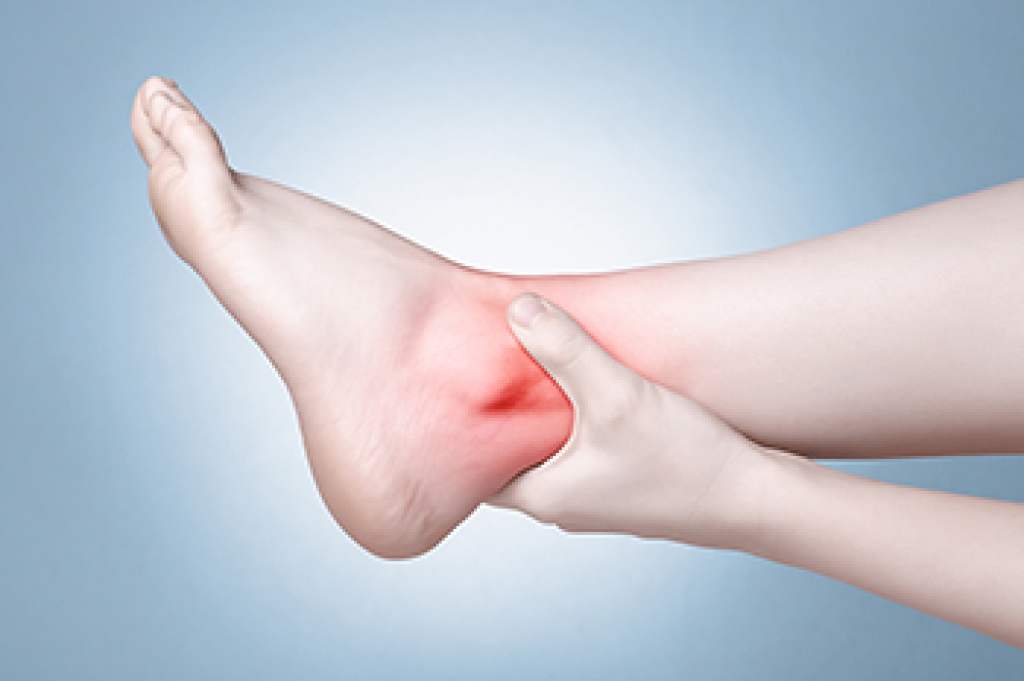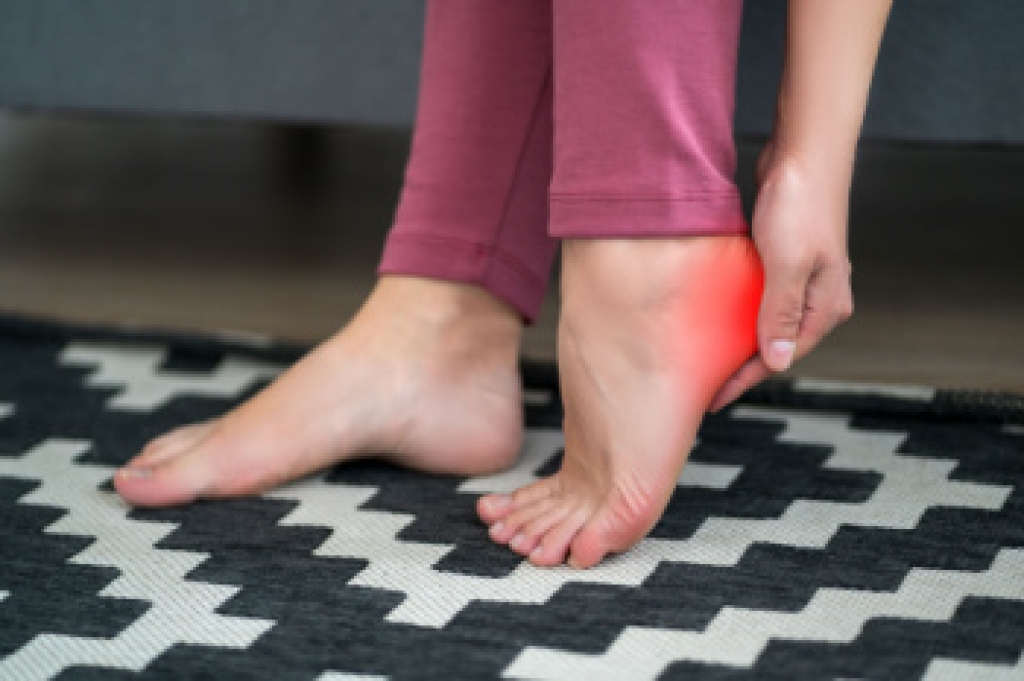
Causes of Bone Spurs on the Heel

Heel bone spurs, medically known as osteophytes, are abnormal growths that can result in pain and restricted movement. Often unnoticed until visible on an X-ray, heel bone spurs are associated with degenerative joint diseases, such as osteoarthritis, where the breakdown of joint cartilage prompts the body to form new bone as a reparative measure. This process leads to the development of bone spurs along the edges of affected joints, particularly in the heel region. Besides aging, various factors contribute to heel bone spurs, including injuries and overuse, common among runners and dancers. Other factors are hereditary predisposition, obesity, and congenital bone issues. Many people may have heel bone spurs without symptoms, but others can experience pain and loss of joint mobility if the spur rubs against bones or presses on a nerve. If you suspect you have a heel bone spur or are experiencing unexplained heel pain, it is suggested that you schedule an appointment with a podiatrist for a comprehensive evaluation and the appropriate treatment plan.

Heel spurs can be incredibly painful and sometimes may make you unable to participate in physical activities. To get medical care for your heel spurs, contact Renee Rodriquez, DPM from Foot Clinic of South Texas. Our doctor will do everything possible to treat your condition.

Heels Spurs

Heel spurs are formed by calcium deposits on the back of the foot where the heel is. This can also be caused by small fragments of bone breaking off one section of the foot, attaching onto the back of the foot. Heel spurs can also be bone growth on the back of the foot and may grow in the direction of the arch of the foot.

Older individuals usually suffer from heel spurs and pain sometimes intensifies with age. One of the main condition's spurs are related to is plantar fasciitis.

Pain

The pain associated with spurs is often because of weight placed on the feet. When someone is walking, their entire weight is concentrated on the feet. Bone spurs then have the tendency to affect other bones and tissues around the foot. As the pain continues, the feet will become tender and sensitive over time.

Treatments

There are many ways to treat heel spurs. If one is suffering from heel spurs in conjunction with pain, there are several methods for healing. Medication, surgery, and herbal care are some options.

If you have any questions, please feel free to contact our office located in Brownsville, TX . We offer the newest diagnostic and treatment technologies for all your foot care needs.

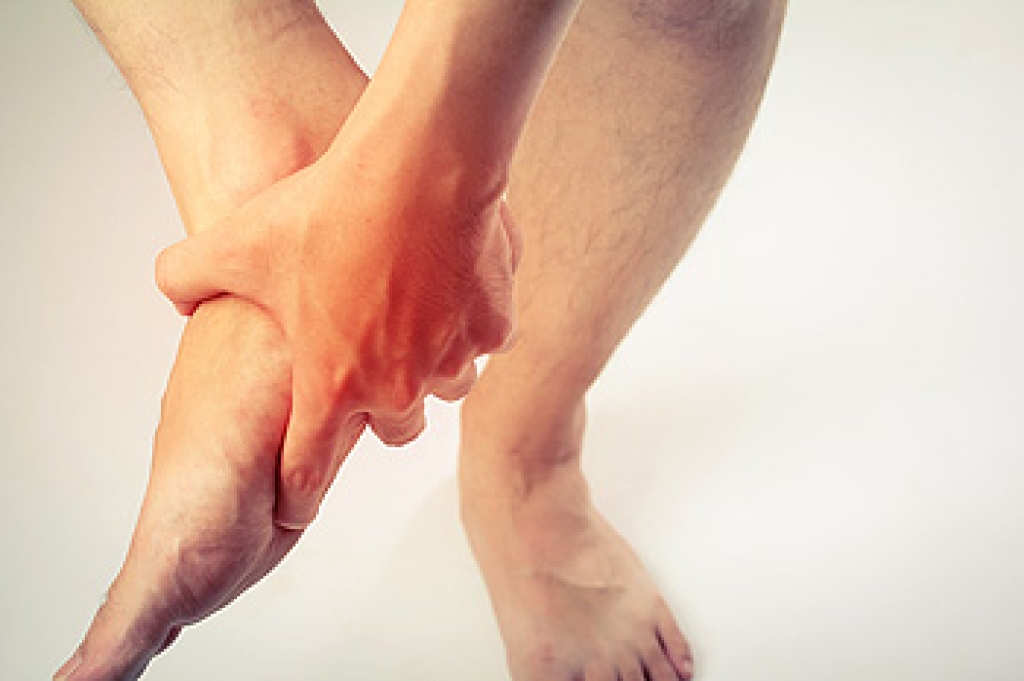
Read more about Heel Spurs

A Comprehensive Approach Toward Preventing Running Injuries

Ensuring a safe and injury-free running experience involves adopting effective prevention techniques that prioritize the well-being of your muscles and joints. Start with a proper warm-up routine, incorporating dynamic stretches to prepare your body for the demands of running. Gradually increase the intensity and duration of your runs, allowing your muscles to adapt to the stress gradually. Invest in well-fitted running shoes that provide adequate support and cushioning, considering factors like arch type and pronation. Cross-training activities, such as strength training and flexibility exercises, play a critical role in enhancing overall muscle balance and resilience. Paying attention to your running form and maintaining a posture that minimizes impact on joints may help to reduce the risk of injury. Adequate rest and recovery are equally vital, and listening to your body allows it time to recuperate between runs. By adopting a holistic approach that encompasses warm-ups, proper gear, cross-training, form correction, and rest, you can significantly reduce the likelihood of running-related injuries and enjoy a sustained and fulfilling running journey. If you have sustained a foot or ankle injury from running, it is suggested that you speak to a podiatrist.

All runners should take extra precaution when trying to avoid injury. If you have any concerns about your feet, contact Renee Rodriquez, DPM of Foot Clinic of South Texas. Our doctor will treat your foot and ankle needs.

How to Prevent Running Injuries

There are a lot of mistakes a runner can make prior to a workout that can induce injury. A lot of athletes tend to overstretch before running, instead of saving those workouts for a post-run routine. Deep lunges and hand-to-toe hamstring pulls should be performed after a workout instead of during a warmup. Another common mistake is jumping into an intense routine before your body is physically prepared for it. You should try to ease your way into long-distance running instead of forcing yourself to rush into it.

More Tips for Preventing Injury

  • Incorporate Strength Training into Workouts - This will help improve the body’s overall athleticism
  • Improve and Maintain Your Flexibility – Stretching everyday will help improve overall performance
  • “Warm Up” Before Running and “Cool Down” Afterward – A warm up of 5-10 minutes helps get rid of lactic acid in the muscles and prevents delayed muscle soreness
  • Cross-Training is Crucial
  • Wear Proper Running Shoes
  • Have a Formal Gait Analysis – Poor biomechanics can easily cause injury

If you have any questions, please feel free to contact our office located in Brownsville, TX . We offer the newest diagnostic and treatment technologies for all your foot care needs.
Read more about Preventing Running Injuries

Occupational Hazards of Plantar Fasciitis

Plantar fasciitis is prevalent in manufacturing environments, with several factors influencing its occurrence. These can include forefoot pronation during physical examination, high metatarsal pressure in gait assessments, and prolonged standing on hard surfaces. The rotation of footwear during the workweek appears to reduce the likelihood of developing plantar fasciitis. Using shoe orthoses with medial longitudinal arch and metatarsal pads can serve as a preventive or treatment approach. Implementing workstations that reduce the time spent walking or standing on hard surfaces, such as offering cushioning mats or alternating sitting and standing postures, may help lower the risk of plantar fasciitis. If you work in manufacturing and have developed heel pain, it is suggested that you schedule an appointment with a podiatrist for a proper diagnosis, treatment, and additional preventative advice.

Plantar fasciitis can be very painful and inconvenient. If you are experiencing heel pain or symptoms of plantar fasciitis, contact Renee Rodriquez, DPM  from Foot Clinic of South Texas. Our doctor can provide the care you need to keep you pain-free and on your feet.

What Is Plantar Fasciitis?

Plantar fasciitis is the inflammation of the thick band of tissue that runs along the bottom of your foot, known as the plantar fascia, and causes mild to severe heel pain.

What Causes Plantar Fasciitis?

  • Excessive running
  • Non-supportive shoes
  • Overpronation
  • Repeated stretching and tearing of the plantar fascia

How Can It Be Treated?

  • Conservative measures – anti-inflammatories, ice packs, stretching exercises, physical therapy, orthotic devices
  • Shockwave therapy – sound waves are sent to the affected area to facilitate healing and are usually used for chronic cases of plantar fasciitis
  • Surgery – usually only used as a last resort when all else fails. The plantar fascia can be surgically detached from the heel

While very treatable, plantar fasciitis is definitely not something that should be ignored. Especially in severe cases, speaking to your doctor right away is highly recommended to avoid complications and severe heel pain. Your podiatrist can work with you to provide the appropriate treatment options tailored to your condition.

If you have any questions, please feel free to contact our office located in Brownsville, TX . We offer the newest diagnostic and treatment technologies for all your foot care needs.

Read more about Plantar Fasciitis

Risks for Foot Blisters

Several factors contribute to the risk of developing foot blisters. The most evident risk factors include friction, pressure, and overuse. High friction levels and frequent cycles of material or objects over the skin increase the likelihood of blister formation. Additionally, carrying heavy loads exerts more pressure on the feet, which has been shown to increase blister incidence. Skin characteristics can also play a role, as thicker and stiffer skin, particularly on the soles of the feet, may be prone to blistering. Skin moisture affects friction levels, with increased moisture leading to higher friction. If you have irritating foot blisters, it is suggested that you schedule an appointment with a podiatrist who can provide you with relief options.

Blisters may appear as a single bubble or in a cluster. They can cause a lot of pain and may be filled with pus, blood, or watery serum. If your feet are hurting, contact Renee Rodriquez, DPM of Foot Clinic of South Texas. Our doctor can provide the care you need to keep you pain-free and on your feet.

Foot Blisters

Foot blisters are often the result of friction. This happens due to the constant rubbing from shoes, which can lead to pain.

What Are Foot Blisters?

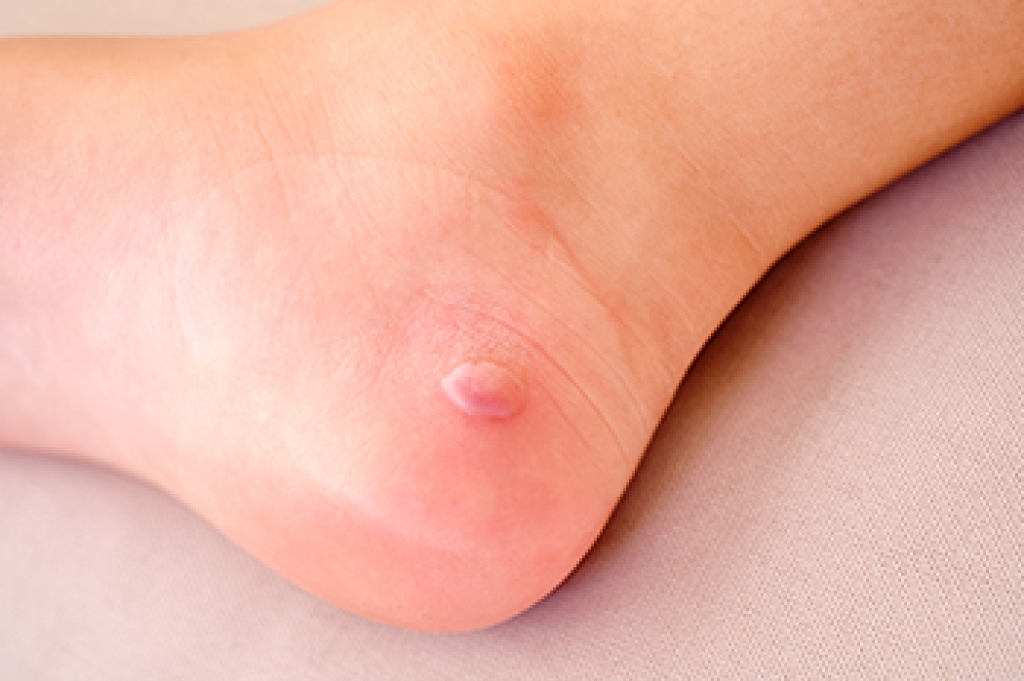
A foot blister is a small fluid-filled pocket that forms on the upper-most layer of the skin. Blisters are filled with clear fluid and can lead to blood drainage or pus if the area becomes infected.

Symptoms

(Blister symptoms may vary depending on what is causing them)

  • Bubble of skin filled with fluid
  • Redness
  • Moderate to severe pain
  • Itching

Prevention & Treatment

In order to prevent blisters, you should be sure to wear comfortable shoes with socks that cushion your feet and absorb sweat. Breaking a blister open may increase your chances of developing an infection. However, if your blister breaks, you should wash the area with soap and water immediately and then apply a bandage to the affected area. If your blisters cause severe pain it is important that you call your podiatrist right away.

If you have any questions, please feel free to contact our office located in Brownsville, TX . We offer the newest diagnostic and treatment technologies for all your foot care needs.

Read more about Blisters

Keep Your Feet Healthy So You Can Stay Active

Have your feet inspected by a professional before starting a new sport or physical activity. Taking charge of your foot health will keep you in good physical condition and can help you avoid a potential injury, such as a fracture or sprained ankle.

Prevent injuries and see a foot specialist.

Arthritis Can Affect the Feet and Ankles

Arthritis, a chronic inflammatory condition, manifests its influence on the human body in various ways, and the feet and ankles often bear a significant brunt of its impact. The joints in these lower extremities, intricate in structure and essential for mobility, become vulnerable targets. Inflammatory arthritis types, such as rheumatoid arthritis, can result in painful swelling, stiffness, and joint deformities, limiting the range of motion. Osteoarthritis, characterized by the gradual breakdown of cartilage, leads to pain and reduced flexibility in the affected joints. The feet, comprising numerous small joints, are particularly susceptible, and the gradual progression of arthritis can affect the arches, toes, and ankle joints. As these joints endure wear and tear, daily activities can become increasingly challenging. Understanding the toll arthritis can take on the feet and ankles emphasizes the importance of early diagnosis, tailored treatments, and proactive measures. If you have arthritis and your feet and ankles are affected, it is strongly suggested that you consult a podiatrist who can help you to manage this condition.

Arthritis can be a difficult condition to live with. If you are seeking treatment, contact Renee Rodriquez, DPM from Foot Clinic of South Texas. Our doctor can provide the care you need to keep you pain-free and on your feet.

Arthritic Foot Care  

Arthritis is a term that is commonly used to describe joint pain.  The condition itself can occur to anyone of any age, race, or gender, and there are over 100 types of it.  Nevertheless, arthritis is more commonly found in women compared to men, and it is also more prevalent in those who are overweight. The causes of arthritis vary depending on which type of arthritis you have. Osteoarthritis for example, is often caused by injury, while rheumatoid arthritis is caused by a misdirected immune system.

Symptoms

  • Swelling
  • Pain
  • Stiffness
  • Decreased Range of Motion

Arthritic symptoms range in severity, and they may come and go. Some symptoms stay the same for several years but could potentially get worse with time. Severe cases of arthritis can prevent its sufferers from performing daily activities and make walking difficult.

Risk Factors

  • Occupation – Occupations requiring repetitive knee movements have been linked to osteoarthritis
  • Obesity – Excess weight can contribute to osteoarthritis development
  • Infection – Microbial agents can infect the joints and trigger arthritis
  • Joint Injuries – Damage to joints may lead to osteoarthritis
  • Age – Risk increases with age
  • Gender –Most types are more common in women
  • Genetics – Arthritis can be hereditary

If you suspect your arthritis is affecting your feet, it is crucial that you see a podiatrist immediately. Your doctor will be able to address your specific case and help you decide which treatment method is best for you.

If you have any questions please feel free to contact our office located in Brownsville, TX . We offer the newest diagnostic tools and technology to treat your foot and ankle needs.

Read more about How to Care for Your Arthritic Foot

How a Podiatrist Can Help With Foot Care

A podiatrist specializes in foot care, providing comprehensive services that can maintain foot health in addition to addressing issues that affect daily comfort and mobility. These medically trained foot doctors offer routine care like trimming nails and managing calluses, which can prevent complications, especially in individuals with diabetes or circulation problems. Podiatrists diagnose and treat conditions such as bunions, heel pain, and plantar fasciitis, often relieving chronic discomfort. They also provide expert advice on proper footwear to support various foot shapes and alleviate pressure points. For athletes, they can help optimize foot function and performance through custom orthotics and injury management. Moreover, a podiatrist plays a vital role in the early detection of serious health problems manifested in the feet, ensuring timely interventions. In an effort to keep your feet healthy, it is suggested that you make routine appointments with a podiatrist who can help you prevent minor issues from becoming severe.

Everyday foot care is very important to prevent infection and other foot ailments. If you need your feet checked, contact Renee Rodriquez, DPM from Foot Clinic of South Texas. Our doctor can provide the care you need to keep you pain-free and on your feet.

Everyday Foot Care

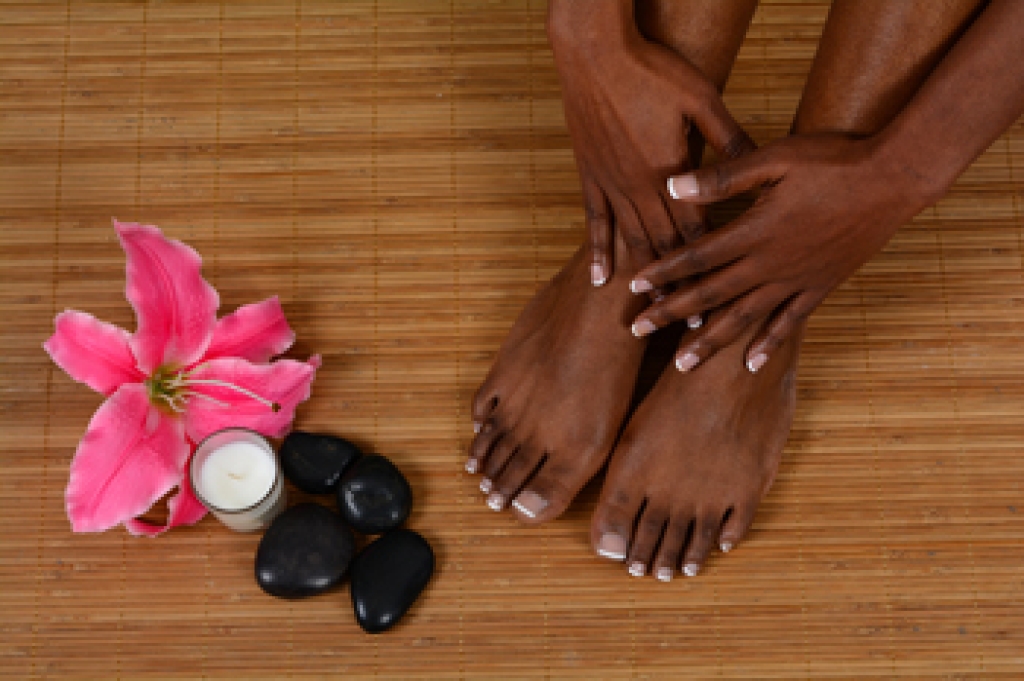
Often, people take care of their bodies, face and hair more so than they do for their feet. But the feet are a very important aspect of our bodies, and one that we should pay more attention to. Without our feet, we would not be able to perform most daily tasks.

It is best to check your feet regularly to make sure there are no new bruises or cuts that you may not have noticed before. For dry feet, moisturizer can easily be a remedy and can be applied as often as necessary to the affected areas. Wearing shoes that fit well can also help you maintain good foot health, as well as making it easier to walk and do daily activities without the stress or pain of ill-fitting shoes, high heels, or even flip flops. Wearing clean socks with closed shoes is important to ensure that sweat and bacteria do not accumulate within the shoe. Clean socks help to prevent Athlete’s foot, fungi problems, bad odors, and can absorb sweat.

If you have any questions, please feel free to contact our office located in Brownsville, TX . We offer the newest diagnostic and treatment technologies for all your foot care needs.
Read more about Everyday Foot Care

Causes of Peroneal Tendonitis

Peroneal tendonitis, a source of pain surrounding the ankle, often targets individuals engaged in rigorous physical activities, particularly runners and athletes who intensify their training routines. This condition typically evolves gradually, progressing from mild discomfort to persistent pain around the ankle. The primary culprit behind peroneal tendonitis is overuse. Sudden spikes in training intensity, coupled with inappropriate footwear or flawed training techniques, frequently trigger this ailment. Sports that demand quick pivoting movements, such as basketball, football, and gymnastics, are particularly associated with the development of tears in the peroneal tendons. Runners who frequently traverse sloped or uneven surfaces, causing the foot to excessively roll out into eversion, face an elevated risk of peroneal tendonitis. Anyone with a history of ankle injuries or recurrent sprains may be more susceptible to peroneal tendon problems. The continuous damage to the ligaments supporting the foot and ankle results in weakened stability, placing increased strain on the peroneal tendons. An abnormal foot position, where the heel is turned slightly inward or if the arch is too high, heightens the risk of peroneal tendonitis. These conditions force the peroneal muscles and tendons to work harder, which contributes to their overuse and potential inflammation. Tight calf muscles combined with weakness in the calf and peroneal muscles may be factors leading to tendonitis. If you are experiencing ankle pain that may be a sign of peroneal tendonitis, it is suggested that you schedule an appointment with a podiatrist for a full exam and diagnosis.

Ankle pain can be caused by a number of problems and may be potentially serious. If you have ankle pain, consult with Renee Rodriquez, DPM from Foot Clinic of South Texas. Our doctor will assess your condition and provide you with quality foot and ankle treatment.

Ankle pain is any condition that causes pain in the ankle. Due to the fact that the ankle consists of tendons, muscles, bones, and ligaments, ankle pain can come from a number of different conditions.

Causes

The most common causes of ankle pain include:

  • Types of arthritis (rheumatoid, osteoarthritis, and gout)
  • Ankle sprains
  • Broken ankles
  • Achilles tendonitis
  • Achilles tendon rupture
  • Stress fractures
  • Bursitis
  • Tarsal tunnel syndrome
  • Plantar fasciitis

Symptoms

Symptoms of ankle injury vary based upon the condition. Pain may include general pain and discomfort, swelling, aching, redness, bruising, burning or stabbing sensations, and/or loss of sensation.

Diagnosis

Due to the wide variety of potential causes of ankle pain, podiatrists will utilize a number of different methods to properly diagnose ankle pain. This can include asking for personal and family medical histories and of any recent injuries. Further diagnosis may include sensation tests, a physical examination, and potentially x-rays or other imaging tests.

Treatment

Just as the range of causes varies widely, so do treatments. Some more common treatments are rest, ice packs, keeping pressure off the foot, orthotics and braces, medication for inflammation and pain, and surgery.

If you have any questions please feel free to contact our office located in Brownsville, TX . We offer the newest diagnostic tools and technology to treat your foot and ankle needs.

Read more about Ankle Pain

Foot Injuries From Playing Basketball

Basketball is a popular sport known for its fast paced and intense nature. However, the constant running, jumping, pivoting, and sudden stops can put a lot of strain on the lower body, leading to common foot injuries. Three of the most frequent basketball foot injuries are ankle sprains, fractures, and plantar fasciitis. Basketball players often suffer from ankle sprains, which can happen when they land awkwardly or make sudden changes in direction. These sprains can also occur when they step on another player's foot, causing the supporting ligaments to stretch too far. The repetitive impact from jumping and running on hard surfaces can lead to fractures in the foot. Stress fractures can develop gradually due to overuse, while more severe fractures are typically caused by sudden impacts. Players with poor foot structure, such as flat feet, may develop plantar fasciitis, resulting in heel pain. If you play basketball and have sustained a foot or ankle injury, it is suggested that you schedule an appointment with a podiatrist for a proper diagnosis and treatment.

Sports related foot and ankle injuries require proper treatment before players can go back to their regular routines. For more information, contact Renee Rodriquez, DPM of Foot Clinic of South Texas. Our doctor can provide the care you need to keep you pain-free and on your feet.

Sports Related Foot and Ankle Injuries

Foot and ankle injuries are a common occurrence when it comes to athletes of any sport. While many athletes dismiss the initial aches and pains, the truth is that ignoring potential foot and ankle injuries can lead to serious problems. As athletes continue to place pressure and strain the area further, a mild injury can turn into something as serious as a rupture and may lead to a permanent disability. There are many factors that contribute to sports related foot and ankle injuries, which include failure to warm up properly, not providing support or wearing bad footwear. Common injuries and conditions athletes face, including:

  • Plantar Fasciitis
  • Achilles Tendinitis
  • Achilles Tendon Rupture
  • Ankle Sprains

Sports related injuries are commonly treated using the RICE method. This includes rest, applying ice to the injured area, compression and elevating the ankle. More serious sprains and injuries may require surgery, which could include arthroscopic and reconstructive surgery. Rehabilitation and therapy may also be required in order to get any recovering athlete to become fully functional again. Any unusual aches and pains an athlete sustains must be evaluated by a licensed, reputable medical professional.

If you have any questions please contact our office located in Brownsville, TX . We offer the newest diagnostic and treatment technologies for all your foot and ankle needs.

Read more about Sports Related Foot And Ankle Injuries

Connect With Us

Request Appointment Patient Portal