
Have your child's feet been examined lately? Healthy feet are happy feet. If your child is complaining of foot pain, it may be a sign of underlying problems.
Have your child's feet been examined lately? Healthy feet are happy feet. If your child is complaining of foot pain, it may be a sign of underlying problems.
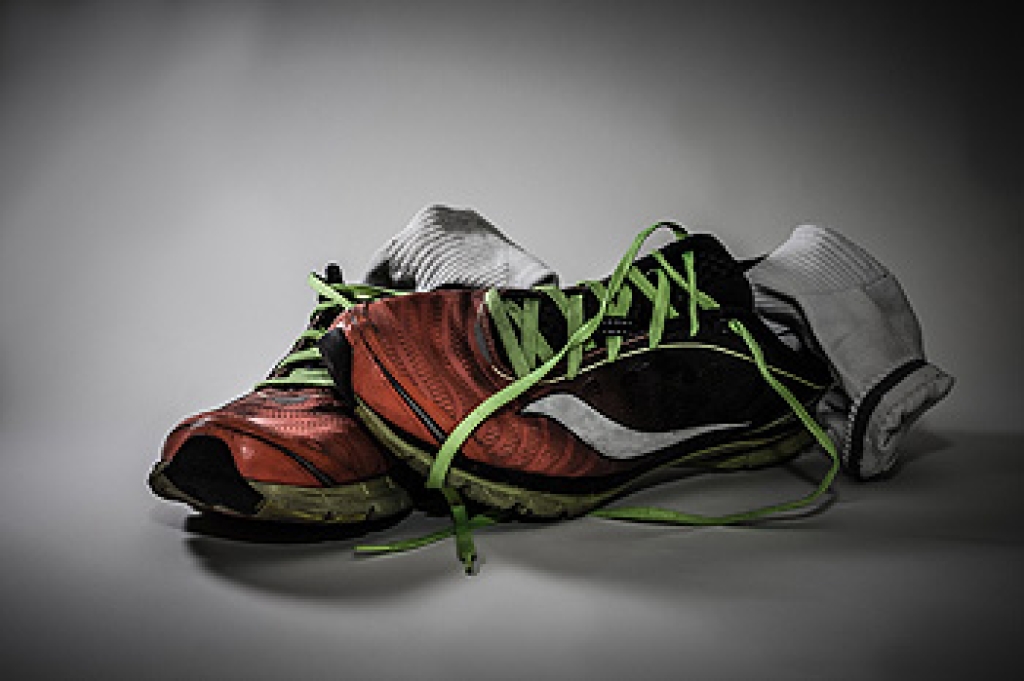
Wearing worn-out running shoes can lead to foot, toe, and ankle problems as a result of inadequate support and cushioning. Over time, the foam and tread in running shoes degrades, reducing their ability to absorb shock and stabilize the foot. This can increase pressure on the arches, contribute to overpronation or underpronation, and lead to conditions like arch pain or Achilles tendon discomfort. Signs of wear include new foot pain, flattened midsoles, or uneven tread patterns. For runners with flat feet or for those who overpronate, worn out shoes can aggravate these structural issues, increasing the risk of foot and other injuries. Experts suggest that active runners replace their shoes every 300 to 500 miles, or approximately every six months. A podiatrist can assess a runner’s foot alignment, gait, and running habits to help them choose appropriate footwear and reduce injury risks. If you are experiencing foot pain after running, it is suggested that you schedule an appointment with a podiatrist for an exam, diagnosis, and treatment options.
Exercising your feet regularly with the proper foot wear is a great way to prevent injuries. If you have any concerns about your feet, contact Renee Rodriquez, DPM of Foot Clinic of South Texas. Our doctor will treat your foot and ankle needs.
How to Prevent Running Injuries
Many common running injuries are caused by overuse and overtraining. When the back of the kneecap starts wearing out and starts causing pain in your knee, this is commonly referred to as runner’s knee. Runner’s knee is a decrease in strength in your quadriceps and can occur if you’re not wearing properly fitted or supporting shoes. To prevent runner’s knee, focusing on hip strengthening is a good idea, as well as strengthening your quads to keep the kneecaps aligned.
What Are Some Causes of Running Injuries?
- One cause of a common running injury is called iliotibial band syndrome.
- Plantar fasciitis is also another common injury.
- Stress fractures can occur from overtraining, lack of calcium, or even your running style.
Best Ways to Prevent Running Injuries
- Wear footwear that fits properly and suits your running needs.
- Running shoes are the only protective gear that runners have to safeguard them from injury.
- Make a training schedule. Adding strengthening exercises as well as regular stretching can help keep you strong and limber and can lessen the possibility of injuries.
- Stretching keeps muscles limber; this will help you gain better flexibility.
If you have any questions, please feel free to contact our office located in Brownsville, TX . We offer the newest diagnostic and treatment technologies for all your foot care needs.
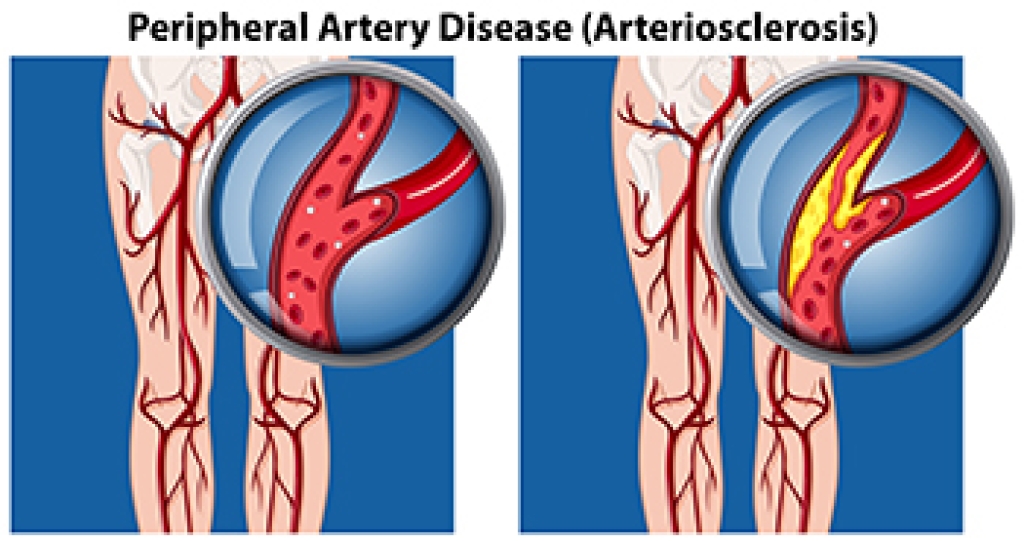
Peripheral artery disease, known as PAD, occurs when the blood vessels in the legs and feet become narrowed or blocked, reducing blood flow. This leads to symptoms like leg pain, cramping, or fatigue, particularly when walking or exercising. PAD can also cause sores or ulcers that are slow to heal, or cold, pale feet. In severe cases, it can increase the risk of infections or even amputation, if left untreated. The primary cause of PAD is atherosclerosis, a condition where fatty deposits build up in the arteries. Risk factors include smoking, diabetes, high blood pressure, and high cholesterol. Treatment for PAD often involves lifestyle changes, such as quitting smoking, exercising, and managing blood sugar and cholesterol levels. Medications or surgery may be necessary in more advanced cases. A podiatrist can assess your condition, provide effective treatments, and help prevent complications. If you are experiencing symptoms of PAD, it is suggested that you schedule an appointment with a podiatrist.
Peripheral artery disease can pose a serious risk to your health. It can increase the risk of stroke and heart attack. If you have symptoms of peripheral artery disease, consult with Renee Rodriquez, DPM from Foot Clinic of South Texas. Our doctor will assess your condition and provide you with quality foot and ankle treatment.
Peripheral artery disease (PAD) is when arteries are constricted due to plaque (fatty deposits) build-up. This results in less blood flow to the legs and other extremities. The main cause of PAD is atherosclerosis, in which plaque builds up in the arteries.
Symptoms
Symptoms of PAD include:
It is important to note that a majority of individuals never show any symptoms of PAD.
Diagnosis
While PAD occurs in the legs and arteries, Podiatrists can diagnose PAD. Podiatrists utilize a test called an ankle-brachial index (ABI). An ABI test compares blood pressure in your arm to you ankle to see if any abnormality occurs. Ultrasound and imaging devices may also be used.
Treatment
Fortunately, lifestyle changes such as maintaining a healthy diet, exercising, managing cholesterol and blood sugar levels, and quitting smoking, can all treat PAD. Medications that prevent clots from occurring can be prescribed. Finally, in some cases, surgery may be recommended.
If you have any questions, please feel free to contact our office located in Brownsville, TX . We offer the newest diagnostic and treatment technologies for all your foot care needs.
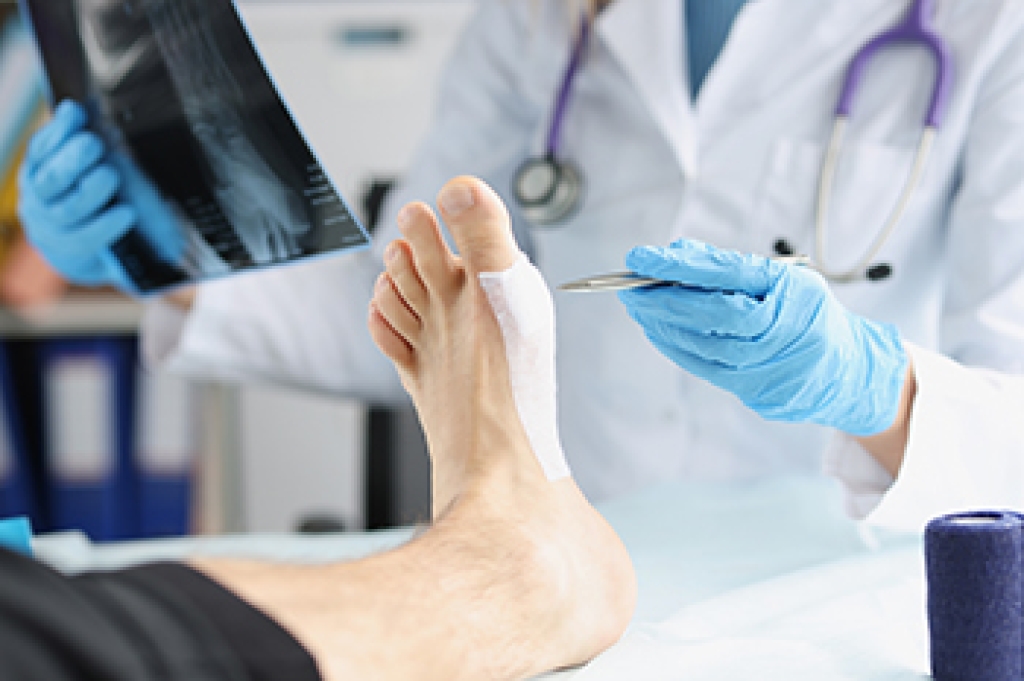
Foot surgeries address various conditions, including bunions, hammertoes, plantar fasciitis, fractures, and flat feet. Common procedures include a bunionectomy to remove bunions, hammertoe correction to realign curled toes, and plantar fascia release for chronic heel pain. Other surgeries may involve repairing torn tendons or fusing joints to relieve arthritis pain. Deciding on foot surgery depends on the severity of the condition, pain levels, and how much it affects daily life. Surgery is usually considered when conservative treatments like orthotics, targeted stretching, or medication fail to provide relief. A podiatrist plays a vital role in this process, offering a thorough evaluation, imaging studies, and a tailored treatment plan. They can guide you through non-surgical options first and explain the risks, benefits, and recovery of surgery. If you are considering treatment options for a foot problem, including surgery, it is suggested that you obtain counsel from a podiatrist.
Foot surgery is sometimes necessary to treat a foot ailment. To learn more, contact Renee Rodriquez, DPM of Foot Clinic of South Texas. Our doctor will assist you with all of your foot and ankle needs.
When Is Surgery Necessary?
Foot and ankle surgery is generally reserved for cases in which less invasive, conservative procedures have failed to alleviate the problem. Some of the cases in which surgery may be necessary include:
What Types of Surgery Are There?
The type of surgery you receive will depend on the nature of the problem you have. Some of the possible surgeries include:
Benefits of Surgery
Although surgery is usually a last resort, it can provide more complete pain relief compared to non-surgical methods and may allow you to finally resume full activity.
Surgical techniques have also become increasingly sophisticated. Techniques like endoscopic surgery allow for smaller incisions and faster recovery times.
If you have any questions, please feel free to contact our office located in Brownsville, TX . We offer the newest diagnostic and treatment technologies for all your foot care needs.
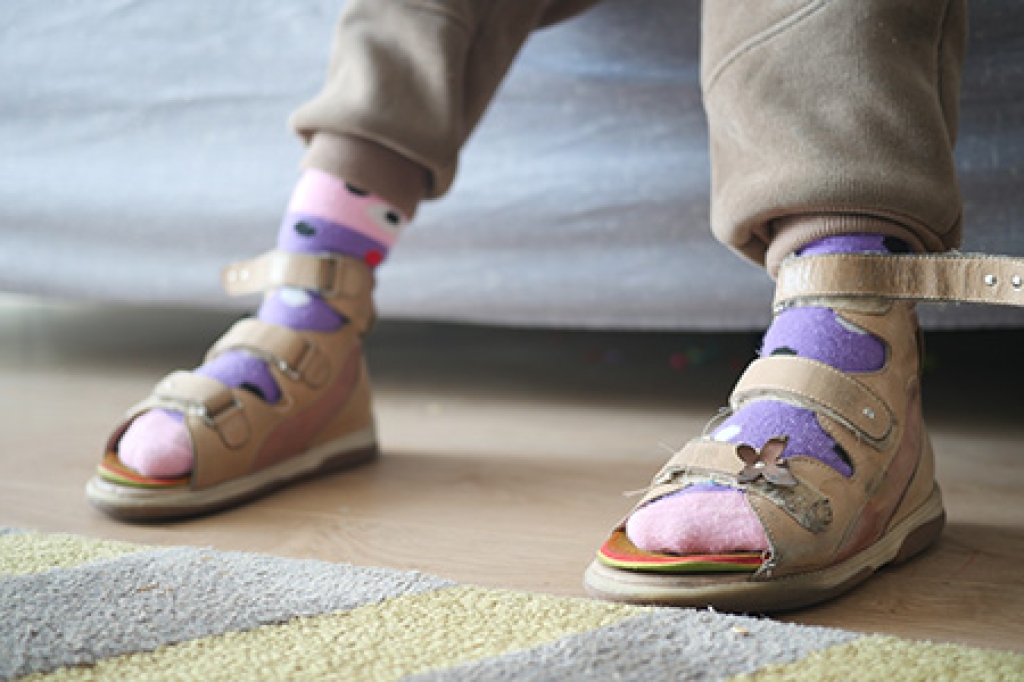
Infantile Blount’s disease, also known as infantile tibia vara, is a growth disorder affecting the shinbone, or tibia, causing it to bow outward below the knee. This condition occurs when the inner part of the tibia fails to develop properly, often due to excessive pressure on the growth plate. It typically affects children under the age of three and is more common in those who are overweight, have early walking milestones, or have a family history of the condition. Orthotics play a vital role in managing infantile Blount’s disease. Custom-made braces or orthotic devices help guide proper bone growth and alignment, reducing the progression of bowing. By promoting proper leg alignment, these devices improve the child’s gait allowing them to walk more comfortably and efficiently while reducing long-term mobility issues. If your child was born with Blount’s disease, it is suggested that you see a podiatrist early on to discuss how orthotics can offer comfort, an improved gait, and better future development.
If you are having discomfort in your feet and would like to try orthotics, contact Renee Rodriquez, DPM from Foot Clinic of South Texas. Our doctor can provide the care you need to keep you pain-free and on your feet.
What Are Orthotics?
Orthotics are inserts you can place into your shoes to help with a variety of foot problems such as flat feet or foot pain. Orthotics provide relief and comfort for minor foot and heel pain but can’t correct serious biomechanical problems in your feet.
Over-the-Counter Inserts
Orthotics come in a wide variety of over-the-counter inserts that are used to treat foot pain, heel pain, and minor problems. For example, arch supports can be inserted into your shoes to help correct overarched or flat feet, while gel insoles are often used because they provide comfort and relief from foot and heel pain by alleviating pressure.
Prescription Orthotics
If over-the-counter inserts don’t work for you or if you have a more severe foot concern, it is possible to have your podiatrist prescribe custom orthotics. These high-quality inserts are designed to treat problems such as abnormal motion, plantar fasciitis, and severe forms of heel pain. They can even be used to help patients suffering from diabetes by treating foot ulcers and painful calluses and are usually molded to your feet individually, which allows them to provide full support and comfort.
If you are experiencing minor to severe foot or heel pain, it’s recommended to speak with your podiatrist about the possibilities of using orthotics. A podiatrist can determine which type of orthotic is right for you and allow you to take the first steps towards being pain-free.
If you have any questions, please feel free to contact our office located in Brownsville, TX . We offer the newest diagnostic and treatment technologies for all your foot care needs.

Suffering from this type of pain? You may have the foot condition known as Morton's neuroma. Morton's neuroma may develop as a result of ill-fitting footwear and existing foot deformities. We can help.

Diabetes can significantly affect foot health by damaging nerves and blood vessels, which increases the risk of infections and ulcers. Nerve damage, known as peripheral neuropathy, can cause numbness, tingling, or pain, reducing the ability to sense injuries or temperature changes. Blood vessel damage can impair healing, leaving minor injuries like cuts or blisters susceptible to infection. Daily foot checks for diabetics are essential to identify blisters, cuts, or signs of redness that may indicate the onset of complications. Proper foot care includes washing feet daily with warm water, drying them thoroughly, especially between the toes, and applying moisturizer to prevent dry skin. Wearing properly fitted shoes and avoiding walking barefoot, even indoors, reduces the risk of injury. A podiatrist can assess your feet for signs of neuropathy or poor circulation, provide treatment for wounds, and recommend protective footwear to prevent future issues. If you have foot problems related to diabetes, it is suggested that you schedule an appointment with a podiatrist for appropriate treatment.
Diabetic foot care is important in preventing foot ailments such as ulcers. If you are suffering from diabetes or have any other concerns about your feet, contact Renee Rodriquez, DPM from Foot Clinic of South Texas. Our doctor can provide the care you need to keep you pain-free and on your feet.
Diabetic Foot Care
Diabetes affects millions of people every year. The condition can damage blood vessels in many parts of the body, especially the feet. Because of this, taking care of your feet is essential if you have diabetes, and having a podiatrist help monitor your foot health is highly recommended.
The Importance of Caring for Your Feet
Patients with diabetes should have their doctor monitor their blood levels, as blood sugar levels play such a huge role in diabetic care. Monitoring these levels on a regular basis is highly advised.
It is always best to inform your healthcare professional of any concerns you may have regarding your feet, especially for diabetic patients. Early treatment and routine foot examinations are keys to maintaining proper health, especially because severe complications can arise if proper treatment is not applied.
If you have any questions, please feel free to contact our office located in Brownsville, TX . We offer the newest diagnostic and treatment technologies for all your foot care needs.
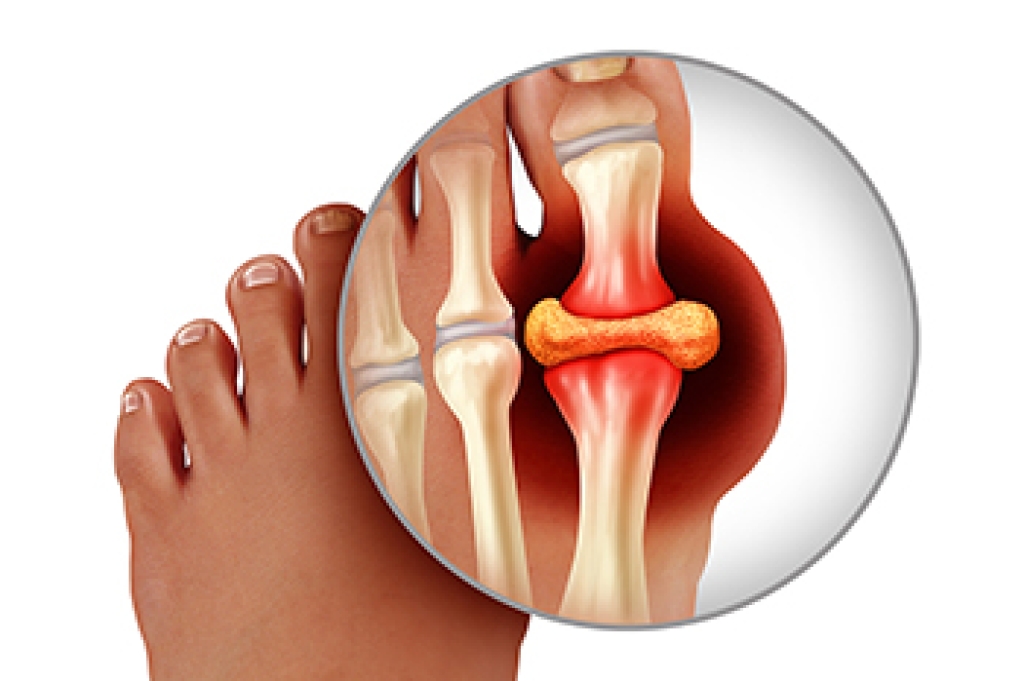
Gout is a metabolic disorder that occurs when excess uric acid builds up in the bloodstream and forms sharp crystals in the joints. During an acute episode or flare-up, the affected joint, often the big toe, becomes intensely painful, swollen, and red. The pain typically begins suddenly, often at night, and can be excruciating. Inflammation and tenderness in the joint make movement difficult. The primary cause of gout is the overproduction or underexcretion of uric acid, which can result from a diet rich in purine-heavy foods, obesity, dehydration, or certain medications. Other contributing factors include a family history of gout or underlying health conditions like high blood pressure and kidney disease. If you have had one or more gout attacks, it is strongly suggested that you are under the care of a podiatrist who can help you monitor this painful condition.
Gout is a foot condition that requires certain treatment and care. If you are seeking treatment, contact Renee Rodriquez, DPM from Foot Clinic of South Texas. Our doctor will treat your foot and ankle needs.
What Is Gout?
Gout is a type of arthritis caused by a buildup of uric acid in the bloodstream. It often develops in the foot, especially the big toe area, although it can manifest in other parts of the body as well. Gout can make walking and standing very painful and is especially common in diabetics and the obese.
People typically get gout because of a poor diet. Genetic predisposition is also a factor. The children of parents who have had gout frequently have a chance of developing it themselves.
Gout can easily be identified by redness and inflammation of the big toe and the surrounding areas of the foot. Other symptoms include extreme fatigue, joint pain, and running high fevers. Sometimes corticosteroid drugs can be prescribed to treat gout, but the best way to combat this disease is to get more exercise and eat a better diet.
If you have any questions, please feel free to contact our office located in Brownsville, TX . We offer the newest diagnostic and treatment technologies for all your foot care needs.

Achilles tendonitis, common among runners, occurs when the strong tendon that connects the calf muscles to the heel bone becomes inflamed from repeated stress. The Achilles tendon plays a key role in the push-off phase of running, making it vulnerable to strain if it is overused, especially without enough recovery time. Symptoms usually begin as a dull ache or stiffness at the back of the heel and can worsen with continued activity. A complete Achilles tendon tear can happen suddenly, often during a quick change in direction. It is often described as feeling a sharp blow to the back of the leg. To diagnose Achilles tendonitis, a podiatrist will examine the tendon, checking for tenderness or gaps along its length, and may use the Thompson test to assess function. Treatment focuses on reducing strain through rest, activity modification, and sometimes a heel lift. If you are experiencing pain in the Achilles tendon, it is suggested that you schedule an appointment with a podiatrist for an exam and treatment.
Achilles tendon injuries need immediate attention to avoid future complications. If you have any concerns, contact Renee Rodriquez, DPM of Foot Clinic of South Texas. Our doctor can provide the care you need to keep you pain-free and on your feet.
What Is the Achilles Tendon?
The Achilles tendon is a tendon that connects the lower leg muscles and calf to the heel of the foot. It is the strongest tendon in the human body and is essential for making movement possible. Because this tendon is such an integral part of the body, any injuries to it can create immense difficulties and should immediately be presented to a doctor.
What Are the Symptoms of an Achilles Tendon Injury?
There are various types of injuries that can affect the Achilles tendon. The two most common injuries are Achilles tendinitis and ruptures of the tendon.
Achilles Tendinitis Symptoms
Rupture Symptoms
Treatment and Prevention
Achilles tendon injuries are diagnosed by a thorough physical evaluation, which can include an MRI. Treatment involves rest, physical therapy, and in some cases, surgery. However, various preventative measures can be taken to avoid these injuries, such as:
If you have any questions please feel free to contact our office located in Brownsville, TX . We offer the newest diagnostic tools and technology to treat your foot and ankle needs.

Anterior ankle impingement occurs when bone spurs or inflamed soft tissue at the front of the ankle joint cause pain. It is common during activities that involve dorsiflexion, such as walking uphill, squatting, or playing sports like soccer. These bone spurs, known as osteophytes, often form on the tibia or talus bones as a result of repeated bending or ankle sprains. Common symptoms of anterior ankle impingement include pain with activities that require bending or leaning forward. A podiatrist can use X-rays to detect bone spurs and MRI scans to assess inflammation or scarring. Non-operative treatments focus on wearing shoes with slightly elevated heels, modifying activities, using anti-inflammatory medications, and receiving corticosteroid injections. Strengthening exercises to prevent future problems are also helpful. In cases where conservative measures are ineffective, surgery may be required to remove the bone spurs and restore motion. If the front of your ankle consistently hurts, it is suggested that you schedule an appointment with a podiatrist for an exam, diagnosis and treatment.
Ankle pain can be caused by a number of problems and may be potentially serious. If you have ankle pain, consult with Renee Rodriquez, DPM from Foot Clinic of South Texas. Our doctor will assess your condition and provide you with quality foot and ankle treatment.
Ankle pain is any condition that causes pain in the ankle. Due to the fact that the ankle consists of tendons, muscles, bones, and ligaments, ankle pain can come from a number of different conditions.
Causes
The most common causes of ankle pain include:
Symptoms
Symptoms of ankle injury vary based upon the condition. Pain may include general pain and discomfort, swelling, aching, redness, bruising, burning or stabbing sensations, and/or loss of sensation.
Diagnosis
Due to the wide variety of potential causes of ankle pain, podiatrists will utilize a number of different methods to properly diagnose ankle pain. This can include asking for personal and family medical histories and of any recent injuries. Further diagnosis may include sensation tests, a physical examination, and potentially x-rays or other imaging tests.
Treatment
Just as the range of causes varies widely, so do treatments. Some more common treatments are rest, ice packs, keeping pressure off the foot, orthotics and braces, medication for inflammation and pain, and surgery.
If you have any questions please feel free to contact our office located in Brownsville, TX . We offer the newest diagnostic tools and technology to treat your foot and ankle needs.
Connect With Us
